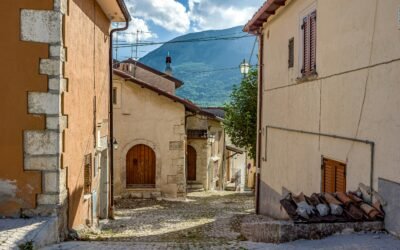
Choosing the best time to visit Karabük can make a big difference to your trip. This part of Turkey’s Black Sea region combines historic Safranbolu, scenic canyons, traditional food, and changing seasonal landscapes. Weather, holiday crowds, and local festivals all affect how much you can enjoy the area. This guide helps you choose the right month for your travel style and budget.
Quick Answer
The best time to visit Karabük and Safranbolu is May to early June or mid-September through October. These months offer comfortable sightseeing weather and generally manageable crowds. Visit in October or early November for saffron harvest activities, July or August for long summer days, or winter for a quieter trip. Festival weekends can still be busy.
Last checked: October 23, 2026. Key dates and climate figures were verified against official sources.
Key Takeaways
- May is excellent for green landscapes and comfortable walks, although occasional rain remains possible.
- July and August are the hottest months. Karabük’s average daytime highs reach approximately 33°C.
- October brings cooler temperatures, autumn scenery, and the start of the local saffron harvest period.
- Winter may offer better accommodation value, but snow, shorter days, and holiday events can affect your plans.
- Allow two or three days for Safranbolu and nearby attractions, with extra time for hiking or day trips.
Best Time to Visit Karabük: Weather by Month
Karabük has four distinct seasons, with warm to hot summers, cold winters, and milder conditions in spring and autumn. Its climate reflects both inland Anatolian conditions and the influence of the nearby Black Sea.
The Turkish State Meteorological Service’s Karabük climate records provide long-term temperature and rainfall data covering 1965–2025. The table below uses those records rather than short-term weather forecasts.
| Month | Average High / Low | Average Rainy Days | Travel Conditions |
|---|---|---|---|
| January | 7.8°C / -0.2°C | 9.3 | Cold, possible snow, quieter sightseeing |
| February | 10.7°C / 0.6°C | 8.2 | Cold mornings, possible snow and ice |
| March | 15.0°C / 2.8°C | 8.9 | Early spring, changeable weather |
| April | 20.5°C / 7.0°C | 9.1 | Mild afternoons, cool evenings, spring flowers |
| May | 25.7°C / 10.9°C | 9.0 | Excellent for sightseeing, greenery, and hiking |
| June | 29.3°C / 14.1°C | 6.9 | Warmer days, longer sightseeing hours |
| July | 32.6°C / 16.7°C | 4.1 | Hot, relatively dry, summer holiday traffic |
| August | 32.9°C / 16.7°C | 3.6 | Hottest period, generally drier weather |
| September | 28.5°C / 13.0°C | 4.5 | Warm days, pleasant mornings, fewer school-holiday visitors |
| October | 21.9°C / 9.0°C | 6.2 | Autumn colors, saffron harvest, cooler walks |
| November | 14.8°C / 4.0°C | 7.0 | Cooler, quieter outside festival and school breaks |
| December | 9.3°C / 1.2°C | 8.8 | Cold weather, possible snow, year-end festivities |
Source: Turkish State Meteorological Service, Karabük observations for 1965–2025. High and low values are monthly averages of daily maximum and minimum temperatures, not record extremes. Rainy-day figures are historical monthly averages. Weather and temperatures in individual years can differ.
May and October offer a particularly useful balance for walking. May has warmer afternoons and green scenery, while October is cooler and better suited to autumn photography.
Karabük’s Four Seasons: What to Expect
Each season offers a different experience in Karabük and Safranbolu. Spring and autumn favor walking and sightseeing, summer provides long daylight hours, and winter brings a quieter atmosphere with possible snowfall.
Spring (April–June): Green Landscapes and Comfortable Walks
Spring is one of the most attractive times to explore Karabük. Temperatures rise steadily, trees regain their leaves, and outdoor sightseeing becomes more comfortable.
- Weather: April has average daytime highs around 20.5°C, rising to 25.7°C in May and 29.3°C in June. April mornings can be cool, while late June can already feel hot.
- Crowds: April and early May are often manageable outside holidays. Visitor numbers may increase during public holidays, spring weekends, and the start of summer travel.
- Costs: Guesthouses and boutique hotels may offer reasonable rates before the busiest holiday periods. Prices can rise around popular travel dates.
- Activities: Walk through Safranbolu’s Old Bazaar, photograph traditional houses, enjoy Turkish breakfast in a courtyard, or explore nearby canyons and green countryside.
Late April is good for travelers who prefer cooler walking conditions. May offers a comfortable balance between warm afternoons and fresh green landscapes.
June is suitable if you enjoy cultural events. Safranbolu hosted its 27th International Altın Safran Documentary Film Festival on June 10–13, 2026. Festival schedules can change each year.
Best for: Couples, families, cultural sightseeing, photographers, and travelers planning moderate hikes.
Summer (July–August): Hot Weather and Lively Streets
Summer brings the longest days and the hottest weather. It suits travelers who enjoy an active atmosphere and do not mind arranging outdoor activities around the heat.
- Weather: Average daytime highs reach 32.6°C in July and 32.9°C in August. Some afternoons are considerably hotter, although mornings and evenings are usually more comfortable.
- Crowds: Turkish school holidays and summer travel can make Safranbolu busy, particularly on weekends and during organized events.
- Costs: Popular heritage hotels and convenient rooms may cost more during high-demand dates. Early reservations offer more choice, although they do not guarantee lower prices.
- Activities: Enjoy open-air cafés, longer sightseeing days, canyon viewpoints, and trips into nearby wooded areas. The Black Sea coast is another option for an extended trip.
Start exploring Safranbolu in the morning, take a longer lunch break indoors, and return to the historic streets in the late afternoon. Carry drinking water and use sun protection, especially when visiting exposed viewpoints.
Outdoor events add another reason to visit in summer. The SAFRUN Ultra Trail was scheduled for July 4–5, 2026, with several running distances around Safranbolu.
Best for: Summer holidaymakers, outdoor-event visitors, families traveling during school breaks, and travelers comfortable with hot weather.
Autumn (September–November): Fall Colors and Saffron Harvest
Autumn is an excellent choice for history, photography, and local food experiences. September remains warm, October becomes noticeably cooler, and November brings colder mornings and a quieter atmosphere.
- Weather: September’s average high is 28.5°C, compared with 21.9°C in October and 14.8°C in November. Rain becomes more likely as autumn progresses.
- Crowds: September can be calmer after the summer school break. October weekdays may also be comfortable, but saffron-related events and holiday weekends attract visitors.
- Costs: September and October can offer good value outside busy dates. November may provide more attractive accommodation offers, except during special events.
- Activities: Photograph Safranbolu’s historic streets, walk in the surrounding hills, taste local dishes, and learn about saffron cultivation.
October is especially appealing if you want autumn colors around Safranbolu and nearby wooded areas. The changing foliage provides a striking contrast to the town’s whitewashed Ottoman houses and dark timber details.
The local saffron harvest generally begins in October and can continue into November. Flowering depends on growing conditions, so visitors should not assume every farm will have flowers on their chosen dates.
For the 2026 season, Safranbolu Municipality confirmed its 10th International Saffron Festival for November 1–4, 2026. These dates replaced an earlier October announcement.
Best for: Photography, local culture, food experiences, autumn walks, and visitors interested in the saffron harvest.
Winter (December–March): Snowy Scenery and Fewer Tourists
Winter offers a different view of Karabük. Cold mornings, occasional snowfall, and quieter historic streets can make Safranbolu feel especially atmospheric.
- Weather: Average daytime highs range from 7.8°C in January to 15.0°C in March. Nights can drop below freezing, and snow or ice is possible.
- Crowds: Much of winter is quieter than the warmer travel periods. New Year celebrations and school holidays are important exceptions.
- Costs: Accommodation can be more affordable during low-demand winter dates, although rates vary by property and holiday schedule.
- Activities: Visit local museums, explore traditional mansion interiors, relax in tea houses, enjoy Turkish stews and pastries, and photograph historic buildings after snowfall.
Snow-covered Safranbolu can be beautiful, but snowfall is not guaranteed throughout winter. Freezing temperatures also make the town’s sloping cobbled streets more difficult to walk on.
Warning: Snow and ice can affect roads, walking routes, and access to outdoor attractions. Wear shoes with good traction and allow extra travel time during winter weather.
Winter is not completely without events. Safranbolu Municipality announced its fourth New Year Fair for December 18, 2026, through January 3, 2027, in Hanarkası Street within the historic bazaar area.
Best for: Budget-conscious travelers, winter photography, museum visits, and visitors seeking a slower trip outside holiday periods.
When Is Karabük Least Crowded?
The quietest periods are generally outside school holidays, national holidays, and major local events. November, January, February, and early March can be appealing, although individual weekends may still be busy.
Late April to Early June
This is a good window for pleasant walking conditions before the hottest part of summer. Weekdays can be especially enjoyable for exploring Safranbolu’s narrow streets, traditional shops, and historic mansions.
However, public holidays in April and May can increase domestic tourism. For example, Türkiye’s Republic-wide holidays include National Sovereignty and Children’s Day on April 23, Labor Day on May 1, and Youth and Sports Day on May 19.
Mid-September to Late October
This period often provides a good balance between cooler weather and manageable crowds. You can explore Hıdırlık Hill, the Old Bazaar, and nearby viewpoints without the intense summer heat.
October is not uniformly quiet, however. Saffron harvest activities and Republic Day celebrations can make some dates noticeably busier.
Important Holidays and Busy Dates for 2026–2027
National holidays and school breaks can affect hotel demand, transport availability, and the number of domestic visitors. The official Turkish holiday calendar for 2026 identifies the following important dates.
- March 20–22, 2026: Ramadan Feast holidays, following a half-day holiday on March 19.
- April 23, 2026: National Sovereignty and Children’s Day.
- May 1 and May 19, 2026: National public holidays.
- May 27–30, 2026: Sacrifice Feast holidays, following a half-day holiday on May 26.
- July 15, 2026: Democracy and National Unity Day.
- August 30, 2026: Victory Day.
- October 28–29, 2026: Republic Day period, beginning with a half-day holiday on October 28.
The Ministry of National Education’s 2026–2027 school calendar also lists these breaks:
- November 16–20, 2026: First midterm break.
- January 25–February 5, 2027: Winter semester break.
- March 8–12, 2027: Second midterm break.
- June 25, 2027: End of the school year, followed by the summer holiday period.
These dates are useful when planning a quieter trip. They do not guarantee that Safranbolu will be crowded, but they identify periods when domestic travel demand may increase.
Pro Tip: If your dates are flexible, book a Sunday-to-Thursday stay instead of a Friday-to-Sunday visit. You may find calmer streets and more accommodation choices, especially outside festival weeks.
When Is the Cheapest Time to Visit Karabük?
November through March is generally the strongest period to look for lower accommodation rates, especially outside festivals and year-end holidays. Spring and autumn can offer good value, while popular summer travel dates may cost more.
There is no reliable single cheapest month for every visitor. Your departure city, accommodation choice, and travel dates can change the total cost considerably.
Off-Peak Savings: November to March
Hotels and guesthouses may offer reduced rates during quieter winter periods. This can make staying in a traditional Safranbolu mansion more affordable than during busy weekends.
For a lower-cost winter trip, compare accommodation rates for ordinary weekdays rather than the New Year period or school holidays.
Flights are less predictable. International airfare depends heavily on where you depart, the route you choose, and the availability of connections.
Shoulder-Season Value: April, May, June, September, and October
These months provide a good combination of sightseeing weather and accommodation choice. The best-value dates are usually those that avoid holiday weekends and major events.
You may spend less on transport and activities when the weather is comfortable enough to explore the old town on foot. An entire afternoon can be spent visiting historic streets and browsing shops without booking a guided tour.
Summer Costs: July and August
Summer demand can increase prices at popular hotels and guesthouses, particularly during weekends. Rooms with convenient locations in historic Safranbolu may also become harder to secure.
Compare the final cost of several properties rather than choosing solely by the advertised nightly rate. Parking, breakfast, and cancellation conditions can affect the value of a booking.
What Can You Do for Free?
Not every worthwhile experience requires an entrance ticket. Exploring public streets in Safranbolu’s historic center, admiring traditional house exteriors, and browsing the bazaar are ways to enjoy the town without paying an attraction fee.
Museums, organized tours, the Crystal Terrace, and some other managed attractions may charge admission. Exact fees can vary, so do not assume a particular attraction is free.
Special Events and Local Experiences in Karabük
Karabük’s events can make your visit more memorable, especially if you enjoy local culture. Safranbolu’s saffron traditions, documentary film activities, and seasonal markets provide reasons to travel beyond ordinary sightseeing.
Saffron Harvest and Local Products
Safranbolu takes its name from saffron, the valuable spice obtained from saffron crocus flowers. Autumn is the most relevant season for visitors interested in this part of the town’s heritage.
During the harvest period, you may find saffron products, local sweets, and opportunities to learn about cultivation. Farm visits depend on the producer and should be arranged with permission.
Safranbolu lokum, or Turkish delight, is another local specialty worth tasting. Traditional shops sell different varieties, including saffron-flavored sweets.
For visitors interested in local food, a visit to the Old Bazaar can combine saffron products, sweets, traditional pastries, and a Turkish tea break.
Festivals, Cultural Events, and Seasonal Markets
Safranbolu has more than one type of annual cultural event. The International Altın Safran Documentary Film Festival highlights filmmaking and cultural heritage, while saffron harvest celebrations focus on regional production and local traditions.
Summer sporting events and the winter New Year Fair provide additional reasons to visit. They can also increase demand for hotels near the historic center.
Festival dates should be treated as year-specific rather than fixed annual dates. Use the confirmed schedule for the year in which you plan to travel.
Experiencing Local Culture Without a Festival
You do not need to visit during a festival to appreciate Safranbolu’s traditional character. Historic houses, craft shops, narrow streets, and Turkish tea houses are central to the experience throughout the year.
Spend time in the traditional market area rather than rushing between viewpoints. You may discover small shops selling lokum, handicrafts, and other regional products.
Practical Travel Tips for Karabük and Safranbolu
Good planning helps you make the most of a short visit. Transport, accommodation location, walking conditions, and seasonal clothing all matter because many of Safranbolu’s main attractions are spread across the historic town and surrounding countryside.
How to Get to Karabük and Safranbolu
Karabük does not have a major international airport. Travelers generally arrive by intercity bus or use an airport in a nearby province before continuing by road.
Common airport options include Ankara Esenboğa Airport (ESB), Kastamonu Airport (KFS), and Zonguldak Çaycuma Airport (ONQ).
- Ankara Esenboğa Airport: A major airport option with a wider range of connections. The drive to Safranbolu is generally around 2.5–3 hours, depending on the route and traffic.
- Kastamonu Airport: A closer regional airport, roughly 90–110 km from Safranbolu by road depending on the route. Flight options are more limited.
- Zonguldak Çaycuma Airport: Another regional option, approximately 100 km from Safranbolu. Available services depend on the season and airline.
The Turkish Ministry of Culture and Tourism’s Safranbolu transport guide describes intercity bus connections and local transport between Karabük and Safranbolu.
Intercity buses: Regular long-distance bus services connect the region with major cities, including Ankara and Istanbul. The ministry’s guide gives approximate journeys of four hours from Ankara and five hours from Istanbul, although actual schedules and journey times vary.
Local minibuses: Shared minibuses, known as dolmuş, connect Karabük with Safranbolu. They can be useful if your long-distance bus arrives in Karabük rather than close to your accommodation.
Rental cars: A car gives you greater flexibility for surrounding attractions, nearby villages, and possible day trips to Amasra or the Black Sea coast.
However, the historic Safranbolu center is better explored on foot. Its streets are narrow, steep in places, and paved with cobblestones. Parking can be limited near some traditional guesthouses.
How Many Days Should You Spend in Karabük?
Two to three days is a good amount of time for Safranbolu and several nearby attractions. A longer stay is worthwhile if you want to explore the wider Karabük region or take extended hikes.
A practical three-day itinerary could look like this:
- Day 1: Historic Safranbolu. Explore the Old Bazaar, traditional Ottoman streets, historic mansions, local craft shops, and Hıdırlık Hill for panoramic views.
- Day 2: Natural attractions. Visit İncekaya Aqueduct, Tokatlı Canyon, and the Crystal Terrace. Add another nearby attraction if access and travel time permit.
- Day 3: Local culture and surrounding villages. Visit a museum house or explore Yörük Village. If you have a vehicle, consider a longer excursion into the surrounding countryside.
The official Safranbolu Tourism Information Office places İncekaya Aqueduct approximately 7.5 km from the town center. The aqueduct is 116 meters long and crosses the Tokatlı Canyon area.
The nearby Crystal Terrace offers views over the canyon. As a managed attraction, access may depend on opening conditions and admission arrangements.
Another option is Bulak Mencilis Cave, about 8 km from Safranbolu. Its visitor-accessible section features cave formations, although opening conditions should be confirmed before making a special trip.
For a wider regional trip, consider adding Yenice’s forest scenery or the Black Sea town of Amasra. These destinations deserve extra time rather than being squeezed into an already full sightseeing day.
What to Pack for Each Season
Karabük’s changing weather makes suitable clothing especially important. Comfortable footwear is useful year-round because Safranbolu has uneven and sometimes slippery stone streets.
- Spring: Pack a light jacket, breathable layers, comfortable walking shoes, and a compact umbrella or waterproof jacket.
- Summer: Bring light clothing, sunglasses, a wide-brimmed hat, sunscreen, and a reusable water bottle. A light sweater can be helpful in the evening.
- Autumn: Choose layers, a sweater, a light waterproof jacket, and shoes suitable for walking on damp cobblestones.
- Winter: Bring a warm coat, thermal layers, gloves, a hat, and waterproof footwear with good grip.
How to Choose the Right Travel Dates
Start by deciding which experience matters most. May suits travelers looking for greenery and comfortable sightseeing. October is excellent for cooler walks, photography, and local harvest traditions.
If you have to travel in July or August, plan more indoor breaks during the afternoon. If you prefer lower accommodation costs, compare dates from November through March while avoiding the busiest holiday periods.
For most first-time visitors, late spring or early autumn remains the strongest choice. You can enjoy historic Safranbolu, surrounding nature, and local food without facing the extremes of summer heat or winter cold.
Frequently Asked Questions
1. What is the best time to visit Karabük, Turkey, for good weather?
May to early June and September to October are the best periods for comfortable sightseeing in Karabük. May is greener, September is warmer, and October is cooler. These months generally offer more pleasant walking conditions than midsummer or midwinter.
2. When is the peak tourist season in Karabük?
July and August are important summer tourism months in Karabük and Safranbolu. School holidays and weekend travel can increase visitor numbers. However, national holidays and major local festivals may also create busy periods in spring, autumn, and winter.
3. When is the off-peak tourist season in Karabük?
November through March is generally the quieter travel period in Karabük, especially outside public holidays and local events. January and February can be particularly peaceful. Cold weather and occasional snow may limit some outdoor activities, so winter sightseeing requires more flexibility.
4. Are hotels more expensive during peak season in Karabük?
Hotels may charge higher rates during popular summer weekends, national holidays, and major festivals. Prices depend on the property, booking date, and room type. Comparing several guesthouses and checking their full booking conditions can help you find better value.
5. Is Karabük cheaper to visit in winter?
Winter can be cheaper for accommodation because tourism demand is often lower. However, Christmas and New Year travel, school breaks, and special events can affect prices. Flight costs also depend on your departure airport and available connections, so savings are not guaranteed.
6. When is the saffron harvest season in Safranbolu?
The saffron harvest in Safranbolu usually begins in October and can continue into November, depending on growing conditions. For 2026, the International Saffron Festival was scheduled for November 1–4. Visitors interested in farm activities should arrange access with local producers.
7. Does it snow in Karabük and Safranbolu?
Yes, snow is possible in Karabük and Safranbolu during winter, especially in colder periods. January and February are suitable months to consider for winter scenery, but snow cover is not guaranteed. Icy roads and cobblestones can make travel more difficult.
8. How many days are enough to visit Karabük and Safranbolu?
Two to three days are enough for Safranbolu’s historic center and several nearby attractions. This allows time for the Old Bazaar, traditional houses, viewpoints, and Tokatlı Canyon. Add extra days for hiking, surrounding villages, or a trip toward the Black Sea coast.
Sources
- Turkish State Meteorological Service, Karabük climate statistics: Historical monthly temperatures, precipitation, and rainy days.
- UNESCO World Heritage Centre, City of Safranbolu: Historic significance, preserved Ottoman architecture, and World Heritage status.
- Safranbolu Municipality, 27th International Altın Safran Documentary Film Festival announcement: June 2026 event dates.
- SAFRUN Ultra official event website: July 2026 trail-running event dates and activities.
- Safranbolu Municipality, October 14, 2026 tourism announcement: Confirmed November 1–4, 2026 International Saffron Festival.
- Safranbolu Municipality, October 8, 2026 New Year Fair announcement: December 18, 2026, to January 3, 2027 event dates.
- Borsa İstanbul, Official Holidays: Turkish national holiday dates for 2026.
- Turkish Ministry of National Education, 2026–2027 School Calendar: School term and holiday dates.
- Safranbolu Tourism Information Office, İncekaya Aqueduct and Crystal Terrace: Attraction details and location.
- Turkish Ministry of Culture and Tourism, How to Get to Safranbolu: Intercity transportation and local connections.