So, you’re thinking about a trip to Kemaliye in Erzincan? Great choice! This stunning town in Eastern Turkey has a lot to offer, from its dramatic canyon landscapes to its rich history. But like any trip, knowing the “when” can make all the difference. The best time to visit Kemaliye really boils down to what you’re looking for. If you want pleasant weather for exploring and don’t mind some company, spring (April-May) and fall (September-October) are generally your sweet spots. For those seeking sunshine and willing to brave more tourists, summer (June-August) is an option. And if you’re on a tighter budget or prefer a quieter experience, late fall and winter might be more your speed, though with caveats. Let’s break down the weather, crowds, and costs to help you pinpoint your ideal travel window.
Kemaliye experiences a continental climate, which means pretty distinct seasons. Understanding these is key to packing right and planning your activities.
Spring (April-May): The Gentle Awakening
Spring in Kemaliye is a welcome relief from the winter chill. The snow begins to melt, and the landscape starts to burst with life.
- Temperatures: You’ll typically find temperatures ranging from pleasant highs in the mid-teens to low 20s Celsius (around 59-77°F) during the day. Nights, however, can still be quite cool, often dipping into single digits Celsius (around 40-50°F). It’s wise to pack layers.
- Rainfall: Expect some rainy days. April, in particular, can be a bit damp as the region shakes off winter. May tends to be drier and sunnier, making it a more comfortable month for exploring outdoors.
- Sunshine: The days are getting longer, and you’ll enjoy a decent amount of sunshine, especially as you move into May. It’s perfect for those early morning hikes or late afternoon strolls.
- What to expect: It’s a time of natural beauty. The Karasu River might still be high from snowmelt, making some water activities less feasible, but the surrounding mountains begin to turn green, and wildflowers start to appear.
Summer (June-August): The Sun-Drenched Peak
Summer is when Kemaliye truly shines in terms of warmth and long daylight hours. It’s also when the town sees its highest number of visitors.
- Temperatures: Expect warm to hot days, regularly reaching into the high 20s and even low 30s Celsius (around 77-86°F) or higher in July and August. The nights are much milder, usually staying in the comfortable teens Celsius (around 57-68°F).
- Rainfall: Summer is generally the driest season in Kemaliye. While occasional thunderstorms can occur, particularly in the mountains, you can anticipate long stretches of dry, sunny weather.
- Sunshine: This is your golden ticket for sunshine. The days are at their longest, offering ample time for sightseeing, hiking, and water-based activities.
- What to expect: The Karasu River is usually at a good level for rafting and boat tours. The landscape is fully in bloom, and the air is warm and inviting. This is peak season for local festivals and events, so there’s a lively atmosphere.
Autumn (September-October): The Golden Embrace
Autumn is arguably one of the most beautiful times to visit Kemaliye. The scorching heat of summer recedes, replaced by crisp, clear air and a stunning visual display.
- Temperatures: September is a delightful transition month, with daytime highs often in the low to mid-20s Celsius (around 70-77°F). October sees a gradual cooling, with daytime temperatures dropping to the low to mid-teens Celsius (around 50-60°F). Nights become chilly again, so pack accordingly.
- Rainfall: Rainfall is more likely in October than in September. You might encounter some scattered showers, but prolonged rain is not typical.
- Sunshine: You’ll still get plenty of sunshine, with clear blue skies being common. The light is softer, making for excellent photography opportunities.
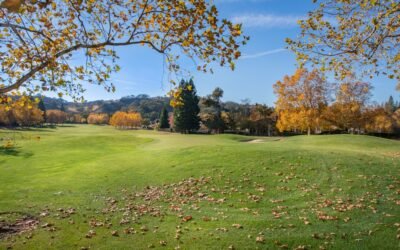
- What to expect: The star of the show in autumn is the foliage. The trees surrounding Kemaliye turn vibrant shades of red, orange, and yellow, creating a breathtaking panorama. The Karasu River is often calmer, and the hiking trails are at their most pleasant without extreme heat.
Late Autumn & Winter (November-March): The Quiet Respite
This period offers a starkly different Kemaliye experience, characterized by cold temperatures and a lot less activity.
- Temperatures: Winter is cold, with daytime temperatures often hovering around freezing or slightly above (0-10°C / 32-50°F). Nights can drop well below freezing, potentially reaching -10°C (14°F) or even colder. Snowfall is common and can be significant.
- Rainfall: Precipitation will be in the form of snow for most of this period.
- Sunshine: While you can get sunny winter days, they are often short and the sun is low in the sky. Overcast skies and snow are more frequent.
- What to expect: Kemaliye transforms into a winter wonderland with snow-covered mountains and a serene, quiet atmosphere. Many outdoor activities like rafting will be impossible. Roads can sometimes be affected by snow, requiring careful planning for travel. This is the time for experiencing local life without the tourist buzz and potentially finding lower accommodation prices. However, be prepared for limited opening hours for some businesses and attractions.
2. Navigating the Crowds: When to Go for Peace or Buzz
Your tolerance for crowds will significantly influence the best time for you to visit Kemaliye. It’s directly linked to the seasons and local holidays.
Peak Season (Summer: June-August)
This is when Kemaliye is at its most popular, especially with domestic tourists flocking to escape the heat of other parts of Turkey and enjoy water sports.
- What to expect: You’ll find the town and its main attractions bustling with people. Accommodation can be more competitive and often requires booking in advance. Restaurants and popular viewpoints might be crowded.
- Pros: Lively atmosphere, all activities and tours are readily available, and the weather is reliably good for outdoor pursuits.
- Cons: Less tranquility, higher prices for accommodation and some services, and a need to book things well in advance.
Shoulder Seasons (Spring: April-May & Autumn: September-October)
These transitional periods offer a sweet spot between good weather and manageable crowds.
- What to expect: You’ll encounter a good mix of visitors. It’s busy enough to feel vibrant but not so crowded that it impedes your exploration. Attractions are usually open, and tours are readily available.
- Pros: Pleasant weather for sightseeing and outdoor activities, fewer crowds than summer, often more relaxed pace, and potentially better prices on accommodation than peak season.
- Cons: The weather can be slightly less predictable than mid-summer (more chances of rain in spring, cooler temperatures in late autumn). Some seasonal activities like higher-level hiking might be dependent on snowmelt or early snow.
Off-Season (Late Autumn & Winter: November-March)
If solitude is your priority and you don’t mind bracing the cold, this is the time.
- What to expect: Kemaliye becomes very quiet. You might have popular sites almost to yourself. Many tourist-focused businesses might scale back their operations or close for the season.
- Pros: Very few tourists, the most authentic local experience, potentially the lowest accommodation prices, and a unique, serene winter landscape.
- Cons: Cold weather and potential for snow can limit outdoor activities and accessibility. Some restaurants, hotels, and tour operators may be closed. You’ll need to be very prepared for winter conditions.
3. Budgeting Your Trip: Cost Considerations by Season
Your travel dates can have a substantial impact on your overall trip expenses, from flights to accommodation and activities.
Summer (June-August): The Priciest Time
As the peak tourist season, summer generally sees the highest prices for most travel-related expenses.
- Accommodation: Hotels and guesthouses will be at their most expensive. Booking several months in advance is highly recommended to secure availability and potentially better rates.
- Flights & Transportation: Flight prices to nearby airports (like Erzincan or Elazığ) can be higher. Car rental rates might also be inflated due to demand.
- Activities: While the cost of many activities might not change drastically, the demand means that popular guided tours or boat trips could be fully booked, or you might be less able to negotiate prices.
- Food: Local restaurants’ prices tend to remain relatively stable, but popular spots might have longer wait times.
Spring (April-May) & Autumn (September-October): The Balanced Approach
These shoulder seasons typically offer a good balance of pleasant weather and more reasonable prices.
- Accommodation: You’ll likely find good deals on hotels and guesthouses, especially if you book a few weeks in advance. Prices are noticeably lower than in summer, and availability is generally good.
- Flights & Transportation: Flight prices tend to be more moderate. Car rental rates are usually standard.
- Activities: You can comfortably book most tours and activities without significant price hikes, and there’s often more flexibility in scheduling.
- Food: Enjoying local cuisine will remain affordable, and you’re less likely to face long waits at popular eateries.
Late Autumn & Winter (November-March): The Budget Traveler’s Haven
If you’re looking to stretch your travel budget as far as possible, this is your window, provided you’re prepared for the conditions.
- Accommodation: This is when you’ll find the lowest accommodation prices. Many places offer significant discounts to attract visitors during the quieter months.
- Flights & Transportation: Flights might be cheaper, especially if booked in advance, as demand is lower. However, consider that adverse weather could lead to flight delays or cancellations, so flexibility is key.
- Activities: Many water-based activities will be unavailable. However, for any available tours or guides, prices might be negotiable due to the lack of demand.
- Food: Prices remain consistent, but some establishments might have reduced hours or limited menus.
4. Outdoor Adventures: Weather’s Impact on Activities
Kemaliye is an outdoor enthusiast’s dream, but the weather can significantly shape your experience with its various activities.
Spring (April-May): River Rises and Trail Thaws
Spring brings a dynamic environment for outdoor pursuits.
- Karasu River Activities (Rafting, Boat Tours): The river is often at full flow due to snowmelt. This can make rafting thrilling but also potentially more challenging or even impossible on certain stretches depending on the exact conditions. Boat tours should be available but check for water levels.
- Hiking and Trekking: Trails start to become accessible as snow melts. Lower elevation trails will be clear earlier, while higher mountain paths might remain snow-covered well into May. Wildflowers begin to bloom, enhancing the visual appeal. Be prepared for muddy sections and cooler temperatures.
- Photography: The emerging greenery, flowing rivers, and softer light offer fantastic photographic opportunities.
Summer (June-August): The Prime Time for Full Immersion
Summer is when Kemaliye’s natural playground is at its most accessible and enjoyable for a wide range of activities.
- Karasu River Activities: The river is at an ideal level for rafting and boat tours. The water is warm enough for you to enjoy extended periods on the water without feeling too cold. This is the peak season for these adventures.
- Hiking and Trekking: All trails are generally clear and accessible. The longer daylight hours mean you can embark on longer hikes. However, be prepared for the heat, especially on exposed trails. Carry plenty of water.
- Wildlife Watching: Animals are more active during the warmer months. Keep an eye out for local fauna in the surrounding hills.
- Paragliding (if available): The stable, warm air currents of summer are often ideal for paragliding, offering stunning aerial views of the canyon.
Autumn (September-October): A Photographer’s and Hiker’s Paradise
The crisp air and stunning colours make autumn exceptional for many outdoor pursuits.
- Karasu River Activities: The river is typically calmer, making it excellent for more relaxed boat tours and photography. Rafting might still be possible but can be less thrilling than in spring.
- Hiking and Trekking: This is arguably the best season for hiking. The cooler temperatures are perfect for long treks, and the autumn foliage adds an unparalleled beauty to the landscapes. Trails are clear.
- Photography: The golden hues of autumn foliage are a major draw. The clear skies and unique light create spectacular scenes for photographers.
Late Autumn & Winter (November-March): Limited but Unique Experiences
Winter brings a starkly different, yet potentially magical, outdoor experience, albeit a limited one.
- Karasu River Activities: Most water-based activities will be impossible due to freezing temperatures and the river potentially being partially frozen or too dangerous.
- Hiking and Trekking: Higher altitude hiking is dangerous and generally not recommended due to snow and ice. Lower elevation walks on clear days are possible, but you’ll need appropriate winter gear. Exploring the snow-covered landscapes can be beautiful but requires caution.
- Winter Scenery Appreciation: You can still appreciate the dramatic scenery, but it will be from viewpoints accessible by car or short, easy walks. The quiet, snow-covered environment offers a unique tranquility.
5. Local Events and Festivals: Adding Buzz to Your Visit
| Month | Weather | Crowds | Costs |
|---|---|---|---|
| April – June | Mild and pleasant | Low to moderate | Moderate |
| July – August | Warm and sunny | High | High |
| September – October | Cool and comfortable | Low to moderate | Moderate |
Timing your visit with local events can enrich your experience and offer a glimpse into Kemaliye’s culture. However, these also coincide with higher crowd numbers and prices.
Summer Festivals (June-August)
Summer is the most active period for cultural events and local gatherings.
- Karayolu Fest (Road Festival): While not strictly a festival, summer is when the historically significant Karayolu (Stone Road) is fully accessible and celebrated by visitors. Events might be organized around it.
- Local Village Festivals: Many villages in the surrounding region hold their own smaller festivals, often in July or August, celebrating local produce, music, and traditions. These are excellent opportunities for authentic cultural immersion.
- Concerts and Performances: The warmer weather sometimes encourages outdoor concerts or traditional folk music performances in and around Kemaliye.
Spring and Autumn: Quieter Cultural Pursuits
While not as packed with events as summer, these seasons offer opportunities for more intimate cultural encounters.
- Religious Holidays: Depending on the year, religious holidays like Ramadan or Eid al-Fitr might fall within these seasons. Experiencing these periods can be insightful, but be aware of potential closures or altered hours for some businesses and restaurants during fasting periods or public holidays.
- Art and Craft Demonstrations: You might find smaller, more ad-hoc demonstrations of local crafts in the shoulder seasons, offering a chance to interact with artisans.
- Historical Site Exploration: The focus in spring and autumn is often on exploring the historical sites and the rich architectural heritage of Kemaliye, which can feel like a cultural event in itself without large crowds.
Winter: A Time for Local Life
Winter in Kemaliye is primarily about experiencing the quiet, local way of life.
- Traditional Gatherings: While not advertised tourist events, you might have opportunities to witness or participate in more intimate local gatherings if you build connections or are invited.
- Focus on Heritage: The quiet allows for a deeper appreciation of Kemaliye’s historical buildings and its tangible cultural heritage without the distraction of large events.
6. Practicalities: Bridging the Gap Between Season and Experience
Beyond weather, crowds, and costs, certain practical aspects can steer your decision about the best time to visit Kemaliye.
Accessibility and Transportation
- Summer & Shoulder Seasons: Roads are generally in good condition and easily navigable. Public transportation options (buses) are frequent to and from larger cities like Erzincan. Car rentals are readily available.
- Winter: Snowfall can impact road conditions. Some mountain passes might be temporarily closed, and driving requires caution and potentially winter tires. Public transport might be reduced. It’s crucial to check local road reports and transport schedules. If you rely on a car, ensure it’s equipped for winter conditions.
Availability of Services (Hotels, Restaurants, Tours)
- Summer: Everything is in full swing. You’ll have the widest choice of accommodation, restaurants, and tour operators. Booking ahead is essential.
- Shoulder Seasons: Most services will be operational. You’ll have good availability but might not need to book months in advance. Some smaller, seasonal operations might begin winding down towards late October.
- Winter: Many tourist-oriented hotels and restaurants will be closed or have reduced hours. Tour operators might not be running, especially water-based activities. If you plan to visit in winter, confirm operating hours and availability for essential services before you go. It’s often more of a self-guided experience focused on the landscape.
Packing Considerations
- Spring: Layers are key. Expect mild to cool days, chilly nights. Waterproof jacket, comfortable walking shoes.
- Summer: Light clothing, sun protection (hat, sunscreen, sunglasses). Warmer layer for evenings. Swimwear if planning water activities.
- Autumn: Similar to spring but leaning towards cooler. Consider a slightly warmer jacket, scarves. Waterproof shoes are still good.
- Winter: Serious winter gear. Thermal base layers, warm sweaters, a heavy, waterproof and windproof outer coat, hat, gloves, sturdy waterproof boots with good grip, and possibly thermal socks.
Visa and Travel Documents (if applicable)
This aspect is year-round but worth a mention. Ensure your passport is valid and check if you need a visa for Turkey well in advance of your travel dates, regardless of the season.
Ultimately, the “best” time to visit Kemaliye is subjective. If you crave adventure and don’t mind the buzz, summer is your go-to. For a balance of good weather and fewer people, opt for spring or fall. And if you seek solitude and a unique winter landscape, be prepared for the cold and plan meticulously for the off-season. Whichever you choose, Kemaliye’s magic awaits.
FAQs
1. What is the best time to visit Kemaliye, Erzincan in terms of weather?
The best time to visit Kemaliye, Erzincan is during the spring and autumn months, specifically from April to June and September to October. During these times, the weather is mild and pleasant, making it ideal for outdoor activities and sightseeing.
2. When is the peak tourist season in Kemaliye, Erzincan?
The peak tourist season in Kemaliye, Erzincan is during the summer months, from July to August. During this time, the town experiences an influx of tourists, leading to crowded attractions and higher accommodation costs.
3. What is the off-peak season in Kemaliye, Erzincan?
The off-peak season in Kemaliye, Erzincan is during the winter months, from December to February. During this time, the town experiences fewer tourists, lower accommodation costs, and the opportunity to experience the beauty of the region covered in snow.
4. How does the cost of visiting Kemaliye, Erzincan vary throughout the year?
The cost of visiting Kemaliye, Erzincan varies throughout the year, with higher costs during the peak tourist season in the summer months. Accommodation, transportation, and dining expenses are generally higher during this time. In contrast, visiting during the off-peak season in winter can result in lower costs.
5. What are the main factors to consider when planning a visit to Kemaliye, Erzincan?
When planning a visit to Kemaliye, Erzincan, it is important to consider the weather, tourist crowds, and costs. Choosing to visit during the spring or autumn months can provide a balance of favorable weather, fewer crowds, and reasonable costs for accommodation and activities.