Honaz, Denizli is generally at its best in the shoulder seasons – think late spring (April-May) and early autumn (September-October). This is when you’ll hit that sweet spot of pleasant weather, manageable crowds, and reasonable prices. While summer (June-August) offers guaranteed sunshine, be prepared for much higher temperatures and more tourists. Winter (November-March) can be quiet and beautiful, but you’ll need to contend with colder weather and fewer services.
1. Weather: Finding Your Perfect Temperature
Let’s be honest, good weather can make or break a trip. Honaz, nestled in an inland region of Turkey, has a Mediterranean climate, but with a bit more continental influence than coastal areas. This means definite seasons, which is great for variety but also means you need to pick your time wisely.
Spring: Mild and Inviting
April and May are glorious. The winter chill has vanished, and the sweltering heat of summer hasn’t quite arrived.
- Temperatures: Expect daytime highs comfortably in the high teens to mid-twenties Celsius (60s to high 70s Fahrenheit). Evenings are cool but pleasant, rarely dipping below 10°C (50°F).
- Rainfall: While the occasional shower isn’t uncommon, especially in April, heavy, prolonged rain is rare. It’s usually just enough to keep the landscape verdant.
- Sunshine: Long, sunny days are the norm, perfect for exploring the natural beauty around Honaz, like the Honaz Dağı National Park.
- What to Pack: Light layers are your friend. Think t-shirts, a light jacket or cardigan for evenings, and comfortable walking shoes. Maybe a small umbrella just in case.
Summer: Hot and Sunny (Very Sunny!)
June, July, and August bring classic Mediterranean summer heat. If you love scorching sunshine and don’t mind the heat, this is your season.
- Temperatures: Be prepared for substantial heat. Daytime temperatures often soar into the low to mid-30s Celsius (high 80s to over 90°F). July and August can sometimes push even higher. Evenings cool down, but it can still be warm and humid.
- Rainfall: Practically non-existent. You can pretty much guarantee dry days.
- Sunshine: Abundant, relentless sunshine. Great for sun worshippers, but remember your sun protection.
- What to Pack: Lightweight, breathable clothing; hats; sunglasses; high SPF sunscreen; and a reusable water bottle to stay hydrated. Think linen, cotton, and loose-fitting items.
Autumn: Gently Fading Summer
September and October offer a beautiful transition. The intense summer heat begins to subside, but the warmth lingers, and the crowds thin out.
- Temperatures: September is still very warm, often in the high 20s Celsius (low 80s Fahrenheit), gradually cooling to the low 20s (70s Fahrenheit) by October. Nights become pleasantly crisp.
- Rainfall: Similar to spring, you might get an occasional shower, especially later in October, but generally, it’s dry and sunny.
- Sunshine: Plenty of sunshine, but with a softer, less harsh quality than in peak summer. The light is fantastic for photography.
- What to Pack: Similar to spring – layers are key. You might still want shorts and t-shirts for daytime in September, transitioning to long sleeves and light trousers in October, along with a jacket.
Winter: Cool and Quiet
November to March sees Honaz entering its cooler, quieter phase. If you’re looking for solitude, dramatic landscapes, and don’t mind bundling up, this could be an interesting time.
- Temperatures: Daytime temperatures range from single digits to low teens Celsius (40s-50s Fahrenheit). Nights can drop below freezing, especially in January and February.
- Rainfall: This is the wettest period, with more frequent rain. Snow isn’t unheard of, particularly on higher elevations of Honaz Dağı, adding a magical touch.
- Sunshine: Days are shorter, and sunshine can be intermittent, interspersed with cloudy or rainy periods.
- What to Pack: Warm layers are essential – a good winter coat, sweaters, hats, scarves, gloves, and waterproof shoes or boots.
2. Crowds: Avoiding the Rush
Nobody wants to feel like a sardine on holiday. Honaz isn’t as internationally famous as some coastal resorts, but proximity to Pamukkale means it still experiences fluctuations in visitor numbers.
Peak Season: Summer Swarm
June, July, and August are when tourist numbers are at their highest.
- Pamukkale Impact: As Honaz is so close to Pamukkale, the influx of visitors to that world-famous site inevitably spills over. Expect larger crowds at popular attractions.
- Local Events: Turkish families often take their holidays during this period, adding to local bustling atmosphere.
- Accommodation: Hotels and guesthouses can be fully booked, especially around weekends, and prices will be at their highest.
- Restaurants: Some popular spots might have wait times, especially in the evenings.
Shoulder Seasons: Just Right
April-May and September-October offer the best balance of good weather and fewer people.
- Comfortable Sightseeing: You’ll find attractions less crowded, allowing for a more relaxed and reflective experience.
- Hiking Pleasures: Trails in Honaz Dağı National Park are more enjoyable without throngs of people.
- Local Interaction: With fewer tourists, locals might be more relaxed and have more time for conversation.
- Accommodation: Easier to find good deals and more choice. Booking a bit in advance is still a good idea, especially for specific guesthouses.
Off-Season: Serene Solitude
November to March is the quietest time.
- Almost Empty: You might find yourself the only visitor at certain attractions, offering a truly unique perspective.
- Some Closures: Be aware that some smaller businesses catering primarily to tourists might have reduced hours or even close for the winter. Always check ahead.
- Authentic Experience: This is a fantastic time to observe local life without the tourist veneer.
3. Costs: Stretching Your Lira Further
Your budget often dictates when and how you travel. Honaz, while generally affordable, shows price fluctuations matching demand.
Peak Season: Premium Prices
Unsurprisingly, summer is the most expensive time to visit.
- Accommodation: Expect the highest rates for hotels, guesthouses, and any short-term rentals. Booking well in advance is crucial to secure your preferred options and potentially mitigate some of the cost.
- Flights (if applicable): If you’re flying into Denizli Çardak Airport (DNZ), flight prices during the summer months will also be at their peak.
- Car Rental: Similar to accommodation, car rental rates will be higher due to increased demand.
- Excursions: Organized tours to Pamukkale or other local sights might see a slight price increase, though local transport options remain very affordable.
- Food: While general restaurant prices for local food don’t fluctuate dramatically, any tourist-focused establishments might charge a bit more.
Shoulder Seasons: Best Value
April-May and September-October consistently deliver the best value for money.
- Accommodation: You’ll find more competitive pricing and better deals. Hotels often offer discounts or packages to entice visitors.
- Flights: Flight prices are generally more reasonable than in summer, but still higher than in the dead of winter.
- Car Rental: Better rates and more availability for rental cars.
- General Expenses: Most daily expenses, like food and local transport (dolmuş), remain stable and affordable. This is the sweet spot if you’re looking for a comfortable trip without overspending.
Off-Season: Budget-Friendly (with caveats)
Traveling in winter can be the cheapest option, but you need to weigh the potential savings against other factors.
- Accommodation: You’ll likely find the lowest hotel rates and plenty of availability, making it ideal for budget travelers focused on cost savings.
- Flights: Flights to Denizli will be at their lowest.
- Car Rental: Similarly, car rental deals are plentiful.
- Reduced Services: The caveat here is that some tourist-oriented businesses might be closed, limiting your options for dining or activities. So, while individual costs are low, your choices might be fewer. Ensure you check opening times for anything specific you want to do.
4. Activities & Events: Making the Most of Your Trip
Honaz offers a blend of natural beauty, hiking, historical intrigue, and proximity to major attractions. The best time to visit often depends on what you plan to do.
Hiking and Nature Exploration: Shoulder Seasons Reign Supreme
The Honaz Dağı National Park is a major draw, and the weather needs to be just right for enjoyable exploration.
- Spring (April-May): The landscape is lush and green from winter rains, wildflowers are blooming, and the air is crisp. It’s perfect for long hikes without the risk of overheating. Waterfalls will be at their most impressive.
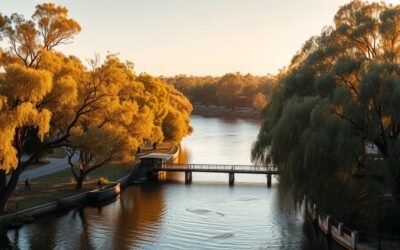
- Autumn (September-October): While the intense green might have faded a bit, the autumn colours can be stunning. The air is still warm, but the sun is less intense, making for comfortable walking.
- Summer (June-August): Unless you’re an early bird or a late afternoon hiker, summer can be too hot for strenuous activity, especially on exposed trails.
- Winter (November-March): Hiking is possible, but you’ll need appropriate gear for colder temperatures and potential muddy trails or even snow at higher elevations. Some trails might be less accessible.
Historical & Archeological Sites: Enjoyable Year-Round (Mostly)
Proximity to Pamukkale and Hierapolis means these iconic sites are a must-see.
- All Seasons: Pamukkale and Hierapolis are open year-round.
- Spring & Autumn: Offer the most comfortable conditions for exploring these vast sites on foot. You won’t be battling extreme heat or large crowds.
- Summer: Visiting Pamukkale in summer means dealing with potentially scorching temperatures on the white travertine terraces. Go early in the morning or late in the afternoon to avoid the midday sun and peak crowds. Remember your sunglasses – the glare off the white calcium can be intense!
- Winter: You might have these sites almost to yourself, offering a more serene experience, but be prepared for chillier temperatures. The pools might feel a bit too cold for a dip for some.
Local Life & Festivals: Check the Calendar
Honaz hosts various local festivals and events throughout the year, many of which are tied to agricultural cycles.
- Summer: Village festivals and harvest celebrations are more common during the warmer months, often involving traditional music, food, and dance. These are wonderful opportunities to experience authentic Turkish culture.
- Religious Holidays: Islamic holidays (like Eid al-Fitr and Eid al-Adha) are based on the lunar calendar, so their dates shift annually. These times bring a unique atmosphere, often with special family gatherings and local events, but some services might be closed on the actual holiday days.
- Farmer’s Markets: Honaz has a regular local market, offering fresh produce and local goods. These typically run year-round, but spring and autumn offer the freshest seasonal variety and the most pleasant browsing conditions.
5. Personal Preferences: What Matters Most to You?
Ultimately, the best time to visit Honaz boils down to what you prioritize in a travel experience. Think about these questions:
Are You a Sun Worshipper or a Shade Seeker?
- Sun Worshippers: Head straight for June-August. You’ll get guaranteed sunshine and high temperatures. Perfect for lounging by a pool (if your accommodation has one) and soaking up UV rays.
- Shade Seekers: Spring or autumn are your best bet. You’ll still get plenty of sunshine for sightseeing, but without the oppressive heat, allowing for more comfortable exploration during the day.
Do You Love Bustling Crowds or Quiet Escape?
- Bustle Lovers: Summer brings a lively atmosphere, especially around Pamukkale. If you enjoy the energy of a busy tourist destination, this is your time.
- Quiet Seekers: Shoulder seasons (April-May, September-October) offer a good balance, while winter promises genuine solitude. If you want to connect with nature, enjoy peaceful village life, and have historical sites largely to yourself, consider the off-season.
Is Budget Your Top Priority?
- Tight Budget: Winter will offer the lowest prices for flights and accommodation. Just be mindful of potential weather challenges and reduced services.
- Mid-Range Budget: Shoulder seasons are ideal. You’ll get a great balance of good weather, manageable crowds, and reasonable prices without feeling like you’re constantly compromising.
- No Holds Barred: Summer offers the widest range of services and activities, but at the highest price point.
What Activities Are On Your Must-Do List?
- Hiking/Nature: Spring and autumn are unparalleled.
- Thermal Pools (Pamukkale): Can be enjoyed year-round, but less refreshing in winter and potentially too hot if the sun is too strong in summer.
- Cultural Immersion: Available year-round, but specific festivals are seasonal.
- Photography: Spring and autumn offer the softest, most beautiful light. Winter can offer dramatic, moody skies.
By considering these factors, you can align Honaz’s seasonal offerings with your ideal trip vision, ensuring a truly memorable experience.
FAQs
1. What is the best time to visit Honaz, Denizli in terms of weather?
The best time to visit Honaz, Denizli is during the spring (April to June) and fall (September to November) when the weather is mild and pleasant. Summers can be hot and dry, while winters can be cold and rainy.
2. When is the peak tourist season in Honaz, Denizli?
The peak tourist season in Honaz, Denizli is during the summer months (July and August) when the weather is hot and dry. This is also when the crowds are at their highest and prices for accommodations and activities are at their peak.
3. When is the off-peak tourist season in Honaz, Denizli?
The off-peak tourist season in Honaz, Denizli is during the winter months (December to February) when the weather is cold and rainy. This is also when the crowds are at their lowest and prices for accommodations and activities are at their lowest.
4. What are the average costs of visiting Honaz, Denizli during the peak tourist season?
During the peak tourist season, the costs of visiting Honaz, Denizli are higher due to increased demand. Accommodation prices, transportation costs, and activity fees are all at their highest during this time.
5. What are the average costs of visiting Honaz, Denizli during the off-peak tourist season?
During the off-peak tourist season, the costs of visiting Honaz, Denizli are lower due to decreased demand. Accommodation prices, transportation costs, and activity fees are all at their lowest during this time.