


If you’re planning a trip to Tweed Heads, you’ll want to time it so the weather, crowds and prices all work in your favour. Visit in the shoulder months and you’ll enjoy low‑20s°C days, calm seas for swims and walks, and far fewer tourists than the summer rush. Pick the right week and you can save a third on accommodation — but there are trade‑offs worth considering before you book. Knowing the best time to visit Tweed Heads New South Wales helps you plan around weather, crowds, and budget.
Also compare: Forster, New South Wales.
Key Takeaways
- Visit in shoulder seasons (Apr–May, Sep) for mild weather, fewer tourists, and lower accommodation prices.
- Peak summer (Dec–Feb) offers warm seas and lively beaches but higher crowds, rates, and brief intense rain showers.
- Off‑peak winter (Jun–Aug) delivers cool, quiet beaches, lower weekday rates, and excellent whale‑watching from headlands.
- Book early for school holidays, festivals, and surf competitions to avoid price spikes and sold‑out rooms.
- Check tide and swell forecasts: calm seas suit swimming and families; strong surf needs experienced surfers and caution.
Best Time to Visit Tweed Heads : Quick Seasonal Verdict
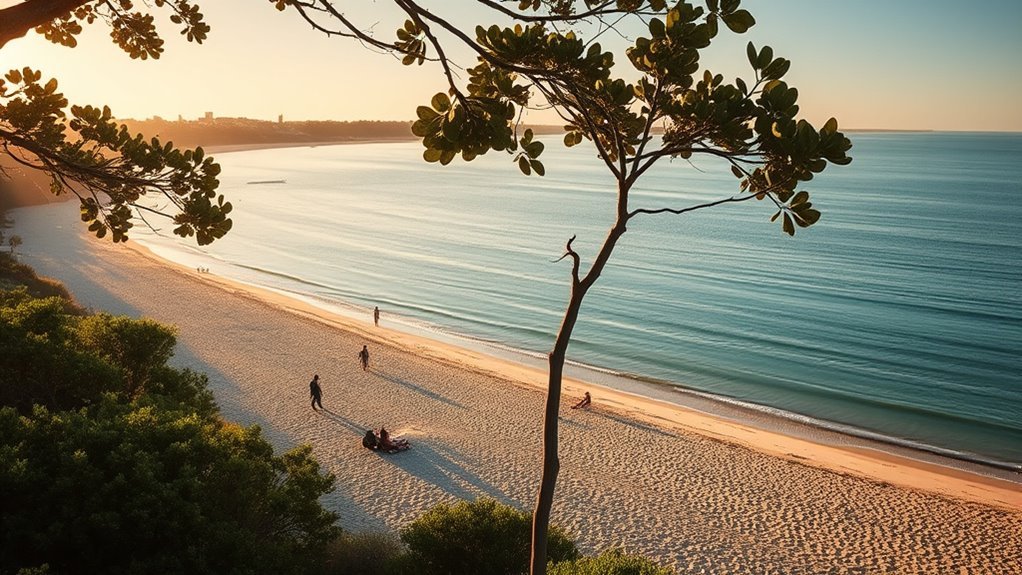
Even if you’re chasing warm ocean swims, calmer crowds, or lower prices, Tweed Heads has a clear sweet spot: aim for late spring to early autumn (October–March) for the warmest, sunniest weather and the best beach conditions, and consider shoulder seasons—April–May and September—for milder temperatures, fewer tourists, and better-value accommodation.
You’ll find freedom in choosing days that match your energy: long, bright afternoons for surfing and sunbathing; balmy evenings for seaside walks and open-air dining.
Shoulder months let you move through town with room to breathe, catch local cultural festivals without the crush, and score deals on stays.
If you crave nature, plan mornings for wildlife spotting along riverbanks and coastal reserves when animals are most active.
Rain peaks in late summer, so factor short, heavy showers into wild plans.
Choosing the Best Time to Visit Tweed Heads
When you pick a time to visit Tweed Heads, think about trade-offs between sunny peak-season weather and quieter, cheaper off-peak months.
If you want warm ocean swims, buzzing markets and festival energy, aim for the high season when days are long and bright.
If you prefer lower prices, fewer crowds and gentler weather, the shoulder and off-peak periods will reward you.
Peak Season Weather
Because Tweed Heads basks in a subtropical climate, peak season—typically from December to February—brings warm, humid days, lively surf, and long golden evenings that invite beach walks and waterfront dining.
You’ll feel energized by steady sea breezes as tide cycles sculpt the sand, exposing rock pools at low tide and delivering fuller waves for surfers at high tide.
Daytime highs often sit in the high 20s to low 30s°C, and the UV index spikes—so you’ll wear broad protection and chase shade between explorations.
Rain comes in brief, dramatic bursts, washing the air clean and boosting tropical greenery.
Nights are balmy, nightlife hums, and you can move freely between coastal escapes and riverside cafes, savoring the liberating pulse of summer.
Off-Peak Savings
After the summer buzz fades, you’ll find Tweed Heads takes on a quieter, more affordable rhythm that makes visiting outside peak months especially appealing.
You can breathe easier: hotels drop rates, beaches feel private, and you’ll move freely without crowds.
Savvy travelers use budget transport to stretch savings, hopping buses or sharing rides to hidden coves and markets.
Off-peak also reveals authentic local festivals where you connect with community spirit rather than tourist routines.
- Book midweek stays — lower room rates and calmer streets.
- Choose budget transport — buses and rideshares open up remote beaches affordably.
- Time visits with local festivals — enjoy concerts, food, and crafts without the summer crush.
You’ll leave feeling lighter, richer, and more liberated.
How Weather in Tweed Heads Affects Surfing, Swimming & Walks
If you time your visit right, Tweed Heads’ weather will shape every ocean activity you pick—from the size and safety of surf breaks to how warm the water feels for a swim and whether beachfront walks are sunlit or wind-lashed. You’ll read the swell, respect surf safety, and use tide timing to choose breaks that match your skill. Cooler, calmer days mean gentle swims and languid walks; windy fronts carve dramatic surf and salt-stung faces as you stride the headland. When storms clear, surf can blossom—inviting risk and reward—so you’ll check forecasts, flags, and local advice before paddling out. Low tide reveals rock pools and hidden sandbanks; high tide brings fuller waves and deeper shorelines for swimming. Walks along the river mouth are liberating at dawn, when light and wind align. Embrace the elements, plan around conditions, and the coast will return your boldness with safe, memorable ocean moments.
| Condition | Best Action |
|---|---|
| Calm sea | Swim, easy walks |
| Moderate swell | Surf, cautious swims |
| Strong winds | Headland walks |
| Incoming tide | Check tide timing |
| Storm clearing | Experienced surfing only |
Summer (Dec–Feb) in Tweed Heads: Weather, Crowds & Beaches
When summer arrives in Tweed Heads, you’ll find long sunny days, warm seas and a lively beach scene that’s equal parts relaxed and bustling; afternoons often bring onshore breezes that freshen the air and kick up surf for board riders.
You can chase freedom on golden sand, join crowds who celebrate the heat, and float in water that invites you to unwind. Be mindful: co wave safety matters — currents strengthen with afternoon winds, so stick to patrolled beaches and heed flags. Watch for signs about rips and follow lifeguards’ directions.
- Surf & Swim: Expect consistent, energetic breaks ideal for surfers; swimmers should choose guarded zones and respect rip channels.
- Crowds & Vibe: Popular spots fill by midday; seek quieter coves at dawn or late afternoon to reclaim space.
- Wildlife Encounters: Enjoy sightings of local marine life from dolphins to small rays, but admire from a distance to protect their freedom and yours.
Pack reef-safe sunscreen and stay alert.
Autumn (Mar–May): Milder Weather, Fewer Crowds & Outdoor Tips
As the humidity eases and temperatures settle into comfortable highs, autumn in Tweed Heads invites you outdoors with milder days, cooler nights and dramatically clearer skies perfect for beach walks and hinterland hikes.
You’ll feel unburdened as crowds thin and costs often dip, giving you freedom to roam surf beaches, coastal trails, and hinterland lookouts without rushing.
Pack a light layer for brisk mornings and evenings; daytime sun still warms skin and encourages long seaside lunches or river paddles.
Check local listings for Autumn festivals that celebrate produce, music, and community — they’re intimate, spirited, and let you connect with place and people.
Birdwatchers and nature lovers will relish quieter reserves during peak wildlife migration, when shorebirds and migratory species pass through and you can witness it without jostle.
Bring binoculars, a reusable water bottle, and respect habitats: the season rewards slow exploration, mindful adventure, and the liberating calm of uncrowded coastal New South Wales.
Winter (Jun–Aug): Quiet Beaches, Cool Temps & Whale-Watching
Move from autumn’s mellow pace into winter’s quiet clarity, where cooler days and crisp mornings reshape the coastline.
You’ll find beaches emptied of chatter, a clean, bracing air that strips distractions away and lets you breathe.
Winter brings a steady pulse of whale migration offshore; you can watch massive backs arching against the horizon from clifftops or wrapped in a blanket on the sand.
Nights suit small gatherings — you can host modest beach bonfires where permitted, listening to waves and feeling free.
- Plan: bring layers, binoculars for distant spouts, and a thermos for long watches.
- Where to go: choose elevated headlands for the best whale migration views and calmer, uncrowded shorelines.
- Respect: follow local rules for beach bonfires, leave no trace, and keep distance from wildlife.
You’ll move slower, reclaim solitude, and witness nature’s rhythm without noise — winter here is a deliberate, liberating pause.
Spring (Sep–Nov): Best Balance for Families, Couples & Value
Because spring brings warming days, blooming coastal flora, and calmer seas, it’s the season that most visitors find the best balance between pleasant weather, activities for all ages, and wallet-friendly rates.
You’ll feel freed to explore—sunrise swims are tempting, trails smell of eucalyptus, and beaches invite lazy afternoons without peak-season crowds.
Families love the easygoing pace: playgrounds, tidal pools and family friendly festivals offer safe, colorful entertainment that keeps kids engaged while adults relax.
Couples find quiet coves and golden light for long walks, while budget-conscious travelers enjoy lower accommodation rates and fewer queues.
Seek out local food markets for fresh seafood, tropical fruit and artisan treats that make spontaneous picnics effortless.
Outdoor dining, paddleboarding and short nature hikes dominate the agenda, with enough calm for reading or simply being.
Spring in Tweed Heads gives you roomy, rejuvenating days—warm but not stifling—perfect if you want to travel light, breathe deep and reclaim your time.
Month-by-Month: Prices, Crowds, Events & Booking Lead Times
As you plan month by month, you’ll spot clear patterns in prices that rise with school holidays and slip back in quieter months.
Festivals, surf competitions and holiday weekends create predictable crowd peaks you can either chase or avoid.
Read on for a compact calendar of event-driven surges and recommended booking lead times so you can time your trip and budget confidently.
Monthly Price Trends
When you plan a trip to Tweed Heads, monthly price trends show clear rhythms tied to school holidays, local events and seasonal weather—so timing your booking can save you a lot. You’ll see cultural trends shaping accommodation pricing: winter weekdays often dip, shoulder months ease, and summer spikes demand higher nightly rates. Track months when surf and sun lure crowds, then book earlier to claim freedom from last‑minute premiums.
- January–February: peak rates, bundle early to avoid inflated rooms.
- March–May: softer prices, great for liberated travelers seeking value.
- June–August: lowest weekday rates, but watch weekend premiums near holidays.
Plan with intention, lock in the month that aligns with your wallet and wanderlust.
Event & Crowd Peaks
Having scoped monthly price rhythms, you’ll next want to map the calendar of events and crowd peaks that actually drive those rates—surf competitions, school holiday waves, and festivals can turn a quiet weekday into a booked-out scramble.
You’ll track big festival weekends when crowds swarm bars, beaches, and accommodation; these spikes push prices and demand shorter booking windows.
School holidays and summer long weekends fill family-friendly spots fast, while winter surf contests attract nomadic riders chasing perfect breaks.
Local markets, food fairs, and arts festivals draw daytime crowds and shift lodging patterns; you’ll book earlier for market weekends.
If you want freedom to roam, aim for shoulder months or book well in advance to secure choice stays and unhurried days.
Best Time To Visit Tweed Heads New South Wales: Frequently Asked Questions
Are There Visa or Entry Requirements for International Visitors?
Yes — you’ll usually need a valid visa; Australia’s visa policies vary by nationality, and you won’t face entry fees beyond visa charges. Check current visa policies, apply online, and prepare documents to travel freely and confidently.
What Are the Best Nearby Day Trips From Tweed Heads?
You’ll adore nearby day trips: epic coastal walks at Kingscliff and Byron, wine tasting in the Tweed Valley hinterland, exploring Mount Warning’s sunrise, and cruising the Currumbin Wildlife Sanctuary—liberating, vivid escapes that revive your adventurous spirit.
Is Public Transport Reliable for Getting Around Tweed Heads?
Yes — you can rely on local transport; buses and trains run reasonably often, transport costs stay moderate, and schedule reliability’s decent, so you’ll move freely, plan confidently, and reclaim travel time for bold, liberating exploration.
Where Are the Best Family-Friendly Accommodations Located?
Imagine a sunscreen-splotched fortress of sandcastles — you’ll find family friendly resorts tucked near beaches, and liberating beachside lodges along the foreshore. You’ll relax, kids’ll roam, and you’ll reclaim holiday freedom together.
Are There Any Seasonal Pests or Health Advisories to Worry About?
Yes — you’ll face seasonal mosquito surges and occasional jellyfish; heed pest alerts and local health warnings, pack repellent, swim between flags, stay liberated by preparing, trusting guidance, and protecting your family’s freedom to explore safely.
Conclusion
Visit Tweed Heads in shoulder seasons—April–May or September—to enjoy low‑20s°C days, calm seas, and far fewer tourists; it’s the sweet spot between weather and value. You’ll save 30–40% on stays, walk uncrowded beaches, and still swim or surf when you like. If you want absolute quiet or whale watching, try early June or late August. Plan like a pro and you’ll hit the nail on the head for a perfect, relaxed escape.




[…] our seasonal guides to New South Wales, Australia and Tweed Heads, New South Wales when choosing other stops in New South […]