You’ll find calm mornings, you’ll find lantern-lit evenings, and you’ll find fewer crowds to share them with. In Forster, May–July lets you stroll near-empty beaches in cool, pleasant air, paddleboard at sunrise without interruption, and dine by soft light while prices ease—yet there’s still more to contemplate about swimming seasons, peak holiday surges, and who each month suits, so keep going to match the timing to what you want.
Compare our seasonal guides to New South Wales, Australia and Sydney, New South Wales when choosing other stops in New South Wales.
Key Takeaways
- March–May offers mild weather, golden light, low crowds, and lower prices—ideal for couples and relaxed sightseeing.
- December–February gives warm sea temperatures, lively markets, festivals, and busy beaches—best for families and swimming.
- June–August is quiet and inexpensive, perfect for solitary coastal walks, cozy cafés, and budget travel.
- August–October is surf‑peak with clean offshore swells, competitions, and good off‑peak accommodation rates for surfers.
- Dawn and weekdays across seasons have the fewest people and best access to beaches, parking, and paddleboarding.
Quick Take: Best Time to Visit Forster
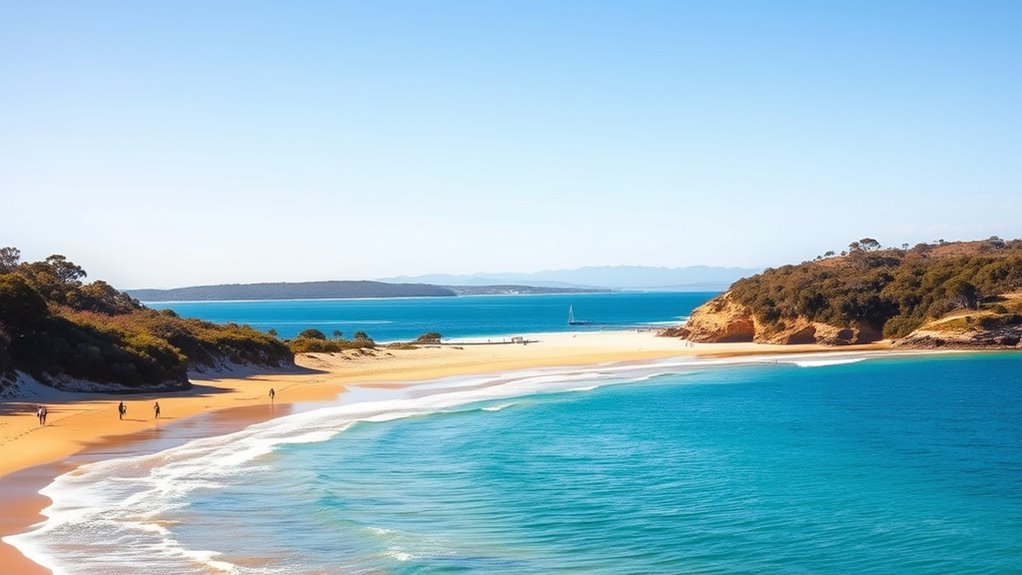
Wondering when to go? You’ll find Forster’s invitations change with the seasons: spring and autumn balance mild weather, thinner crowds, and cheaper stays, so you can wander beaches and troughs of dune grass without trading peace for popularity.
Summer hums with life—markets, localastal festivals, and long evenings that stretch into spontaneous dinners—if you crave communal energy and don’t mind paying a premium.
Winter’s quiet is its own gift: you’ll have coastal walks and lookout points to yourself, and you’ll taste Forster’s heartier local cuisine in cozy cafés that double as social havens.
Choose based on what you need: freedom from crowds, social connection, or restorative solitude.
Pack light layers, a sense of curiosity, and plans that leave room for serendipity.
That way, you get weather that matches your mood, costs that fit your budget, and the kind of trip that feels like reclaiming time.
Best Months for Swimming & Boating in Forster (Dec–Feb)
In summer, the water’s at its warmest and you’ll be tempted to stay in until sunset as temperatures peak.
Expect busier boat ramps and packed patrolled beaches, so plan around peak holiday weeks or arrive early for a quieter spot.
Facilities—from public showers to kayak hire—are in full swing, making it easy to jump straight into the water.
Water Temperature Peaks
When summer rolls in and the mercury climbs, Forster’s waterways become inviting warm rather than merely tolerable, peaking from December through February when ocean and estuary temperatures sit at their year-round highs.
You’ll feel the difference immediately—the sea wraps you in a soft, buoyant warmth that frees you from bulky wetsuits and hesitation.
Swim at dawn to catch glassy, golden water; paddle later to trace shimmering channels where marine life silhouettes glide beneath.
Respect local tide cycles for safe currents and easier launches.
Water temps commonly range in the low to high 20s°C, perfect for long swims, snorkeling, and relaxed afternoons on a boat.
Let the warmth dissolve constraints; plan short, smart outings and linger in salt‑sweet freedom.
Crowds And Facilities
How busy does Forster get at the height of summer? You’ll find bustling beaches and lively boat ramps from Dec–Feb, but freedom’s still yours if you plan. Peak crowds cluster 10am–4pm; arrive early for best facility access and quieter coves. Lifeguards patrol main beaches, showers and toilets stay open, and small cafés hum with salt-bright conversation. Parking availability tightens near Main Beach and One Mile; look for side streets or park-and-walk spots. If you want solitude, paddle the river at dawn or chase hidden inlets by kayak—boats launch from calm ramps when tide and wind align. These practical rhythms help you claim space, move freely, and enjoy Forster on your terms.
| Time | Crowd Level | Tip |
|---|---|---|
| Dawn | Low | Paddle |
| Morning | Rising | Arrive early |
| Midday | High | Use facilities |
| Afternoon | High | Expect queues |
| Evening | Moderate | Stroll |
Mild Weather Months With Fewer Crowds (Mar–May & Sep–Nov)
In March to May and again from September to November, you’ll find warm mornings and crisp evenings that make coastal walks and bike rides feel effortless.
Fewer visitors mean quieter beaches and shorter waits at cafes, so you can actually enjoy the view instead of jostling for it.
Expect better accommodation rates too, so you can upgrade your stay without stretching your budget.
Pleasant Temperatures Daily
Although you’ll miss the peak-summer heat, visiting Forster in March–May or September–November rewards you with reliably pleasant days—warm enough for beach strolls and lakeside picnics, cool enough for a light jacket at dusk.
You’ll wake to soft light ideal for sunrise photography and unwind under expansive night skies that feel yours alone.
Temperatures usually sit in the comfortable high teens to low twenties Celsius, so you can move freely without sweating or bundling.
- Mild daytime warmth that invites walking and swimming.
- Cool evenings that make campfires, conversation, and stargazing sweeter.
- Stable conditions that keep plans flexible and spontaneous.
- Fewer extremes, letting you reclaim time and roam with ease.
Lower Visitor Numbers
When you visit Forster in the shoulder months of March–May or September–November, you’ll notice the town breathing a little easier — beaches feel like your own, cafés have spare tables, and popular walks are pleasantly uninterrupted.
You slip into a calmer rhythm: mornings for solitary ocean swims, afternoons for unhurried gallery browsing, evenings for starlit strolls with room to breathe.
Local cultural festivals pop up without the crush, letting you join in with intention rather than jostle for a spot.
Birdsong and quieter harbors amplify the sense of freedom as wildlife migrations paint horizons with movement instead of crowds.
You move through town on your terms, savoring space, timing, and the low-key hum that makes Forster feel truly yours.
Off-Peak Accommodation Deals
The quieter streets and uncrowded beaches of March–May and September–November also mean better deals on places to stay, so you can trade premium prices for roomier rooms and upgraded extras.
You’ll find boutique hotels and self-contained apartments offering flexible check-ins, complimentary breakfast, or late departures — perfect for stretching your days.
- Negotiate midweek rates at waterfront inns and secure upgrades.
- Look for package deals pairing budget dining vouchers with local tours.
- Book wellness retreats early for added treatments or private sessions.
- Choose self-catering units to save and eat like a local.
These months free you from crowds and cost pressure, letting you roam, save, and savor Forster on your own terms.
Peak Holiday Dates, Events, and How They Affect Crowds
Because school holidays and long weekends concentrate visitors into a few key weeks, you’ll find Forster at its busiest around late December to early January and during the October and April school breaks.
You’ll arrive to a town that hums: holiday festivals spill into streets, local markets brim with seafood, crafts, and sunburnt laughter. You move slower through crowds, but the energy’s contagious — live music, pop-up stalls, and kids chasing waves create a carnival rhythm.
Plan around flagship events if you value space and ease: book restaurants and whale-watching tours early, or aim for weekdays when the town exhales.
If you crave liberation from schedules, pick quieter mornings for the beaches and explore side streets where vendors still sell fresh produce.
Watch transport queues at peak times and expect limited parking near hotspots. Embrace the swell of people as part of the scene, but protect your freedom by timing activities off-peak within those busy windows.
Cheapest Months to Visit Forster (And How to Score Deals)
If crowds and festival noise aren’t your thing, you’ll find Far North Coast prices soften from late autumn through early spring — especially May, June and July — when cooler weather and quieter streets coax better hotel rates, discounted tours and weekday dining specials.
You can slip into town with a sense of freedom: empty beaches at dawn, cheaper ferries, and owners keen to negotiate. Use this season to stretch your budget and time.
- Book midweek stays and ask hotels for unpublished rates; weekdays draw deeper discounts.
- Hunt flight deals that arrive outside festival dates — local transport festivals swell fares, so avoid event calendars.
- Bundle tours focused on wildlife spotting in off-peak months; operators drop prices to fill small groups.
- Choose flexible cancellation and pay‑later options to capitalize on last‑minute promos.
Move deliberately, claim small bargains, and enjoy Forster on your own terms — quieter, cheaper, and unmistakably liberating.
Which Month Suits You: Families, Surfers, Couples
When you picture Forster through different lenses—sandy castles for kids, peeling waves for surfers, or lantern-lit dinners for couples—you’ll spot distinct months that make each version sing; summer brings long beach days and family‑friendly events, autumn mellows the surf and crispens the air for romantic walks, and late winter into spring delivers cleaner swells and quieter shores for both surfers chasing sets and couples craving solitude.
If you’re traveling with kids, aim for December–February: warm water, park‑side picnics, and family‑friendly festivals that keep little ones dazzled; book ahead to snag beachfront stays.
Surfers should target August–October when offshore winds and clearer swells converge, and surf competitions pop up—it’s liberating to chase a perfect set without summer crowds.
Aim for August–October: offshore winds, cleaner swells, surf comps, and quieter lineups—perfect for chasing that flawless set.
Couples seeking calm should pick March–May or late winter for golden light, near‑empty beaches, and intimate dinners.
Wherever you go, match your month to mood: energetic summers, contemplative autumns, or the focused clarity of pre‑spring swells.
Frequently Asked Questions
Are There Guided Wildlife Tours in Forster Year-Round?
Yes — you can join guideded tours in Forster year-round, but seasonal availability shifts: you’ll find more boat-based wildlife trips in warmer months, while winter offers quieter, intimate shore excursions and birdwatching opportunities.
What Public Transport Options Serve Forster From Major Cities?
About 4% of NSW travellers use coach links; you’ll catch XPT or regional rail connections to Taree then hop bus routes or direct coaches to Forster, letting you escape routine with scenic, independent, liberating travel choices.
Are There Restrictions for Drone Use Over Forster Beaches?
Yes — you can’t fly freely; you’ll need a drone permit for certain zones and must follow beach regulations, keep clear of people, wildlife and reserves, and respect no-fly areas to stay safe and preserve coastal freedom.
Is Tap Water Safe to Drink in Forster?
Yes — you can drink tap water in Forster; tap water safety is well maintained, drinking water quality meets standards, so trust local supply, savor clarity, and feel liberated drinking straight from the tap.
Where Are the Best Dog-Friendly Beaches Nearby?
Imagine a sunlit paw print leading you: you’ll love One Mile and Eleven Mile beaches for off-leash freedom, Tuncurry Rock Pool for calm swims, and nearby dog friendly cafés and pet friendly trails so you both feel liberated and adventurous.
Conclusion
Head to Forster in late autumn to early spring (May–July) and you’ll find mild days, empty mornings and wallet‑friendly rates — a quiet secret wrapped in sea breeze. You can paddleboard at dawn, stroll lantern‑lit beaches at dusk, and snag better accommodation deals without the summer crush. If you crave romance or smart savings, this is your sweet spot; plan flexibly, book midweek, and let the town’s gentle rhythm set your pace.