

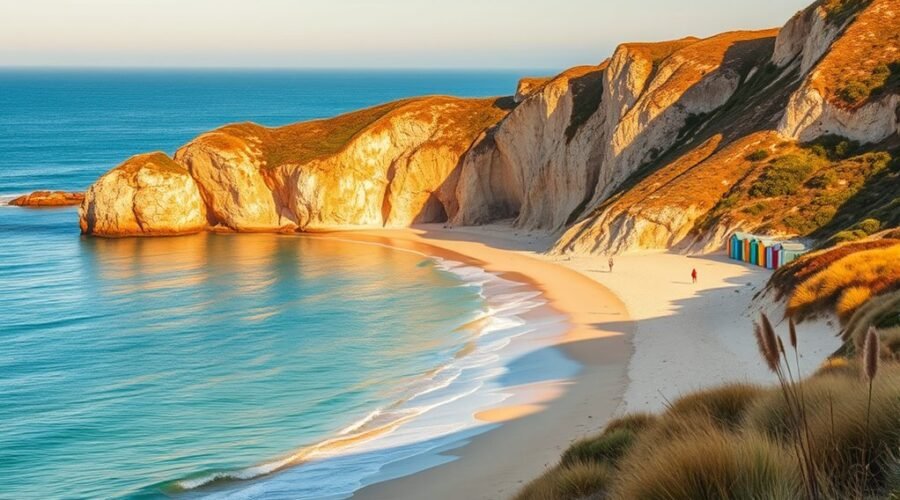
Warm sunshine and empty beaches sit beside brisk, misty mornings on the Mornington Peninsula, so choosing when to visit makes a big difference to what you’ll experience. Aim for late September to early November or late March to early May if you want mild days, fewer crowds and gentler prices; head into summer for lively beaches and festivals, or winter for solitude and cheaper stays. Keep going to match the month to your priorities. Knowing the best time to visit Mornington Peninsula Victoria helps you plan around weather, crowds, and budget.
Compare our seasonal guides to Victoria, Australia and Melbourne, Victoria when choosing other stops in Victoria.
Key Takeaways
- Oct–Mar offers best weather for beaches, wineries and outdoor activities, with warm, sunny days and late sunsets.
- Peak crowds and highest prices occur Dec–Feb and school holidays, so book accommodation 3–6 months ahead.
- Shoulder months (Sep–Oct, Mar–Apr) balance pleasant weather, fewer crowds, and lower costs—ideal for wineries and festivals.
- Winter (Jun–Aug) is cheapest, great for cozy cottages and surf watching, but expect cooler, wetter conditions.
- For family beach time choose Jan, for romantic winery escapes pick Mar–May, and for surf adventures aim May–Sep.
Best Months to Visit Mornington Peninsula: Quick Picks
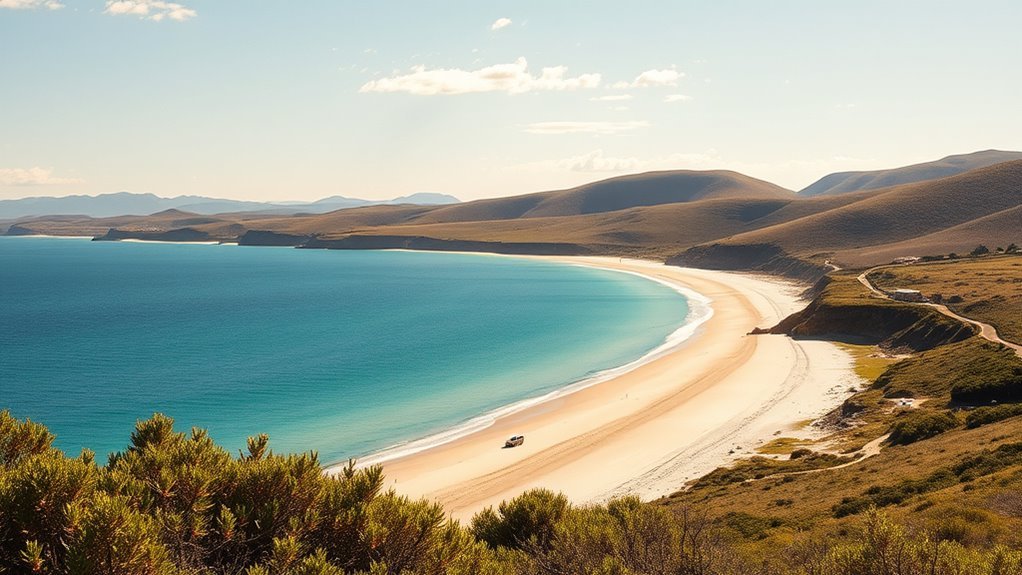
Spring through autumn (September to April) gives you the best balance of weather and activities on the Mornington Peninsula: mild, sunny days for beaches and wineries, blossoming gardens in spring, warm water and outdoor dining in summer, and crisp, quieter autumns perfect for coastal walks and cellar doors.
Spring to autumn (Sept–Apr) brings mild sunny days—beaches, wineries, gardens, warm seas and crisp coastal walks.
You’ll find peak months—October to March—offer luxuriant choices: beach time, vineyards buzzing, and late sunsets that stretch your sense of freedom.
If you crave fewer crowds and lower costs, aim for September–October or March–April when festivals and cellar doors feel intimate and local transport is easier to navigate.
For culture lovers, factor in heritage tours that reveal maritime stories and historic homesteads; they’re often scheduled in spring and autumn.
If you want lively community energy, late summer hosts food events and local transport festivals that fuse mobility with celebration.
Pick months that match your mood—repose, revelry, or exploration—and you’ll leave the peninsula feeling unburdened and renewed.
Mornington Peninsula Weather by Month : Temps, Rain, Sea & Packing
While the Mornington Peninsula shifts noticeably through the year, you’ll find each month has its own predictable blend of temperature, rainfall, sea conditions and packing needs—cool, brisk winters with shorter days call for layers and waterproofs; mild springs demand a light jacket plus an umbrella; summers get warm and sun-drenched, so bring swimwear, sunscreen and a hat; and autumn cools into crisp, windier days ideal for a windbreaker and sturdy shoes for coastal walks. You’ll plan by month: January is hot and clear for sunrise photography and long swims; April brings golden light, cooler seas and excellent coastal walks; July is chilly, wet and soul-cleansing with raingear and thermals. Pack versatile layers, a shell for wind, sturdy boots for cliff tracks, and a compact umbrella. Keep binoculars handy for local wildlife spotting at dawn and dusk. Below’s a simple monthly snapshot to free your choices and help you travel lighter and bolder.
| Month | Temp | Sea/Rain |
|---|---|---|
| Jan | 20–26°C | Warm, low rain |
| Apr | 12–20°C | Cooling seas, moderate rain |
| Jul | 8–14°C | Cold, higher rain |
Crowds & Bookings: Peak Months and How to Secure Stays
Because the peninsula’s sun-soaked summers and long holiday weekends draw the biggest crowds, you’ll find accommodation books up fast from December through February and over Easter and school holidays.
Plan like someone claiming freedom: lock in stays 2–3 months ahead for weekends, 3–6 months for peak summer weeks. Use alerts, flexible dates, and off-peak check-ins to snag hidden gems. Blend ferries, trains and private transfers when making transport bookings so you control arrival times and avoid bottlenecks.
Crowd management on the ground is simple: rise early for quiet beaches, explore lesser-known coastal trails, and pick weekday wineries or late-afternoon cellar doors. Opt for farm stays or small B&Bs that limit guest numbers; they offer space to breathe and local tips for slipping past busy spots. If you crave spontaneity, keep one night flexible but carry a shortlist of backup properties and cancellation-friendly options. That way you roam free without getting caught in the crush.
Seasonal Costs: Accommodation, Food and Tours by Month
Curious how much you’ll spend across the year? You’ll see holiday price trends ripple through accommodation, dining and tours: January and school holidays spike rates for hotels and B&Bs, while shoulder months like March–May and September–October offer bargains and quieter streets.
Winter brings the lowest nightly rates, so you can reclaim time and money in cozy cottages.
Food costs follow the sea and soil — expect higher prices at beachfront eateries during peak season, and smart savings when restaurants roll out seasonal menu changes that spotlight local produce in autumn and spring.
Tour operators adjust too: summer boat and wildlife cruises cost more; weekday low-season departures are cheaper and more intimate.
Book early for festivals and long weekends, but be bold and flexible off-peak to unlock off-grid deals.
You’ll travel freer when you align dates with these cycles, balancing experience and expense to create the trip you truly want.
Beaches & Swimming: When the Water Is Warmest and Safest
When do the bay and open-coast waters warm enough for a comfortable swim? You’ll find bay beaches like Rye and Dromana reach pleasant temperatures from late December through March, when sun and shelter combine to soothe the sea.
The open-coast surf stays cooler longer; warm pockets appear in mid to late summer, but you’ll still feel that invigorating Atlantic-like edge that keeps you alert.
Plan swims around lifeguard schedules—patrolled hours run peak-season lifeguards from December to March on main beaches, and they post flags for safer zones.
Respect surf safety guidance: check conditions, swim between the flags, and avoid rip currents if the surf’s up.
If you crave freedom, morning swims reward you with solitude and softer water; afternoons bring warmth and community energy.
Trust the signs, the lifesavers, and your instincts—then slip into the water with confidence, tasting salt and sun as you claim a small, liberating piece of coastline.
Wineries & Food Events: Best Months for Cellar Doors and Festivals
After a morning by the sea, you’ll find the peninsula’s vineyards offer a different kind of warmth—sunlit rows, cellar doors that open to tastings, and seasonal food festivals that celebrate local produce.
You’ll want late spring through early autumn **(November–March) for peak cellar-door energy: vines are lush, outdoor tasting tables catch golden light, and guided wine tours run daily. Harvest crowds** pulse in late summer (February–March), when producers showcase new releases and you can join vintage-related events.
For a freer, less crowded vibe, aim for shoulder months (October and April) when wineries are open, staff are relaxed, and Food festivals spotlight local chefs without long queues. Winter tasting can be intimate but some small producers reduce hours.
Check winery calendars for marquee events—long lunches, pop-up dinners, and weekend festivals—and book your wine tours early for weekends. You’ll leave full of flavour, feeling unhurried and empowered to explore more.
Quiet-Season Itineraries: Low-Cost, Low-Crowd Escapes (May–Aug)
Although the beaches are cooler and some tourist spots slow their pace, May–August is the best time to savor a quieter, more affordable Mornington Peninsula—think empty coastal walks, cosy cafes with warming soups, and off-peak rates on B&Bs and tours.
You’ll carve your own rhythm: wake to steamed windows, lace up for budgetastal hikes along rugged cliffs where wind sharpens your senses, then warm up in small towns that feel like stolen secrets.
Explore historic villages with stone churches and antique shops, lingering without queues.
Stay in pared-back guesthouses or self-contained cottages and use local buses or bike routes to keep costs low.
Book midweek to snag lower tour prices and independent guides who’ll tell untold stories.
Evenings invite intimate meals by heaters, short drives to quiet lookouts, and reading by lamplight.
Gather for cosy meals beside heaters, drive to silent lookouts, then lose yourself in lamplit pages.
This season frees you from crowds and schedules, letting you travel lighter, breathe deeper, and discover the peninsula on your own terms.
Choose Your Month: Family, Couples, Surfers and Budget Travelers
If you want to match the peninsula’s mood to your trip—family-friendly paddling and playgrounds, romantic winery dinners, surf-and-sun adrenaline, or a shoestring escape—you’ll pick different months to get the best of each.
Plan family trips for December–January when warm seas, calm bays and Family friendly festivals fill town halls and parks; kids can splash at safe beaches while you toast sunset verandas.
Choose late autumn (March–May) for couples: cooler days, quieter cellar doors and foggy coastal walks set a sensual, uncluttered tempo.
Surfers chase swells in winter and early spring (May–September) —you’ll find Budget friendly surf spots along the rugged Bass Strait coastline and fewer crowds for freer lines.
If you want budget freedom, travel shoulder seasons (March–May, September–November) to snag accommodation deals, cheaper eats and open roads.
Match month to mood, pack light, and claim the peninsula on your terms — whether you crave playful family energy, intimate escapes, wild surf or thrifty adventure.
Best Time To Visit Mornington Peninsula Victoria: Frequently Asked Questions
Are Pets Allowed on Mornington Peninsula Beaches and in Accommodation?
Yes — you’ll find pet friendly beaches with seasonal restrictions and many pet friendly lodging options; plan ahead, obey signage, enjoy liberated seaside walks, and book tolerant hosts who welcome your companion for unfettered coastal freedom.
What Public Transport Options Connect Melbourne to the Peninsula?
Imagine catching the Stony Point train train from Frankston while a friend boards a ferry service at Sorrento; you’ll take V/Line or Metro trains to Frankston, then buses, taxis or the ferry service to explore the peninsula free.
Are There Accessible Walks and Facilities for Visitors With Mobility Needs?
Yes — you’ll find accessible trails, boardwalks and beach mat access; facilities include wheelchair friendly restrooms at major parks, cafes and piers. You’ll move freely, feel empowered, and enjoy coastal vistas without barriers.
When Are Local Markets and Farm-Gate Stores Typically Open?
Like clockwork, markets and farm-gate stores open weekends and weekday mornings, peaking in spring–summer; season opening often signals seasonal pricing shifts. You’ll wander liberated aisles, savoring fresh harvests and community buzz with every visit.
Is It Safe to Drive on Peninsula Coastal Roads at Night?
Yes — you can drive at night, but you’ll stay safer if you’re cautious: night‑driving along coastal roads demands reduced speed, headlights on, watchful coastal visibility checks, and knowing emergency services contacts so you’ll feel liberated and prepared.
Conclusion
Visit the Mornington Peninsula when it fits your rhythm — shoulder seasons are your secret weapon. You’ll dodge busloads of tourists, sip world‑class pinot without elbowing strangers, and find accommodation prices that feel almost criminally reasonable. Pack layers, chase coastal sunrises, and let wildflower‑dusted hills and uncrowded cellar doors rewrite your idea of bliss. Whether you want quiet walks, surf days, or slow food adventures, the Peninsula rewards you with unforgettable calm—every single time.


[…] Mornington Peninsula, Victoria […]