A clear, cool morning in Winton is like an open map you can step into, each dusty street and pub promising a story you’ll want to chase. You’ll find the sweetest balance from May to August, when firm roads, thin crowds and starlit camps make exploring easy and affordable. If you’re weighing heat, floods or event crowds, the right timing saves both comfort and cash—keep going to see which months fit your plans.
Compare our seasonal guides to Queensland, Australia and Southern Great Barrier Reef, Queensland when choosing other stops in Queensland.
Key Takeaways
- May–August (dry season) is best: cool mornings, clear skies, firm roads, low crowds, and ideal conditions for heritage sites and starlit camping.
- September–November (spring) offers milder heat and wildflower displays but occasional thunderstorms can briefly restrict access.
- December–February (rainy season) brings heavy rains, muddy roads, creek closures, and possible isolation—avoid remote driving then.
- September–April (hot season) has 30–40°C days; schedule activities early/late, hydrate hourly, and limit strenuous midday outings.
- Travel midweek or shoulder months for lower prices, flexible bookings, and easier access to tours and boutique stays.
Best Time to Visit Winton : Quick Answer
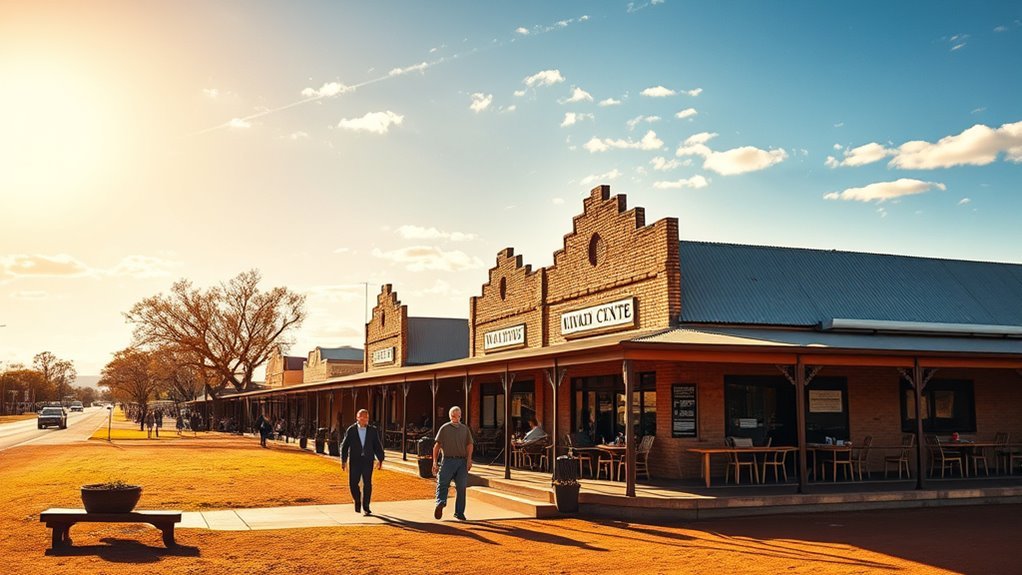
Wondering when to go? You’ll find the best time to visit Winton is during the dry months when roads stay firm, days are clear, and nights let you breathe. You’ll roam open plains spotting indigenous wildlife at dawn, feel the red dust underfoot, and follow signs to indigenous heritage sites that anchor the landscape’s deep stories.
Travel then to avoid wet-season closures and to move freely between viewing spots, galleries, and outback pubs without scrambling for transport. You’ll save on stress and spend more on experience: starlit camping, sunrise walks, and conversations with custodians who’ll share place and meaning.
If you crave liberation from crowds and schedules, Winton in its crisp, accessible season gives you space to wander, learn, and slow down. Book ahead for local tours and respect community protocols; that mindful approach turns a trip into responsibility and lasting connection.
Winton Weather Month-by-Month (Temps & Rain)
When you plan month-by-month in Winton, you’ll see a clear rhythm: warm, dry winters with wide blue skies and cool nights; hot build-ups in spring that can swell into brief, intense summer storms; and a rainy season that turns red dust to mud and can close unsealed roads.
In September–November you’ll feel heat rising, afternoons pushing toward 30–40°C, thunderstorms sometimes breaking the tension and delivering sudden, freeing downpours that revive soil‑cultural flora along creeklines.
December–February is humid, stormy and unpredictable; you’ll need flexibility as heavy rain can isolate you but also transform the landscape.
Humid, stormy months demand flexibility—heavy rains can isolate you yet turn the country lush and renewed
March–April cools slowly, with residual showers and comfortable evenings that invite exploration.
April is a pivot toward dryer months ahead.
Throughout the year the climate frames your access to sites of Indigenous heritage and outback solitude: plan around wet‑season limits if you crave movement, or embrace shoulder months to roam roads and reconnect with wide, resilient country.
Winton Cooler Months (May–Aug) : Ideal for Exploring
Because the heat eases and the skies go a clear, hard blue, May through August is the sweet spot for getting out and really seeing Winton. You’ll wake to crisp mornings that push you to move—walk country streets, climb gentle ridges, and follow open roads toward places that feel wide and free.
Daylight stretches long enough for sluggish museums and roadside stops, and the cooler air sharpens colour: red dirt, pale sandstone, and cobalt horizons.
You can chase stories of Indigenous heritage with respect, joining guided walks that unravel songlines, scar trees, and living culture. In quieter months you’re also first to hear about fresh fossil discoveries and can visit sites without jostling crowds.
You’ll sleep easier too; night skies spill stars and the town softens into a peaceful hub. Come with curiosity and a willingness to listen—the cooler season hands you space to explore, understand, and be changed.
Winton Hot Season (Sept–Apr) : Heat & Safety Tips
From September to April Winton can get brutally hot, so you’ll want to respect the risks of heat exhaustion and sunstroke.
Keep your water bottle topped up, wear breathable clothing and a wide‑brimmed hat, and plan activity for early morning or late afternoon when it’s cooler.
With simple cooling and hydration strategies you can still enjoy the outback without putting yourself in danger.
Extreme Heat Risks
Though Winton’s wide, red plains can look inviting in the sun, the hot season (September–April) brings intense heat that can quickly turn a day out into a health risk, so you’ll want to plan carefully.
You’ll feel the air press and shimmer; highs often climb above comfortable limits, making long walks or roadside stops hazardous. Heatstroke, rapid dehydration, and sunburn escalate faster than you expect, even during indultural festivals or when you chase wildlife migrations—events that lure you outdoors.
Respect the land’s power: limit strenuous activity, seek shaded or air-conditioned refuge, and time outings for cooler hours. Your freedom to explore depends on prudence; by acknowledging extreme heat risks you protect your body and preserve the joy of discovery.
Cooling & Hydration Strategies
After respecting the dangers of Winton’s hot months, you’ll want practical cooling and hydration strategies to stay safe and comfortable. You’ll plan around hydration timing — sip before thirst, top up every hour in heat, and avoid alcohol midday. Seek shade structures or carry a lightweight tarp; moving into shade resets your body faster than pushing on. Wear loose, breathable layers and a wide-brim hat; wet cuffs or a damp bandana cool skin immediately. Build liberty into your day: choose dawn walks, late afternoons for exploring, and siestas when sun peaks. Pack electrolyte mixes and insulated bottles. Let your schedule free you from suffering — cooler choices and steady hydration timing keep you active, clear-headed, and in control.
| Action | Why it helps |
|---|---|
| Sip hourly | Prevents dehydration |
| Use shade structures | Lowers heat load |
| Wet clothing | Rapid evaporative cooling |
| Electrolytes | Maintain performance |
Rain, Floods & Road Access in Winton : What to Watch
If heavy tropical rains set in, you’ll quickly notice how Winton’s flat, mulga-dotted landscape turns from dusty tracks to muddy barriers that can cut you off for days; keeping an eye on forecasts and local road reports is essential.
When storm cells arrive, road flooding happens fast — creek crossings become invisible and bitumen can turn into slick traps.
You’ll want to monitor council updates and the Bureau of Meteorology, and sign up for local alerts so you can move before access is lost.
Think like someone claiming freedom of movement: plan flexible routes, carry extra fuel, a shovel, recovery straps and a satellite communicator if you’ll venture remote.
If signs warn of road closures, don’t gamble; respect barricades and detours.
Embrace the pause when rain forces you to stay put — it’s a chance to savor Winton’s wide skies without risking getting stranded.
Winton Crowds & Events : When to Visit or Avoid
If you time your visit for peak event periods like the Waltzing Matilda Festival or Outback Marathon, you’ll soak up buzzing streets, live music, and packed local hotspots.
Go in the quiet off-season and you’ll enjoy empty galleries, open walking trails, and more space to chat with locals.
Think about whether you want festival energy or peaceful solitude when you plan your trip.
Peak Event Periods
While Winton’s quiet streets make it easy to imagine yourself alone among the dusty red plains, certain times of year transform the town into a lively hub—so plan around major events if you want space or company.
You’ll find bursts of energy during cultural festivals that celebrate outback heritage, film, music and local art; these moments draw crowds, pop-up markets and late-night conversations that free you from routine.
Birdlife and larger wildlife migrations also concentrate visitors who want prime viewing, so expect busier accommodations and booked tours.
If you crave connection, arrive for headline events and soak up communal joy.
If you seek autonomy, use event calendars to skirt peak days while still sampling Winton’s vivid pulse.
Quiet Off-Season
Visit Winton in the off-season and you’ll find the town unfolding at a slower, more intimate pace—streets almost empty, cafes serving locals who’ll gladly swap stories, and iconic sites all but to yourself. You can move freely through museums, linger at viewpoints, and chase quiet moments that feel like reclaiming time. Fewer dultural festivals mean calmer calendars, but unexpected wildlife sightings reward your patience. You’ll save on lodging and feel liberated from crowds—this is travel that opens rather than crowds you in.
| Benefit | Experience | Tip |
|---|---|---|
| Solitude | Empty streets, private moments | Walk at dawn |
| Savings | Lower prices, flexible stays | Book last-minute |
| Encounters | Local chats, wildlife sightings | Ask locals for spots |
| Calm | Slow schedules, clearer focus | Unplug and roam |
Seasonal Pricing & Accommodation Trends in Winton
Because Winton’s visitor numbers swell during school holidays and major events like the Outback Film Festival, you’ll find rates and availability changing quickly—book early for the best choices.
When cultural festivals and celebrations of Indigenous heritage draw crowds, boutique stays and caravan parks fill fast and prices tick up.
You’ll notice midweek nights and shoulder seasons offer the freedom to choose roomy rooms, campsites, or converted homesteads at lower rates.
Watch for event-based surges and plan around them if you want savings; if you crave connection, arriving during a festival can be worth the premium.
Local hosts often adjust rates for busy weekends, so flexible dates let you negotiate better deals.
Embrace the liberation of planning: sign up for alerts, compare independent listings, and secure refundable reservations. That way you control cost without sacrificing the immersive experiences Winton promises.
What to Pack & Practical Checklist for Winton
Packing for Winton means preparing for big skies, red dust, and sudden temperature shifts, so bring layers, sun protection, and gear that can handle grit.
Pack for big skies and red dust: layers, sun protection, and gritty gear for sudden temperature shifts.
You’ll want breathable shirts, a warm fleece for crisp mornings, a windproof jacket for evenings, sturdy boots that shrug off dust, and a wide-brim hat that frames the horizon.
Pack strong sunscreen, lip balm, and polarized sunglasses to stare down the sun and connect with the landscape.
Include a reusable water bottle, basic first-aid, insect repellent, and a headlamp for nocturnal freedom—Winton’s stars reward late nights.
Bring binoculars to spot local wildlife and a camera to capture ochre panoramas and Indigenous art at galleries and roadside displays.
Carry a small notebook, power bank, and cash; some places prefer it.
Travel light but ready: flexible clothing, layered protection, and respectful curiosity will let you move freely, engage deeply, and leave only footprints in this wide, liberating country.
Frequently Asked Questions
Are There Guided Tours to Nearby Dinosaur Fossil Sites?
Yes — you’ll find guided dinosaur tours offering hands-on fossil access; you’ll roam rugged sites, learn excavation stories, touch ancient bones where permitted, and feel liberated discovering deep time while skilled guides protect fragile finds and your safety.
Can I Refill Drinking Water in Town Easily?
Yes — you can refill drinking water in town easily; the town convenience feels simple yet liberating, offering refill stations at parks, cafes and the visitor centre, so you’ll stay hydrated and free to explore confidently.
Are There Pet-Friendly Accommodation Options in Winton?
Yes — you’ll find pet friendly lodges and animal friendly rentals in Winton, letting you roam freely with your companion, enjoy spacious yards, rugged outback views, and relaxed hosts who’ll welcome your animal as part of your liberating adventure.
Is Mobile Phone Reception Reliable Around Tourist Sites?
Mostly no — signal strength varies like a fickle skyline; you’ll find pockets of service but frequent coverage gaps near remote sites. Embrace the freedom: plan offline maps, download guides, and relish unplugged exploration confidently.
Do Local Eateries Cater for Vegan or Gluten-Free Diets?
Yes — you’ll find vegan menus and gluten free options at several cafes and pubs; you’ll savor inventive plant-based plates, feel welcome, and confidently enjoy liberated dining choices that celebrate local produce and creative, inclusive cooking.
Conclusion
Plan your trip for May–August for cool mornings, clear skies, firm roads and near-empty attractions — it’s the perfect window for exploring Winton without sweating or stressing. If you travel in shoulder months, aim for early mornings and late afternoons to dodge heat and grab lower rates. Watch summer rains and roads; pack layers, sun protection and a spare tyre. You’ll leave with dusty boots and sky-full memories that feel nothing short of epic.