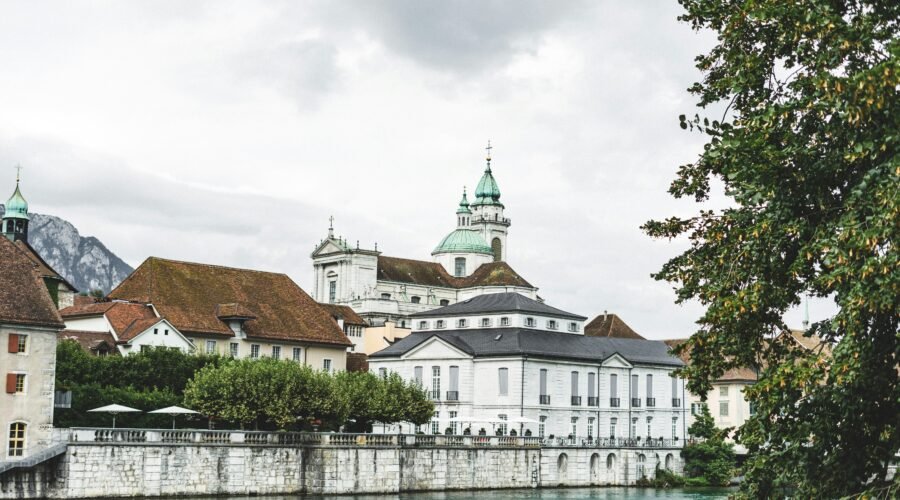
Thinking about a trip to Solothurn and wondering when the best time to go is? For most visitors, late spring from May into early June and early autumn from September into early October offer an excellent balance. You can usually enjoy comfortable sightseeing weather, long enough days for outdoor plans, and fewer peak-season pressures than in the heart of summer.
Quick Answer
The best overall time to visit Solothurn is usually May to early June or September to early October. These periods combine generally mild conditions with good sightseeing and hiking opportunities. July and August are warmer but can be busier, while winter is quieter and atmospheric but cold-weather conditions and city snow are less predictable.
Key Takeaways
- Best overall balance: May, early June, September, and early October.
- Warmest period: June through August, with July and August generally among the warmest months.
- Best for fewer crowds: March, April, late September, October, November, and much of winter outside major events.
- Best for outdoor activities: Late spring through early autumn, depending on the weather and elevation.
- Winter: Good for a quieter city break, Christmas atmosphere, Fasnacht, and excursions toward Weissenstein, but snow in Solothurn city is never guaranteed.
Solothurn sits on the Aare at the southern foot of the Jura in Switzerland. The area has four distinct seasons, but conditions can vary substantially from one year to the next. For climate planning, MeteoSwiss climate normals are more useful than treating a particular month’s historical average as a forecast.
Note: Climate averages describe typical long-term conditions, not the weather you will actually receive on a particular trip. Check a current forecast shortly before departure, especially if your plans include hiking, river activities, or an excursion to Weissenstein.
Solothurn Weather, Crowds, and Costs by Season
Spring (March to May)
Spring in Solothurn is a transition season. Trees and meadows begin turning green, daylight increases, and outdoor sightseeing becomes progressively more comfortable as May approaches.
Weather in Spring
- March: Expect cool and changeable conditions. Mild sunny periods can alternate with rain, cold mornings, and occasional wintry weather.
- April: Temperatures generally become milder, vegetation develops quickly, and a mixture of sun and showers is normal. Short returns of colder weather are still possible.
- May: Often one of the most comfortable months for sightseeing and walking. Conditions are generally milder than early spring, although rain remains possible.
Switzerland Tourism describes spring as a season when trees blossom and meadows turn green, while also noting that temporary returns of wintry weather can occur. See its Swiss climate overview for broader seasonal context.
Crowds in Spring
March and early April tend to feel quieter than the main summer travel period. Visitor activity usually increases as the weather improves in May, particularly on pleasant weekends and during events, but spring can still provide a relaxed experience.
Costs in Spring
- Flights: Depending on your origin, dates, and booking window, spring fares may be more attractive than peak summer fares. Compare several dates rather than assuming one month will always be cheapest.
- Accommodation: Availability can be good outside major events and holidays. Rates vary by property and demand.
- Activities: City attractions are generally suitable for spring visits, while mountain and seasonal activities should be checked individually before you go.
Summer (June to August)
Summer brings the warmest part of the year, long daylight hours, outdoor dining, riverfront activity, hiking opportunities, and a busy events calendar.
Weather in Summer
- June: Usually pleasantly warm with long days, making it a strong month for combining city sightseeing with outdoor activities.
- July: One of the warmest periods of the year. Hot spells are possible, so afternoon shade, water, and flexible outdoor plans can be useful.
- August: Typically remains warm, although conditions vary from year to year and cooler periods can arrive later in the month.
Summer thunderstorms can develop in Switzerland, sometimes bringing intense rain, lightning, hail, or strong wind. MeteoSwiss notes that thunderstorm development can be highly local and difficult to predict far in advance, so check the short-range forecast before exposed outdoor activities.
Crowds in Summer
June through August can bring more leisure travelers, day-trippers, event visitors, and activity around the Old Town and Aare. Crowds are still highly dependent on the day of the week, weather, school holidays, and individual events.
Costs in Summer
- Flights: Demand can be stronger during popular European summer travel dates. Booking earlier and comparing nearby departure dates may help.
- Accommodation: Popular hotels can fill more quickly during festivals, weekends, and high-demand summer dates.
- Activities: Standard attraction prices generally apply, although concerts, festivals, tours, and special events may require separate tickets.
Pro Tip: If you want summer weather without committing to the busiest part of July or August, early June can be a particularly useful compromise. Always compare hotel availability with Solothurn’s event calendar before locking in your dates.
Autumn (September to November)
Autumn is another strong shoulder season. Early autumn can still feel pleasantly mild, while later weeks bring cooler days, autumn colour, shorter daylight, and a quieter city atmosphere.
Weather in Autumn
- September: Often a comfortable month for walking and sightseeing, with mild afternoons possible and noticeably cooler mornings than midsummer.
- October: Cooler and more changeable. Autumn foliage can make walks around the region especially attractive, but rain and grey days become more likely.
- November: Usually distinctly cooler, with shorter days and a greater chance of fog, low cloud, and damp conditions.
MeteoSwiss notes that fog and low stratus are common in the colder part of the year, particularly across northern and central Swiss lowlands and near the southern foot of the Jura.
Crowds in Autumn
September can remain active, especially during good weather, but visitor pressure generally eases as autumn progresses. October often provides a useful balance between sightseeing conditions and a calmer atmosphere, while November is normally much quieter.
Costs in Autumn
- Flights: Depending on route and dates, fares may become more competitive after the main summer travel period.
- Accommodation: October and November can offer good availability outside events, though actual prices remain dynamic.
- Activities: City sightseeing remains practical, but timetables for boats, mountain transport, tours, and other seasonal services should be checked before relying on them.
Winter (December to February)
Winter gives Solothurn a quieter, more atmospheric character. Christmas events, historic streets, museums, cafés, and nearby winter excursions can all be appealing, but snow in the city itself should be treated as a possibility rather than a guarantee.
Weather in Winter
- December: Cold conditions, short days, frost, rain, and occasional snow are all possible. Christmas programming adds a festive atmosphere toward the end of the year.
- January: Usually one of the coldest periods. Frost and snow can occur, but persistent city snow cover cannot be assumed.
- February: Still a winter month, although daylight begins increasing. Conditions can range from crisp and bright to cold, wet, foggy, or snowy.
MeteoSwiss explains that dependable winter snow is increasingly associated with higher elevations, while completely snow-free winters can occur in Swiss lowland areas. If snow matters to your trip, consider checking conditions around Weissenstein rather than assuming Solothurn’s Old Town will be snow-covered.
Crowds in Winter
Much of winter is quieter than summer, but major cultural and festive events can temporarily increase demand. Christmas programming, the Solothurn Film Festival, and Fasnacht are particularly important dates to check.
Costs in Winter
- Flights: Some winter dates can be competitively priced, while Christmas and New Year travel can be much more expensive.
- Accommodation: Good availability may be possible during quieter weeks, but festival and holiday dates can change that quickly.
- Activities: Indoor attractions remain useful in poor weather. Outdoor and mountain activities depend more heavily on weather, snow conditions, operating schedules, and daylight.
If you’re planning a trip to Solothurn, Switzerland, comparing another destination’s seasonal trade-offs can also be useful. The guide to the Best Time to Visit Colorado: Weather, Crowds, and Costs offers another example of how weather, crowds, and costs can change the ideal travel window.
Considering Your Interests: What Do You Want to Do?
The best time for you depends heavily on what you want from the trip. Solothurn’s Old Town, the Aare, museums, nearby Jura scenery, cultural events, and excursions toward Weissenstein create different priorities in different seasons.
Outdoor Activities & Scenery
If hiking, cycling, riverside walks, or exploring the Jura landscape is your priority, late spring through early autumn is usually the most practical window. May, June, and September are especially attractive when you want to avoid the hottest summer days. July and August also work well, but heat and thunderstorms can occasionally disrupt outdoor plans.
Conditions change with elevation, so city weather should never be used as the only guide for a mountain excursion. Check forecasts, trail conditions, and transport schedules separately.
City Exploration & Sightseeing
For leisurely walks through the car-free Old Town, museums, churches, markets, and historic streets, May, June, September, and early October offer an appealing combination of moderate weather and useful daylight. Switzerland Tourism highlights Solothurn’s Old Town, St. Ursus Cathedral, Jesuit Church, Aare setting, Verena Gorge, and Weissenstein among the destination’s major attractions.
Winter can also be atmospheric for sightseeing if you are comfortable with cold weather and shorter days. Indoor museums and cafés become more valuable when rain, fog, or snow makes longer outdoor plans less appealing.
Festivals & Events
Solothurn has a substantial cultural calendar, and event dates can change the character, availability, and cost of a trip. Always check the official Solothurn Tourism event calendar before booking.
Major Cultural and Summer Events
- Solothurn Film Festival: The next published edition is scheduled for January 20–27, 2027. It is one of the city’s major cultural events.
- Solothurn Literature Days: The official festival site lists the next edition for May 7–9, 2027.
- Openair Solothurn: This summer music event takes place near the historic center. The 2026 edition ran in August; check the official Openair Solothurn information for future dates and tickets.
- Streetfood Festival: Solothurn’s tourism calendar includes this popular food event, but dates vary by edition. Confirm the current schedule before planning around it.
Winter Festivals
- Christmas programming and markets: Solothurn Tourism currently lists the 2026–27 Christmas period from November 28, 2026 to January 6, 2027. The city’s Christmas markets add seasonal stalls, food, decorations, and local activity.
- Fasnacht: Solothurn’s 2027 carnival is currently listed for February 4–10, 2027. Expect a much livelier atmosphere than during an ordinary winter week.
If a particular festival is essential to your trip, plan around its official dates and book accommodation earlier. Major events can increase local demand even outside the conventional summer high season.
Avoiding Crowds and Saving Money

If your main goal is to avoid busy periods and control your budget, focus on quieter shoulder-season and low-season dates while checking for major events that could temporarily raise demand.
Best Times for Lower Crowds
- March & April: Often quieter than late spring and summer, although Easter and individual events can affect demand.
- Late September & October: A useful combination of cooler weather and fewer peak-summer visitors.
- November: Usually very quiet, although daylight is shorter and grey or damp weather is more common.
- January & February: Often peaceful outside the Film Festival, Fasnacht, weekends, and other scheduled events.
Best Times for Budget Travel
- Late autumn and selected winter dates: These can provide good hotel availability, but Christmas, New Year, the Film Festival, and Fasnacht should be treated separately.
- Shoulder seasons: April, May, September, and October can provide a stronger weather-to-price trade-off than peak summer dates.
July and August can carry stronger leisure demand, so travelers with a strict budget should compare them carefully against nearby June, September, or off-season dates. There is no single guaranteed cheapest month because flight and hotel pricing changes constantly.
Personal Preferences and Trade-offs

Ultimately, the best travel period depends on which trade-offs matter most to you.
If You Crave Sunshine and Warmth
Choose summer, especially June through August. These are generally the warmest months, but hot spells, thunderstorms, stronger demand, and major events can influence your plans.
If You Prefer Mild Weather and Fewer Tourists
Late spring from May into early June or early autumn from September into early October is the strongest overall choice. These periods often give you comfortable sightseeing conditions without requiring a midsummer visit.
If You Love Winter Charm and Don’t Mind the Cold
December through February can suit you well. Christmas events, cultural festivals, winter excursions, and quieter ordinary weekdays can be appealing. Just remember that snowfall in Solothurn city is variable and should not be the sole reason for choosing winter.
If You Are on a Strict Budget
Compare November, quieter January and February dates, March, and the shoulder seasons. You may trade warmer weather and longer daylight for lower demand, but actual savings depend on your flights, accommodation choice, holidays, and events.
If you’re comparing several destinations before deciding where to go, the guide to the Best Time to Visit Georgia provides another weather, crowd, and cost comparison that can help you evaluate seasonal travel trade-offs.
Month-by-Month Solothurn Travel Guide
| Month | Typical Travel Conditions | Crowd Tendency | Best For |
| January | Cold; frost, rain, fog, or snow possible | Low except major events | Museums, quiet city breaks, Film Festival |
| February | Cold, with gradually longer days | Low to high around Fasnacht | Carnival atmosphere, winter trips |
| March | Cool and changeable | Low | Quiet sightseeing |
| April | Milder, with sun and showers | Low to medium | Spring scenery, walking |
| May | Generally mild and increasingly green | Medium | Best overall balance, Literature Days |
| June | Warm with long daylight | Medium to high | Hiking, cycling, outdoor sightseeing |
| July | Warm to hot; thunderstorms possible | High | Warm weather and long outdoor days |
| August | Warm; occasional storms or hot spells | High | Summer events and outdoor activities |
| September | Mild days and cooler mornings | Medium, decreasing later | Best overall balance, hiking |
| October | Cooler, changeable, autumn colour | Low to medium | Autumn scenery, city sightseeing |
| November | Cool, shorter days, fog or rain possible | Low | Quiet and potentially lower-demand trips |
| December | Cold; snow possible but not guaranteed | Medium around Christmas | Christmas markets and festive atmosphere |
Practical Tips for Any Season
Regardless of when you visit, a few simple planning choices can make a Solothurn trip easier.
- Book Accommodation in Advance: This is especially useful during summer weekends, Christmas, the Film Festival, Fasnacht, Literature Days, and other major events.
- Check the Official Event Calendar: Review Solothurn Tourism’s current listings immediately before finalizing your dates because festival dates can change each year.
- Pack Layers: Swiss weather can change during the day. A light insulating layer is useful even when afternoons are comfortable.
- Wear Comfortable Shoes: Solothurn’s historic center is best explored on foot, so supportive walking shoes are worthwhile.
- Research the Swiss Travel Pass: If Solothurn is part of a longer Swiss trip, compare individual fares with the Swiss Travel Pass. Switzerland Tourism states that it covers extensive train, bus, and boat travel and includes more than 500 museums, but eligibility, validity, reservations, and mountain-transport coverage should be checked for your specific itinerary.
- Learn a Few German Phrases: Solothurn is in Switzerland’s German-speaking region. English is widely useful in tourism, but basic German greetings can still make everyday interactions easier.
- Prepare for Rain: A compact umbrella or lightweight waterproof jacket is useful throughout the year.
- Check Mountain Conditions Separately: Weather around Weissenstein can differ from conditions in the city because of elevation.
For a well-rounded Solothurn visit with generally comfortable conditions, manageable visitor levels, and good access to outdoor and city activities, May, early June, and September remain the strongest all-purpose choices. Early October can also work well if you prefer cooler weather and autumn scenery.
Frequently Asked Questions
1. What is the best time to visit Solothurn for good weather?
For the best balance of comfortable weather and sightseeing conditions, May to early June and September are excellent choices. June through August are generally warmer, but summer can also bring hotter days, thunderstorms, and stronger visitor demand.
2. When is the peak tourist season in Solothurn?
Summer generally brings stronger leisure travel demand, especially from June through August. However, major events such as the Film Festival, Fasnacht, Literature Days, Christmas programming, and summer festivals can also create busy periods outside conventional peak season.
3. What is the off-peak season in Solothurn?
Late autumn and many winter weeks are among the quieter periods, particularly November and ordinary January or February dates. Event weeks and the Christmas-New Year period are exceptions and may be considerably busier.
4. When should I visit Solothurn to avoid crowds?
Consider March, April, late September, October, or November. Winter can also be quiet, but check the local event calendar first because the Film Festival, Fasnacht, and Christmas events can attract significant local and regional interest.
5. When is the most affordable time to visit Solothurn?
There is no guaranteed cheapest month because flight and hotel prices change constantly. November, quieter winter dates, March, and parts of the shoulder seasons can be worth comparing against July and August. Avoid assuming that all winter dates are cheap because holidays and festivals can raise demand.
6. Does Solothurn always have snow in winter?
No. Snow can fall in Solothurn, but persistent snow cover in the city is not guaranteed. MeteoSwiss notes that snow is increasingly less dependable in Switzerland’s lowlands. If snow is important to you, check current conditions around higher-elevation destinations such as Weissenstein.
7. What is the best time for hiking around Solothurn?
Late spring through early autumn is generally the most useful hiking window, with May, June, and September offering a good balance for many travelers. Conditions vary by elevation and trail, so check current forecasts and local trail information before starting.
8. Should I choose my Solothurn dates around a festival?
Yes, if cultural events are important to you. Solothurn has major events throughout the year, including the Film Festival, Fasnacht, Literature Days, Christmas programming, and summer festivals. Book earlier when attending a major event and confirm dates on the official tourism calendar before purchasing non-refundable travel.
Sources
- MeteoSwiss — Climate Normals — current 1991–2020 climate-normal methodology and long-term climate planning data.
- MeteoSwiss — The Climate of Switzerland — seasonal climate, fog, snow, and lowland winter context.
- Switzerland Tourism — Solothurn — official destination information, major sights, Old Town, Aare, and Weissenstein.
- Solothurn Tourism — Events — current festival and event dates, including Film Days, Fasnacht, Literature Days, Christmas programming, and summer events.
- Switzerland Tourism — Swiss Travel Pass — current public-transport, museum, eligibility, and validity information.
- Solothurn Literature Days — official festival information and confirmed upcoming dates.