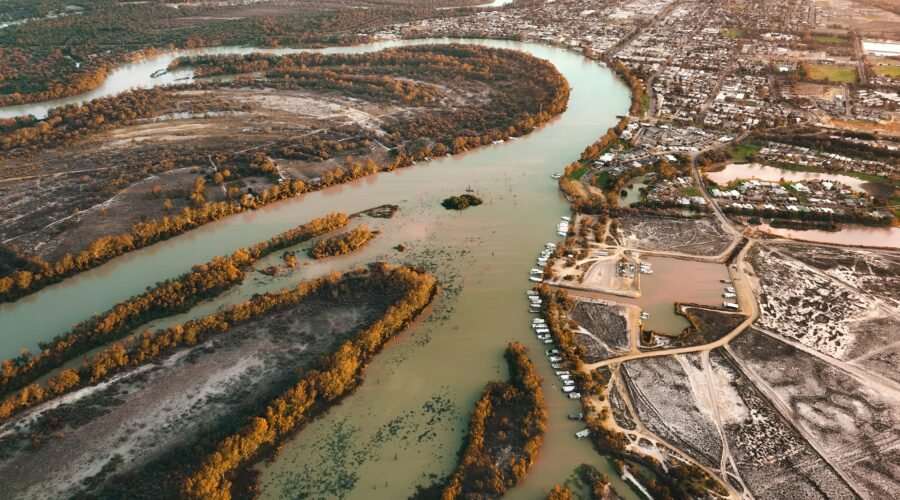
So, you’re thinking about a trip to the Riverland in South Australia? Great choice! It’s a fantastic region with so much to offer, from stunning river landscapes to delicious local produce. But when’s the best time to go? Honestly, there’s no single “perfect” answer because it really depends on what you’re looking for. Are you chasing sunshine for water sports, keen to avoid the biggest crowds, or trying to stretch your holiday budget? Let’s break down the Riverland’s seasons to help you pinpoint your ideal visit.
The Riverland generally experiences a Mediterranean-style climate, meaning it has hot, dry summers and mild, wet winters. However, it’s also known for its significant temperature fluctuations throughout the day and across the seasons. Being inland, it misses out on the moderating influence of the ocean, so expect it to get really hot in summer and potentially quite cool on winter nights.
Summer (December to February)
Summer is peak Riverland. Think long, sunny days and plenty of warmth. This is when the river comes alive, and most people head here for activities like swimming, boating, fishing, and waterskiing.
Weather in Summer
- Temperatures: Expect average daily temperatures to be in the high 20s to low 30s Celsius. However, heatwaves are common, pushing temperatures into the 40s. Nights can still be warm, so air conditioning is a must.
- Sunshine: You’ll get heaps of it. This is the time for maximizing your outdoor time, but remember to stay hydrated and protected from the sun.
- Rainfall: Rainfall is minimal during summer.
Pros of Visiting in Summer
- Ideal for water activities: If you’re dreaming of days spent on the Murray River, this is your season.
- Festivals and events: Many local events and festivals are scheduled during the warmer months to take advantage of the good weather.
- Lush scenery: The riverbanks are typically at their greenest due to irrigation.
Cons of Visiting in Summer
- Heat: It can be oppressively hot, making midday sightseeing uncomfortable for some.
- Crowds: This is the busiest time of year, especially during school holidays. Expect popular spots to be busy.
- Higher costs: Accommodation and sometimes even some tours can be more expensive due to demand.
Autumn (March to May)
Autumn is often considered the sweet spot for many visitors to the Riverland. The intense heat of summer begins to fade, making for more comfortable exploration.
Weather in Autumn
- Temperatures: Days are pleasantly warm, often in the mid-20s Celsius, with cooler evenings. This is a welcome change from the summer scor laze.
- Sunshine: Still plenty of sunshine, but it’s a softer, more golden light.
- Rainfall: There’s a slight increase in rainfall, but it’s usually not enough to disrupt outdoor plans significantly.
Pros of Visiting in Autumn
- Comfortable temperatures: Perfect for exploring towns, wineries, and national parks without overheating.
- Fewer crowds: The peak summer rush is over, making for a more relaxed experience.
- Beautiful colours: The riverside vegetation can display some lovely autumn hues.
- Harvest season: Depending on the specific produce, you might catch grape harvests or other fruit picking.
Cons of Visiting in Autumn
- River activity may be less intense: While still enjoyable, the water might be a bit cooler for swimming.
- Shorter daylight hours: Evenings arrive earlier than in summer.
Winter (June to August)
Winter in the Riverland is about embracing a different kind of charm. It’s quieter, cooler, and offers a chance to see the landscape in a different light.
Weather in Winter
- Temperatures: Days are mild, typically in the high teens Celsius, but nights can get quite cold, often dropping to single digits. Frost is not uncommon.
- Sunshine: Days are often sunny and crisp, but there will be more cloudy days than in other seasons.
- Rainfall: This is the wettest period, so be prepared for rain, though it’s rarely heavy and prolonged.
Pros of Visiting in Winter
- Peace and quiet: It’s the least crowded time of year, ideal if you prefer solitude and a slower pace.
- Lower costs: Accommodation and other services are generally cheaper.
- Cozy atmosphere: Perfect for enjoying wineries with a glass of red by the fire, visiting local cafes, and exploring indoor attractions.
- Winter landscapes: The river can look quite dramatic and moody, especially on cooler days.
Cons of Visiting in Winter
- Cold temperatures: Days can be chilly, and nights are cold. You’ll need warm clothing.
- Limited water activities: Swimming and most water sports are generally out of the question.
- Some attractions may have reduced hours: It’s worth checking opening times for smaller businesses or seasonal attractions.
Spring (September to November)
Spring brings a revival to the Riverland. The landscape awakens after winter, and the temperatures start to climb, making it a delightful time to visit.
Weather in Spring
- Temperatures: Days are warm and pleasant, often reaching the low to mid-20s Celsius. Evenings are cooler, but not as cold as winter.
- Sunshine: Abundant sunshine returns, with longer daylight hours.
- Rainfall: Rainfall decreases significantly as the season progresses.
Pros of Visiting in Spring
- Pleasant weather: Similar to autumn, spring offers a great balance of warmth and comfortable temperatures for outdoor activities.
- Blooming landscapes: The region comes alive with wildflowers and new growth.
- Pre-peak season: It’s generally less crowded than summer, though it starts to pick up towards the end of spring.
- Good for all activities: You can enjoy a mix of river activities, exploring, and enjoying the scenery.
Cons of Visiting in Spring
- Late spring heat: As you move into November, temperatures can start to climb, nearing summer levels.
- Insect activity: As the weather warms up, so can insect populations, so be prepared for mosquitoes and flies, especially around dusk.
If you’re planning a trip to Riverland, South Australia, understanding the best time to visit is crucial for an enjoyable experience. For those interested in exploring other travel destinations, you might find it helpful to read about the best time to visit Alasehir, Manisa, which covers similar aspects such as weather, crowds, and costs. You can find this informative article here: Best Time to Visit Alasehir, Manisa: Weather, Crowds, and Costs.
Navigating Crowds and Costs
The ebb and flow of visitors directly impacts what you’ll pay for your trip. Understanding this can help you plan a more budget-friendly or more exclusive experience.
Peak Season (Summer Holidays and Long Weekends)
- When: December to February, Easter break, and any long weekends.
- Crowds: Expect the Riverland to be at its busiest. Accommodation will be booked up well in advance, and popular attractions will be buzzing.
- Costs: Prices for accommodation, tours, and sometimes even food can be at their highest during these periods.
- Vibe: Energetic, lively, and full of people making the most of the warm weather and school holidays.
Shoulder Seasons (Autumn and Spring)
- When: March to May and September to November.
- Crowds: Moderate. You’ll encounter other travellers, but it won’t feel overwhelming. Popular spots will still have visitors, but you’ll find it easier to get around and enjoy your space.
- Costs: Generally more reasonable than peak season. You’ll likely find better deals on accommodation and can book closer to your travel dates.
- Vibe: Relaxed and pleasant. A good balance of having people around to create a nice atmosphere without feeling packed in.
Off-Peak Season (Winter)
- When: June to August.
- Crowds: Very low. You might feel like you have a lot of the region to yourself.
- Costs: This is when you’ll find the best deals. Accommodation prices often drop significantly, and you might find special winter packages.
- Vibe: Peaceful, quiet, and introspective. A great time to experience the Riverland at its most tranquil.
What Are You Hoping to Do?

Your ideal time to visit will also hinge on your specific holiday plans. Are you looking for action-packed adventures or a gentle escape?
For Water Enthusiasts
- Best Time: Summer (December-February) and late Spring (October-November). The water is warm enough for comfortable swimming, boating, and waterskiing.
- Why: Long daylight hours mean more time on the water. The river is at its most inviting.
- Consider: If you don’t mind slightly cooler water and fewer people, early Autumn (March-April) can still be excellent for water activities.
For Sightseeing and Exploration
- Best Time: Autumn (March-May) and Spring (September-November).
- Why: The temperatures are perfect for walking, cycling, visiting wineries, and exploring the towns and national parks. You won’t be battling the intense heat.
- Consider: Winter can also be good for this if you don’t mind cooler days and bundling up, as the scenery is still beautiful, and crowds are minimal.
For Budget Travellers
- Best Time: Winter (June-August).
- Why: Accommodation and often tour prices are at their lowest. You’ll get more for your money.
- Consider: Shoulder seasons (Autumn and Spring) offer a good balance of pleasant weather and reasonable prices if you’re willing to avoid the absolute peak.
For Peace and Quiet Seekers
- Best Time: Winter (June-August) and early Autumn (March).
- Why: These are the least crowded times. You’ll have a much more intimate experience with the landscape and local life.
- Consider: Even mid-week in the shoulder seasons can be much quieter than weekends or holidays.
Packing Essentials for Every Season

No matter when you visit, a few essentials will make your trip smoother.
Year-Round Essentials
- Sun Protection: Hat, sunscreen, sunglasses. The Australian sun is strong, even in cooler months.
- Insect Repellent: Particularly important during warmer months and around dusk.
- Comfortable Walking Shoes: You’ll likely be doing a fair bit of exploring.
- Reusable Water Bottle: Stay hydrated, especially in the heat.
- Camera: The Riverland offers plenty of photo opportunities.
Seasonal Additions
- Summer: Light, breathable clothing, swimwear, a rash guard for sun protection on the water, a wide-brimmed hat.
- Autumn/Spring: Layers are key. Think t-shirts, long-sleeved shirts, light jumpers or cardigans, and a light jacket.
- Winter: Warm layers are essential. Woolen jumpers, thermal wear, a warm coat, a beanie, and gloves for the cold nights. Waterproofs are a good idea too.
If you’re planning a trip to Riverland, South Australia, understanding the best time to visit can greatly enhance your experience. Factors such as weather, crowds, and costs play a crucial role in determining when to go. For those interested in exploring other beautiful destinations, you might find it helpful to read about the best time to visit the Kure Mountains in Kastamonu, which also discusses similar considerations. You can check out the article here for more insights that could aid in your travel planning.
Final Thoughts on Your Riverland Visit
| Month | Weather | Crowds | Costs |
|---|---|---|---|
| January | Hot and dry | High | High |
| April | Mild and pleasant | Medium | Medium |
| July | Cool and sometimes rainy | Low | Low |
| October | Warm and sunny | Medium | Medium |
Ultimately, the “best” time to visit the Riverland is when it best suits you. If you’re all about soaking up the sun and hitting the water, summer is your go-to. If comfort and fewer crowds are higher on your list, aim for autumn or spring. And if you’re looking for a budget-friendly, peaceful escape, winter offers a unique charm.
Do a little research into specific events happening during your potential travel dates, as this can sometimes sway your decision. Whether you choose to visit in the sweltering heat of summer or the crisp air of winter, the Riverland has a distinct beauty and a relaxed pace that’s hard to beat. Enjoy planning your trip!
FAQs
1. What is the best time to visit Riverland, South Australia in terms of weather?
The best time to visit Riverland, South Australia in terms of weather is during the spring (September to November) and autumn (March to May) months. These seasons offer mild temperatures and lower chances of rainfall, making it ideal for outdoor activities and exploring the region.
2. When is the peak tourist season in Riverland, South Australia?
The peak tourist season in Riverland, South Australia is during the summer months (December to February) when the weather is hot and dry. This is also when the region experiences the highest number of visitors, leading to crowded attractions and higher accommodation costs.
3. When is the off-peak season in Riverland, South Australia?
The off-peak season in Riverland, South Australia is during the winter months (June to August) when the weather is cooler and there are fewer tourists. This is a great time to visit for those looking to avoid crowds and take advantage of lower accommodation costs.
4. What are the average costs of visiting Riverland, South Australia during the peak tourist season?
During the peak tourist season in Riverland, South Australia, visitors can expect higher accommodation costs, especially for popular hotels and resorts. Additionally, prices for activities and tours may also be higher due to increased demand.
5. Are there any specific events or festivals that are worth considering when planning a visit to Riverland, South Australia?
Riverland, South Australia hosts several events and festivals throughout the year, including the Riverland Wine and Food Festival in October and the Riverland Country Music Festival in September. These events offer a unique opportunity to experience the region’s culture and local produce.