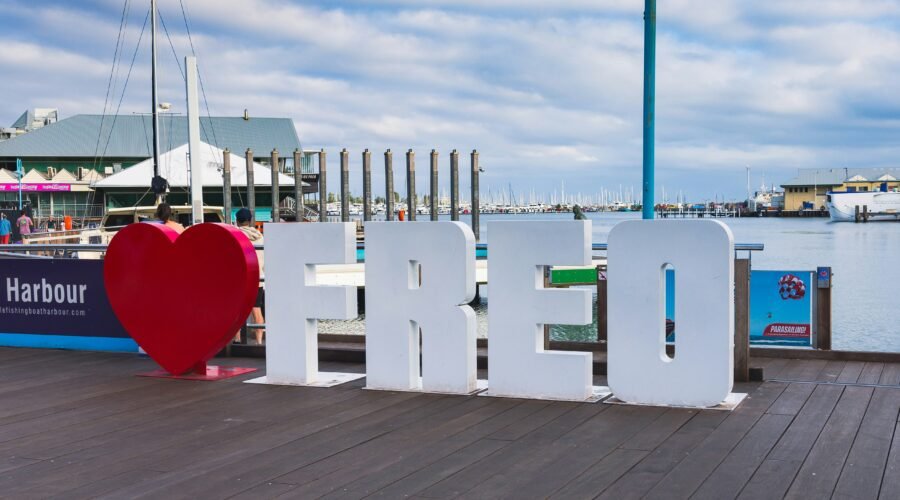
For most travelers, the best time to visit Fremantle is during autumn or spring, when you can explore the port city in comfortable weather without the strongest summer heat or the wetter conditions of mid-winter. March to April and October to November are especially useful windows for walking, outdoor dining, beaches, markets, and day trips.
Quick Answer
The best time to visit Fremantle is generally March to April or October to November. These months balance mild-to-warm coastal weather with good conditions for sightseeing, cycling, beaches, outdoor dining, and Rottnest Island trips. Winter can suit budget-conscious travelers, while summer works best if hot weather and holiday crowds do not bother you.
Key Takeaways
- Best overall: March-April and October-November for comfortable sightseeing weather.
- Best for beaches: Summer and early autumn, although very hot days can occur.
- Best for fewer visitors: Winter outside school holidays and major event weekends.
- Best chance of lower accommodation rates: Often winter or quieter midweek dates, but prices change with demand.
- Best for Rottnest Island: Spring and autumn provide comfortable conditions for cycling and walking.
- Whale watching: Humpbacks are particularly associated with the Perth and Rottnest area during the southbound migration from September to November, although some winter migration tours also operate.
Let’s break down why these periods work so well and what you can expect throughout the year.
Fremantle has a Mediterranean climate, with warm to hot, relatively dry summers and cooler, wetter winters. Because Fremantle sits directly on the coast, conditions can differ from inland Perth. The City of Fremantle lists a typical January range of about 18.3-27.7°C and a July range of about 10.2-17.6°C, while nearby coastal Bureau of Meteorology stations show that occasional summer heat can be much stronger.
Best Time to Visit Fremantle by Season
| Season | Typical Conditions | Crowds | Best For |
| Summer Dec-Feb |
Warm to hot, dry, sunny; heatwaves possible | Often busiest around Christmas and January school holidays | Beaches, evening dining, summer atmosphere |
| Autumn Mar-May |
Warm in March, gradually cooler; rainfall increases toward May | Moderate, with Easter and school-holiday spikes | Walking, cycling, beaches, outdoor dining |
| Winter Jun-Aug |
Cooler and wetter, with changing coastal weather | Usually quieter outside July holidays and events | Museums, galleries, cafes, lower-demand travel dates |
| Spring Sep-Nov |
Mild to warm; rainfall generally decreases as summer approaches | Moderate, with a school-holiday bump in late Sep/early Oct | Sightseeing, Rottnest, wildflowers, whale watching |
Summer in Fremantle: December to February
Summer is Fremantle’s hottest and driest period. It suits travelers who want beaches, long evenings, and a lively holiday atmosphere, but you should be prepared for strong sunshine and occasional extreme heat.
Weather in Summer
Typical coastal temperatures are lower than the original 30-33°C daily-average estimate suggested. Official City of Fremantle data puts January at roughly 18.3-27.7°C, while the nearby open Bureau of Meteorology station at Swanbourne records mean maximum temperatures around 30°C in January and February. Temperatures above 35°C occur during hot spells, and 40°C-plus days are possible.
The famous Fremantle Doctor can bring relief later in the day. The Bureau of Meteorology describes it as the local afternoon sea breeze affecting the Perth region, although its strength and timing vary with weather conditions.
Crowd Levels in Summer
Summer is one of the liveliest periods, particularly from late December through January when Australian school holidays, Christmas travel, beach weather, and major leisure activities overlap. Expect popular restaurants, beaches, Rottnest ferries, and weekend attractions to be busier than they are during quieter parts of the year.
Costs in Summer
Accommodation and airfares are dynamically priced, so there is no reliable rule that every summer date will be the most expensive. However, Christmas, New Year, January school holidays, long weekends, and major events can reduce availability and push rates higher. Compare several dates and book early if your itinerary is fixed.
Things to Consider in Summer
- Hydration: Carry water when walking or cycling in hot weather.
- Sun protection: Use sunscreen, a hat, sunglasses, and shade, particularly around midday.
- Book high-demand activities: Reserve accommodation, Rottnest transport, and must-do tours early around holiday periods.
- Beach time: South Beach and Leighton Beach are popular choices for coastal time.
- Fremantle Prison: Indoor or partly sheltered attractions can break up a hot sightseeing day.
- Evenings: Warm nights can be excellent for outdoor dining and walks around the waterfront and Esplanade.
Warning: A mild-looking coastal forecast can still turn into a very hot summer day. Check the Bureau of Meteorology forecast before long walks, cycling trips, or exposed outdoor activities and move strenuous plans to the morning when extreme heat is forecast.
Autumn in Fremantle: March to May
Autumn is one of the strongest choices for a Fremantle trip. March can still feel summery, while April and May gradually bring cooler afternoons and nights.
Weather in Autumn
Nearby coastal climate data shows mean maximum temperatures declining from the upper 20s in March to the low 20s by May. Rainfall also increases as winter approaches. March and April therefore offer an especially useful balance if you want warmth without relying on peak-summer conditions.
Crowd Levels in Autumn
Visitor pressure generally becomes easier to manage after the main summer holiday period, but Easter and the April school break can temporarily increase demand. Weekends remain lively around the markets, waterfront, restaurants, and major events.
Costs in Autumn
Autumn can offer good value outside Easter, school holidays, and event weekends. Instead of assuming rates will always be cheaper than summer, compare midweek stays and flexible date combinations.
Things to Consider in Autumn
- Bring a layer: Evenings become cooler as the season progresses.
- Outdoor activities: Conditions are often comfortable for exploring Fremantle on foot or by bike.
- Rottnest Island: Autumn offers warm-to-mild conditions for cycling and walking, although Easter and school holidays should be booked early.
- Events: Easter and autumn can bring major cultural events, including the Fremantle International Street Arts Festival in years when it is scheduled.
- Swan Valley: The wine region remains possible as a separate day trip from Fremantle.
- Photography: Cooler afternoons make it easier to spend longer around the historic streets and waterfront.
Winter in Fremantle: June to August
Winter is mild compared with many colder-climate destinations, but it is Fremantle’s coolest and wettest season. It can still work well if you prioritize museums, heritage sites, cafes, galleries, and quieter sightseeing.
Weather in Winter
The City of Fremantle gives a typical July temperature range of approximately 10.2-17.6°C. Nearby Bureau of Meteorology coastal data also shows that June through August receives substantially more rainfall than summer. Conditions can change quickly, especially around passing fronts and coastal winds.
Crowd Levels in Winter
Winter is often a quieter choice than summer, particularly outside the July school break and major festivals. That can make museums, streets, restaurants, and heritage attractions feel more relaxed, although weekends and special events can still be busy.
Costs in Winter
Lower-demand winter dates may produce attractive accommodation deals, but there is no universal lowest-price season. Search your exact dates and check whether a festival, school holiday, sporting fixture, or conference is affecting local demand.
Things to Consider in Winter
- Pack for rain: Bring a waterproof outer layer and closed footwear.
- Indoor attractions: Fremantle’s museums, galleries, historic buildings, cafes, and pubs make wet-weather planning straightforward.
- Whale watching: Some operators now offer winter trips targeting the northbound humpback migration. The better-known Perth and Rottnest southbound viewing period follows in spring, particularly September to November.
- Fremantle Markets: The markets continue trading on their scheduled Friday-Sunday days and public-holiday Mondays.
- Flexibility: Keep at least one indoor alternative available in case a planned beach or outdoor day turns wet or windy.
Spring in Fremantle: September to November
Spring is the other prime visiting window. September begins cooler and can still receive rain, while October and November move toward warmer, drier summer conditions.
Weather in Spring
Nearby coastal Bureau of Meteorology averages show mean maximum temperatures rising from about 20°C in September to roughly 25°C in November. Rainfall generally drops as spring progresses. That makes October and November particularly appealing for travelers who want warm weather without planning their entire trip around peak summer heat.
Crowd Levels in Spring
Crowds are usually manageable, but the late-September and early-October school break creates a noticeable family-travel period. Major October events can also make specific weekends much busier than the surrounding dates.
Costs in Spring
Accommodation demand can rise as the weather warms. Early booking is sensible for school holidays, long weekends, major festivals, and trips that depend on specific Rottnest ferry times.
Things to Consider in Spring
- Wildflowers: Spring is an excellent period for native wildflowers in the wider region and on Wadjemup / Rottnest Island.
- Outdoor dining: Warmer days and evenings suit Fremantle’s outdoor dining areas.
- Rottnest Island: Spring temperatures are well suited to cycling, hiking, wildlife viewing, and beach stops.
- Whale watching: Humpbacks are commonly associated with the Perth and Rottnest area during their southbound migration from September to November.
- Events: The city calendar becomes active again in spring, particularly around October.
- Photography: Longer daylight and comfortable walking temperatures can make it easier to cover Fremantle’s historic center and waterfront in one day.
If you’re comparing how weather, crowds, and costs affect very different destinations, the site’s existing guide to the best time to visit Cacabey Madrasa in Kırşehir provides another seasonal-planning example.
Planning Your Fremantle Visit Beyond the Seasons
Weather is only one part of choosing the best time to visit Fremantle. School holidays, event weekends, market days, and Rottnest plans can have just as much influence on how busy or expensive a particular date feels.
For another example of comparing travel seasons using weather, crowd, and cost factors, the existing guide to the best time to visit Düzce covers the same planning approach for a different destination.
Events and Festivals
Fremantle has an active cultural calendar, but event dates and programs change from year to year. Always confirm dates on the official City of Fremantle calendar before booking a trip around one event.
Major Annual and Current Events
- Fremantle International Street Arts Festival: Usually associated with the Easter period. In 2026, the four-day festival ran from 3 to 6 April.
- Sculpture by the Sea, Cottesloe: This major outdoor art exhibition takes place at nearby Cottesloe Beach rather than Fremantle itself. The 2026 exhibition ran from 6 to 23 March.
- Fremantle Heritage Festival: A program of heritage walks, talks, exhibitions, performances, and community events. In 2026 it ran from 18 April to 18 May.
- Fremantle Festival: 10 Nights in Port: The city’s major winter arts festival. The 2026 program ran from 20 to 30 August across multiple Fremantle venues.
- October cultural events: Fremantle’s spring calendar can be busy. In 2026, Totally Lit ran from 2 to 16 October, the inaugural F.RE.O Fashion Festival was scheduled for 17 October, and the Blessing of the Fleet for 25 October.
Note: Festival names, dates, and venues can change each year. Treat the dates above as verified 2026 examples, not permanent annual dates.
Fremantle Market Days
Fremantle Markets are currently open Friday, Saturday, Sunday, and public-holiday Mondays. The Yard generally trades from 8am to 6pm, while the Hall generally trades from 9am to 6pm. If the markets are a priority, avoid planning your only Fremantle day for an ordinary Monday through Thursday.
Western Australia School Holidays
School holidays matter because local families also travel, visit attractions, take ferries, and book accommodation during these periods.
For Western Australian public schools in 2026, the published breaks are:
- Autumn break: 3-19 April 2026
- Winter break: 4-19 July 2026
- Spring break: 26 September-11 October 2026
- Summer break: Term 4 ends on 17 December 2026, after which the long summer holiday begins.
These dates change each year, and individual schools can also have development days. Check the Western Australian Department of Education calendar for the year you intend to travel.
Pro Tip: If you want good weather without the strongest holiday demand, compare weekdays in March, late April outside the Easter break, October after the spring school holidays, and November before the Christmas travel period.
Choosing the Best Time for Your Travel Style
The ideal month depends on what you want to do.
- Beach-focused trip? Choose summer, March, or early April if warm coastal weather is your priority.
- Culture and heritage? Spring and autumn offer comfortable walking conditions, while winter works well for museums and galleries.
- Budget-focused trip? Compare winter and other low-demand midweek dates rather than assuming one month is always cheapest.
- Want fewer crowds? Look at winter outside July school holidays or shoulder-season weekdays outside major events.
- Food-focused trip? Fremantle works year-round, with spring and autumn especially comfortable for outdoor dining.
- Cycling or walking? Spring and autumn reduce the chance that extreme summer heat will dominate your plans.
- Rottnest Island? Spring and autumn are excellent for cycling and walking, while summer suits swimming if you are comfortable with heat and higher holiday demand.
- Whale watching? September to November is the classic Perth/Rottnest period for southbound humpbacks, with some operators also running winter migration trips.
Conclusion: When Should You Visit Fremantle?

Fremantle can work in every season, but March-April and October-November offer the best overall balance for most visitors. You get comfortable conditions for walking, eating outdoors, exploring heritage streets, visiting the coast, and taking a Rottnest Island day trip without depending on the hottest part of summer.
Choose summer if beaches and warm evenings matter most, winter if you prefer cooler sightseeing and potentially lower-demand dates, and spring if you want wildflowers and the main southbound humpback migration period. Whatever month you choose, check the short-range weather forecast, school-holiday calendar, event schedule, and accommodation rates for your exact dates before booking.

Frequently Asked Questions
What is the best time to visit Fremantle for good weather?
March to April and October to November are usually the strongest all-round choices. They offer warm or mild coastal weather that works well for sightseeing, walking, cycling, outdoor dining, beaches, and Rottnest Island trips without relying on peak-summer conditions.
When is Fremantle busiest?
Demand can be highest during Christmas and January school holidays, Easter, spring school holidays, long weekends, and major event dates. Summer weekends are lively, but a specific festival or holiday can make a shoulder-season weekend just as busy.
What is the quietest time to visit Fremantle?
Winter outside the July school holidays is often a good choice for travelers who prefer quieter sightseeing. Midweek visits in spring and autumn can also feel relaxed compared with weekends, festivals, and school-holiday periods.
When is Fremantle cheapest to visit?
There is no guaranteed cheapest month because hotel and airfare prices change with demand. Winter and quieter midweek dates can offer better value, while Christmas, school holidays, Easter, long weekends, and major events may increase rates.
Is summer too hot for Fremantle?
Not necessarily. Typical coastal summer conditions are milder than the original 30-33°C daily-average estimate, but heatwaves can push temperatures well above 35°C and occasionally beyond 40°C. Plan exposed activities for cooler parts of the day when very hot weather is forecast.
When is the best time to visit Rottnest Island from Fremantle?
Spring and autumn are excellent for cycling, hiking, wildlife viewing, and beach stops because temperatures are generally comfortable. Summer is popular for swimming but can be hotter and busier, particularly during school holidays.
When can you see humpback whales near Fremantle?
September to November is the established southbound humpback migration period around Perth and Rottnest Island. Some operators also offer winter trips for whales moving north, so check current departure schedules for your travel dates.
What days should I visit if I want to see Fremantle Markets?
Plan for Friday, Saturday, Sunday, or an applicable public-holiday Monday. The Yard and Hall have different opening times, so confirm the latest trading hours before your visit.
Sources
- City of Fremantle — Fast Facts — Fremantle climate classification and local summer/winter temperature ranges.
- Australian Bureau of Meteorology — Swanbourne Climate Statistics — current nearby coastal temperature and rainfall averages.
- Western Australian Department of Education — Term Dates — official 2026 school terms and holiday breaks.
- Fremantle Markets — current trading days and opening hours.
- City of Fremantle — Festivals and Events — current official festival information.
- Department of Biodiversity, Conservation and Attractions — Rottnest Island — Rottnest location, wildlife, and humpback migration timing.