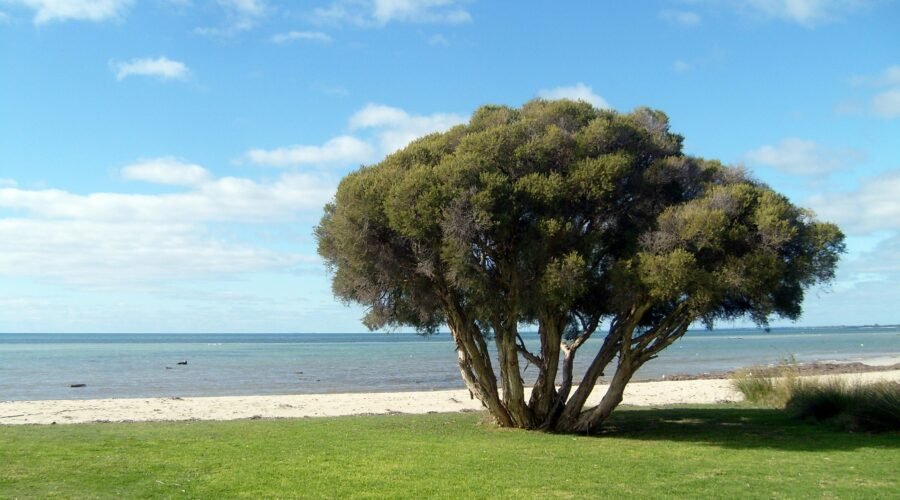
So, you’re thinking about a trip to Dunsborough, Western Australia? Great choice! This little slice of the Southwest is beautiful year-round, but the “best” time to visit really depends on what you’re after. Generally, if you want warm, sunny weather and don’t mind a few more people around, summer (December to February) is your prime time. However, if you prefer a quieter vibe, slightly cooler temperatures, and lower prices, spring (September to November) and autumn (March to May) are fantastic contenders. Winter has its own charm too, especially if you’re looking for a cozy escape and dramatic coastal scenery.
Summer: The Buzzing Beach Season
Summer in Dunsborough means sunshine, long days, and that unmistakable holiday atmosphere. If you’re dreaming of hitting the beaches, swimming, and soaking up the sun, this is the season for you.
Weather in Summer
- Temperatures: Expect warm to hot days with average maximums ranging from 25°C to 30°C (77°F to 86°F). Evenings are usually pleasant, dropping to around 15°C to 18°C (59°F to 64°F), perfect for dining al fresco.
- Sunshine: This is the driest time of year. You’ll be looking at plenty of clear skies and sunshine, making it ideal for all outdoor activities.
- Sea Conditions: The Indian Ocean is at its warmest, typically between 20°C and 23°C (68°F to 73°F), making swimming, snorkelling, and paddleboarding incredibly enjoyable. The water is generally calmer, too, though occasional sea breezes can pick up in the afternoons.
Crowds in Summer
- Peak Season: December, January, and February are Dunsborough’s busiest months. This is primarily due to school holidays and people taking their annual leave.
- What to Expect: Beaches will be lively, popular cafes and restaurants will be busy, and accommodation will be at its most sought-after. If you enjoy a vibrant atmosphere and don’t mind sharing your space, this is perfect.
- Booking Ahead: Seriously, book your accommodation and any popular restaurant reservations well in advance. We’re talking months ahead if you want specific places during the Christmas and New Year period.
Costs in Summer
- Price Hikes: As you’d expect during peak season, prices for accommodation, flights (if you’re flying into Perth and driving down), and even some activities will be at their highest.
- Value for Money: While it’s more expensive, you’re paying for the quintessential Dunsborough summer experience – perfect weather, all amenities open, and a buzzing atmosphere.
What to Do in Summer
- Beach Hopping: Explore iconic spots like Meelup Beach, Eagle Bay, Bunker Bay, and Geographe Bay itself. They’re all stunning and offer different vibes.
- Water Sports: With warm seas and generally calm conditions, it’s prime time for swimming, snorkelling, kayaking, stand-up paddleboarding, and surfing (especially at spots like Yallingup, just north of Dunsborough).
- Wineries and Breweries: The Margaret River region is right on your doorstep, and summer is a fantastic time to visit the cellar doors. Many have outdoor seating and offer beautiful views.
- Dine Out: Enjoy the fresh local produce at the numerous restaurants and cafes. Outdoor seating is a must in summer.
If you’re planning a trip to Dunsborough, Western Australia, understanding the best time to visit is crucial for maximizing your experience. For travelers interested in exploring other beautiful destinations, you might find it helpful to read about the best time to visit Hasankeyf, Batman, which covers similar aspects such as weather, crowds, and costs. You can find this insightful article here: Best Time to Visit Hasankeyf, Batman: Weather, Crowds, and Costs.
Spring: Blooming Beauty and Gentle Breezes
Spring brings Dunsborough to life after the cooler months. It’s a wonderful time for those who appreciate milder weather, fewer crowds, and a landscape bursting with colour.
Weather in Spring
- Temperatures: You’ll experience a pleasant warming trend. Early spring (September) can still be a bit cool and showery, with average maximums around 18°C to 22°C (64°F to 72°F). By late spring (November), it can feel very much like summer, with temperatures creeping up.
- Sunshine: Sunshine hours increase significantly throughout spring. While you might get the odd showery day, particularly in September, you’ll also have plenty of glorious, sunny afternoons.
- Sea Conditions: The ocean is still cool in early spring, typically around 18°C to 20°C (64°F to 68°F). It gradually warms up, but a wetsuit is generally recommended for longer swims or water sports until late spring.
Crowds in Spring
- Shoulder Season: Spring is a fantastic shoulder season. It’s significantly less crowded than summer, especially outside of school holiday periods.
- What to Expect: You’ll find a relaxed atmosphere. Beaches are more accessible, parking is easier to find, and you won’t have to queue for long at cafes.
- School Holiday Impact: Keep an eye on Western Australian school holiday dates, as these can bring temporary spikes in visitor numbers, particularly around the end of September/early October.
Costs in Spring
- More Affordable: Generally, spring offers better value than summer. Accommodation prices are often lower, and you might snag some good deals, especially for longer stays.
- Good Balance: It’s a great time to visit if you want to experience pleasant weather without the premium summer price tag.
What to Do in Spring
- Wildflowers: This is arguably the best time to see the incredible Western Australian wildflowers. The region is carpeted with colour, and there are numerous walking trails specifically for wildflower spotting.
- Coastal Walks: The Cape to Cape Track is particularly stunning in spring, with wildflowers and fewer people than in summer.
- Winery Exploration: Cellar doors are less crowded, allowing for more personal interactions with winemakers and staff. The vineyards are also beautifully green.
- Whale Watching: The humpback whale migration along the coast typically runs from May to November, with spring being a prime time to spot them breaching and travelling north. Boat tours depart from nearby Augusta and Geographe Bay.
- Photography: The light is often beautiful in spring, and the blooming flora provides endless photographic opportunities.
Autumn: Golden Hues and Serene Shores
Autumn in Dunsborough is a truly special time. The crowds thin out considerably, the temperatures are incredibly pleasant, and the landscape takes on a beautiful, warm glow.
Weather in Autumn
- Temperatures: Autumn offers mild and comfortable weather. Early autumn (March) can still feel like summer, with highs around 23°C to 27°C (73°F to 81°F). By May, it cools down, with average maximums around 20°C to 23°C (68°F to 73°F). Evenings become cooler, often dropping to 12°C to 15°C (54°F to 59°F).
- Sunshine: You’ll still get plenty of sunshine, though days start to shorten. The light has a beautiful golden quality in the afternoons, perfect for photography and leisurely strolls.
- Sea Conditions: The ocean remains warm enough for swimming well into April, often holding temperatures similar to late spring. It gradually cools as autumn progresses.
Crowds in Autumn
- Quiet and Relaxed: This is the definition of a peaceful getaway. After the summer rush, Dunsborough becomes a haven of tranquility.
- What to Expect: You’ll have beaches largely to yourself, easy access to restaurants, and a general sense of calm. It’s ideal for couples or anyone seeking a relaxing break.
- Local Feel: You get a more authentic feel of the town when it’s not packed with holidaymakers.
Costs in Autumn
- Excellent Value: Autumn is one of the most cost-effective times to visit. Accommodation prices drop significantly, and you can often find great deals.
- Budget-Friendly: If you’re travelling on a budget but still want fantastic weather, autumn is your sweet spot.
What to Do in Autumn
- Explore Wineries: Autumn is harvest season in the Margaret River region, which is a fascinating time to visit wineries. You can often see grapes being picked and processed.
- Coastal Drives: The colours of the trees and the quality of the light make for stunning drives along the coast.
- Surfing: Conditions can be excellent in autumn as swells often pick up, and the water is still inviting.
- Fishing: The cooler weather and calmer seas can be ideal for fishing trips.
- Relax and Recharge: With fewer people around, it’s the perfect time to simply unwind, read a book on the beach, or enjoy leisurely meals.
Winter: Dramatic Coastlines and Cozy Escapes
While not everyone’s first thought, winter in Dunsborough has a unique appeal for those who enjoy dramatic scenery, cozy interiors, and a true escape from the crowds.
Weather in Winter
- Temperatures: Expect cooler days, with average maximums ranging from 17°C to 20°C (63°F to 68°F). Evenings and nights will be chilly, often dropping to 8°C to 12°C (46°F to 54°F), so pack warm layers and a good jacket.
- Rainfall: Winter is the wettest season, so be prepared for rain. However, it’s not constant – you’ll often get breaks of sunshine between showers, and the rain can be quite dramatic and beautiful over the ocean.
- Sea Conditions: The ocean is at its coolest, typically around 17°C to 19°C (63°F to 66°F). It can be quite rough and powerful, creating impressive waves along the coast.
Crowds in Winter
- Low Season: Winter is the quietest time of year in Dunsborough.
- What to Expect: You’ll feel like you have the place to yourself. It’s incredibly peaceful, and you won’t have any trouble getting a table at restaurants or finding parking.
- Local Life: You’ll experience Dunsborough more as a local community, rather than a tourist hotspot.
Costs in Winter
- Lowest Prices: This is when you’ll find the best deals on accommodation. Many places offer significant discounts to attract visitors during the cooler months.
- Budget-Friendly: If cost is a major factor, winter is definitely the most affordable time to visit.
What to Do in Winter
- Storm Watching: The dramatic winter storms rolling in off the Indian Ocean are a spectacular sight. Find a sheltered spot with a good view, like Cape Naturaliste Lighthouse, and watch the power of nature.
- Coastal Walks (with caution): Even in winter, shorter coastal walks can be invigorating. Just be mindful of slippery paths and strong winds.
- Winery Lunches: Many wineries offer incredible dining experiences. A long, leisurely lunch by a roaring fire with a glass of local red wine is a perfect winter activity.
- Art Galleries and Studios: Explore the local art scene. Winter can be a good time to visit studios and galleries as there are fewer distractions.
- Comfort Food: Embrace the cozy vibe by seeking out hearty meals at local pubs and cafes.
- Whale Watching (early winter): The whale migration can still be seen in early winter, with tours often operating out of Augusta until late November/early December.
If you’re planning a trip to Dunsborough, Western Australia, it’s essential to consider not only the best time to visit but also how it compares to other destinations. For instance, you might find it helpful to explore the best time to visit Ürgüp in Nevşehir, Turkey, which offers insights into weather patterns, crowd levels, and costs that could enhance your travel planning. You can read more about it in this article on the best time to visit Ürgüp. Understanding these factors can help you make the most of your experience in Dunsborough.
Choosing Your Perfect Time: A Quick Summary
To wrap it up, let’s break down the “best” time based on your priorities:
- For the Quintessential Beach Holiday: Summer (December – February) – but book well ahead and be prepared for crowds and higher prices.
- For Wildflowers, Whales, and Mild Weather: Spring (September – November) – a great balance of good weather and manageable crowds, especially if you avoid school holidays.
- For Peace, Value, and Golden Light: Autumn (March – May) – ideal for a relaxed escape with pleasant temperatures and lower costs.
- For Dramatic Scenery and Cozy Vibes: Winter (June – August) – if you don’t mind cooler, wetter weather and want the ultimate tranquil experience with the lowest prices.
Ultimately, Dunsborough is a beautiful destination year-round. Think about what kind of experience you’re looking for, and that will help you decide when to pack your bags. Enjoy your trip!
FAQs
1. What is the best time to visit Dunsborough, Western Australia in terms of weather?
The best time to visit Dunsborough, Western Australia is during the summer months of December to February when the weather is warm and sunny, perfect for enjoying the beaches and outdoor activities.
2. When is the peak tourist season in Dunsborough, Western Australia?
The peak tourist season in Dunsborough, Western Australia is during the summer months of December to February when the beaches and attractions are most crowded.
3. What is the off-peak season in Dunsborough, Western Australia?
The off-peak season in Dunsborough, Western Australia is during the winter months of June to August when the weather is cooler and there are fewer tourists, making it a quieter time to visit.
4. When is the best time to visit Dunsborough, Western Australia to avoid crowds?
To avoid crowds, it is best to visit Dunsborough, Western Australia during the shoulder seasons of spring (September to November) and autumn (March to May) when the weather is still pleasant but the tourist numbers are lower.
5. What is the cost of visiting Dunsborough, Western Australia during the peak tourist season?
During the peak tourist season, the cost of visiting Dunsborough, Western Australia may be higher due to increased demand for accommodations and activities. It is advisable to book in advance to secure better prices.