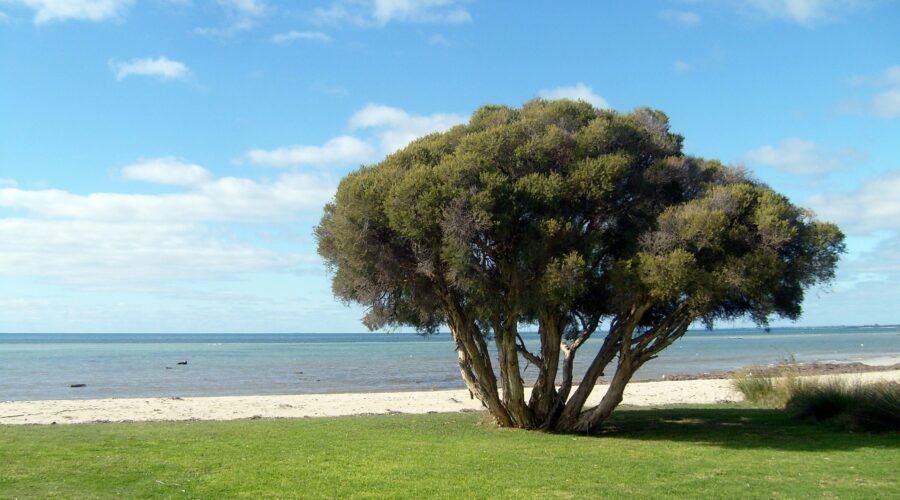
Choosing the best time to visit Dunsborough, Western Australia, depends on what matters most to you. Summer brings the warmest beach weather and the biggest holiday crowds, while spring combines wildflowers, whale watching and increasingly pleasant days. Autumn is often a strong choice for mild weather and a quieter atmosphere, and winter suits travellers who prefer dramatic coastal scenery, winery lunches and fewer visitors.
Quick Answer
For most visitors, October to November and March to April offer the best balance of comfortable weather and manageable crowds in Dunsborough. Choose December to February for the warmest beach conditions, September to mid-December for whale watching, spring for wildflowers, or winter for a quieter, cooler getaway.
Key Takeaways
- Best overall balance: October-November or March-April.
- Best for a classic beach holiday: December-February, especially if warm weather matters more than crowds or cost.
- Best for whales and wildflowers: Spring. Dunsborough’s main whale-watching window is generally September to mid-December.
- Best chance of quieter stays: Autumn and winter outside school holidays, Easter, long weekends and major events.
- Wettest period: Winter. Pack layers and waterproof clothing if you visit from June through August.
Best Time to Visit Dunsborough at a Glance
| Season | Weather | Crowds | Best For |
|---|---|---|---|
| Summer Dec-Feb |
Warmest and driest period | Highest around Christmas, New Year and January | Beaches, swimming, paddling, outdoor dining |
| Autumn Mar-May |
Warm early, cooler later | Usually lower outside Easter and holidays | Walking, wineries, surfing, relaxed trips |
| Winter Jun-Aug |
Coolest and wettest | Generally quiet | Coastal scenery, food, wineries, quiet escapes |
| Spring Sep-Nov |
Mild and increasingly warm | Moderate, with school-holiday spikes | Whales, wildflowers, hiking, photography |
Note: Dunsborough does not have the same long-term Bureau of Meteorology record as larger nearby centres, so Busselton Aero climate statistics are a useful nearby reference. Local temperatures and coastal conditions can still vary from beach to beach.
Nearby Busselton Aero climate normals show mean maximum temperatures around 28-30°C in summer, compared with roughly 17°C in mid-winter. Winter also receives substantially more rainfall than summer.
Summer in Dunsborough: The Beach Season
Summer in Dunsborough runs from December through February and offers the most reliable combination of warm days, low rainfall and long daylight hours. If your trip is built around beaches, swimming and outdoor dining, this is the most straightforward season to choose.
Weather in Summer
- Temperatures: Nearby Busselton Aero averages a maximum of about 28.3°C in December, 30.4°C in January and 30.2°C in February. Hotter days can occur, so sun protection and hydration matter.
- Rainfall: Summer is much drier than winter. Long dry spells are common, although an occasional shower or storm is still possible.
- Evenings: Nights are generally comfortable, but temperatures can be cooler than the original article suggested, especially when sea breezes develop.
- Sea conditions: Protected beaches around Geographe Bay are popular for swimming and paddling. Conditions on the more exposed Indian Ocean side of Cape Naturaliste and around Yallingup can be very different, particularly for surf and swell.
Tourism Western Australia describes Dunsborough’s town beaches as shallow and relatively tranquil, which helps explain their popularity with families. Always assess conditions on the day rather than assuming every beach around the cape will be calm.
Crowds in Summer
- Main peak: The busiest period is generally around Christmas, New Year and January, when summer holidays bring a large influx of visitors.
- February: February remains warm and can still be busy on weekends, but it should not automatically be treated as part of the main school-holiday peak.
- Restaurants and beaches: Popular beaches, cafes, restaurants and parking areas can fill quickly on warm days.
- Booking ahead: Accommodation for late December and January is worth reserving well ahead if you need a specific property or location.
Pro Tip: If you want summer warmth with less school-holiday pressure, consider February after the school year has resumed. Holiday dates change each year, so confirm them using the WA Department of Education term calendar.
Costs in Summer
- Holiday demand: Accommodation and transport can be more expensive around Christmas, New Year, January school holidays and major event weekends.
- No fixed summer premium: Rates vary by property, booking lead time and exact dates, so there is no reliable percentage by which summer is always more expensive.
- Best strategy: If your dates are fixed, compare options early rather than waiting for last-minute availability during the holiday peak.
What to Do in Summer
- Beach hopping: Spend time at Meelup Beach, Eagle Bay, Bunker Bay and the beaches around Geographe Bay.
- Water sports: Swimming, kayaking and stand-up paddleboarding are popular in protected areas. More exposed locations around Yallingup are better known for surf.
- Wineries and breweries: Dunsborough sits at the northern end of the Margaret River wine region, making cellar-door visits easy to combine with a beach trip.
- Dine outdoors: Longer daylight hours make summer a good season for relaxed breakfasts, lunches and evening meals outside.
If you’re planning a trip to Dunsborough, Western Australia, understanding the best time to visit is crucial for maximizing your experience. For travelers interested in exploring other beautiful destinations, you might find it helpful to read about the best time to visit Hasankeyf, Batman, which covers similar aspects such as weather, crowds, and costs. You can find this insightful article here: Best Time to Visit Hasankeyf, Batman: Weather, Crowds, and Costs.
Spring in Dunsborough: Whales, Wildflowers and Mild Weather
Spring runs from September through November. It is one of the strongest all-round periods to visit because temperatures rise steadily while the surrounding coast and bushland produce two major seasonal highlights: wildflowers and migrating whales.
Weather in Spring
- September: Nearby Busselton Aero averages a maximum of about 18.5°C, so mornings and evenings can still feel cool.
- October: Conditions become milder, with the nearby mean maximum increasing to about 21.3°C.
- November: The nearby mean maximum reaches about 25°C, making late spring feel increasingly summer-like.
- Rain: September can still be showery after winter, while October and November generally become progressively drier.
- Water: The sea can feel cool in early spring. If you plan long sessions in the water, conditions and personal cold tolerance matter more than the calendar alone.
Crowds in Spring
- Shoulder-season advantage: Outside school holidays and long weekends, spring can be noticeably calmer than the Christmas-January peak.
- School-holiday spike: Late September and early October can become busier when WA school holidays fall across those weeks.
- Parking and dining: Access is generally easier than at the height of summer, although popular places can still be busy on sunny weekends.
Costs in Spring
- Often better value: Accommodation may be better value than during the Christmas-New Year peak, particularly outside school holidays and weekends.
- Not automatically cheap: Whale season, spring events and school holidays can still increase demand.
What to Do in Spring
- See wildflowers: Spring is an excellent time to explore the low coastal heath and woodland of Leeuwin-Naturaliste National Park. DBCA specifically highlights the park’s spring wildflowers.
- Walk the Cape to Cape Track: Cooler temperatures can make walking more comfortable than in midsummer. The official Cape to Cape Track page provides current trail information and diversions.
- Go whale watching: Tourism Western Australia lists Dunsborough’s main whale-watching period as roughly September to mid-December. During this part of the migration, humpback whales and calves are generally returning south toward colder feeding waters.
- Visit Cape Naturaliste: Lookouts around the cape can provide shore-based whale-watching opportunities when animals pass close enough to the coast.
- Explore wineries: Cellar doors can be easier to enjoy outside the main summer holiday rush.
- Photography: Wildflowers, green landscapes, changeable skies and migrating whales give photographers plenty of seasonal subjects.
Autumn in Dunsborough: Warm Days and a Quieter Pace
Autumn covers March through May. Early autumn can retain much of summer’s warmth, while April and May gradually become cooler and wetter. For travellers who want outdoor weather without the Christmas-January rush, March and April can be particularly appealing.
Weather in Autumn
- March: Nearby Busselton Aero has a mean maximum of about 28°C, so early autumn can still feel like summer.
- April: The nearby mean maximum drops to about 24°C, which is comfortable for walking, sightseeing and winery visits.
- May: The nearby mean maximum is around 20.6°C, with noticeably cooler nights and more frequent rain.
- Sea conditions: Water retains summer warmth for a while, but conditions vary substantially between sheltered Geographe Bay and the exposed coast.
Crowds in Autumn
- Generally calmer: Visitor numbers usually ease after the main summer holiday period.
- Important exceptions: Easter, school holidays, public-holiday weekends and special events can create short periods of high demand.
- More relaxed feel: Outside those dates, dining, parking and popular coastal stops may feel less pressured than in January.
Costs in Autumn
- Potentially better value: Autumn often gives you more accommodation choice outside Easter, school holidays and long weekends.
- No guaranteed discount: Prices depend on the property and date, so it is more accurate to describe autumn as a potential value period rather than promise a significant price drop.
What to Do in Autumn
- Explore wineries: Autumn coincides with vintage activity across the Margaret River wine region, making it an interesting season for cellar-door visits.
- Take coastal drives: Milder temperatures suit trips between Dunsborough, Cape Naturaliste, Yallingup and the wider Margaret River region.
- Surf: Autumn can produce rewarding surf conditions on exposed parts of the coast, although swell, wind and ability level should always guide where you enter the water.
- Fish: Autumn can be comfortable for shore or boat fishing when marine conditions cooperate.
- Slow down: A quieter period is ideal for long lunches, short coastal walks and less structured days at the beach.
Winter in Dunsborough: Rainy Days and Dramatic Coastal Scenery
Winter runs from June through August and is Dunsborough’s coolest and wettest season. It will not suit travellers seeking a guaranteed beach holiday, but it has real appeal if you like dramatic ocean views, quiet accommodation, wineries, galleries and cool-weather walking between showers.
Weather in Winter
- Temperatures: Nearby Busselton Aero records mean maximums of about 17-18°C through winter, with mean minimums around 7-8°C.
- Rainfall: Winter is the wettest part of the year. In the nearby BOM record, July has the highest average monthly rainfall.
- Wind: Cold fronts can bring strong winds as well as rain, especially along exposed sections of coast.
- Sea conditions: Water is cooler and exposed beaches can experience powerful swell. Protected Geographe Bay and the open Indian Ocean coast should not be treated as having the same conditions.
Crowds in Winter
- Generally low season: Winter is typically much quieter than the main summer holiday period.
- Easier access: Restaurants, parking areas and popular viewpoints may be less crowded, although weekends and events can still draw visitors.
- Local atmosphere: With fewer holidaymakers around, the town can feel more relaxed and residential.
Costs in Winter
- Potential savings: Winter can offer a better chance of lower accommodation rates because demand is often weaker.
- Not guaranteed: Premium properties, special events and weekend dates can still command high rates, so compare actual prices rather than assuming every winter stay is cheapest.
What to Do in Winter
- Watch the weather from a safe viewpoint: Cape Naturaliste and other designated coastal lookouts can be impressive when winter systems move through.
- Take shorter coastal walks: Choose appropriate routes and adjust your plans for wind, rain, slippery surfaces or temporary trail closures.
- Enjoy winery lunches: Winter is well suited to longer indoor meals and cellar-door visits across the Margaret River region.
- Visit galleries and studios: Indoor attractions are useful when showers interrupt outdoor plans.
- Seek out comfort food: Cafes, restaurants and pubs become a bigger part of a cool-weather itinerary.
- Combine Dunsborough with winter whale watching farther south: The broader South West whale season begins earlier around Augusta. Dunsborough itself becomes a stronger whale-watching base later, particularly from September into December.
Warning: Do not approach exposed rock platforms or rough water simply for a better storm or whale view. Winter fronts can bring powerful swell, gusty winds and slippery tracks. Use designated lookouts and check Bureau of Meteorology forecasts and current park or trail alerts before heading out.
If you’re planning a trip to Dunsborough, Western Australia, it’s essential to consider not only the best time to visit but also how it compares to other destinations. For instance, you might find it helpful to explore the best time to visit Ürgüp in Nevşehir, Turkey, which offers insights into weather patterns, crowd levels, and costs that could enhance your travel planning. You can read more about it in this article on the best time to visit Ürgüp. Understanding these factors can help you make the most of your experience in Dunsborough.
Choosing Your Perfect Time: A Quick Summary
If you are still deciding, match your dates to the experience you care about most:
- For the quintessential beach holiday: Visit from December to February. Expect the strongest holiday demand around Christmas, New Year and January.
- For whales, wildflowers and mild weather: Choose spring, especially September to November. Dunsborough whale watching generally continues into the first half of December.
- For warm weather with a quieter feel: March and April are excellent candidates, although Easter and school holidays can temporarily increase demand.
- For hiking and sightseeing without midsummer heat: Spring and autumn are generally the easiest seasons to work with.
- For dramatic scenery and a quiet escape: Winter can be rewarding if you are comfortable with cooler, wetter and windier weather.
- For the best overall compromise: October-November and March-April stand out because they combine relatively comfortable weather with less holiday pressure than late December and January.
Dunsborough can work at any time of year, but there is no single season that wins for every traveller. Start with the activities you care about most, then check current weather, school-holiday dates, accommodation rates and park conditions before locking in your trip.
Frequently Asked Questions
What is the best time to visit Dunsborough for good weather?
December to February offers the warmest and driest weather for a traditional beach holiday. If you want comfortable sightseeing weather with less peak-season pressure, October-November and March-April are excellent alternatives.
When is peak tourist season in Dunsborough?
The strongest visitor peak is generally around Christmas, New Year and the January summer-school-holiday period. Warm weekends and major events can also be busy, but February should not automatically be treated as part of the main school-holiday peak.
What is Dunsborough’s off-peak season?
Winter, from June through August, is generally the quietest period. It is also the coolest and wettest time of year, so it suits travellers who prioritise fewer crowds, wineries, food and dramatic coastal scenery over swimming weather.
When should I visit Dunsborough to avoid crowds?
Spring and autumn outside school holidays, Easter, public-holiday weekends and major events usually provide a good balance of pleasant weather and lighter crowds. Winter is generally quieter still.
Is Dunsborough more expensive during summer?
Accommodation and transport can cost more around Christmas, New Year and January because demand is high. However, there is no fixed seasonal price increase, and rates vary by property, weekend, event and booking date.
When is the best time for whale watching in Dunsborough?
September to mid-December is the main Dunsborough whale-watching window cited by Tourism Western Australia. Humpback whales and calves are commonly returning south through the region during this period, with Cape Naturaliste and Geographe Bay among the key viewing areas.
When can I see wildflowers near Dunsborough?
Spring is the standout season for wildflowers in Leeuwin-Naturaliste National Park and along coastal walking trails near Cape Naturaliste. Displays vary with rainfall and local conditions, so the exact peak can change from year to year.
Is Dunsborough worth visiting in winter?
Yes, if you enjoy a quieter trip and do not need beach weather every day. Winter works well for winery lunches, restaurants, galleries, short walks between showers and dramatic coastal views. Pack warm layers and waterproof clothing and take extra care around exposed coastline.
Sources
- Bureau of Meteorology — Busselton Aero Climate Statistics — nearby monthly temperature and rainfall averages.
- Tourism Western Australia — Dunsborough — destination information, beaches, Cape Naturaliste and local travel context.
- Tourism Western Australia — Western Australia’s Big Five — Dunsborough whale-watching season.
- Department of Biodiversity, Conservation and Attractions — Cape to Cape Track — current trail information, conditions, whale season and safety guidance.
- Department of Biodiversity, Conservation and Attractions — Leeuwin-Naturaliste National Park — spring wildflowers and nearby walking trails.
- Western Australian Department of Education — Term Dates — official school-term and holiday dates for planning around visitor peaks.