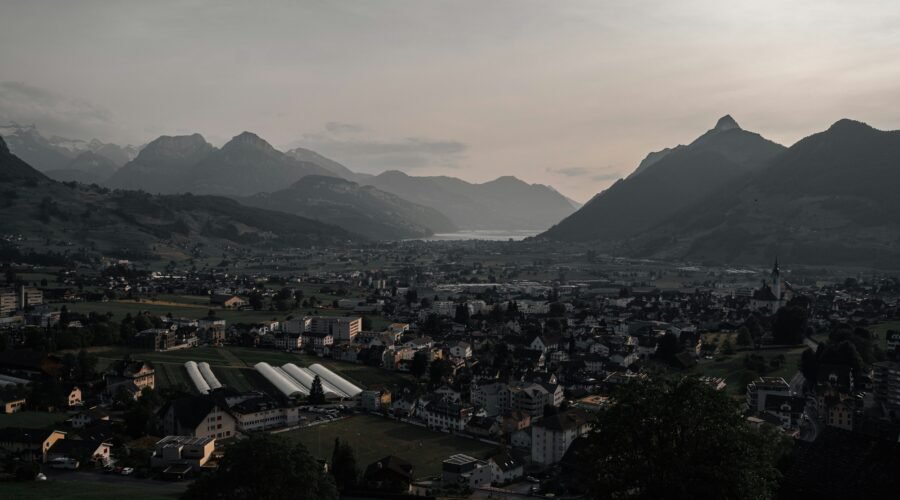
Thinking about when to visit Schwyz, Switzerland? For the best balance of comfortable weather, manageable crowds, outdoor access, and value, late May to early June and September to early October are usually the strongest choices. Summer is better if warm weather is your priority, while winter is the season to choose for skiing and other snow activities.
Quick Answer
Late May to early June and September to early October are the best overall times to visit Schwyz, Switzerland. You usually get comfortable sightseeing and hiking conditions, easier access to lake and mountain activities, and fewer visitors than midsummer. Choose July and August for warmer weather or winter for snow sports.
Key Takeaways
- Best overall: Late May to early June and September to early October offer a good mix of outdoor access, pleasant conditions, and lighter crowds.
- Warmest travel period: July and August are popular for hiking, lake activities, mountain excursions, and festivals, but summer thunderstorms are possible.
- Best for snow: December through March is the main period for skiing and winter activities at higher elevations.
- Best chance of value: Shoulder-season dates outside holidays and major events can offer better accommodation availability than peak summer or ski-holiday periods.
- Mountain rule: Always check current weather, trail conditions, and lift schedules because conditions can be very different between Schwyz’s valleys and higher peaks.
Note: This guide uses “Schwyz” to cover the town of Schwyz as well as nearby destinations in Canton Schwyz, including mountain and Lake Lucerne areas. Weather and snow conditions can change considerably with elevation.
Schwyz Travel Seasons at a Glance
| Season | Typical Experience | Crowds | Cost Tendency | Best For |
|---|---|---|---|---|
| Spring April-May |
Cool to mild in lower areas; snow can remain high in the mountains. | Low to moderate | Often favorable outside holidays | Green scenery, sightseeing, lower-elevation walking |
| Summer June-August |
Warmest season, long days, frequent mountain access, but thunderstorms can develop. | Highest overall | Often higher | Hiking, lake trips, swimming, mountain excursions |
| Autumn September-October |
Mild early on, then progressively cooler with changing foliage and possible high-level snow later. | Moderate to low | Often better than midsummer | Hiking, photography, quieter sightseeing |
| Winter November-March |
Cold in valleys and snowy at suitable higher elevations; conditions vary greatly by altitude. | High at ski areas during holiday periods; quieter elsewhere | Variable; ski periods can be expensive | Skiing, snowboarding, winter scenery |
Summer in Schwyz: Warm Weather and Maximum Outdoor Access
Summer in Schwyz runs from June through August and is the most straightforward season for travelers who want long days, hiking, lake activities, and broad access to mountain attractions.
Weather in Summer
Lower parts of Canton Schwyz are generally mild to warm in summer, while higher mountain areas remain noticeably cooler. Because elevation changes quickly here, the temperature in town can be very different from conditions at a mountain summit.
Summer is also Switzerland’s main thunderstorm season. According to MeteoSwiss, many parts of Switzerland receive more precipitation in summer than winter because warmer air favors showers and thunderstorms. In central Switzerland, some of the heaviest short-duration rainfall is associated with summer thunderstorms.
A warm summer forecast does not guarantee a dry afternoon in the mountains. For long hikes, check the hourly forecast and thunderstorm risk before leaving.
Summer Crowds
June through August is one of the busiest periods for lake cruises, mountain excursions, hiking routes, restaurants, and family attractions. Weekends and Swiss holiday periods can feel particularly busy.
If you prefer a quieter experience but still want summer-like conditions, early June can be a useful compromise before the busiest part of the school-holiday season.
Summer Costs
Accommodation demand is often strong in summer, particularly around popular lake and mountain destinations. Instead of assuming summer will always be the year’s most expensive period, compare your dates with winter ski holidays, festivals, weekends, and major Swiss holidays. Airfare also varies considerably depending on your departure city and booking date.
Booking accommodation in advance gives you more choice, especially for July and August.
Best Summer Activities
Summer is ideal for hiking, mountain viewpoints, paragliding with qualified operators, lake cruises, outdoor festivals, and swimming at suitable designated locations.
Lake Lucerne services operate according to seasonal schedules. Check the official Lake Lucerne Navigation timetable before building a day around a particular connection.
Autumn in Schwyz: Foliage, Hiking, and Fewer Visitors
September and October are excellent months for travelers who want mountain scenery without the busiest part of summer. September, in particular, can combine comfortable outdoor conditions with noticeably lighter visitor numbers.
Weather in Autumn
Early September often feels like an extension of summer at lower elevations. Conditions become progressively cooler through October, especially in the mornings, evenings, and mountains.
Autumn foliage adds gold, orange, and red tones to forests and hillsides. However, mountain weather becomes less predictable later in the season, and cold snaps can bring snow or ice to higher routes even when valleys remain snow-free.
Autumn Crowds
Visitor numbers generally ease after the main summer holiday period. September can still be lively on sunny weekends, while October often feels much quieter.
If peaceful hiking and photography matter more to you than swimming or peak-summer warmth, September to early October is one of the strongest periods to consider.
Autumn Costs
Accommodation can become easier to find after the summer rush, although prices still vary by weekend, event, location, and property. Flexible travelers often have a better chance of finding value than during the busiest summer dates.
Best Autumn Activities
Hiking, forest walks, photography, scenic mountain rides, lake excursions, and cultural attractions all work well in early autumn.
Some mountain facilities continue operating into October, but operating periods differ by railway, cable car, and chairlift. For example, seasonal tickets and facilities at individual mountain destinations have their own operating calendars, so never assume a lift is running simply because the weather is good.
Pro Tip: If your main goal is autumn hiking, target September or early October rather than late October. You get a better balance of foliage, daylight, and the chance that higher walking routes and mountain transport are still operating.
Winter in Schwyz: Skiing and Snowy Mountain Scenery
Winter changes the character of Schwyz. Valleys may experience cold, damp, foggy, or occasionally snow-free periods, while suitable higher elevations can offer the snow conditions needed for winter sports.
Weather in Winter
Expect cold conditions from roughly November through March, with the most reliable snow generally found at higher elevations rather than in the lowest valleys. Conditions can change quickly, and fresh snow, ice, wind, or poor visibility may affect mountain travel.
For current conditions, use the MeteoSwiss app, which provides local forecasts, temperatures at different elevations, snowfall information, and natural-hazard warnings.
Winter Crowds
Winter is not a universal off-season in Schwyz. Crowds tend to concentrate around winter-sports destinations, particularly during Christmas, New Year, weekends, and Swiss school-holiday periods.
Outside ski areas and major holiday dates, towns and lower-elevation attractions can feel considerably calmer.
Winter Costs
Accommodation close to ski areas may be expensive during peak winter dates, while quieter areas can offer better value. If skiing is your priority, compare weekday and weekend prices and avoid major school-holiday periods when possible.
Best Winter Activities
Skiing, snowboarding, cross-country skiing, winter walking, snowshoeing, and tobogganing are among the main winter activities. Stoos is one of the region’s established winter destinations; its official information describes 35 km of pistes as well as winter hiking, cross-country skiing, and tobogganing.
Check Stoos Railways or the appropriate local operator before traveling because lift operations can change with weather, snow conditions, maintenance, and season.
December also brings Christmas-season atmosphere, while a traditional fondue meal is an easy indoor option after a cold day outside.
Spring in Schwyz: Green Valleys and a Changing Mountain Season
April and May are transition months. Lower elevations become greener and increasingly mild while winter conditions can persist much longer on high mountain routes.
Weather in Spring
April can be cool, wet, and changeable. By May, lower areas are generally more suitable for walking, sightseeing, and lake trips, but elevation remains critical.
The Swiss Hiking Trail Federation warns that snow can remain at higher elevations well into spring and can still be present in June. Old, hardened snowfields can be slippery and dangerous even on otherwise pleasant days.
Warning: Do not assume a mountain hiking trail is summer-ready because the valley is warm and green. Check current trail conditions with the tourism office or mountain-railway operator and review the weather before setting out.
Spring Crowds
April is generally quieter for traditional sightseeing, while visitor activity increases through May as conditions improve. Late May can be especially attractive if you want green scenery without the busiest summer crowds.
Spring Costs
Spring can offer good accommodation value outside holiday weekends, although individual prices vary. It is a useful period for travelers who are flexible about weather and do not require every high-elevation trail or mountain facility to be open.
Best Spring Activities
Lower-elevation walks, town sightseeing, photography, cultural visits, and lake trips become increasingly attractive as spring progresses. Wildflowers and fresh green landscapes can make May particularly photogenic.
Lake Lucerne uses seasonal operating schedules rather than switching immediately to one full summer service. For 2026, Lake Lucerne Navigation lists its summer timetable from May 23 through September 6 and its autumn timetable from September 7 through October 18. Always check the current schedule because dates change from year to year.
If you’re comparing how weather, crowds, and seasonal costs affect other trips, you can also read Best Time to Visit Karahalli, Usak: Weather, Crowds, and Costs and this guide to the best time to visit New Hampshire.
Best Time to Visit Schwyz by Month
| Month | What to Expect | Best For |
|---|---|---|
| January | Cold, winter-sports season, holiday demand early in the month. | Skiing and snow activities |
| February | Strong winter-sports period; school holidays can increase demand. | Skiing and winter scenery |
| March | Winter can continue in the mountains while valleys begin transitioning toward spring. | Late-season snow and quieter sightseeing |
| April | Changeable weather; high trails may remain snowy. | Towns and lower-elevation walks |
| May | Greener, milder, and increasingly suitable for outdoor trips. | Best overall value-weather balance |
| June | Long days and broad outdoor access; thunderstorms become more relevant. | Hiking and lake trips |
| July | Warm, lively, and one of the busiest periods. | Maximum summer activity choice |
| August | Warm summer conditions with busy attractions and thunderstorm potential. | Lake activities and festivals |
| September | Often pleasant, with fewer summer visitors and good outdoor access. | Hiking and photography |
| October | Cooler, colorful, quieter; high-level snow or ice becomes more possible. | Autumn scenery and culture |
| November | A transitional period with shorter days and limited high-mountain hiking. | Quiet town visits |
| December | Winter atmosphere, Christmas period, and developing snow-sports conditions. | Festive trips and winter activities |
Best Time to Visit Schwyz for Different Types of Trips
- For the best overall balance: Late May to early June or September to early October.
- For warm weather: July and August.
- For hiking: June through September, depending on elevation, snow, storms, and trail conditions.
- For autumn photography: Late September through October.
- For skiing and snowboarding: Winter, with exact conditions varying by elevation and snowfall.
- For lake excursions: Late spring through early autumn offers the broadest seasonal choice.
- For fewer crowds: May, September, October, and selected non-holiday winter weekdays.
- For potentially better accommodation value: Shoulder-season weekdays outside holidays and major local events.
Planning Your Schwyz Trip: Key Considerations
Seasonal averages are useful, but the exact week you travel can matter just as much. Weather, weekends, holidays, lift schedules, and your chosen elevation can completely change the experience.
Weekend vs. Weekday Travel
Popular mountain and lake attractions often feel busier on weekends and public holidays. If your schedule is flexible, visiting major attractions on weekdays can give you a calmer experience and sometimes a wider choice of accommodation.
Major Swiss Holidays and Festivals
Swiss National Day is celebrated on August 1. Celebrations can include fireworks, bonfires, parades, and community events, so the date can be an enjoyable cultural experience as well as a busier travel period.
Christmas, New Year, local festivals, and school holidays can also affect accommodation availability and demand. Check local event calendars before confirming a trip if avoiding crowds is important to you.
Booking in Advance
For July and August, Christmas/New Year, ski weekends, and major events, reserve accommodation early if you want a particular hotel, room type, or location. Popular restaurants and organized activities may also benefit from advance booking.
If your dates are flexible, compare several nearby weekdays rather than automatically booking Friday through Sunday.
Flexibility with Mountain Weather
Mountain weather can change quickly. A pleasant morning in the valley does not guarantee the same conditions at a summit several hours later.
Pack layers, carry a waterproof outer layer when spending significant time outdoors, and check MeteoSwiss before a mountain excursion. Its app provides local forecasts and natural-hazard warnings, including information on thunderstorms, rain, snow, wind, and other hazards.
A poor regional forecast also does not necessarily mean every hour will be wet. Build some flexibility into your itinerary so you can swap a mountain day with a museum, town visit, or other lower-elevation activity.
Check Hiking Conditions, Not Just the Forecast
Weather and trail condition are two separate issues. A sunny spring day may still leave a high trail covered by old snow, while freezing conditions in autumn can create ice.
The Swiss Hiking Trail Federation recommends checking current trail conditions with local tourism organizations, municipalities, or mountain-railway operators, particularly outside the snow- and ice-free season.
Public Transport Connectivity
Switzerland’s rail, bus, and boat network makes it possible to explore much of the region without a car. For international visitors making several journeys, the Swiss Travel Pass includes extensive train, bus, boat, and local public transport coverage, plus full inclusion or discounts on various mountain excursions.
That does not automatically make the pass the cheapest option for every traveler. Compare your planned journeys with the Swiss Travel Pass, Swiss Half Fare Card, Saver Day Passes, and individual tickets before buying.
Seasonal Mountain Railways and Lake Services
Do not assume that every mountain railway, cable car, chairlift, or boat route follows the same operating season. Some services run for much of the year, while others close between summer and winter seasons or temporarily stop for maintenance.
Check the operator’s current timetable shortly before your visit, particularly in April, May, October, and November.
What to Pack for Schwyz by Season
Spring
Bring layers, a waterproof jacket, sturdy walking shoes, and something warm for mornings and higher elevations. If you plan mountain hiking, verify whether snow remains on your intended route.
Summer
Pack light daytime clothing along with a waterproof shell, sun protection, water, and a warmer layer for mountain trips. Proper footwear is important for hiking, and an early start can help you finish exposed routes before afternoon storms develop.
Autumn
Layering becomes increasingly important. Bring a warm mid-layer and rain protection, and expect colder conditions at altitude. Later in autumn, check for snow or ice before hiking high routes.
Winter
Bring insulated clothing, gloves, a hat, waterproof footwear, and suitable equipment for your planned winter activity. Do not treat ordinary summer hiking trails as winter routes unless local guidance confirms they are appropriate.
Final Thoughts: Choosing the Best Time for Your Visit

There is no single perfect month for every traveler. The best time to visit Schwyz depends on whether you care most about warm weather, mountain hiking, snow, quiet sightseeing, autumn color, or keeping accommodation costs under control.
- For warm weather and the widest range of summer activities: June through August.
- For scenery, hiking, and fewer crowds: September to early October.
- For winter sports and snowy mountain landscapes: December through March, depending on snow conditions and elevation.
- For green scenery, lighter crowds, and possible shoulder-season value: May to early June.
For many first-time visitors, late May to early June or September to early October offers the most balanced trip. Whichever season you choose, check current weather, trail conditions, mountain-railway operations, and boat timetables before locking in outdoor plans. That small amount of preparation matters more in Schwyz than relying on a monthly climate average alone.
Frequently Asked Questions

What is the best overall time to visit Schwyz, Switzerland?
Late May to early June and September to early October are the best overall periods for many travelers. They offer a useful balance of outdoor access, comfortable sightseeing conditions, and lighter crowds than the busiest part of summer.
When is the best time to visit Schwyz for warm weather?
July and August generally provide the warmest conditions at lower elevations and the broadest choice of summer activities. Mountain areas remain cooler, and afternoon showers or thunderstorms can occur, so check the daily forecast before hiking.
When is peak tourist season in Schwyz?
July and August are among the busiest months for general sightseeing and summer mountain activities. Winter ski areas can also be busy around Christmas, New Year, weekends, and school holidays.
What is the quietest time to visit Schwyz?
April, May, October, November, and selected non-holiday weekdays can be quieter, although conditions and attraction availability vary. Winter is not automatically quiet because ski destinations can become busy during peak snow-sports periods.
When is Schwyz cheapest to visit?
There is no guaranteed cheapest month, but shoulder-season weekdays outside public holidays and major events can provide better accommodation value than peak summer and high-demand ski periods. Compare several dates before booking because prices vary by location and property.
What is the best time for hiking in Schwyz?
June through September is generally the most practical window for mountain hiking, but elevation and route matter. Snow can remain on higher trails into early summer, while storms, early snow, or ice can affect routes later in the season. Always verify current trail conditions.
When should I visit Schwyz for skiing?
Winter is the main skiing period, with the exact season determined by elevation, snowfall, and resort operations. Check the ski area’s live snow report and lift status before traveling rather than relying only on the calendar.
Is a Swiss Travel Pass worth it for visiting Schwyz?
It can be useful if Schwyz is part of a wider Switzerland itinerary involving frequent train, bus, and boat travel. It also includes or discounts various mountain journeys. For a short stay with only a few trips, compare it with individual tickets, Saver Day Passes, and the Swiss Half Fare Card first.
Sources
- MeteoSwiss — Climate of Switzerland — supports seasonal precipitation, climate, and thunderstorm guidance.
- MeteoSwiss — MeteoSwiss App — current local weather forecasts, altitude conditions, snowfall information, and natural-hazard warnings.
- SBB — Swiss Travel Pass — official information on train, bus, boat, local transport, and mountain-excursion coverage.
- Lake Lucerne Navigation Company — Timetable — current seasonal boat-service dates and operating information.
- Stoos Railways — official summer and winter mountain-transport and activity information.
- Swiss Hiking Trail Federation — Hiking Safety — guidance on snow, trail conditions, seasonal hazards, and mountain-hiking preparation.