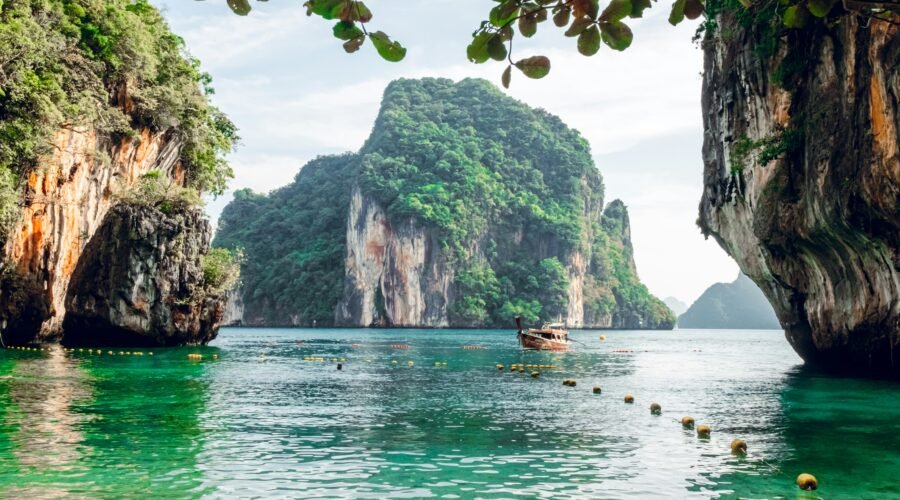
So, you’re dreaming of Krabi, Thailand – the towering limestone cliffs, the turquoise waters, the feeling of warm sand between your toes. It’s a fantastic choice! But when exactly is the “best” time to go? The short answer is: it depends on what you’re looking for.
Krabi offers a tropical experience year-round, but the weather, crowd levels, and prices do shift significantly throughout the year. Understanding these patterns will help you nail down the perfect window for your Thai adventure. Let’s break it down so you can plan your trip without any guesswork.
Krabi experiences a tropical monsoon climate, which means it has distinct wet and dry seasons. However, even during the “wet” season, it’s not usually a constant deluge, and the “dry” season isn’t always completely rain-free. The heat is a pretty consistent factor, with temperatures generally hovering between 28°C and 32°C (82°F to 90°F) year-round. The humidity, however, can make it feel hotter.
The “Cool” or Dry Season: High Season Bliss (and Crowds)
This is generally considered the prime time to visit Krabi, and for good reason. The weather is at its most pleasant, making outdoor activities and island hopping incredibly enjoyable.
December to February: The Sweet Spot
- Weather: Expect sunshine, lower humidity, and very little rainfall. The sea is typically calm, making it ideal for swimming, snorkeling, diving, and boat trips. The temperatures are still warm, but the lack of oppressive humidity makes it feel more comfortable for exploring.
- Crowds: This is peak tourist season. Expect the islands and popular beaches like Railay and Ao Nang to be quite busy. Accommodation prices will be at their highest, and you’ll need to book well in advance, especially if you have specific resorts or dates in mind.
- Activities: Perfect for all water sports, exploring national parks, rock climbing on Railay, and simply soaking up the sun on the beach. Evenings are balmy and pleasant for dining out.
- Costs: This is when you’ll see the highest prices for flights, accommodation, and sometimes even tours. Budget accordingly.
March to April: Heating Up, Still Great
- Weather: The temperatures start to climb significantly, especially in April, which can be the hottest month. While still mostly dry, you might encounter the occasional brief shower as the season transitions. The seas remain relatively calm.
- Crowds: Crowds begin to thin slightly towards the end of April as families return home from school holidays. However, it’s still a popular time. Songkran, the Thai New Year water festival (mid-April), is a major event and can mean celebrations and water fights across Krabi, which can be fun but also disrupt travel plans.
- Activities: Still excellent for beach activities and island hopping. If you’re sensitive to extreme heat, you might want to plan more shaded activities or early morning/late afternoon excursions.
- Costs: Prices may start to dip slightly after the peak season, but it’s still a relatively expensive period.
The Hot Season: Embrace the Heat (and Fewer People)
This period bridges the dry and wet seasons, offering a different kind of appeal.
May: Transition Month
- Weather: May is a transitional month. It’s still very hot, and the first signs of the monsoon begin to appear. You’ll likely experience more humidity and the occasional thunderstorm, usually in the late afternoon or evening, which can be dramatic and refreshing. However, you’ll still get plenty of sunshine.
- Crowds: Crowds are significantly lower than in the previous months. This is a great time if you prefer a more laid-back atmosphere.
- Activities: Many activities are still perfectly viable. The rain usually doesn’t last long, and the slightly emptier beaches can be a major draw. It’s a good time for exploring inland attractions that might be less appealing in the peak heat.
- Costs: You’ll start to see more competitive pricing on flights and accommodation. Deals can often be found.
The Green or Rainy Season: Nature’s Lush Embrace (and Budget-Friendly Travel)
Don’t let the “rainy” label put you off entirely. The monsoon season in Krabi is often characterized by short, intense downpours rather than all-day rain, and it brings its own set of advantages.
June to October: The Monsoon Months
- Weather: This is Krabi’s official monsoon season. Expect higher humidity and more frequent rainfall. However, it’s rarely constant. You’ll often have sunny mornings followed by afternoon thunderstorms, or vice versa. The rain can be heavy but typically passes relatively quickly, leaving the air feeling fresh. The sea can be choppier, and sometimes tours to certain islands might be canceled due to rough conditions, especially further out.
- Crowds: This is the low season. You’ll find significantly fewer tourists, leading to a much more relaxed and tranquil experience.
- Activities: While some boat trips might be affected, many activities remain enjoyable. Inland exploration, visiting temples, enjoying spas, and exploring local markets are great options. The lush green landscapes are at their most vibrant after the rains. You might find opportunities for unique photography due to the dramatic skies.
- Costs: This is the most budget-friendly time to visit. Accommodation prices drop considerably, and you can often snag great deals on flights and tours. If you’re on a tighter budget and don’t mind the possibility of occasional rain showers, this is your window.
November: End of the Monsoon, Beginning of Renewal
- Weather: November marks the tail end of the monsoon. You’ll still encounter some rain, but it generally becomes less frequent and intense as the month progresses. The seas start to calm down, and the weather becomes more predictable. The landscapes are incredibly verdant.
- Crowds: Crowds begin to pick up towards the end of the month as the peak season approaches, but for most of November, it remains relatively uncrowded.
- Activities: This is a good transition month. You can enjoy a mix of activities, with fewer crowds and increasingly stable weather. It’s a great time for exploring before the full influx of tourists arrives.
- Costs: Prices will start to rise as the high season nears, but you can still find decent deals earlier in the month.
If you’re planning a trip to Krabi, Thailand, understanding the best time to visit is crucial for an enjoyable experience. For those interested in exploring other travel destinations with similar considerations regarding weather, crowds, and costs, you might find the article on Safranbolu, Turkey, particularly insightful. It provides valuable information that can help you plan your travels effectively. You can read more about it here: Best Time to Visit Safranbolu, Turkey: Weather, Crowds, and Costs.
Peak Season vs. Shoulder Season vs. Low Season: What’s Your Priority?
When deciding on the best time to visit Krabi, consider which of these priorities is most important to you.
Peak Season (December – February)
- Pros: The absolute best weather – sunny, dry, comfortable temperatures, calm seas. Ideal for all outdoor and water activities.
- Cons: Most crowded, highest prices, need to book far in advance.
Shoulder Season (March-May & November)
- Pros: Good weather with some transitional elements (heat in March-May, early rain in November). Fewer crowds than peak season, prices start to become more reasonable.
- Cons: Can be very hot in March-May. November might still have some rain.
Low Season (June – October)
- Pros: Fewest crowds, lowest prices, lush green scenery.
- Cons: Highest chance of rain, potentially rougher seas affecting boat trips, higher humidity.
Krabi’s Regions and Their Nuances

While the overall climate applies to Krabi, different areas might feel slightly different.
Ao Nang: The Hub
- Weather: Generally consistent with the Krabi mainland.
- Crowds: Always a popular spot, so it will be busy during peak season and quieter during the low season.
- Costs: Offers a wide range of accommodation and dining, so costs can vary significantly.
Railay Beach: The Iconic Peninsula
- Weather: Accessible only by boat, so weather is a significant factor for getting there. Can be more exposed to wind and waves during the monsoon.
- Crowds: Extremely popular, especially during the dry season.
- Costs: Generally a bit pricier for accommodation and food due to its exclusive access.
Koh Lanta: The Laid-Back Island
- Weather: Can experience slightly more wind than the mainland during the monsoon months.
- Crowds: More relaxed than Ao Nang or Phi Phi. Still busy in peak season, but offers a more spread-out feel.
- Costs: Can be more budget-friendly than some of the more developed areas, especially outside of peak season.
Koh Phi Phi: The Party Island (and Stunning Scenery)
- Weather: Similar to the mainland, but Maya Bay’s conditions can be affected by sea state.
- Crowds: Very, very busy during peak season. Even in the low season, it’s a popular day-trip destination.
- Costs: Can be one of the more expensive islands for accommodation and some activities.
Practical Tips for Planning Your Krabi Visit

Regardless of when you choose to go, a few practical tips can make your trip smoother.
Booking in Advance
- When it’s essential: For peak season (December-February), booking flights and accommodation at least 3-6 months in advance is highly recommended. Popular resorts and desirable flights get snapped up quickly.
- When it’s flexible: During the low season, you can often afford to book closer to your travel date, sometimes even a few weeks out, and still find good availability and prices. However, for special occasions or specific resorts, booking in advance is always a good idea.
Packing Wisely for Krabi’s Weather
- Light, breathable clothing: Cotton and linen are your best friends. Think t-shirts, shorts, sundresses, and loose trousers.
- Rain gear: Even in the dry season, a light rain jacket or poncho can be useful for unexpected showers. During the wet season, something more substantial might be wise, though often a quick dry is all you need.
- Swimwear: Obviously!
- Sun protection: High SPF sunscreen, a wide-brimmed hat, and sunglasses are non-negotiable.
- Insect repellent: Especially important for evenings and during the wetter months.
- Waterproof bag/pouch: To protect your phone and valuables on boat trips.
Embracing the Local Culture
- Respectful dress: When visiting temples or more conservative areas, cover your shoulders and knees.
- Learning a few Thai phrases: Even “hello” (sawasdee ka/krab) and “thank you” (khop khun ka/krab) go a long way.
- Tipping: While not mandatory, it’s appreciated for good service in restaurants and for guides and drivers.
If you’re planning a trip to Krabi, Thailand, understanding the best time to visit can greatly enhance your experience. To further explore travel tips and insights, you might find it helpful to read about the optimal times to visit other destinations, such as Nevsehir in Turkey. This related article provides valuable information on weather patterns, crowd levels, and cost considerations, making it a great resource for travelers. You can check it out here.
Final Thoughts: Your “Best” Time is Your Perfect Time
| Month | Weather | Crowds | Costs |
|---|---|---|---|
| January | Dry and sunny, perfect for outdoor activities | Peak season, crowded beaches and higher prices | High costs for accommodation and activities |
| April | Hot and dry, ideal for beach and water activities | Peak season, crowded beaches and higher prices | High costs for accommodation and activities |
| July | Hot and humid, occasional rain showers | Less crowded, good time to visit for lower prices | Lower costs for accommodation and activities |
| October | Wet season, frequent rain and potential for storms | Low season, fewer tourists and lower prices | Low costs for accommodation and activities |
Ultimately, the “best” time to visit Krabi is subjective and depends entirely on your preferences and priorities.
- For perfect weather and aren’t concerned about crowds or budget: December to February.
- For good weather with fewer people and better prices: March-May or November.
- For the ultimate budget traveler who doesn’t mind occasional rain and loves lush greenery: June to October.
Krabi is a magical place, and with a little planning, you can ensure your visit aligns with what you hope to experience. Whether you’re seeking vibrant activity or tranquil relaxation, the stunning landscapes and warm Thai hospitality await you.
FAQs
1. What is the best time to visit Krabi, Thailand?
The best time to visit Krabi, Thailand is during the dry season, which runs from November to April. This period offers the most favorable weather conditions for outdoor activities and sightseeing.
2. What is the weather like in Krabi during the peak tourist season?
During the peak tourist season in Krabi, which is from December to March, the weather is typically dry and sunny with temperatures ranging from 25°C to 32°C. This is an ideal time for beach activities and exploring the islands.
3. When is the low season in Krabi and what can visitors expect during this time?
The low season in Krabi is from May to October, characterized by heavy rainfall and higher humidity. While the weather may be less predictable, visitors can take advantage of lower hotel rates and fewer crowds.
4. How crowded does Krabi get during the peak tourist season?
During the peak tourist season, Krabi can get quite crowded, especially in popular tourist areas such as Ao Nang and Railay Beach. It is advisable to book accommodations and activities in advance to avoid any inconvenience.
5. What are the average costs for visiting Krabi during the peak tourist season?
During the peak tourist season, the costs for accommodations, activities, and dining in Krabi are generally higher compared to the low season. It is recommended to budget accordingly and make reservations in advance to secure the best deals.