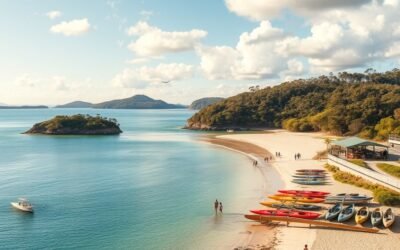
Thinking about visiting Penguin on Tasmania’s north-west coast? The best time depends on what matters most to you, but March to April and October to November offer one of the best overall balances of comfortable weather, manageable visitor numbers, outdoor time and seasonal wildlife activity. Summer is warmer, while winter is quieter and often gives budget travellers more room to find accommodation deals.
Quick Answer
For most travellers, the best time to visit Penguin, Tasmania is March-April or October-November. These months avoid the coldest part of winter and the busiest summer holiday period while still giving you comfortable conditions for coastal walks, sightseeing and evening little-penguin viewing.
Key Takeaways
- Best overall: March-April and October-November for a balance of weather, crowds and outdoor activities.
- Warmest weather: December-February, with nearby long-term climate records showing average daytime highs around 20-22°C.
- Quietest period: June-August, although you should expect cooler, wetter and shorter days.
- Little penguins: They may be present throughout the year, but breeding activity varies by year and location. Viewing takes place around last light.
- Penguin Undercover Market: Current tourism information lists it every Sunday, generally from 9am to 3pm.
Penguin has a cool temperate maritime climate influenced by Bass Strait. Conditions are rarely extreme by Australian standards, but weather can change quickly. A sunny afternoon can still turn cool and breezy near the water, so layers and a light rain jacket are useful in every season.
Note: Penguin does not have the same long-record climate station used for the figures below. The weather numbers in this guide use nearby Bureau of Meteorology observations, especially Devonport Airport, as a practical north-west-coast reference rather than an exact forecast for Penguin.
Penguin Weather by Season
Summer (December to February): Warmest and Busiest
Summer is the warmest time to visit Penguin, but it is milder than many mainland Australian destinations. Bureau of Meteorology climate statistics for nearby Devonport Airport show mean maximum temperatures of about 19.9°C in December, 21.8°C in January and 21.9°C in February.
Nearby long-term climate records put typical summer daytime highs around 20-22°C, while winter daytime averages fall to roughly 13°C.
- Daylight: Long summer days give you more time for coastal walks, beaches and drives through Tasmania’s north-west.
- Average temperatures: Expect mild-to-warm afternoons rather than persistent heat. Individual hot days can still occur.
- Rainfall: Summer is relatively dry compared with winter. Nearby Devonport averages about 42 mm of rain in January and 36 mm in February.
- Outdoor activities: This is one of the easiest periods for beach walks, the Penguin foreshore, scenic drives and exploring the Dial Range.
- What to pack: Bring sun protection, comfortable walking clothes and a light jacket for cooler evenings.
Summer is also the period when Tasmania receives many holiday travellers. Accommodation around popular coastal areas can become harder to secure during school holidays and around Christmas and New Year, so early booking is sensible if your dates are fixed.
Autumn (March to May): Mild and Relaxed
Autumn is one of the strongest choices if you want comfortable temperatures without relying on peak summer conditions. March can still feel mild, while April and May become progressively cooler.
- Daylight: Days shorten steadily, but March and April still leave plenty of usable daylight for sightseeing.
- Average temperatures: Nearby Devonport Airport averages a maximum of about 20.6°C in March, 17.9°C in April and 15.5°C in May.
- Rainfall: Rain generally increases as winter approaches, so waterproof outerwear becomes more useful later in the season.
- Scenery: Autumn can bring attractive colour in gardens, farms and areas with deciduous trees, although much of Tasmania’s native vegetation remains evergreen.
- Atmosphere: Outside holiday weekends, the town generally feels less pressured than in midsummer.
Pro Tip: If you want mild weather and a quieter trip, look first at March and April. You still get relatively comfortable daytime temperatures without depending on the busiest part of the summer holiday calendar.
Winter (June to August): Coolest, Wettest and Quietest
Winter is Penguin’s coolest period. It suits travellers who prefer peaceful coastal scenery, cafés and uncrowded sightseeing more than long beach days.
- Daylight: Winter has the shortest days of the year, so schedule longer walks and drives earlier.
- Average temperatures: Nearby Devonport averages daytime highs of about 13.5°C in June, 12.9°C in July and 13.2°C in August.
- Rainfall: Winter is wetter. The same station averages about 78 mm in June, 94 mm in July and 89 mm in August.
- Conditions: Wind, showers and damp weather can make it feel colder than the temperature suggests.
- Wildlife: Little penguins may still be present, but activity varies. Do not assume winter means there will be no birds ashore.
- What to pack: Waterproof shoes, a warm outer layer, rain protection and clothes that can be layered.
Winter can also be attractive for travellers watching their budget. Lower visitor demand may improve accommodation availability or produce off-season offers, but discounts are never guaranteed.
Spring (September to November): Longer Days and Variable Weather
Spring gradually brings longer days and warmer afternoons, but conditions can still switch between sun, wind and showers. October and November are especially useful if you want an overall balance rather than peak-summer warmth.
- Daylight: Day length increases quickly as summer approaches.
- Average temperatures: Nearby mean maximums rise from about 14.4°C in September to 16.1°C in October and 18°C in November.
- Rainfall: Showers remain possible, particularly early in spring.
- Nature: Spring brings new plant growth and seasonal flowers across Tasmania’s north-west.
- Little penguins: Spring can overlap with courtship, nesting, egg incubation or chick raising, but the exact timing varies between birds, colonies and years.
When deciding between seasons, remember that weather is only part of the picture. Visitor numbers, accommodation availability and the activities you care about can change which month is best for you.
Navigating the Crowds
Penguin is a small coastal town rather than a major mass-tourism centre, so “crowded” is relative. Even so, Tasmania’s summer holidays and popular travel periods can affect accommodation availability, cafés, roads and nearby attractions.
Summer Peak Season (December to February): Busiest Period
Summer generally brings the strongest leisure-travel demand, particularly around Christmas, New Year and Australian school-holiday dates.
- Impact: Book accommodation earlier if you need particular dates or room types.
- Vibe: The foreshore and town feel livelier, especially on fine weekends.
- Best for: Travellers who prioritise long days and warmer weather over solitude.
Shoulder Seasons (Spring and Autumn): The Best Balance
March-April and October-November are strong choices if you want to avoid the coldest weather without relying on the height of summer.
- Impact: Accommodation can be easier to arrange outside major holiday weekends.
- Vibe: Active enough for cafés, markets and sightseeing without the same summer-holiday pressure.
- Best for: Couples, road-trippers, photographers, walkers and travellers who value flexibility.
Winter Off-Season (June to August): Quietest Period
Winter is generally the calmest period for tourism. The trade-off is cooler weather, more rain and fewer daylight hours.
- Impact: You may find better accommodation availability and occasional winter offers.
- Vibe: Quiet, local and relaxed.
- Best for: Travellers who enjoy uncrowded scenery, slower trips and cosy indoor stops between outdoor activities.
Cost Considerations

Your travel dates can influence what you pay, but there is no fixed seasonal price chart for Penguin. Airfares and accommodation change according to demand, holidays, weekends, booking lead time, events and remaining inventory.
Summer (December-February): Strongest Price Pressure
Summer holiday demand can reduce your choice of accommodation and increase prices on popular dates.
- Accommodation: Popular properties and room types can fill sooner.
- Flights: Fares into Tasmania vary by route and date, so compare actual prices rather than assuming every summer flight will be expensive.
- Activities: Most attraction prices do not automatically rise simply because it is summer, although availability can become tighter.
- Tip: If your dates fall around Christmas, New Year or school holidays, compare and reserve early.
Shoulder Seasons (Spring and Autumn): Good Value Potential
Outside major holiday weekends, shoulder-season travel often gives you a useful balance between comfortable weather and accommodation availability.
- Accommodation: You may see a broader choice than during peak holiday dates.
- Flights: Flexible midweek dates can sometimes produce better fares.
- Activities: Most attractions and outdoor sights remain practical, weather permitting.
- Tip: Compare March-April and October-November first if both comfort and value matter.
Winter (June-August): Best Chance of Off-Season Deals
Winter’s lower leisure demand can create good-value opportunities, particularly for accommodation, but lower prices are not guaranteed on every date.
- Accommodation: Look for winter packages and direct-booking offers.
- Flights: Compare several dates because airfare patterns depend heavily on your departure city.
- Activities: Check seasonal opening hours before relying on a particular tour or attraction.
- Tip: Price the entire trip rather than choosing a month based only on room rates.
Penguin’s Unique Drawcards: When to See Them Best

Weather is only one reason to choose a particular month. Penguin’s wildlife, coastline, market and nearby outdoor attractions can matter just as much.
The Little Penguins: Activity Changes Through the Year
Penguin takes its name from a nearby little-penguin rookery. Discover Tasmania notes that little penguins return from the sea near the town, while the Tasmanian Department of Natural Resources and Environment explains that breeding timing can vary substantially between individual birds, locations and years.
- Winter preparation: Some birds begin returning to colonies during winter to prepare burrows and re-establish pair bonds.
- Egg laying: Eggs may occur as early as May or as late as December, so there is no single exact nesting calendar that applies every year.
- Chick raising: Chicks generally fledge at about eight weeks old, meaning fledging dates depend on when eggs were laid and hatched.
- Moulting: Little penguins generally moult between February and April. During this period they remain ashore while replacing their waterproof feathers and should not be disturbed.
- Best viewing time: Penguins normally come ashore around last light and darkness rather than in the middle of the day.
- Expectations: Wildlife sightings are never guaranteed, even during periods of high colony activity.
Warning: Follow the Tasmanian Government penguin-watching guidelines. Stay at least 3 m from burrows, do not block the birds’ route from the sea, remain quiet, keep movement low, never use flash photography and never take dogs or cats into a colony. Only dim red light should be used where lighting is permitted.
If experienced guides or local wildlife personnel are present, follow their instructions. A guided viewing experience can also help reduce disturbance while making it easier to understand what the birds are doing.
Coastal Walks and Scenic Views: Year-Round Beauty
Penguin sits on Bass Strait and has an attractive foreshore, nearby beaches and easy access to north-west Tasmania’s coastal scenery. Discover Tasmania places the town about 18 km east of Burnie and around 131 km north-west of Launceston.
- Summer: Best for long daylight hours and the warmest walking conditions.
- Autumn: Mild days can be comfortable for longer walks and scenic drives.
- Winter: Expect more wind, rain and dramatic coastal weather. Carry waterproof layers and check conditions before longer outings.
- Spring: Increasing daylight and warmer afternoons make October and November particularly useful for outdoor sightseeing.
The surrounding area also gives you access to the Dial Range, the Penguin Heritage Trail and Penguin Mountain Bike Park, making the town a convenient base for more than just foreshore sightseeing.
The Penguin Undercover Market: A Sunday Tradition
The Penguin Undercover Market is one of the town’s best-known regular attractions. The original claim that it operates on the second Saturday of each month is incorrect.
- Frequency: Current Tourism Tasmania information lists the Penguin Undercover Market every Sunday.
- Typical hours: 9am to 3pm.
- Location: 11 Arnold Street, Penguin.
- What to expect: Local produce, crafts, collectables, plants, food and other stalls under cover.
- Recommendation: If the market is important to your trip, verify the current week’s listing before travelling in case of a special closure or schedule change.
Seasonal events can also add to a visit, but event programs change from year to year. Rather than planning around an unverified recurring festival, check the current Central Coast Tasmania events calendar for confirmed dates.
Putting It All Together: Your Ideal Visit
| Period | Weather | Visitor Level | Cost Outlook |
| December-February | Warmest; regional average highs around 20-22°C | Highest holiday demand | More price pressure on popular dates |
| March-May | Mild early, progressively cooler | Usually calmer outside holidays | Good value potential |
| June-August | Cool, wetter and shorter days | Quietest period | Best chance of off-season offers |
| September-November | Cool early; milder by November | Generally moderate | Moderate, date-dependent |
So, when is your ideal time to visit Penguin? The answer becomes clearer once you rank your priorities.
For the Weather Enthusiast
If your main goal is the warmest weather and longest days, choose January or February. Regional climate averages put daytime highs near 22°C, although Tasmania’s coastal weather can still be breezy and changeable.
If you prefer comfortable weather without the strongest summer-holiday demand, March-April or October-November is the better compromise.
For the Budget Traveller
If saving money is your main concern, winter from June to August is worth checking first. Lower leisure demand can improve accommodation availability and sometimes produce special winter offers.
Do not assume winter will automatically provide the cheapest flights, though. Compare live fares and accommodation for several dates before committing.
For the Penguin Spotter
Little penguins can be present at different times of year, and their breeding schedule is more flexible than a simple seasonal calendar suggests. Spring and early summer can overlap with nesting and chick-rearing activity, while moulting generally occurs from February to April.
For actual viewing, timing your visit for last light matters more than arriving at a particular daytime hour. Follow all local signs and Tasmanian Government wildlife guidelines.
For Avoiding Crowds
If you dislike busy holiday periods, choose March-May or September-November, avoiding school-holiday weekends where possible. Winter is quieter still, but you trade that tranquillity for cooler, wetter conditions.
For a Bit of Everything
For many travellers, the best balance is March-April or October-November. These periods can offer:
- Comfortable temperatures: Milder than winter without needing peak-summer heat.
- Manageable visitor numbers: Particularly outside school and public holidays.
- Better accommodation flexibility: Often easier than the busiest summer dates.
- Useful daylight: Enough time for sightseeing, walking and nearby drives.
- Wildlife opportunities: Little-penguin activity may occur, although sightings and breeding stages are never guaranteed.
Penguin can be enjoyable in every season. Summer works best for warmth and long days, autumn and late spring offer the strongest overall balance, and winter suits travellers who prefer quiet scenery and do not mind rain and cooler temperatures. Matching the season to your priorities will give you a much better trip than choosing a month based on temperature alone.
Frequently Asked Questions
What is the best time to visit Penguin, Tasmania for ideal weather?
January and February are the warmest months, with nearby regional climate records showing average daytime highs around 22°C. For a balance of comfortable weather and less summer-holiday pressure, March-April and October-November are often better overall choices.
When is the peak tourist season in Penguin, Tasmania?
Summer, especially the Christmas-New Year and school-holiday period, generally has the strongest visitor demand. Book accommodation earlier if you are travelling on fixed summer dates.
When is the off-peak season in Penguin?
June through August is usually the quietest travel period. Expect daytime temperatures around the low teens, shorter days and more rain than in summer.
Is Penguin expensive during summer?
Popular summer dates can have stronger accommodation demand and less availability, but there is no fixed seasonal price. Flights and rooms change according to holidays, booking time, weekends and remaining inventory, so compare live prices for your actual dates.
When can you see little penguins in Penguin, Tasmania?
Little penguins may be present at different times throughout the year. Breeding timing varies, while moulting generally takes place from February to April. For evening viewing, birds normally return around last light or darkness. Wildlife sightings are never guaranteed.
When is the Penguin Undercover Market held?
Current tourism information lists the Penguin Undercover Market every Sunday, generally from 9am to 3pm at 11 Arnold Street. Check the current listing before travel in case of a special closure or schedule change.
Are there events or festivals worth considering when planning a trip?
Yes, but local event programs can change from year to year. Rather than relying on an old festival date, check the current Central Coast Tasmania events calendar before booking your trip.
Sources
- Bureau of Meteorology — Devonport Airport climate statistics — regional temperature and rainfall averages used for seasonal context.
- Department of Natural Resources and Environment Tasmania — About Little Penguins — breeding cycle, chick development and general little-penguin biology.
- Department of Natural Resources and Environment Tasmania — Penguin Watching Guidelines — safe viewing distance, lighting, photography, pets and disturbance rules.
- Discover Tasmania — Penguin — official destination information, location, attractions and wildlife guidance.
- Discover Tasmania — Tasmanian Markets — Penguin Undercover Market schedule and visitor information.
- Coast to Canyon — Central Coast Tasmania Events Calendar — current local events and schedule checking.