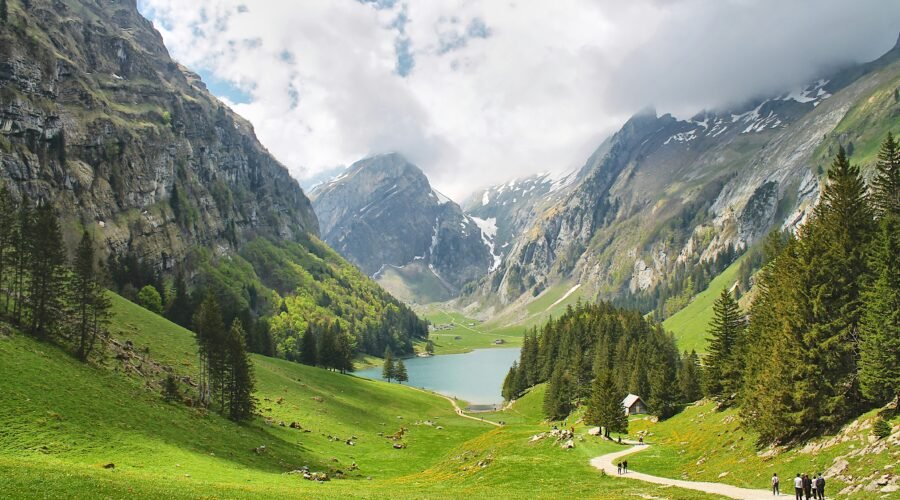
So, you’re thinking about a trip to Appenzell Innerrhoden, Switzerland? That’s a fantastic choice! This picturesque canton, nestled in the rolling hills and dramatic peaks of the Swiss Alps, offers a truly unique experience. But when’s the best time to pack your bags and head over? The short answer is, it really depends on what you’re after.
Generally, late spring to early autumn (May to September) offers the most pleasant weather for exploring the outdoors, with fewer crowds and moderate prices. However, if you’re dreaming of snow-dusted landscapes and cozy evenings, winter (December to February) has its own special charm, though you’ll encounter colder temperatures and potentially higher costs due to the holiday season. We’ll break down the weather, crowds, and costs for each season so you can pick the perfect time for your Appenzell adventure.
Spring in Appenzell Innerrhoden is a time of renewal. The snow begins to melt, revealing vibrant green pastures, and the wildflowers start to bloom, painting the hillsides with color. It’s a beautiful, less-crowded period, perfect for those who appreciate a quieter pace.
Weather in Spring
The weather in spring can be a bit unpredictable, which is part of its charm. You’ll experience a transition from cool to mild temperatures.
April: The Lingering Chill
- Temperatures: Expect average daily temperatures to hover around 5-10°C (41-50°F). Evenings can still be quite chilly, often dropping close to freezing.
- Precipitation: April can be a mix of sunshine and rain. Snow is still possible at higher elevations, and you might encounter a final flurry in the mountains.
- Daylight: Daylight hours are increasing, offering more time for exploration, but the mornings can be dark.
May: Blooming Beauty and Mild Days
- Temperatures: Temperatures warm up considerably, averaging 10-15°C (50-59°F) during the day. Nights are still cool but less likely to dip below freezing.
- Precipitation: May sees more consistent sunshine, though occasional spring showers are common. These often pass quickly, leaving behind fresh, clean air.
- Daylight: Daylight hours are long and pleasant, allowing for extended outdoor activities.
June: The Gateway to Summer
- Temperatures: June is a delightful month, with average temperatures ranging from 15-20°C (59-68°F). It feels comfortably warm, ideal for hiking.
- Precipitation: While generally sunny, June can experience occasional thunderstorms, particularly in the afternoon. These are usually short-lived.
- Daylight: You’ll enjoy nearly the longest days of the year, with plenty of sunshine to soak in.
Crowds in Spring
Spring is generally a low to moderate crowd season.
- April & Early May: You’ll find very few tourists. This is the perfect time for a peaceful escape, with most attractions and hiking trails having plenty of space.
- Late May & June: As the weather improves and school holidays approach, you’ll see a gradual increase in visitors. It’s still far from peak season, so you won’t feel overwhelmed.
Costs in Spring
Prices are typically more budget-friendly in spring, especially before the summer rush.
- Accommodation: You can find good deals on hotels and guesthouses, particularly in April and early May. Prices start to rise in June as the summer season begins.
- Flights: Flights to Zurich (the closest major airport) tend to be cheaper in April and May compared to the peak summer months.
- Activities: While some higher mountain cable cars might still be on their shoulder-season schedules or closed for maintenance, most attractions are accessible, and you won’t be paying peak summer prices for tours or entry fees.
If you’re planning a trip to Appenzell Innerrhoden, Switzerland, you might also find it helpful to explore the best times to visit Stamford, Connecticut. Understanding the weather, crowds, and costs in Stamford can provide valuable insights for your travel planning. For more information, check out this related article on the ideal time to visit Stamford: Best Time to Visit Stamford, CT: Weather, Crowds, and Costs.
Summer in Appenzell: The Great Outdoors Unfolds
Summer is undoubtedly the most popular time to visit Appenzell Innerrhoden, and for good reason. The weather is at its best for outdoor pursuits, the landscape is a vibrant tapestry of green, and the days are long and sunny.
Weather in Summer
Summer brings warm and generally stable weather, perfect for enjoying everything Appenzell has to offer.
July: Peak Sunshine and Warmth
- Temperatures: July is typically the warmest month, with average daily temperatures between 20-25°C (68-77°F). Higher altitudes will be cooler, but still very pleasant.
- Precipitation: While sunny days dominate, July is also part of the thunderstorm season. These are often short, intense, and usually occur in the late afternoon or evening.
- Daylight: You’ll experience the longest daylight hours, making it ideal for full days of hiking and sightseeing.
August: Continued Summer Bliss
- Temperatures: August remains warm, with similar averages to July, around 20-25°C (68-77°F). The evenings are pleasantly mild.
- Precipitation: Similar to July, August can see afternoon thunderstorms. It’s wise to be prepared for a sudden shower.
- Daylight: Daylight hours are still very generous, allowing for extended exploration.
Crowds in Summer
Summer is peak tourist season in Appenzell Innerrhoden.
- July & August: Expect the highest number of visitors. Popular hiking trails, viewpoints, and villages like Appenzell town itself will be busy, especially on weekends and during school holidays.
- Booking Ahead: It’s crucial to book accommodation and popular tours well in advance, as things can fill up quickly.
Costs in Summer
As the most popular season, summer also sees the highest prices.
- Accommodation: This is when you’ll find the highest rates for hotels, guesthouses, and holiday apartments.
- Flights: Flights to Zurich will be at their most expensive, especially if booked last minute.
- Activities: Prices for cable cars, guided tours, and other attractions will be at their peak. However, the value is in the access to everything operating at its fullest potential.
Autumn in Appenzell: A Palette of Gold and Crimson

Autumn is a truly magical time in Appenzell Innerrhoden. The landscape transforms into a breathtaking display of fall colors, and the crisp air is invigorating. It’s a wonderful season for photographers and those who appreciate natural beauty without the summer crowds.
Weather in Autumn
Autumn offers a mix of crisp, cool days and increasingly chilly evenings.
September: Golden Hues and Mild Days
- Temperatures: September is a fantastic month with comfortable daytime temperatures averaging 15-20°C (59-68°F). The evenings start to cool down, but are generally pleasant.
- Precipitation: Rainfall decreases compared to summer, and you’ll often find clear, sunny days perfect for exploring.
- Daylight: Daylight hours are still good, allowing for plenty of outdoor time, though they begin to shorten noticeably.
October: Crisp Air and Early Frost
- Temperatures: October brings cooler weather, with average daily temperatures dropping to 8-13°C (46-55°F). Frost becomes more common, especially in the mornings.
- Precipitation: Expect a mix of sunny days, overcast skies, and potential rain. Snowfall is possible at higher elevations towards the end of the month.
- Daylight: Daylight hours are significantly shorter, so plan your activities accordingly.
November: The Calm Before the Snow
- Temperatures: November is considerably colder, with average temperatures around 3-8°C (37-46°F). Frost and freezing temperatures are common.
- Precipitation: This month often sees more rain and the first significant snowfalls in the mountains, though it might not settle in the valleys until later.
- Daylight: Daylight is at its shortest, making for early sunsets.
Crowds in Autumn
The crowds significantly thin out after the summer season.
- September: You’ll find a moderate number of visitors, many of whom are drawn by the autumn colors. It’s still much less crowded than summer.
- October & November: This is a very quiet period. You’ll have much of the scenery to yourself, offering a truly serene experience. Some seasonal businesses may begin to close towards the end of October.
Costs in Autumn
Prices begin to decrease as the tourist season winds down.
- Accommodation: You can often find better deals on accommodation in October and November, especially for longer stays. September may still have slightly higher rates.
- Flights: Flight prices to Zurich generally start to fall after August.
- Activities: Some higher altitude cable cars and attractions might reduce their operating hours or close for the season in late October or November. However, many valley-based activities remain accessible.
Winter in Appenzell: A Snowy Wonderland

Winter transforms Appenzell Innerrhoden into a serene, snow-covered landscape. While not a major ski destination in the same vein as some other Swiss regions, it offers charming winter activities and a cozy atmosphere.
Weather in Winter
Winter is cold, with snow being a frequent visitor.
December: Festive Sparkle and Chilly Days
- Temperatures: Daytime temperatures average around 0-5°C (32-41°F), but can drop below freezing, especially at night and in the mountains.
- Precipitation: Snowfall is common, blanketing the region in white. It’s a beautiful time for festive markets and snow-dusted views.
- Daylight: Daylight hours are at their shortest, with very early sunsets.
January: The Deep Freeze
- Temperatures: January is typically the coldest month, with average daily temperatures ranging from -5°C to 2°C (23-36°F). Frost and ice are widespread.
- Precipitation: Snowfall continues, providing good conditions for winter sports.
- Daylight: Still very short daylight hours, so daytime activities need to be planned carefully.
February: Lingering Winter Charm
- Temperatures: February remains cold, similar to January, with averages between -4°C and 3°C (25-37°F).
- Precipitation: Snow is still likely, and you might even see some late-season snowstorms.
- Daylight: Daylight hours begin to gradually increase as spring approaches.
Crowds in Winter
Crowds are generally low, with a slight spike around the Christmas and New Year period.
- December (pre-holidays): Very quiet.
- Christmas & New Year: You’ll see more visitors, especially those looking for a quieter, traditional Swiss Christmas experience.
- January & February: This is the quietest period, ideal for those seeking solitude and a peaceful winter retreat.
Costs in Winter
Costs can be mixed.
- Accommodation: Prices can be higher around the Christmas and New Year holidays. Outside of this period, especially in January and February, you can find some of the best rates of the year.
- Flights: Flights to Zurich might be more expensive during the holiday season but can be more reasonable in January and February.
- Activities: Winter activities like cross-country skiing or snowshoeing are available. Some higher mountain cable cars might operate on reduced schedules or close for the season, so it’s worth checking in advance. The focus is more on enjoying the scenery and cozy indoor experiences.
If you’re planning a trip to Appenzell Innerrhoden, Switzerland, you might also find it helpful to explore the best times to visit other destinations, such as Darica in Kocaeli, Turkey. Understanding the weather, crowds, and costs associated with different travel periods can enhance your overall experience. For more insights, check out this informative article on the best time to visit Darica, which offers valuable tips that could complement your travel plans to Appenzell Innerrhoden.
Shoulder Seasons: The Sweet Spot for Value and Serenity
| Month | Weather | Crowds | Costs |
|---|---|---|---|
| January | Cold, snowy | Low | Low |
| April | Mild, occasional rain | Medium | Medium |
| July | Warm, occasional showers | High | High |
| October | Cool, occasional rain | Low | Low |
If you’re looking to balance good weather with fewer crowds and better prices, the shoulder seasons are your best bet. These are the periods just before and after the peak summer months.
Late Spring (May to early June)
- The Appeal: The landscape is bursting with life, wildflowers are in bloom, and the weather is warming up nicely. You’ll enjoy pleasant temperatures without the intense heat or the large summer crowds.
- What to Expect: Hiking trails are generally clear of snow at lower to mid-elevations. Many cable cars and tourist facilities will be fully operational.
- Cost Advantage: Accommodation prices are often lower than in July and August, and you can snag better deals on flights.
Early Autumn (September to early October)
- The Appeal: The dramatic fall foliage paints the hillsides in stunning shades of red, orange, and gold. The air is crisp and invigorating, perfect for hiking. The peak summer crowds have dispersed, offering a more relaxed experience.
- What to Expect: You can still enjoy good hiking conditions, especially in September. October can bring cooler weather and the possibility of early snow at higher elevations. The autumnal ambiance is a major draw.
- Cost Advantage: Similar to late spring, you’ll find more affordable accommodation and potentially cheaper flights compared to the summer peak.
By carefully considering these factors – the weather you prefer, how you feel about crowds, and your budget – you can pinpoint the absolute best time for your unforgettable journey to Appenzell Innerrhoden.
FAQs
1. What is the best time to visit Appenzell Innerrhoden, Switzerland in terms of weather?
The best time to visit Appenzell Innerrhoden, Switzerland in terms of weather is during the summer months of June to August. During this time, the weather is generally warm and pleasant, making it ideal for outdoor activities and sightseeing.
2. When is the peak tourist season in Appenzell Innerrhoden, Switzerland?
The peak tourist season in Appenzell Innerrhoden, Switzerland is during the summer months of June to August. During this time, the region experiences an influx of tourists, resulting in larger crowds and higher accommodation costs.
3. What is the off-peak season in Appenzell Innerrhoden, Switzerland?
The off-peak season in Appenzell Innerrhoden, Switzerland is during the winter months of December to February. During this time, the region experiences fewer tourists, resulting in smaller crowds and lower accommodation costs.
4. What is the shoulder season in Appenzell Innerrhoden, Switzerland?
The shoulder season in Appenzell Innerrhoden, Switzerland is during the spring months of March to May and the fall months of September to November. During these times, the weather is still pleasant, and there are fewer tourists compared to the peak season.
5. How does the cost of visiting Appenzell Innerrhoden, Switzerland vary throughout the year?
The cost of visiting Appenzell Innerrhoden, Switzerland varies throughout the year, with higher accommodation costs and potentially higher activity costs during the peak tourist season in the summer. During the off-peak and shoulder seasons, accommodation costs are generally lower, and there may be discounts on activities and attractions.