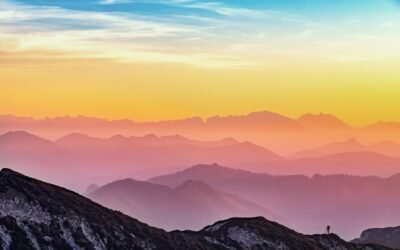
Friuli Venezia Giulia packs the Adriatic coast, wine hills, historic cities, and the Julian and Carnic Alps into one compact region. That variety is also why there is no single perfect month for every trip. For most visitors, late spring and early autumn offer the best balance, but beach trips, mountain hikes, wine weekends, and ski holidays each have their own ideal window.
Quick Answer
The best all-around times to visit Friuli Venezia Giulia are May to June and September, when temperatures are generally comfortable and summer crowds are lower. Early October is excellent for cities, wine, food, and autumn scenery, but rain becomes more likely. Choose July and August for beaches and winter for skiing.
Key Takeaways
- Best overall: May, June, and September combine comfortable conditions with fewer crowds than midsummer.
- Best for beaches: Late June through August gives you the strongest summer atmosphere, but coastal resorts are busier and usually more expensive.
- Best for wine and food: September and early October bring harvest activity and cooler sightseeing weather.
- Best for skiing: Winter is a real high season in mountain resorts, even when cities and the coast are quieter.
- Do not assume shoulder season means dry weather: Friuli Venezia Giulia receives substantial rainfall, and autumn is the wettest season overall.
The Best Time to Visit Friuli Venezia Giulia
For a first trip that combines cities such as Trieste and Udine with wine country, coastal stops, and light outdoor activities, May, June, and September are the easiest months to recommend.
May usually brings mild to warm conditions and spring greenery. June gives you longer daylight and increasingly summery weather. September keeps much of the warmth while the most intense July-August coastal rush begins to ease.
October can also be rewarding, especially for city breaks, food, wine, and autumn scenery. The trade-off is rain. According to ARPA Friuli Venezia Giulia, autumn is the region’s wettest season, so October should not be treated as a reliably dry month.
Note: Friuli Venezia Giulia has no simple region-wide “dry season.” The coast is generally less rainy than the foothills and Prealps, while spring rain increases toward May and autumn is particularly wet. Check a local forecast for the exact part of the region you will visit.
Why the Weather Changes So Much Across the Region
Friuli Venezia Giulia sits between the Adriatic Sea and the Alps, so conditions can change considerably over a short distance. ARPA FVG describes a mix of Mediterranean-influenced, continental, transitional, and Alpine climates across the region.
- Adriatic coast: Grado, Lignano Sabbiadoro, and nearby coastal areas tend to be milder than the interior and are the driest part of the region overall.
- Trieste and the Karst: The sea moderates temperatures, but strong Bora winds can become an important factor, particularly during the colder part of the year.
- Plains and hills: Udine, Gorizia, Collio, and surrounding areas experience warmer summers, cooler winters, and more rainfall as you approach the mountains.
- Alps and Prealps: Elevation brings cooler temperatures, more precipitation, winter snow, and a much shorter warm-weather hiking season at higher levels.
This variation matters when choosing dates. A pleasant beach day in Grado does not guarantee equally warm or dry conditions on a mountain trail near Tarvisio or Sella Nevea.
Spring in Friuli Venezia Giulia: March to May
Spring brings greener landscapes, longer days, and increasingly comfortable sightseeing weather. It is a strong season for cities, villages, wine country, cycling, and lower-elevation walks, but it is not consistently dry.
March: Quiet and Changeable
March remains cool, particularly inland and in the mountains. Higher elevations can still feel wintry, while the coast and cities begin moving into spring. It is a quiet month for museums, food-focused travel, and city sightseeing if you are comfortable with variable conditions.
April: Mild Days With Rain Risk
April usually feels more springlike and can be very comfortable for walking through Trieste, Udine, Cividale del Friuli, Gorizia, and other historic centers. Countryside drives and lower-elevation walks also become more appealing.
Pack a light waterproof layer rather than assuming clear skies every day. Conditions can shift quickly between sunny periods and showers.
May: One of the Best Months, but Not a Dry Month
May is one of the strongest choices for a broad sightseeing trip. Landscapes are green, days are long, outdoor dining becomes more appealing, and temperatures are usually easier for walking than in midsummer.
The important correction is rainfall. ARPA’s long-term climate data show that precipitation increases through spring and reaches a first seasonal peak in May, with particularly high totals near the Prealps. Warm-season thunderstorms also become increasingly relevant from around mid-May.
May therefore works well when you want mild-to-warm weather without peak summer demand, but your itinerary should leave some flexibility for rain.
If you are comparing how weather, crowds, and costs shape trips in very different destinations, you can also see this guide to the Best Time to Visit Yahyali, Kayseri: Weather, Crowds, and Costs.
Summer in Friuli Venezia Giulia: June to August
Summer brings the warmest weather, long daylight hours, active beach resorts, mountain recreation, festivals, and strong visitor demand. July and August are generally the hottest months according to ARPA FVG climate normals.
June: A Strong All-Round Compromise
June sits between spring and the busiest part of summer. It works especially well if you want long days, warmer coastal weather, cycling, sightseeing, and access to more outdoor activities without automatically choosing the July-August peak.
Rain and thunderstorms are still possible. ARPA notes that June can have more cloud and rainfall than July or August in parts of the region, so a summer date does not guarantee uninterrupted sunshine.
July and August: Best for Full Summer Energy
July and August are the obvious choice if your priority is a classic Adriatic beach holiday. Lignano Sabbiadoro, Grado, and other coastal areas are at their liveliest, while the mountains offer hiking and cycling options at elevations that may be too cold or snowy during other parts of the year.
These months also bring the strongest heat and greater demand for accommodation. The regional government reported continued tourism growth in summer 2026, including a year-over-year increase in July overnight stays. That is another reason not to assume Friuli Venezia Giulia will always feel empty simply because it receives less international attention than Venice, Florence, or Rome.
Pro Tip: For a July or August coastal trip, reserve accommodation earlier than you would for a spring city break. If you want summer weather with a little less pressure, look at June or the first part of September.
Autumn in Friuli Venezia Giulia: September to November

Autumn combines harvest activity, changing foliage, food-focused travel, and cooler sightseeing conditions. September is one of the best overall months of the year. October can be beautiful, but travelers need to take rainfall more seriously.
September: One of the Best All-Round Months
September often retains summer warmth without feeling quite as intense as July or August. Early in the month, coastal conditions may still be suitable for swimming, while cities and wine areas become increasingly comfortable for longer days on foot.
It is also harvest season in parts of wine country. PromoTurismoFVG lists grape-harvest experiences that allow visitors to experience this part of the regional wine calendar directly.
October: Excellent for Culture and Food, With More Rain Risk
October suits travelers interested in historic towns, wine areas, regional food, countryside drives, and autumn colors. Temperatures are generally more comfortable for walking than midsummer heat.
However, “shoulder season” should not be confused with “dry season.” ARPA FVG identifies autumn as the wettest season overall. Build some indoor attractions into your itinerary and bring a waterproof outer layer.
October can be one of the region’s most atmospheric months, but it is a better choice for travelers who value food, culture, and autumn scenery than for anyone who needs guaranteed dry weather.
November: Quiet, Cool, and Wetter
November is firmly into the quieter season in many coastal and leisure destinations. Temperatures fall, daylight becomes shorter, and rainfall can be substantial.
It can still work well for museums, food-focused weekends, and uncrowded city sightseeing. Travelers planning outdoor-heavy itineraries should allow for weather-related changes.
Winter in Friuli Venezia Giulia: December to February

Winter creates two very different travel markets. Coastal areas and many cities become quieter, while mountain destinations enter an important ski and snow-sports season.
December: Markets, City Breaks, and the Start of Ski Season
December brings festive lights and seasonal events to towns and cities, while colder conditions and snow return to the mountains. Holiday weekends can be busy, so December should not automatically be treated as a bargain month.
January and February: Quiet Cities but Active Mountains
If you are visiting Trieste, Udine, or other urban areas, January and February can provide a slower atmosphere and sometimes attractive accommodation rates outside major events.
The mountains are different. Friuli Venezia Giulia has established ski areas including Tarvisio, Sella Nevea, Piancavallo, Ravascletto-Zoncolan, Sappada, Sauris, and Forni di Sopra. Check the current official Friuli Venezia Giulia ski information before planning around snow conditions, lifts, or specific slopes.
Do Not Forget the Bora in Trieste
Cold-season visitors to Trieste should also pay attention to the Bora, the region’s well-known east-northeast wind. According to ARPA FVG, it can occur in any season but is especially characteristic during winter and can produce very strong gusts.
Warning: If a strong Bora episode is forecast in Trieste or on the Karst, exposed waterfront walks and some outdoor plans can become uncomfortable or unsafe. Check the local forecast shortly before heading out.
If you enjoy comparing seasonal travel conditions across very different places, this North Dakota Travel Guide also looks at weather, crowds, and costs.
Weather, Crowds, and Costs by Season
| Period | Typical Conditions | Crowds | Value |
| March-April | Cool to mild and changeable; mountains can remain wintry | Generally low to moderate | Often good outside holidays |
| May-June | Mild to warm; good outdoor weather but showers and thunderstorms remain possible | Moderate | Strong balance of weather and price |
| July-August | Warmest period; strong beach and mountain season | High in major leisure areas | Usually weakest value on the coast |
| September | Warm to mild; harvest season; thunderstorms still possible | Moderate and easing | Excellent overall balance |
| October-November | Cooler and increasingly wet; strong for food, cities, and autumn atmosphere | Low to moderate | Good outside events |
| December-February | Cold; snow in mountain areas; possible Bora around Trieste | Low in some cities/coastal areas, higher in ski resorts | Highly dependent on destination and holiday dates |
When to Visit for Fewer Crowds
If having more room matters more than perfect beach weather, avoid the busiest part of the summer in major coastal destinations.
Avoiding the Summer Rush
July and August bring strong leisure demand, particularly around Lignano Sabbiadoro and Grado. Trieste and other cities can also become busier around events, cruise schedules, and popular weekends.
Regional tourism has grown in recent years. In 2025, Friuli Venezia Giulia recorded more than 11 million overnight stays, and the regional government reported further summer growth in 2026. That does not mean the entire region is overcrowded, but the old assumption that it is always a quiet alternative to the rest of Italy is no longer reliable.
The Shoulder-Season Advantage
May, June, and September are generally the easiest months for combining manageable visitor levels with comfortable sightseeing conditions.
October is even quieter in many areas, but you accept a greater chance of wet weather.
The Quietest Urban and Coastal Periods
Late autumn through early spring can be peaceful in cities and coastal resorts outside Christmas, New Year, Carnival, major events, and other holiday periods.
Do not apply that rule automatically to mountain resorts. Ski towns follow a different seasonal pattern.
When Is Friuli Venezia Giulia Cheapest?
There is no single regional price calendar because Trieste hotels, Adriatic beach resorts, wine-country stays, and ski accommodation respond to different demand cycles.
Summer Coastal Prices
July and August usually create the greatest accommodation pressure in seaside destinations. If you have fixed summer dates, compare rates early and consider June or September when your schedule allows.
Shoulder-Season Value
May, June, September, and parts of October often deliver the best overall value because you can still enjoy outdoor activities while avoiding at least some peak-season demand.
Special events can change this quickly. A major festival, conference, sporting event, or holiday weekend can raise hotel prices even during a normally quieter month.
Winter Deals Have an Important Exception
November through March can produce attractive rates in some cities and coastal areas outside holidays. Mountain destinations are different: Christmas, New Year, school-holiday periods, and good ski conditions can create strong demand.
For the lowest price, compare your specific destination rather than relying only on the month.
Best Time to Visit by Trip Type
For Beaches
Late June through August gives you the strongest beach-season atmosphere, the warmest part of the year, and the fullest range of seasonal services. September is worth considering when you want a quieter coast and are comfortable with slightly more variable weather.
For Trieste, Udine, and Historic Towns
April through June and September through October are comfortable periods for long days of walking. Winter can also be rewarding for museums, cafes, and food, but Trieste visitors should monitor Bora forecasts.
For Hiking
June through September is generally the most practical broad window for mountain hiking, although the correct season depends heavily on elevation, snowmelt, storms, and individual trail conditions.
The official PromoTurismoFVG hiking portal provides regional route information. Always check current trail and weather conditions before setting out.
For Cycling
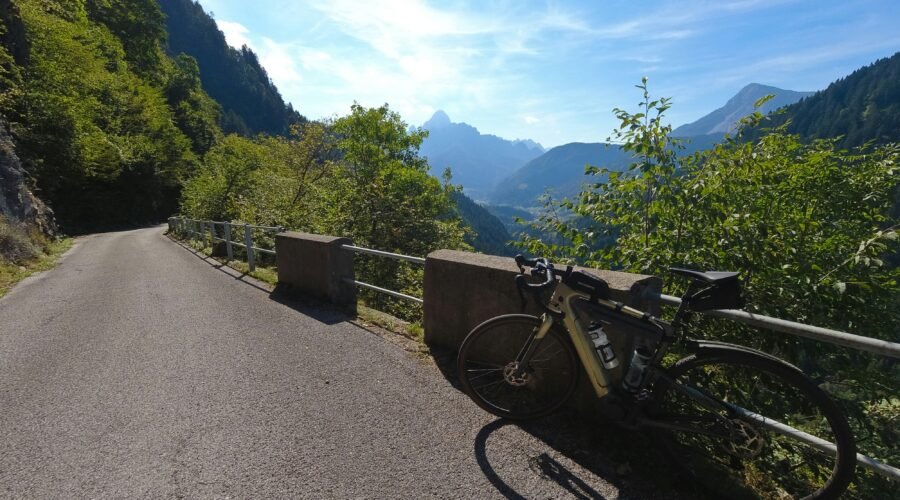
Spring, early summer, and September are particularly appealing for lower-elevation cycling because they avoid the greatest midsummer heat. Mountain cycling can become more attractive during summer.
PromoTurismoFVG describes the region as a year-round cycling destination and publishes official cycling routes and travel information.
For Wine Country and Harvest Experiences
May, June, September, and early October are strong choices for Collio and other wine areas. September is especially interesting because it overlaps with grape harvesting at participating wineries and agritourism properties.
For Skiing and Snow Activities
Winter is the obvious choice, but opening dates and snow conditions vary by season and resort. Check official lift and snow reports shortly before booking a snow-focused trip.
What to Pack for Friuli Venezia Giulia
Your packing list should reflect both the month and the part of the region you plan to visit.
Spring and Autumn Layers
- Daytime: T-shirts or light shirts with a sweater or mid-layer.
- Outer layer: A waterproof or water-resistant jacket.
- Footwear: Comfortable walking shoes; proper hiking footwear for mountain routes.
- Accessories: A compact umbrella can be useful for city travel.
Summer Essentials
- Clothing: Lightweight, breathable clothing.
- Sun protection: Sunglasses, a hat, and sunscreen.
- Footwear: Comfortable walking shoes plus beach footwear when needed.
- Hydration: Carry water during long sightseeing or outdoor days.
- Mountain trips: Bring an extra layer even when the coast is hot.
Winter Wardrobe
- Clothing: Warm layers, sweaters, and insulated outerwear.
- Footwear: Weather-appropriate shoes or winter boots.
- Accessories: Gloves, hat, and scarf.
- Trieste: Wind-resistant outerwear is useful when Bora conditions develop.
- Mountains: Use proper winter equipment for the activity and conditions.
Rain Gear
A compact umbrella works well for cities, while a lightweight waterproof shell is more practical for countryside and outdoor travel. Rain protection is useful in every season rather than only in autumn.
Final Thoughts: Choosing the Right Month for You
The best time to visit Friuli Venezia Giulia depends on what you want to do rather than one universal “perfect” month.
- For the best overall balance: Choose May, June, or September.
- For beaches and summer atmosphere: Choose late June, July, or August.
- For wine harvest and food: September and early October stand out.
- For autumn colors and quieter towns: October can be excellent if you are prepared for rain.
- For city bargains and quiet travel: Look at late autumn and winter outside holidays and major events.
- For skiing: Visit during the mountain winter season rather than assuming winter is a regional low season.
If you have flexibility, September is arguably the easiest single month to recommend. It gives you access to cities, wine country, countryside, and often the coast while avoiding the strongest midsummer heat and demand. May and June are close alternatives for spring scenery and long outdoor days.
Frequently Asked Questions
What is the best time to visit Friuli Venezia Giulia for good weather?
May, June, and September are the strongest all-around choices. Temperatures are usually comfortable for sightseeing and outdoor activities, although rain and thunderstorms remain possible. September is particularly useful if you want both warm conditions and fewer peak-summer crowds.
When is peak tourist season in Friuli Venezia Giulia?
July and August are important high-demand months, especially at Adriatic beach destinations. Demand can also rise around major events and holidays. Mountain resorts have a separate peak pattern during the winter ski season.
What is the quietest time to visit?
Late autumn through early spring is quieter in many cities and coastal destinations outside holidays and events. If you are heading to a ski resort, winter can instead be one of the busier periods.
When is the cheapest time to visit Friuli Venezia Giulia?
Some city and coastal accommodation is cheaper from late autumn through winter outside Christmas, New Year, and major events. Ski areas are an exception because winter demand can raise prices. May, June, September, and October often provide a better balance between price and favorable sightseeing conditions.
Is October a good month to visit Friuli Venezia Giulia?
Yes, especially for city sightseeing, wine country, regional food, and autumn scenery. However, October is not reliably dry. Autumn is the wettest season in the regional climate record, so include indoor alternatives and rain gear.
What is the best time for beaches in Friuli Venezia Giulia?
Late June through August is the most reliable period for a traditional beach holiday, with September offering a quieter alternative when conditions remain warm enough.
When should I visit Friuli Venezia Giulia for hiking?
June through September is the broadest practical window for mountain hiking, but elevation matters. Snow, thunderstorms, trail maintenance, and local conditions can change the usable season, so check the forecast and current trail information before leaving.
Is winter worth visiting Friuli Venezia Giulia?
Yes. Winter works well for skiing, snow activities, festive towns, museums, cafes, and quieter city breaks. The experience differs sharply between urban areas and mountain resorts, so choose your base according to the type of winter trip you want.
Sources
- ARPA Friuli Venezia Giulia — Climate of FVG — 1991–2020 climate normals for temperature, rainfall, thunderstorms, snow, and Bora.
- Regione Autonoma Friuli Venezia Giulia — Tourism update, August 13, 2026 — current summer tourism demand and overnight-stay trends.
- PromoTurismoFVG — Hiking — official regional hiking and route information.
- PromoTurismoFVG — Alpine Skiing and Snowboard — official information about Friuli Venezia Giulia ski destinations.
- PromoTurismoFVG — Educational Grape Harvest — official information supporting September harvest-season travel.