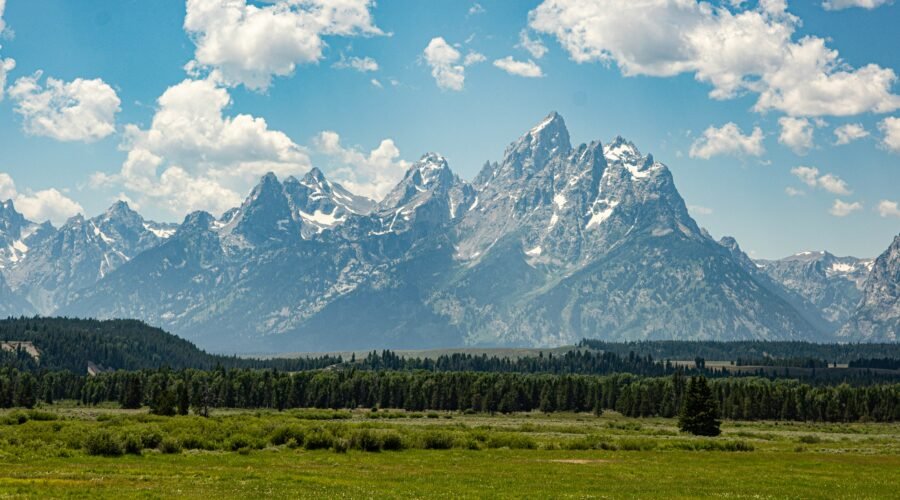
So, when’s the best time to visit Wyoming? Generally, if you’re looking for that classic national park experience – think Yellowstone and Grand Teton with mild weather and full access – late spring (May-early June) and early fall (September-early October) are your sweet spots. These shoulder seasons offer a fantastic balance of pleasant weather, fewer crowds than peak summer, and more reasonable prices. If winter sports are your thing, then, obviously, winter is your season.
Let’s break it down further.
This guide will help you pinpoint the ideal window for your Wyoming adventure, considering the weather, how busy things will be, and what you can expect to pay.
1. Spring in Wyoming: Waking Up from Winter (April – Early June)
Spring in Wyoming is a time of transition, a slow emergence from the long winter. It offers a unique set of pros and cons depending on your priorities.
a. The Weather Report: Unpredictable but Beautiful
- April: Expect cold nights and days that can range from chilly to mildly pleasant. Snow is still very much a possibility, especially at higher elevations and in the national parks. You’ll definitely need layers. Average daytime temperatures might hover around 40-55°F (4-13°C), but it can dip below freezing at night.
- May: This is where things start to get interesting. Days become significantly warmer, often reaching 50-70°F (10-21°C). While the threat of snow isn’t entirely gone, particularly in the first half of the month, you’ll see more sunny days. The landscape truly begins to green up, and flowers start to bloom.
- Early June: The weather is generally quite pleasant now, with daytime temperatures often in the 60s and 70s°F (15-26°C). Nights are still cool, so a jacket is always a good idea. This is when the last of the snow in lower elevations melts, and higher passes begin to open, though some might still be closed until mid-June.
b. Crowds: Increasingly Manageable
- April: You’ll encounter very few crowds, especially in the national parks where many services and roads are still closed. This is truly an off-season experience.
- May: Crowds start to pick up, particularly towards Memorial Day weekend, but it’s nothing compared to July and August. You’ll find more space on trails and at viewpoints.
- Early June: While more people are arriving, it’s still relatively uncrowded compared to peak season. You can generally find parking and enjoy popular spots without feeling overwhelmed.
c. Costs: Typically Lower
- Accommodation: You’ll generally find better deals on hotels and cabins outside of the national parks.
- Flights: Flights into places like Jackson Hole (JAC) or Cody (COD) might be a bit cheaper than in peak summer, but direct connections can still be pricey. Consider flying into Denver and driving for more budget-friendly options.
- Activities: Many guided tours and activities might not be fully operational until late May or June, but those that are often come with off-season pricing.
d. What to Expect & Why It Might Be Right for You
- Wildlife Viewing: Excellent! Animals are often more active and visible as they emerge from winter. Bears, elk, bison, and moose are frequently spotted.
- National Parks: Keep in mind that many roads and services, especially in Yellowstone, will still be closed in April and early May. Snow will linger, particularly at higher elevations. However, the quieter atmosphere and wildlife opportunities are a huge draw for those focusing on wildlife rather than full park access. Grand Teton’s Teton Park Road often opens in early May for cyclists and pedestrians before vehicles are allowed later in the month.
- Other Activities: Hiking might be limited to lower elevation trails due to snow. Fishing season often kicks off in May. Mountain biking trails begin to open.
If you’re planning a trip to Wyoming and want to make the most of your visit, you might find it helpful to read our related article on the best times to explore the state’s stunning national parks and outdoor activities. This comprehensive guide covers essential information about weather patterns, crowd levels, and cost considerations throughout the year. For more details, check out the article here: Best Time to Visit Wyoming: Weather, Crowds, and Costs.
2. Summer in Wyoming: Peak Season Bustle (Mid-June – August)
Summer is when Wyoming truly comes alive, and everyone wants a piece of it. It’s beautiful, but prepare for company.
a. The Weather Report: Glorious but Can Be Hot
- Mid-June: By now, almost everything is open, and the weather is generally warm and sunny. Daytime temperatures in the national parks and mountain towns often hit the 70s°F (21-26°C), with occasionally warmer days.
- July: This is the warmest month. Expect daytime temperatures frequently in the 70s and 80s°F (21-32°C). Lower elevations and eastern Wyoming can often hit the 90s°F (32°C+). Nights are comfortably cool, though. Thunderstorms are common in the afternoons, especially in the mountains.
- August: Similar to July, with hot days and cool nights. Towards the end of the month, you might start to feel the very first whispers of autumn in the air, especially at higher elevations. Daytime temperatures remain in the 70s and 80s°F (21-32°C).
b. Crowds: At Their Peak
- National Parks: Yellowstone and Grand Teton are absolutely packed. Expect long lines at park entrances, full parking lots by mid-morning, crowded trails, and slow-moving traffic around popular wildlife viewing areas. Booking accommodations well in advance (ideally 6-12 months out) is crucial, both inside and outside the parks.
- Popular Towns: Jackson Hole, Cody, and Sheridan will be bustling with tourists. Restaurants will have wait times, and popular attractions will be busy.
- Campgrounds: These fill up extremely quickly. Many are first-come, first-served and require arriving early in the morning to snag a spot. Reservations for those that allow them are essential.
c. Costs: Highest of the Year
- Accommodation: Prices for lodges, cabins, and hotels skyrocket, particularly in and around the national parks. Expect to pay premium rates.
- Flights: Airfares into regional airports like Jackson Hole (JAC) will be at their highest.
- Activities: Guided tours, rafting trips, horseback riding, and other excursions will be at their standard high-season rates.
- Rental Cars: Car rental prices can also be quite high due to demand.
d. What to Expect & Why It Might Be Right for You
- Full Access: All park roads, facilities, and trails are open (barring any unforeseen events). You’ll have complete access to everything Wyoming’s outdoor landscapes offer.
- Variety of Activities: This is
the time for everything: hiking, backpacking, camping, white-water rafting, kayaking, fishing, mountain biking, horseback riding, scenic drives, hot air balloon rides – you name it.
- Longer Days: Enjoy extended daylight hours, allowing for more exploration.
- Festivals & Events: Many towns host rodeos, outdoor concerts, art fairs, and other events.
- Downside: The biggest drawback is the sheer volume of people. If you prefer solitude, this season might test your patience. If you’re willing to embrace the crowds for the convenience of full access and guaranteed good weather, then summer is your jam.
3. Fall in Wyoming: Golden Hues & Crisper Air (September – October)
Ah, autumn in Wyoming. This is often considered by locals and seasoned travelers to be the absolute best time to visit, especially in early September.
a. The Weather Report: Beautifully Crisp & Changing
- September: Generally, the first half of September offers some of the most ideal weather of the year. Days are often sunny and comfortably warm, in the 60s and 70s°F (15-26°C), with crisp, cool nights. The second half of September sees temperatures dropping, with daytime highs often in the 50s-60s°F (10-15°C). Snow can begin to fall at higher elevations later in the month.
- October: This is definitely autumn. Expect daytime temperatures in the 40s-50s°F (4-10°C), dropping below freezing at night. Snow becomes a regular occurrence, especially in the mountains. Roads and facilities in the national parks begin to close down for the season, usually by mid-to-late October.
- Fall Foliage: The exact timing varies by elevation and year, but generally, the aspens start to turn golden yellow in mid-September and peak late September to early October. It’s a stunning sight.
b. Crowds: Significantly Dwindling
- Early September: Still somewhat busy, but noticeably less crowded than peak summer, especially after Labor Day weekend.
- Mid-September: The sweet spot for reduced crowds. You’ll find more breathing room at popular attractions, and parking is easier to come by.
- October: Crowds thin out considerably. You’ll have many places almost to yourself, but keep in mind that many services will have also shut down.
c. Costs: More Budget-Friendly
- Accommodation: Prices start to drop significantly after Labor Day. You can find better deals on lodging, especially outside of the national parks.
- Flights: Airfares also tend to decrease, though specific routes might still hold higher prices.
- Activities: Some tours might offer shoulder-season rates, while others might shut down for the winter.
d. What to Expect & Why It Might Be Right for You
- Fall Colors: The main draw for many. The golden aspen leaves against the dramatic mountain backdrops are breathtaking – particularly around Grand Teton and in areas like the Wind River Range.
- Wildlife Viewing: Excellent! Animals are very active, preparing for winter. Elk are in rut (mating season) in September, leading to impressive bugling calls, especially in Grand Teton. Bears are also busy foraging.
- Hiking: Superb conditions, with cool temperatures and vivid scenery. Just be prepared for potential snow at higher elevations later in the season.
- Photography: The light is beautiful, and the colors are vibrant, making for fantastic photo opportunities.
- National Parks: Most facilities and roads remain open through September. October brings gradual closures, so check park websites for specific dates if you plan a late-season visit.
- Downside: The weather becomes less predictable as you get deeper into fall, and amenities start to close. If you want full access to everything, aim for early September.
4. Winter in Wyoming: A Snowy Wonderland (November – March)
If you’re a fan of snow and winter sports, Wyoming transforms into a magical playground. It’s a completely different experience from summer.
a. The Weather Report: Cold, Snowy, & Beautiful
- November: The transition month. Days are cold, often in the 20s-30s°F (-6 to 4°C). Snowfall increases, and many major roads and facilities in the national parks are closed. Winter officially settles in.
- December – February: The heart of winter. Expect consistently cold temperatures, often below freezing during the day, with nighttime lows well into single digits or even below zero F (-17°C). Heavy snowfall is common, creating deep snowpacks, particularly in the mountains. Whiteouts can occur.
- March: Still very much winter, but with longer daylight hours. Temperatures might start to creep up a bit, into the 30s-40s°F (0-10°C), but heavy snow is still expected. Spring skiing conditions often start to emerge towards the end of the month.
b. Crowds: Very Low, Except for Ski Resorts
- National Parks: Extremely low visitation, especially in Yellowstone which has limited access (primarily via snowmobile or snow coach to Old Faithful and wildlife viewing opportunities in the Lamar Valley). Grand Teton is also very quiet.
- Ski Resorts: Jackson Hole Mountain Resort, Grand Targhee, and other smaller ski areas will be bustling with skiers and snowboarders, especially during holidays and weekends.
- Other Areas: Most other parts of Wyoming outside of the ski towns will be very quiet.
c. Costs: Varies Wildly
- Accommodation: Ski-in/ski-out lodging in Jackson Hole and other resort towns will be very expensive, especially during peak ski season (Christmas, New Year’s, spring break). However, accommodations away from the resorts can be quite affordable.
- Flights: Flights into Jackson Hole (JAC) can be pricey due to demand from skiers. Flying into Salt Lake City or Denver and driving can be a more budget-friendly option, but be prepared for winter driving conditions.
- Activities: Skiing, snowboarding, snowmobiling, and snowshoeing will be the primary activities, and costs are associated with lift tickets, rentals, and tours.
d. What to Expect & Why It Might Be Right for You
- Winter Sports Wonderland: If you love to ski, snowboard, cross-country ski, snowshoe, ice climb, or snowmobile, this is your season. The deep powder and stunning scenery are world-class.
- Unique National Park Experience: Yellowstone and Grand Teton offer a completely different, serene experience in winter. Imagine bison trudging through deep snow with steam rising around them – it’s incredibly photogenic. Wildlife viewing can be excellent as animals are often concentrated in lower valleys.
- Hot Springs: A soak in a natural hot spring feels incredible when the air is freezing cold.
- Photography: The pristine snowscapes and dramatic light in winter offer incredible photographic opportunities.
- Solitude: Outside of the ski resorts, you’ll find immense solitude and peace.
- Downside: Extreme cold, potentially hazardous driving conditions, limited access in the national parks, and the fact that most non-winter-related activities are shut down. Proper winter gear is absolutely essential.
If you’re planning a trip to Wyoming, you might also find it helpful to read about the various travel services available to enhance your experience. For more information on travel options and tips, check out this informative article on travel services that can help you make the most of your visit. Understanding the best time to visit Wyoming in terms of weather, crowds, and costs can significantly enhance your adventure in this beautiful state.
5. Deciding Your Ideal Time: A Quick Summary
To make your decision a bit easier, here’s a quick rundown:
- For the “Classic” National Park Experience (Full Access, Good Weather, Manageable Crowds):
- Early June and September are your best bets.
- Early June: Everything is open, green, vibrant, but crowds haven’t hit full stride.
- September: Stunning fall colors, active wildlife, pleasant hiking, and fewer people after Labor Day.
- For Budget Travelers & Solitude Seekers (with some limitations):
- April, May, and October.
- These shoulder months offer significantly lower prices and fewer crowds, but be prepared for unpredictable weather, potential road closures (especially April/early May, and October), and some services being unavailable.
- For Summer Fun & All Activities Open (and don’t mind crowds):
- July & August.
- Guaranteed warm weather (mostly), full access, and every activity imaginable. Just plan way ahead for everything and expect company.
- For Winter Sports & Unique Snowscapes:
- December – March.
- World-class skiing, incredible opportunities for unique winter wildlife viewing, and a truly serene (and cold!) experience. Focus on ski resorts and specific winter park access points.
Ultimately, Wyoming offers something special in every season. Your ideal time to visit really boils down to what kind of adventure you’re hoping for. Happy planning!
FAQs
1. What is the best time to visit Wyoming based on weather?
The best time to visit Wyoming based on weather is during the summer months, from June to August, when the temperatures are mild and the days are long. However, it’s important to note that Wyoming’s weather can be unpredictable, so it’s always best to be prepared for sudden changes.
2. When is the peak tourist season in Wyoming?
The peak tourist season in Wyoming is during the summer months, from June to August, when the weather is most favorable for outdoor activities such as hiking, camping, and wildlife viewing. During this time, popular attractions and national parks can be crowded, so it’s advisable to plan and book accommodations in advance.
3. What is the shoulder season in Wyoming and is it a good time to visit?
The shoulder season in Wyoming is during the spring (April to May) and fall (September to October) months. This is considered a good time to visit as the weather is still pleasant, and the crowds are thinner compared to the peak summer season. Additionally, accommodations and activities may be more affordable during this time.
4. What are the costs like during the peak tourist season in Wyoming?
During the peak tourist season in Wyoming, costs for accommodations, tours, and activities may be higher due to the high demand. It’s advisable to book accommodations and activities well in advance to secure availability and potentially lower rates.
5. What are the winter months like in Wyoming and is it a good time to visit?
Winter in Wyoming can be cold and snowy, making it a popular time for winter sports enthusiasts. Skiing, snowboarding, and snowmobiling are popular activities during this time. However, some attractions and facilities may have limited hours or be closed during the winter months, so it’s important to plan accordingly if visiting during this time.