

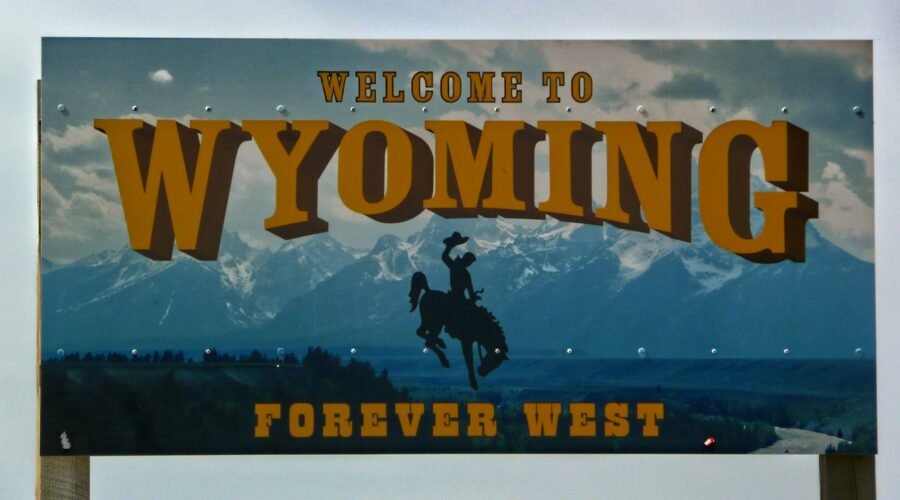
When Is the Best Time to Visit Cody, Wyoming?
The best time to visit Cody, Wyoming, is June through September for most outdoor travelers. June through August offers the full summer experience, including the Cody Nite Rodeo and convenient access to Yellowstone National Park. September is a good alternative for visitors who prefer milder weather, fewer crowds, and fall scenery.
May can work well for a quieter spring trip, but some attractions and high-elevation roads may not yet be open. Late September and early October offer beautiful fall landscapes, although colder weather and seasonal closures become more likely. Winter is better suited to travelers interested in a peaceful Western town, museums, and cold-weather activities rather than a conventional Yellowstone road trip.
Your ideal month depends on whether you prioritize rodeos, hiking, Yellowstone access, lower accommodation costs, or avoiding the summer rush. This guide compares the main travel seasons and explains what to expect.
Last updated: September 23, 2026. Seasonal schedules and Yellowstone road dates are subject to change.
1. Summer in Cody: June Through August
Summer is Cody’s main tourism season. The days are long, many seasonal attractions are operating, and visitors can combine Western history with outdoor recreation and Yellowstone sightseeing.
Peak Season Perks
- Warm Weather: Expect generally warm days suitable for hiking, fishing, sightseeing, and exploring the surrounding landscape. Historical average daily highs in Cody are approximately 75°F in June, 84°F in July, and 82°F in August.
- Longer Daylight Hours: Summer gives you more time for activities, from an early morning Yellowstone excursion to an evening rodeo.
- Seasonal Attractions: Many museums, campgrounds, guided tours, and outdoor attractions operate on their main summer schedules. Check individual opening dates rather than assuming every attraction is available.
- Cody Nite Rodeo: The regular season runs nightly from June 1 through August 31, with performances scheduled for 8 p.m.
- Cody Stampede Rodeo: The annual celebration takes place July 1–4, making the holiday period an important date to consider when planning accommodation.
For current rodeo information, visit the official Cody Yellowstone rodeo guide.
Summer Downsides
- Bigger Crowds: Cody and Yellowstone are popular during the summer vacation period. Expect more visitors on major roads and at popular attractions.
- Accommodation Demand: Hotels and vacation rentals can be harder to book during popular summer dates, especially around the July rodeo celebrations.
- Heat: July and August can bring hot afternoons. Plan strenuous outdoor activities for cooler parts of the day when practical.
- Traffic and Delays: Wildlife sightings, road construction, and busy Yellowstone destinations can extend driving times.
Summer travel tip: If attending the Cody Nite Rodeo is essential, choose dates between June 1 and August 31 and confirm the performance schedule before booking.
Historical temperature figures are based on the National Weather Service’s 1991–2020 Wyoming climate normals. They describe typical conditions, not a forecast for your travel dates.
2. The Shoulder Season Advantage: May and September–Early October
The shoulder seasons offer a different Cody experience. Visitors can enjoy a calmer atmosphere, but they must pay closer attention to weather forecasts, seasonal attractions, and road conditions.
Spring Shoulder Season: May
- Changing Weather: May brings warmer days, snowmelt, and the beginning of the growing season. Cody’s historical average daily high is approximately 64°F, but cold conditions remain possible.
- Fewer Summer Tourists: May generally comes before the main family vacation and rodeo season.
- Yellowstone Access: The National Park Service’s published 2026 schedule lists May 1 as the opening date for the East Entrance to Fishing Bridge, weather permitting. Other roads and facilities follow different schedules.
- Outdoor Conditions: Lower-elevation activities may be available while higher trails still have snow, mud, or limited access.
- Accommodation: Compare available lodging rates with summer dates. Lower demand can create opportunities, but savings are not guaranteed.
Important: The Cody Nite Rodeo does not have a regular May season. Its scheduled nightly performances begin June 1.
Before a spring Yellowstone trip, consult the National Park Service road-status and seasonal opening information.
Fall Shoulder Season: Late September and Early October
- Autumn Colors: Golden aspens and changing vegetation add seasonal interest to the surrounding landscape.
- Cooler Weather: Cody’s historical average daily high is approximately 72°F in September and 58°F in October. Nights are cooler, and freezing temperatures are possible.
- Reduced Summer Crowds: The atmosphere generally becomes calmer after the main summer vacation period.
- Wildlife Viewing: Fall is an important season for observing elk behavior in Yellowstone. Maintain a safe distance and follow park wildlife rules.
- Seasonal Closures: Some campgrounds, tours, and visitor services begin closing as autumn progresses.
- Weather Flexibility: Snow can temporarily close mountain roads, even before their scheduled seasonal closing dates.
For 2026, Yellowstone’s published schedule lists October 31 as the projected closing date for the East Entrance road to regular vehicles. Dunraven Pass and the Beartooth Highway have earlier projected closing dates of October 12. Weather may change these dates.
Fall travel tip: September provides a useful combination of open-road access, cooler days, and fall scenery. October visitors should keep a backup plan in case mountain weather disrupts their itinerary.
3. Embracing Winter: A Different Pace (November to April)

Winter in Cody offers snow-covered scenery, a quieter downtown, and a different perspective on Wyoming’s Western landscape. It is better suited to flexible travelers who are comfortable with cold weather and reduced seasonal services.
Winter Wonders
- Snow-Covered Landscapes: Winter changes the appearance of Cody’s surrounding mountains and open country.
- Quieter Atmosphere: The main summer tourism season has ended, making this an appealing time for visitors seeking a slower pace.
- Accommodation Options: Some properties offer seasonal rates. Compare actual prices and operating dates before booking.
- Winter Recreation: Cross-country skiing and snowshoeing may be available in the surrounding area when conditions permit.
- Indoor Attractions: The Buffalo Bill Center of the West operates throughout the year, although winter hours are reduced and holiday closures apply.
Sleeping Giant ski area: The resort was closed for the 2025–26 winter season. Check its current operating status before planning a downhill skiing or snowboarding trip.
For activity options and current provider information, consult the Cody Yellowstone winter activities directory.
Winter Realities
- Cold Weather: Snow, freezing temperatures, and wind can affect outdoor comfort and driving conditions.
- Limited Yellowstone Access: Yellowstone’s East Entrance closes to regular vehicle traffic during the winter road-closure period. Specialized oversnow travel follows separate operating schedules and restrictions.
- Shorter Days: Plan outdoor activities around limited daylight.
- Reduced Business Hours: Some restaurants, seasonal attractions, lodging properties, and visitor services may operate shorter hours or close temporarily.
- Winter Driving: Check road conditions, carry suitable cold-weather supplies, and allow extra travel time.
Do not assume you can drive a regular passenger vehicle from Cody through Yellowstone’s East Entrance during winter. Check the National Park Service winter-access guide before making park plans.
4. Understanding Cody’s Crowds: A Seasonal Breakdown

Visitor levels change throughout the year. The main factors are summer vacations, Yellowstone travel, Cody’s rodeo calendar, and the availability of seasonal attractions.
Peak Season: June–August
- Yellowstone Effect: Cody serves as an eastern gateway to Yellowstone, bringing road-trippers and park visitors through the area.
- Cody Nite Rodeo: Nightly performances add another reason to visit during the summer.
- Family Vacations: Summer school holidays increase demand for accommodation, attractions, and outdoor activities.
- July Events: The July 1–4 Cody Stampede Rodeo makes the Independence Day period particularly important for advance planning.
Shoulder Season: May and September–Early October
- Calmer Atmosphere: Visitor levels generally ease outside the main summer vacation period.
- More Flexibility: Travelers may find more accommodation choices, depending on the date and local events.
- Wildlife Opportunities: Spring and fall are useful seasons for wildlife-focused Yellowstone visits, provided road access and weather allow.
Off-Season: November–April
- Quieter Town: Cody receives fewer conventional summer-style tourists.
- Local Experience: Visitors can focus on indoor attractions, local businesses, and winter scenery.
- Limited Seasonal Services: Check operating hours before assuming a particular tour, restaurant, or attraction will be available.
How Far Is Cody From Yellowstone?
Cody is approximately 55 miles from Yellowstone’s East Entrance, or about an hour’s drive in suitable conditions. Driving to destinations farther inside Yellowstone takes additional time.
This distinction matters when selecting travel dates. Cody itself remains a year-round destination, but the direct route into Yellowstone is seasonal.
A visitor interested mainly in Cody’s museums and Western history has more flexibility than someone planning several days of driving inside Yellowstone.
5. Budgeting for Your Cody Adventure: Cost Considerations
The time of year affects accommodation demand, attraction availability, and transport choices. The following comparison uses historical Cody temperature averages and general seasonal travel patterns.
| Month | Average High | Crowds | Travel Considerations |
|---|---|---|---|
| May | 64°F | Generally lower | Spring weather; Yellowstone roads open in stages; no regular nightly rodeo. |
| June | 75°F | Increasing | Rodeo season begins; many summer attractions operate. |
| July | 84°F | High | Warm weather, busy summer travel, and the July 1–4 Stampede Rodeo. |
| August | 82°F | High | Warm conditions; regular Cody Nite Rodeo season ends August 31. |
| September | 72°F | Generally easing | Fall scenery, cooler nights, and generally good seasonal road access. |
| October | 58°F | Generally lower | Fall scenery; snow risk and seasonal road closures increase. |
| November–April | Varies by month | Off-season | Cold-weather travel; reduced seasonal services and restricted Yellowstone access. |
Temperature figures: National Weather Service 1991–2020 Cody climate normals. Crowd descriptions are general seasonal planning guidance, not measured monthly visitor counts.
Summer Costs: June–August
- Accommodation: Higher tourism demand can limit availability. Compare hotels and vacation rentals well before your intended dates.
- Flights: Compare total fares to Cody and alternative airports rather than assuming one arrival point will be cheaper.
- Activities: Budget separately for rodeo tickets, museum admission, guided experiences, and any Yellowstone entrance fees that apply to your group.
- Holiday Planning: Search for lodging early if your trip includes the July 1–4 Cody Stampede period.
Shoulder Season Costs: May and September–Early October
- Accommodation: Compare rates for your exact dates. Prices may be more favorable outside peak summer, but event dates and local demand still matter.
- Flights: Compare available routes, connections, baggage charges, and rental-car costs.
- Activities: Verify that seasonal tours and attractions are operating before treating a lower lodging price as an overall trip saving.
Winter Costs: November–April
- Accommodation: Look for operating properties and compare winter rates directly.
- Transportation: Account for winter driving requirements and possible weather delays.
- Activities: Some summer experiences will not be available. Specialized winter trips can have different pricing and booking requirements.
- Flexibility: Allow room in the itinerary for storms, reduced operating hours, and road closures.
Budget planning tip: Compare the total trip cost—not just the hotel rate. A cheaper room may not offset limited attraction access or additional transport expenses.
6. What to Pack: Dressing for Cody’s Climate
Cody’s weather can change quickly, and conditions in nearby mountains may differ significantly from those in town. Pack layers and check the forecast shortly before departure.
Year-Round Essentials
- Layered Clothing: Bring short- and long-sleeved shirts, an insulating layer, and a suitable jacket. Even summer mornings and evenings can feel cool.
- Waterproof and Windproof Outerwear: A weather-resistant jacket helps when conditions change.
- Comfortable Walking Shoes: Choose broken-in footwear suitable for museums, town sightseeing, and your planned outdoor activities.
- Sun Protection: Pack sunscreen, sunglasses, a hat, and lip protection.
- Reusable Water Bottle: Carry drinking water, especially during outdoor activities.
Spring and Fall: May, September, and Early October
- Warm Hat and Gloves: Useful for cold mornings and evenings.
- Waterproof Boots: Helpful for muddy trails or wet conditions.
- Insulating Layer: Pack a fleece or similar layer for changing temperatures.
- Weather Protection: Carry a waterproof jacket and allow for possible snow at higher elevations.
Summer: June–August
- Lightweight Clothing: Choose breathable clothing for warm afternoons.
- Extra Layer: Carry a jacket for cooler mornings, evenings, and higher elevations.
- Swimsuit: Pack one if your accommodation has a pool or you have planned an appropriate swimming activity.
- Insect Repellent: Useful around water and during outdoor activities.
- Water and Sun Protection: Especially important for hiking and extended sightseeing.
Winter: November–April
- Heavy Winter Coat: Choose insulated outerwear suitable for cold and windy conditions.
- Insulated Waterproof Boots: Good traction helps on snowy and icy surfaces.
- Thermal Underwear: Use base layers for additional warmth.
- Warm Socks: Wool or appropriate synthetic materials can help manage moisture.
- Warm Hat and Gloves: Insulated options are useful for outdoor activities.
- Scarf or Neck Gaiter: Provides additional protection against cold wind.
- Vehicle Supplies: Carry weather-appropriate emergency items if you plan to drive outside town.
Final Recommendation: Which Month Should You Choose?
Choose June through August if your trip centers on Cody’s summer attractions, the nightly rodeo, and extensive Yellowstone sightseeing. June offers the start of rodeo season, while July and August bring warmer conditions and greater summer demand.
Choose September if you prefer cooler days, fall scenery, and a generally calmer atmosphere. May is another option for visitors who can work around spring conditions and limited early-season services.
Choose winter if your interests are museums, winter landscapes, and a quieter visit to Cody itself. Do not plan a conventional Yellowstone driving itinerary through the East Entrance during the winter closure period.
Before booking, confirm your lodging, check the relevant attraction schedules, and review Yellowstone’s current road conditions. Those three checks will help you select travel dates that match the experience you want.
FAQs
1. What is the best time to visit Cody, Wyoming, for favorable weather?
June through August offers the warmest conditions for most summer activities. September is another useful choice for travelers who prefer milder days and cooler evenings. Cody’s historical average daily high is approximately 84°F in July and 72°F in September.
2. When is the peak tourist season in Cody, Wyoming?
The main tourist season runs from June through August. These months coincide with summer vacations, seasonal attractions, Yellowstone travel, and the Cody Nite Rodeo. The July 1–4 Cody Stampede period is particularly important for advance travel planning.
3. What is the off-peak season in Cody, Wyoming?
November through April is generally Cody’s off-season for conventional summer tourism. Winter visitors can enjoy a quieter town and selected indoor or outdoor activities, but some attractions operate limited schedules.
4. When can visitors expect lower accommodation costs in Cody?
Accommodation prices may be more favorable outside peak summer, particularly during quieter shoulder-season and winter dates. However, savings vary by property, weekend, local event, and availability. Compare actual rates rather than relying on a fixed discount estimate.
5. What are the main rodeo events in Cody, Wyoming?
The Cody Nite Rodeo runs nightly from June 1 through August 31. The Cody Stampede Rodeo takes place July 1–4. Confirm current ticket availability and event schedules before planning your trip around either event.
6. When does Yellowstone’s East Entrance open from Cody?
The National Park Service’s published 2026 schedule lists May 1 through October 31 for regular vehicle travel between the East Entrance and Fishing Bridge, weather permitting. Opening and closing dates can change, so check the current park road-status information before departure.
7. Is September a good month to visit Cody and Yellowstone?
Yes. September offers cooler weather, fall scenery, and generally fewer summer vacation crowds. Yellowstone roads are normally accessible during much of September, although snow and temporary closures are possible. Some seasonal facilities begin closing as fall progresses.
8. Can you drive from Cody into Yellowstone in winter?
Not through the East Entrance in a regular passenger vehicle during its winter road-closure period. Yellowstone has separate rules and schedules for authorized oversnow travel. Check the National Park Service’s winter information before booking a winter park excursion.


[…] in exploring other destinations with similar considerations, you might find the article on the Best Time to Visit Cody, Wyoming: Weather, Crowds, and Costs particularly helpful. This resource provides insights into the optimal times to visit Cody, […]
[…] If you’re comparing how weather, crowds, and seasonal pricing affect completely different destinations, you can also see this guide to the Best Time to Visit Cody, Wyoming: Weather, Crowds, and Costs. […]