

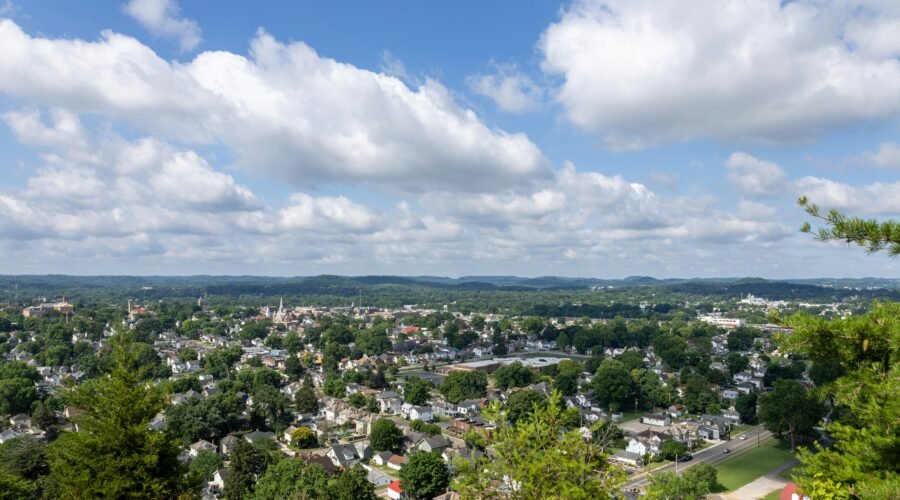
Ready to plan your Ohio adventure? The best time to visit Ohio generally falls between late spring (May-June) and early autumn (September-October). This sweet spot offers comfortable weather, manageable crowds, and often reasonable costs, making it ideal for exploring all the Buckeye State has to offer. This guide will break down the specifics, helping you pinpoint the perfect time for your trip.
Spring in Ohio brings a welcome thaw and a burst of new life. It’s a fantastic time to visit, especially for those who appreciate nature and milder temperatures.
1.1. Weather Perks: Pleasant and Blooming
As winter sheds its skin, Ohio’s temperatures steadily climb. Early spring (March-April) can still be a bit unpredictable, with chilly days and even late snowfalls. However, by May and early June, you’ll typically find comfortable daytime temperatures ranging from the 60s to low 70s Fahrenheit (15-23°C). The air is crisp, trees are budding, and wildflowers paint the landscape. This is prime time for outdoor activities without the oppressive humidity of summer.
1.2. Crowd Considerations: Generally Lighter
While popular attractions start to awaken in spring, the crowds aren’t usually at their peak until summer vacation kicks into high gear. You’ll likely encounter fewer people at state parks, museums, and cities in May and early June compared to July and August. This means shorter lines, easier parking, and a more relaxed overall experience.
1.3. Cost Analysis: A Mixed Bag
Spring can be a good time for budget-conscious travelers. Flights and accommodation might be a bit cheaper than peak summer rates, especially if you book in advance. However, as the weather warms and attractions open, prices will gradually tick upwards. Festivals and events start to pop up, which can sometimes drive up demand and thus prices in specific locales. Keep an eye out for early-season deals.
If you’re planning a trip to Ohio, you might also find it helpful to read our article on the “Best Attractions in Ohio: A Comprehensive Guide.” This guide provides insights into must-visit destinations, local events, and unique experiences that can enhance your travel itinerary. To learn more about the top spots to explore in Ohio, check out the article here: Best Attractions in Ohio: A Comprehensive Guide.
2. Summer in Ohio: Sunshine, Festivals, and Family Fun
Summer is Ohio’s peak tourist season, and for good reason. The weather is warm, attractions are in full swing, and there’s a palpable energy in the air.
2.1. Weather Woes (and Joys): Hot and Humid
From July through August, Ohio fully embraces summer. Expect average daytime temperatures in the 80s Fahrenheit (27-32°C), often accompanied by high humidity. While evenings can be pleasant, afternoon heat can be intense, especially in urban areas. Thunderstorms are also common, usually in the late afternoon. If you love warm weather and don’t mind sweating a bit, this is your time. However, be prepared with light clothing, sunscreen, and plenty of water.
2.2. Crowds Galore: Busiest Time of Year
This is when Ohio truly hums with activity. School’s out, families are traveling, and nearly every attraction is operating at full capacity. Expect longer lines at Cedar Point, more people at the Cleveland Metroparks Zoo, and busier state parks. Popular lakes like Lake Erie and Ohio’s inland lakes will be bustling. If you thrive on a vibrant, energetic atmosphere and don’t mind sharing the experience with many others, summer is great. If you prefer solitude, this might not be your ideal time. Advanced booking for accommodations and popular attractions is highly recommended.
2.3. Costliest Months: Peak Season Pricing
Unsurprisingly, summer is generally the most expensive time to visit Ohio. Demand for flights, hotels, and vacation rentals skyrockets, especially in tourist hotspots. Expect to pay premium prices across the board. Theme park tickets and other attraction admissions will be at their highest. If you plan to visit during the summer, start planning and booking well in advance to potentially snag better rates, though significant discounts are rare during this period.
3. Autumn in Ohio: The Undisputed Crown Jewel

Many consider September and October to be the absolute best time to visit Ohio. It’s a blend of comfortable weather, breathtaking scenery, and a slightly more relaxed pace than summer.
3.1. Weather Perfection: Crisp Air and Fall Foliage
Autumn weather in Ohio is simply glorious. Daytime temperatures typically hover in the 60s and low 70s Fahrenheit (15-23°C), with cool, crisp evenings perfect for a campfire or a cozy stroll. The humidity of summer is gone, replaced by clear skies and comfortable conditions. And, of course, the main event: fall foliage. Ohio boasts some incredible displays of autumn colors, particularly in the Hocking Hills region. The peak of this vibrant show usually occurs around mid-October, though it can vary slightly year to year. This is prime hiking weather.
3.2. Crowds Thinning: Post-Summer Calm
While autumn still attracts a significant number of visitors, especially leaf peepers in specific regions, the general crowds are noticeably smaller than in summer. Families with school-aged children are less likely to travel, leading to a more manageable experience at many attractions. Weekends can still be busy, particularly in popular fall foliage destinations like Hocking Hills State Park, but weekdays often offer a more serene visit. Festivals, particularly harvest and Halloween-themed ones, are abundant.
3.3. Cost Effectiveness: A Sweet Spot
Autumn offers a fantastic balance of excellent conditions and often agreeable prices. As summer demand winds down, flight and accommodation prices can start to decrease from their peak. While popular fall foliage areas might see a temporary spike in hotel rates during peak color weekends, overall, you’ll likely find better value than in the summer months. Many attractions offer shoulder-season pricing, making it a budget-friendly option without sacrificing the experience.
4. Winter in Ohio: A Quiet Charm (and Plenty of Snow)

Winter in Ohio is often overlooked, but it can offer a unique and peaceful travel experience, especially for those who enjoy cold-weather activities or seek solitude.
4.1. Weather Challenges: Cold, Snow, and Ice
From November through February, Ohio transforms into a winter wonderland – often. Expect average daytime temperatures ranging from the 20s to 30s Fahrenheit (-7 to 0°C), with significant snowfall, especially in the northern parts of the state near Lake Erie (the “snow belt”). Ice storms can also occur. This is not the time for easy outdoor exploration unless you’re specifically geared up for skiing, snowboarding, ice skating, or snowshoeing. Days are short, and the weather can be quite unpredictable.
4.2. Minimal Crowds: Enjoy the Solitude
If you want to avoid crowds entirely, winter is your season. Many outdoor attractions either close or operate on limited hours. Indoor attractions like museums and art galleries are virtually empty compared to other seasons. You’ll have a much more intimate experience at historical sites and in city centers, though some smaller businesses might have reduced hours. This is the perfect time for a quiet weekend getaway, a cozy cabin retreat, or a city break focusing on indoor activities.
4.3. Budget-Friendly Travel: Deepest Discounts
Winter generally offers the lowest prices on flights and accommodation in Ohio. Demand is at its lowest, leading to significant discounts. Hotels often have off-season rates, and you might find great deals on cabin rentals or other unique stays. The exception might be around the holiday season (Thanksgiving, Christmas, New Year’s), where prices can briefly tick up. If you’re looking for an affordable trip and don’t mind bundling up, winter delivers excellent value.
If you’re planning a trip to Ohio, you might find it helpful to read an article that discusses the best times to visit based on various factors such as weather, crowds, and costs. For more insights, check out this informative piece on travel tips that can enhance your experience while exploring the Buckeye State. Understanding these elements can help you make the most of your visit, ensuring you enjoy everything Ohio has to offer.
5. Other Considerations for Your Ohio Trip
| Month | Weather | Crowds | Costs |
|---|---|---|---|
| March – May | Mild temperatures, blooming flowers | Low to moderate | Moderate |
| June – August | Warm to hot, occasional thunderstorms | High | High |
| September – November | Cool temperatures, fall foliage | Low to moderate | Moderate |
| December – February | Cold temperatures, occasional snow | Low | Low |
Beyond the main seasons, a few other factors can influence the “best” time for your specific visit.
5.1. Specific Events and Festivals
Ohio is a state rich in festivals and events, from the Ohio State Fair in August to Oktoberfest celebrations in September, a multitude of music festivals, county fairs, and seasonal art walks. If there’s a particular event you want to attend, that will dictate your travel dates, regardless of general weather or crowd trends. Always check local tourism boards’ calendars well in advance. For example, if you’re a fan of college football, an autumn visit to Columbus for an Ohio State Buckeyes game will involve a very specific set of crowds and costs.
5.2. Personal Preferences (What Do You Want to Do?)
Ultimately, the “best” time depends on your personal interests.
- Beach and Water Sports: Summer (July-August) is ideal for Lake Erie beaches, boating, and water parks.
- Hiking and Nature Photography: Late spring (May-June) and early fall (September-October) offer the best weather and scenery.
- Theme Parks (e.g., Cedar Point, Kings Island): Late spring/early summer (May-June) for moderate crowds, or late summer/early fall (September-early October) for Halloween events, if weather permits.
- Museums and Indoor Attractions: Any time of year is good, but winter offers fewer crowds.
- Skiing/Snowboarding: Winter (December-February) is your only option.
- Wine Tasting (Lake Erie Wine Country): Late spring for comfortable tours, or fall for harvest festivals.
5.3. Avoiding Peak Holiday Periods
No matter the season, try to avoid major holiday weekends if crowds and higher prices are a concern. Memorial Day, Labor Day, 4th of July, Thanksgiving, Christmas, and New Year’s can significantly impact travel experiences, leading to packed roads, fully booked accommodations, and inflated prices. If your travel dates are flexible, shifting your trip by a few days before or after a holiday can make a big difference.
In conclusion, while late spring and early autumn stand out for their agreeable weather, moderate crowds, and reasonable costs, Ohio offers something unique in every season. By considering what you want to do and how much you’re willing to spend, you can easily pinpoint the perfect time to explore the Buckeye State.
FAQs
1. What is the best time to visit Ohio for favorable weather?
The best time to visit Ohio for favorable weather is during the months of May to September. During this time, the weather is generally warm and pleasant, making it ideal for outdoor activities and sightseeing.
2. When is the peak tourist season in Ohio?
The peak tourist season in Ohio is during the summer months of June to August. During this time, popular attractions and outdoor destinations tend to be more crowded, and accommodation and travel costs may be higher.
3. What is the off-peak season in Ohio?
The off-peak season in Ohio is during the winter months of December to February. During this time, the weather is cold and many outdoor attractions may be closed, but it can be a good time to visit for those looking to avoid crowds and save on travel expenses.
4. Are there any specific events or festivals that are worth considering when planning a trip to Ohio?
Yes, Ohio hosts several events and festivals throughout the year that are worth considering when planning a trip. For example, the Ohio State Fair in late July to early August, and the Cleveland International Film Festival in March are popular events that attract visitors from all over.
5. How does the cost of visiting Ohio vary throughout the year?
The cost of visiting Ohio varies throughout the year, with higher costs during the peak tourist season in the summer months, and lower costs during the off-peak winter season. Additionally, hotel and travel prices may also be affected by specific events or festivals happening in the area.


[…] seasonality across very different destinations, you can also see this separate guide to the best time to visit Ohio. Its climate and travel patterns are different from Liguria, but the same weather-crowd-cost […]