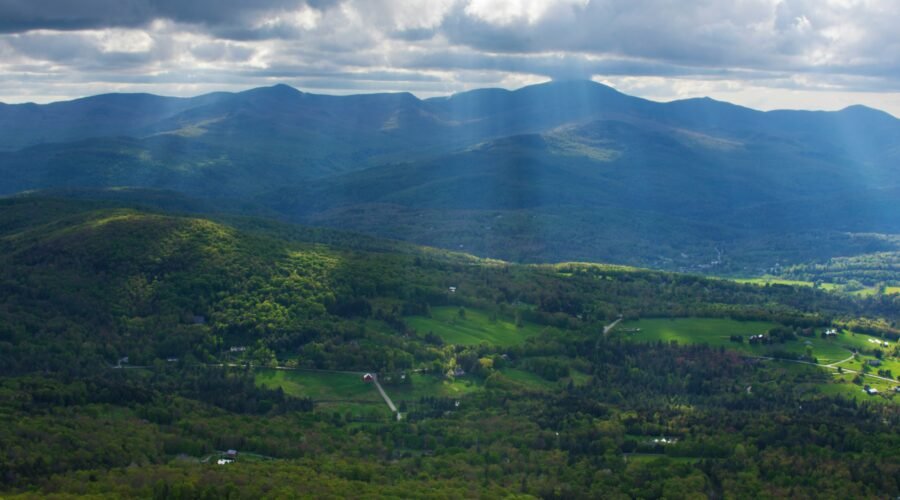
If you’re wondering when to pack your bags for Vermont, the short answer is: it really depends on what you’re looking for. From vibrant fall foliage to snowy slopes, and quiet trails to bustling town centers, Vermont morphs with each season. Generally, late September to early October is prime for leaf peeping (but expect crowds and higher prices), while early summer (June) and mid-to-late spring (May) offer a sweet spot of pleasant weather, fewer people, and better value. Winter is fantastic for snow sports but can be pricey and cold! Throughout this guide, we’ll dive into the specifics of each season, helping you pinpoint the best time for your perfect Vermont getaway.
Vermont in spring is a study in contrasts. It’s a time of renewal, but also a period famously dubbed “Mud Season.” Don’t let the name deter you entirely, though; it has its own unique charm and benefits for the savvy traveler.
Weather: Gradual Warming & Lingering Chill
- April: This month is truly unpredictable. You might experience a warm, sunny day one moment, and then a sudden late-season snowfall the next. Average daytime temperatures range from 40-55°F (4-13°C), with nights still dipping below freezing. Expect a mix of rain, slush, and patchy snow. It’s a good time for those who enjoy the quiet before the rush.
- May: A noticeable warm-up occurs in May. Daytime temperatures generally hover between 55-70°F (13-21°C), and nights are usually above freezing, making for more comfortable evenings. While “Mud Season” is still a factor, especially on unpaved roads and hiking trails, many areas begin to dry out. The trees are starting to wake up, with delicate green leaves emerging. This is prime time for maple sugaring operations, which typically conclude their season by mid-May.
- June (Early): Early June is often considered a sweet spot. The mud has largely receded, temperatures are comfortably in the 70s°F (21-25°C) during the day, and evenings are mild. The landscape is lush and vibrantly green. Humidity levels are generally low, making it ideal for outdoor activities before the full heat of summer sets in. This is often when lakes and rivers become suitable for swimming and watersports.
Crowds: Low to Moderate
- April & Early May: These weeks are generally the quietest. Many ski resorts have closed, and the summer tourism boom hasn’t started. You’ll find fewer people on trails and in towns. This is an excellent time if you prioritize solitude and don’t mind the variable weather. Tourist infrastructure (some restaurants, smaller shops) might have reduced hours or be closed for a spring break.
- Late May (Memorial Day Weekend): Expect a slight uptick in visitors around Memorial Day weekend, as it marks the unofficial start of summer. However, it’s still far less crowded than peak summer or fall.
- Early June: Crowds remain moderate. You’ll see more families and outdoor enthusiasts, but popular spots won’t feel overwhelmingly packed. You can generally secure accommodations and restaurant reservations without too much hassle.
Costs: Best Value
- Accommodation: This is arguably the most budget-friendly time to visit, outside of perhaps very early December (pre-ski season). You’ll find lower rates for hotels, inns, and vacation rentals. Many places offer shoulder-season discounts.
- Activities: Activity costs remain consistent (e.g., museum entry, specific tours), but overall travel expenses are reduced due to cheaper lodging and potentially less demand for prime dinner reservations.
- Flights/Gas: Travel expenses for getting to Vermont also tend to be lower during this off-peak period, assuming you’re not flying during school holidays.
Best For:
- Maple enthusiasts (early spring)
- Budget travelers
- Those seeking solitude and quiet
- Hiking (once trails dry out, late May/June)
- Cycling (late May/June)
- Bird watching
- Waterfalls at their fullest
Things to Consider:
- Mud Season: Be prepared for muddy trails and unpaved roads. Pack appropriate waterproof footwear. Some smaller, unpaved roads might be impassable.
- Black Flies: Mid-May to mid-June is peak black fly season in some areas. Bring insect repellent with DEET or picaridin, or wear head nets if you’re particularly sensitive. They are generally most active in shaded, damp areas near water.
- Variable Weather: Pack layers – you might need a winter hat and gloves one day and a light jacket the next.
If you’re planning a trip to Vermont and want to make the most of your visit, you might find it helpful to read our article on the “Best Time to Visit Vermont: Weather, Crowds, and Costs.” This resource provides insights into the ideal seasons for travel, taking into account factors such as climate, tourist traffic, and budget considerations. Additionally, you can learn more about our dedicated team and their expertise in travel planning by checking out our team page at Meet Our Team.
2. Summer (Late June to Early September): The Lush Green Season
Summer in Vermont is a vibrant, active time. The landscape is bursting with green, and the weather is generally warm and pleasant, making it ideal for a wide range of outdoor pursuits.
Weather: Warm & Humid Potentially
- Late June to Mid-August: These are Vermont’s warmest months. Daytime temperatures typically range from 75-85°F (24-29°C), with occasionally hotter days reaching into the low 90s°F (30s°C). Nights are generally comfortable, in the 50s-60s°F (10-18°C), making for pleasant sleeping. Expect sunshine, but also be prepared for occasional thunderstorms, especially in the afternoons. Humidity can be a factor, particularly in late July and August.
- Late August to Early September (Labor Day): The heat begins to mellow, with daytime temperatures often in the high 60s to low 70s°F (18-24°C). Nights become noticeably cooler, signaling the approach of autumn. The humidity generally drops, making for very comfortable conditions. This period can offer some of the most pleasant summer weather.
Crowds: High
- Peak Season: Summer is one of Vermont’s busiest tourist seasons, especially from July 4th through mid-August. Coastal and lakeside towns, popular hiking trailheads, and major attractions will see significant crowds.
- Hotspots: Expect popular destinations like Burlington’s waterfront, the Stowe Mountain Resort area, Lake Champlain, and towns near national forests to be bustling. Restaurants will require reservations, and hotels will book up quickly.
- Labor Day Weekend: This is typically one of the busiest weekends of the summer, as many people take one last summer trip.
Costs: High
- Accommodation: Generally among the highest prices of the year, rivaling or exceeding peak fall foliage rates. Book well in advance, especially for popular weekends and locations.
- Activities: While many outdoor activities (hiking, swimming in lakes) are free, guided tours, boat rentals, and certain attractions will be at their standard summer rates. Some specific events, like music festivals, will have ticket costs.
- Dining: Popular restaurants will have higher prices, though less so than during foliage season.
Best For:
- Hiking and backpacking
- Swimming, kayaking, paddleboarding in lakes and rivers
- Cycling on scenic roads and rail trails
- Farmers markets and picking your own berries
- Outdoor festivals and concerts
- Visiting distilleries, breweries, and wineries
- Exploring charming small towns
Things to Consider:
- Booking Ahead: Essential for accommodations, popular restaurant reservations, and any guided tours or specific activities.
- Sun Protection: Days are long and sunny, so bring sunscreen, hats, and sunglasses.
- Hydration: Stay hydrated, especially if you’re active outdoors.
- Insect Repellent: While black flies diminish, mosquitoes and ticks are still present. Take precautions, especially in wooded areas.
3. Autumn (Mid-September to Early November): The Iconic Foliage Season

This is what most people picture when they think of Vermont: vibrant, world-renowned fall foliage. It’s an absolutely magical time to visit, but it comes with a few caveats.
Weather: Crisp & Iconic
- Mid-September to Early October (Peak Foliage): This is the ideal window for viewing the most spectacular colors. Daytime temperatures are typically cool and crisp, ranging from 55-70°F (13-21°C). Nights are chilly, often dropping into the 40s°F (4-9°C), perfect for cozy evenings by a fire. Expect sunny days, but also be prepared for a chance of rain. The leaves change from north to south, and higher elevations change first.
- Mid-October to Late October: While the peak has passed in many areas, colors can still be beautiful, especially in southern Vermont and lower elevations. Temperatures continue to drop, with daytime highs in the 40s-50s°F (4-15°C). There’s an increased chance of frost and even early snow flurries, particularly in the later part of the month.
- November (Late Fall/Stick Season): As the leaves fall, November marks the transition to winter, often called “Stick Season.” It can be starkly beautiful in its own way, especially with a dusting of early snow. Temperatures are cold, typically in the 30s-40s°F (0-9°C) during the day, much colder at night. Many businesses begin to close or have reduced hours in preparation for the winter ski season.
Crowds: Extremely High During Peak
- Peak Foliage (Late Sept. – Early Oct.): Vermont is incredibly busy during this period. Expect significant traffic on scenic routes, full parking lots at popular trailheads and attractions, and bustling towns. Reservations for everything, from lodging to dining, are absolutely essential and should be made months in advance.
- Shoulder Weeks: The week or two before and after peak foliage will still be busy, but perhaps slightly less intensely crowded. While the colors might not be at their absolute zenith, they can still be stunning, offering a good compromise.
- Late October/November: Crowds drop off dramatically after peak foliage. This can be a great time for a quieter visit, especially if you’re not solely focused on the leaves. Many attractions, however, will be closed.
Costs: Highest of the Year
- Accommodation: This is undoubtedly the most expensive time to visit. Hotels, inns, and vacation rentals command premium rates, often with minimum stay requirements. Expect prices to be 2-3 times higher than during spring or late fall.
- Flights/Gas: Demand for flights and gas (if driving) will likely be higher, especially on weekends during peak foliage.
- Dining: While menu prices don’t necessarily spike, the high demand means you’ll certainly be paying full price, and getting a table at popular spots requires planning.
Best For:
- Leaf peeping (obviously!)
- Scenic drives and photography
- Hiking in crisp, cool weather amidst stunning colors
- Apple picking and cidery visits
- Visiting harvest festivals and craft fairs
- Enjoying cozy nights by a fireplace
Things to Consider:

- Book Well in Advance: Seriously, accommodations can be booked solid 6-12 months out for peak weekends.
- Flexibility: If your schedule allows, consider visiting mid-week to avoid some of the weekend congestion.
- Patience: Traffic jams are common on popular routes. Be prepared for slower travel times.
- Dress in Layers: Days can be glorious and sunny, but mornings and evenings are cold.
4. Winter (December to March): The Snowy Playground
| Month | Weather | Crowds | Costs |
|---|---|---|---|
| June | Mild and pleasant | Moderate | Moderate |
| July | Warm and sunny | High | High |
| August | Warm and sunny | High | High |
| September | Cool and crisp | Moderate | Moderate |
Vermont truly transforms into a winter wonderland, drawing skiers, snowboarders, and those seeking cozy, snow-dusted charm.
Weather: Cold & Snowy
- December: The beginning of winter. Early December can be hit or miss for snow, but by mid-December, resorts are typically fully operational. Temperatures usually range from 20-35°F (-7 to 2°C) during the day, dropping well below freezing at night. Expect a mix of snow and cold.
- January & February: These are Vermont’s coldest and snowiest months. Daytime temperatures often hover between 15-30°F (-9 to -1°C), with frequent dips well below zero (especially at night and in higher elevations). Heavy snowfalls are common, creating excellent conditions for winter sports.
- March: Winter slowly transitions into spring. Temperatures start to rise but remain cold, typically 25-40°F (-4 to 4°C). Snow is still abundant, offering great late-season skiing and snowboarding, often with sunnier days. Spring break periods can bring more crowds.
Crowds: Moderate to High
- Peak Ski Season (Mid-Dec, Jan-Feb, March Break): Ski resorts are the main draw, and they can be very crowded, especially on weekends, holidays (Christmas/New Year’s, Martin Luther King Jr. Day, Presidents’ Day), and during school spring breaks in March. Expect lift lines, busy lodges, and full restaurants in ski towns.
- Mid-Week/Non-Holiday: If you can visit mid-week outside of holiday periods, you’ll find significantly smaller crowds and often better deals at resorts.
- December (Early): Before the Christmas rush and when snow coverage might be less certain, early December can be a quiet and more affordable time for a winter getaway, providing resorts are open.
Costs: High (Especially Ski-Related)
- Accommodation: Prices in ski towns and near resorts are very high, particularly during peak periods and on weekends. Lodging often includes resort-specific surcharges.
- Skiing/Snowboarding: Lift tickets, equipment rentals, and lessons are significant expenses. Many resorts use dynamic pricing, so booking in advance or choosing off-peak days can save money.
- Other Activities: Ice skating, sleigh rides, and snowshoeing or cross-country skiing at groomed centers also have associated costs.
- Overall: If you’re coming to ski, winter can be one of the most expensive times, second only to peak foliage if you include all the activity costs.
Best For:
- Downhill skiing and snowboarding
- Cross-country skiing and snowshoeing
- Ice skating
- Sleigh rides and dog sledding
- Cozying up by a fire with hot cocoa
- Enjoying winter festivals and events
- Experiencing a true Christmas card setting
Things to Consider:
- Road Conditions: Winter driving can be challenging. Be prepared for snow and ice. All-wheel drive or 4×4 vehicles with snow tires are highly recommended, especially if you plan to venture off main roads or to mountain resorts.
- Layer Up: Dress warmly in layers, as temperatures can be extreme.
- Early Booking: Essential for peak ski season and holiday periods.
- Non-Ski Resorts: If you’re not coming to ski, you can find more affordable and quieter experiences in towns away from the major ski areas. Many smaller towns offer charming winter scenes without the resort crowds.
If you’re planning a trip to Vermont, you might also find it helpful to read about the best accommodations in the area. Understanding where to stay can greatly enhance your experience, especially when considering the weather and local attractions. For more insights on this topic, check out this informative article on accommodations in Vermont.
5. Month-by-Month Breakdown: Your Quick Planner
Here’s a quick cheat sheet to help you decide when to go, based on your priorities:
January & February
- Weather: Coldest, snowiest months. Ideal for winter sports.
- Crowds: High at ski resorts, especially weekends/holidays. Quieter elsewhere.
- Costs: High in ski towns.
March
- Weather: Still cold, but warming. Great late-season skiing with more sunshine.
- Crowds: High during spring break weeks; quieter otherwise.
- Costs: High in ski towns, but discounts may start appearing late in the month.
April
- Weather: Unpredictable, mix of cold, rain, and slush. “Mud Season” begins.
- Crowds: Very low, quietest month.
- Costs: Lowest accommodation rates.
May
- Weather: Warming up, leaves emerging. Mud still a factor. Black flies arrive later in the month.
- Crowds: Low to moderate.
- Costs: Good value, second-lowest accommodation rates.
June
- Weather: Pleasant, warm days, mild nights. Lush green. Low humidity, generally.
- Crowds: Moderate, increasing in late June.
- Costs: Moderate. Good value before peak summer prices hit.
July & August
- Weather: Warmest months, humid especially in late July/August. Thunderstorms possible.
- Crowds: High. Peak summer season.
- Costs: High.
September
- Weather: Cools down. Mid-late Sept. is peak foliage in northern/higher elevations.
- Crowds: Moderate early Sept.; extremely high mid-late Sept. as foliage peaks.
- Costs: Moderate early Sept.; highest of the year mid-late Sept.
October
- Weather: Crisp and cool. Peak foliage moves south. Frosts common.
- Crowds: Extremely high early Oct.; tapering off mid-late Oct.
- Costs: Highest early Oct.; tapering off mid-late Oct.
November
- Weather: Cold, “Stick Season.” Increase in early snow. Many businesses close.
- Crowds: Very low. Very quiet.
- Costs: Low, good off-season value.
December
- Weather: Cold. Winter begins. Snowfall increases.
- Crowds: Low early Dec.; high during Christmas/New Year’s holiday.
- Costs: Low early Dec.; high during Christmas/New Year’s holiday.
Ultimately, the best time to visit Vermont depends on your personal preferences and what kind of experience you’re hoping for. Whether you’re chasing the vibrant colors of fall, the solitude of spring, the warmth of summer, or the snowy bliss of winter, Vermont offers something special in every season. Just remember to plan accordingly, especially when it comes to booking accommodations during peak times.
FAQs
What is the best time to visit Vermont for good weather?
The best time to visit Vermont for good weather is during the summer months of June, July, and August. These months offer warm temperatures, low humidity, and plenty of sunshine, making it ideal for outdoor activities such as hiking, biking, and exploring the state’s natural beauty.
When is the peak tourist season in Vermont?
The peak tourist season in Vermont is during the fall months of September and October when the foliage is at its most vibrant. Visitors flock to Vermont during this time to witness the stunning display of autumn colors, resulting in crowded attractions and higher accommodation costs.
What is the most affordable time to visit Vermont?
The most affordable time to visit Vermont is during the spring months of April and May, as well as the winter months of January and February. During these off-peak seasons, accommodation costs are lower, and there are fewer crowds, making it an ideal time for budget-conscious travelers to visit.
What are the winter months like in Vermont?
Winter in Vermont, particularly from December to February, brings cold temperatures and snowfall, making it a popular destination for winter sports enthusiasts. Skiing, snowboarding, and snowshoeing are popular activities during this time, and visitors can enjoy the state’s picturesque winter landscapes.
Are there any events or festivals that are worth visiting Vermont for?
Vermont hosts several events and festivals throughout the year that are worth visiting for, such as the Vermont Maple Festival in April, the Stowe Balloon Festival in July, and the Vermont Brewers Festival in July. These events showcase the state’s culture, traditions, and local produce, providing visitors with unique and memorable experiences.