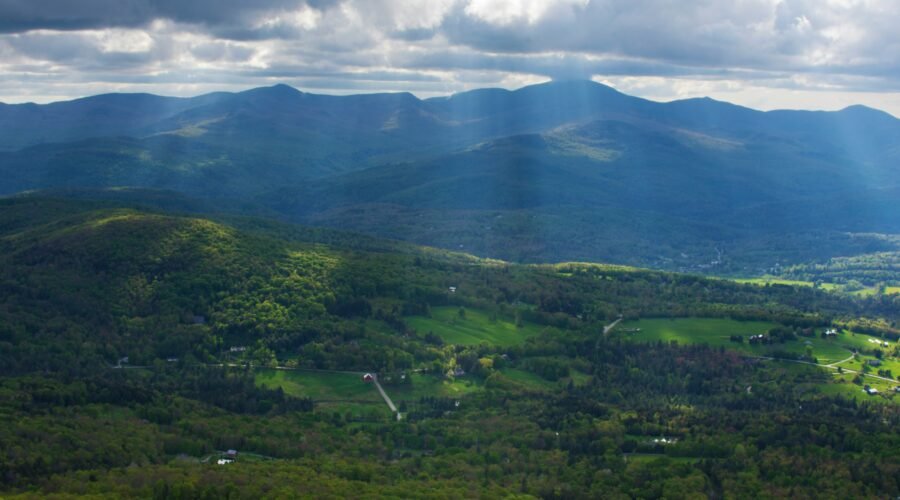
The best time to visit Vermont depends on what you want to experience. Fall brings colorful foliage and scenic drives, summer offers green mountains and lake activities, and winter draws skiers and snowboarders. Spring can be quieter and less expensive, although muddy trails and unpredictable weather require extra planning.
For many travelers, early June and early September offer an appealing balance of weather, outdoor activities, and manageable crowds. If fall foliage is your main goal, late September through mid-October is the usual planning window, depending on your destination and the year’s conditions.
Quick Answer
The best time to visit Vermont is late September through early October for fall foliage, June through August for hiking and lake activities, and January through March for winter sports. May and early June can offer quieter travel and better lodging value. Peak foliage varies by elevation and region, so check current conditions before booking.
Key Takeaways
- Fall foliage: Plan around late September through mid-October, adjusting for your destination.
- Outdoor adventures: June through August offers the widest range of hiking, cycling, and lake activities.
- Budget travel: April, May, and November can offer lower lodging rates, although some attractions have reduced hours.
- Winter sports: January through March is a practical starting point, but snow and resort conditions vary.
- Maple experiences: Look toward March and early spring rather than May.
Vermont Seasons at a Glance
Use this quick comparison to choose a season before getting into the details.
| Season | What to Expect |
| Spring April–early June |
Fewer visitors, changing weather, green landscapes, and potentially lower lodging rates. Mud season can limit hiking. |
| Summer Late June–early September |
Warm weather, hiking, swimming, boating, festivals, and busy vacation destinations. |
| Autumn Mid-September–early November |
Fall foliage, scenic drives, harvest activities, and strong demand for lodging during peak color. |
| Winter December–March |
Skiing, snowboarding, snowshoeing, cold weather, and busy mountain resorts during holidays and weekends. |
These are general travel patterns, not fixed forecasts. Weather, snow coverage, foliage, and accommodation prices vary by location and year. Mountain communities may experience very different conditions from Burlington or lower-elevation towns.
1. Spring (April to Early June): Quiet Towns and Fresh Greenery
Vermont in spring is a study in contrasts. Snow begins to disappear, waterfalls swell, and the landscape gradually turns green. It is also the season locals know as mud season.
Spring appeals to travelers who enjoy quieter towns, scenic drives, maple products, and flexible itineraries. It is less suitable for anyone expecting consistently dry mountain trails.
Weather: Gradual Warming and Lingering Chill
- April: Expect highly changeable conditions, including chilly mornings, rain, slush, occasional late snow, and warmer afternoons. Daytime temperatures often fall somewhere in the 40s and 50s°F, although conditions vary considerably.
- May: Temperatures rise, trees begin leafing out, and lower elevations become greener. Some trails and unpaved roads may remain wet after snowmelt or heavy rain.
- Early June: Days are generally warmer, the landscape is lush, and many outdoor activities become easier to plan. Cool nights and occasional rain remain possible.
For actual conditions, consult the National Weather Service Burlington climate resources and the forecast for your specific destination.
Crowds: Low to Moderate
- April and early May: Many destinations are relatively quiet after ski season and before summer travel begins. Some seasonal businesses may have limited hours.
- Memorial Day weekend: Visitor numbers increase as the summer travel season approaches.
- Early June: Popular towns and outdoor destinations become more active, although many locations remain less crowded than during peak summer and foliage weekends.
Costs: Often Good Value
April and May can be attractive for travelers seeking lower accommodation prices, especially outside major events and holiday weekends.
Compare hotels, inns, and vacation rentals across several dates. Shoulder-season discounts may be available, but prices are not uniform throughout Vermont.
Flights, rental cars, and other transportation costs depend on your departure city and travel dates rather than Vermont’s tourism season alone.
Best Spring Activities
- Visiting maple sugarhouses and tasting local maple products.
- Exploring Burlington, Montpelier, Woodstock, and other towns.
- Walking on dry, low-elevation trails and rail trails.
- Birdwatching and photographing spring landscapes.
- Viewing waterfalls from safe, established access points.
- Cycling on open, dry routes.
- Visiting farmers markets as their seasonal schedules begin.
When Is Vermont Maple Sugaring Season?
Maple sugaring normally takes place during late winter and early spring when freezing nights and warmer days help sap flow.
March is a useful month for travelers who want to see sugarhouses in operation, although the exact production window depends on weather.
The Vermont Maple Sugar Makers’ Association held its 2026 Maple Open House Weekend on March 21–22. Its official Maple Open House page provides event information and resources for planning sugarhouse visits.
Maple products are available beyond the production season, so you can still enjoy syrup, maple candy, and maple creemees during other parts of the year.
Things to Consider
- Mud season: Wet trails and unpaved roads may be difficult to use.
- Black flies: They can be bothersome during late spring and early summer, especially in certain wooded and damp areas.
- Variable weather: Pack waterproof footwear, warm layers, and a rain jacket.
- Reduced business hours: Check individual restaurants, attractions, and lodging properties before traveling.
Warning: Avoid hiking or biking on saturated mountain trails during mud season, even when a trail is not officially closed. The Green Mountain Club explains that this can damage soil, widen trails, and increase erosion. Check the official mud-season guidance before choosing a route.
If you want to know more about the people behind our travel content, visit our Meet Our Team page.
2. Summer (Late June to Early September): The Lush Green Season
Summer in Vermont brings green mountains, long days, lake activities, and a busy outdoor calendar. It is one of the easiest seasons for visitors who want to combine hiking, sightseeing, and time on the water.
Weather: Warm Days and Occasional Humidity
- Late June through mid-August: This is generally Vermont’s warmest period. Many lower-elevation locations experience daytime highs in the 70s and 80s°F, with occasional hotter weather.
- July and August: Humidity and thunderstorms can occur, especially during warm weather patterns. Mountain locations are often cooler than nearby valleys.
- Late August to early September: Temperatures gradually ease, nights become cooler, and early signs of autumn may begin appearing.
Summer weather is not always dry or cool. Check local forecasts before planning long hikes, lake outings, or exposed mountain activities.
Crowds: Moderate to High
- Peak summer: July and August are busy vacation months, especially around Independence Day and popular summer weekends.
- Popular destinations: Burlington’s waterfront, Stowe, Lake Champlain, and well-known hiking areas attract substantial visitor activity.
- Labor Day weekend: Accommodation demand and traffic can increase as travelers take late-summer trips.
Reservations are helpful for popular restaurants, guided experiences, and accommodations during weekends and festivals.
Costs: Higher in Popular Vacation Areas
Summer accommodation rates can be high around lakes, resort towns, festivals, and holiday weekends.
However, the total cost of a summer vacation depends heavily on your activities. Hiking, sightseeing, cycling, and visiting public spaces can be less expensive than a winter trip centered on lift tickets and equipment rentals.
Boat rentals, guided tours, festival admissions, and some attractions add to the budget.
Best Summer Activities
- Hiking and backpacking in the Green Mountains.
- Swimming, kayaking, canoeing, and paddleboarding.
- Cycling on scenic roads and rail trails.
- Exploring Burlington and Lake Champlain.
- Visiting farmers markets and picking seasonal berries.
- Attending outdoor festivals and concerts.
- Visiting breweries, distilleries, and wineries.
- Exploring small towns, farms, and historic sites.
Summer Travel Tips
- Book ahead: Reserve popular accommodations and organized activities early.
- Use sun protection: Bring sunscreen, sunglasses, and a hat.
- Stay hydrated: Carry water on hikes and long outdoor outings.
- Prepare for insects: Mosquitoes and ticks may be present in wooded and grassy areas.
- Watch the forecast: Thunderstorms can change outdoor plans quickly.
The Vermont Department of Health recommends preventing tick bites, using appropriate repellent, and checking for ticks after outdoor activities.
Pro Tip: Choose early June or the period after Labor Day if you want warm-weather activities without automatically planning around the busiest July and August vacation weekends. Check attraction schedules, since some seasonal services may change after summer.
3. Autumn (Mid-September to Early November): The Iconic Foliage Season

Autumn is the season many travelers associate most strongly with Vermont. Hillsides turn shades of yellow, orange, and red, while scenic roads connect historic villages, farms, and mountain views.
It is also a busy travel period. The most colorful dates vary by region, and popular destinations may have higher lodging demand during peak foliage.
Weather: Crisp Days and Cool Nights
- Mid-September: Days are generally cooling, and higher elevations begin showing more noticeable color.
- Late September to early October: Many northern and central areas approach their usual peak foliage period. Expect cool mornings and variable daytime temperatures.
- Mid-October: Lower elevations and southern destinations may still offer colorful scenery even after some mountain areas have passed peak.
- Late October and November: Temperatures fall, frost becomes more common, and much of the landscape enters the leafless period often called stick season.
When Is Peak Fall Foliage in Vermont?
There is no single peak foliage date for the entire state.
Color commonly begins at higher elevations and in northern areas before progressing toward lower elevations and southern Vermont.
Use the following as a general planning guide rather than a guaranteed schedule:
- Mid-to-late September: Northern Vermont and higher elevations begin offering increasingly colorful scenery.
- Late September to early October: Many northern and central destinations approach their usual peak period.
- Early-to-mid October: Central and southern valleys may offer strong color.
- Mid-to-late October: Some lower-elevation areas can retain color after mountain foliage has faded.
The progression changes with weather, elevation, and tree species. For current conditions, consult Vermont Tourism’s official weekly foliage tracker.
Note: Vermont Tourism’s September 16, 2026 foliage report identified the Northeast Kingdom as having some of the state’s most developed early color, while other regions were beginning to change. Conditions continue to evolve throughout the season.
Crowds: Highest Around Popular Foliage Dates
- Peak foliage weekends: Popular villages, scenic roads, viewpoints, and trailheads can become crowded.
- Shoulder weeks: Traveling slightly before or after the busiest foliage period may provide more flexibility, although the colors are less predictable.
- Late October and November: Visitor numbers often decline after the main foliage period.
If your schedule allows, plan scenic drives and popular attractions for weekdays. Start early and leave extra time for traffic and parking.
Costs: Strong Demand During Peak Foliage
Fall foliage is one of Vermont’s important tourism periods. Popular hotels, inns, and vacation rentals may charge premium rates, particularly during peak weekends.
Some properties also introduce minimum-stay requirements.
Actual prices vary by location, property, year, and booking date. Comparing several towns can be more useful than assuming that every Vermont destination has the same rates.
Best Autumn Activities
- Scenic drives and foliage photography.
- Hiking when trail and weather conditions permit.
- Apple picking and visiting cider producers.
- Exploring covered bridges and historic villages.
- Visiting harvest festivals and craft fairs.
- Sampling seasonal farm products.
- Enjoying quiet evenings at local inns and mountain lodges.
Things to Consider

- Book early: Reserve lodging well ahead of popular foliage weekends.
- Remain flexible: Color may develop earlier or later than expected.
- Allow extra driving time: Popular scenic routes can experience congestion.
- Dress in layers: Mornings and evenings may be much colder than afternoons.
- Check trail conditions: Rain, frost, and early snow can affect mountain routes.
Pro Tip: If your dates are fixed, choose a base that gives you access to more than one elevation or nearby region. That makes it easier to adjust your sightseeing route as the foliage develops.
4. Winter (December to March): The Snowy Playground
Winter transforms Vermont into a destination for skiing, snowboarding, snowshoeing, and cozy mountain-town experiences.
It can also be one of the more expensive travel periods when a trip includes lift tickets, equipment rentals, lessons, and accommodation near popular ski resorts.
Weather: Cold and Snowy
- December: Cold weather arrives, but early-season snow coverage varies. Some resorts may open trails through a combination of natural snowfall and snowmaking.
- January and February: These are generally among Vermont’s coldest months. Snow and freezing temperatures create opportunities for winter recreation, although conditions vary by location.
- March: Days gradually lengthen and temperatures begin rising. Some ski areas continue operating, but late-season conditions depend on weather and snow coverage.
Before arranging a ski trip, check the specific resort’s current mountain report rather than relying on the calendar alone.
Crowds: Moderate to High Near Ski Resorts
- Holiday periods: Christmas, New Year’s, Martin Luther King Jr. Day, and Presidents’ Day can attract substantial resort traffic.
- Weekends: Popular ski areas may experience busy lifts, restaurants, and parking areas.
- Midweek travel: Non-holiday weekdays may offer shorter lines and better availability.
- Early December: Some areas may be quieter before the holiday rush, but skiing opportunities depend on conditions.
Costs: Often High for Ski-Centered Trips
- Accommodation: Mountain resorts and nearby towns can have high seasonal rates.
- Lift tickets: Prices vary by resort, date, and advance-purchase options.
- Equipment: Rentals and lessons can add considerably to a family’s travel expenses.
- Alternative activities: Snowshoeing, cross-country skiing, and winter sightseeing may provide different budget options.
Visitors who are not skiing may find better-value accommodation in towns farther from major mountain resorts.
Best Winter Activities
- Downhill skiing and snowboarding.
- Cross-country skiing.
- Snowshoeing on suitable designated routes.
- Ice skating where conditions and facilities permit.
- Sleigh rides and dog-sledding experiences offered by local operators.
- Winter festivals and seasonal events.
- Exploring snowy villages and enjoying warm cafés.
Winter Driving and Travel Safety
Winter driving requires additional planning, especially on mountain roads and during snowstorms.
- Use suitable winter tires with adequate tread.
- Check weather and road conditions before departure.
- Allow more stopping distance on snowy or icy surfaces.
- Carry warm clothing, water, and basic emergency supplies.
- Remove snow and ice from your vehicle before driving.
- Consider traveling during daylight when conditions are difficult.
Vermont State Police provides detailed winter-driving guidance.
Current highway conditions and closures are available through Vermont’s 511 roadway information service.
Warning: All-wheel drive and four-wheel drive can improve traction in certain snowy conditions, but they do not eliminate the danger of sliding on ice. Good tires, lower speeds, and sufficient following distance remain essential.
Other Things to Consider
- Layer up: Bring insulating clothing, waterproof outerwear, gloves, and winter footwear.
- Book early: Reserve lodging and lessons ahead of major ski holidays.
- Check resort operations: Available terrain, lift schedules, and services can change.
- Explore beyond resorts: Smaller towns may provide quieter winter experiences.
If you have questions about planning your Vermont trip, you can reach our team through our Contact Us page.
5. Month-by-Month Breakdown: Your Quick Planner
Here is a practical month-by-month summary of Vermont’s usual weather, crowds, costs, and travel experiences.
January and February
- Weather: Cold winter conditions with snow and freezing temperatures.
- Crowds: Busy ski resorts during weekends and holidays; quieter destinations elsewhere.
- Costs: Often high near major ski areas.
- Best for: Skiing, snowboarding, snowshoeing, and winter scenery.
March
- Weather: Winter conditions gradually transition toward spring.
- Crowds: School breaks and ski weekends can remain busy.
- Costs: Variable, with resort prices depending on demand and conditions.
- Best for: Late-season skiing and maple sugarhouse visits.
April
- Weather: Unpredictable, with rain, snowmelt, and muddy conditions.
- Crowds: Generally low outside special events.
- Costs: Potentially attractive shoulder-season lodging rates.
- Best for: Quiet towns, maple products, and flexible sightseeing.
May
- Weather: Gradually warming with emerging greenery.
- Crowds: Low to moderate, increasing around Memorial Day.
- Costs: Often good value outside holiday periods.
- Best for: Small-town trips, birdwatching, and suitable low-elevation outdoor activities.
June
- Weather: Generally pleasant, with warmer days and green landscapes.
- Crowds: Moderate early in the month, increasing as summer begins.
- Costs: Variable, with stronger demand around weekends and events.
- Best for: Hiking, cycling, sightseeing, and early-summer outdoor activities.
July and August
- Weather: Vermont’s warmest period, with occasional humidity and thunderstorms.
- Crowds: High in popular summer destinations.
- Costs: Often higher in resort and lake communities.
- Best for: Swimming, boating, hiking, festivals, and family vacations.
September
- Weather: Gradually cooling, with increasingly crisp mornings and evenings.
- Crowds: Moderate early in the month, rising as foliage tourism develops.
- Costs: May increase substantially around popular foliage dates.
- Best for: Comfortable outdoor activities and early autumn scenery.
October
- Weather: Cool days, chilly nights, and possible frost.
- Crowds: Heavy around popular foliage destinations and weekends.
- Costs: Often high during peak foliage.
- Best for: Scenic drives, photography, harvest activities, and autumn hiking.
November
- Weather: Cold conditions as foliage fades and winter approaches.
- Crowds: Generally low outside holiday travel periods.
- Costs: Potentially lower accommodation rates in many locations.
- Best for: Quiet getaways, historic towns, and indoor attractions.
December
- Weather: Cold, with developing winter conditions and variable early-season snow coverage.
- Crowds: Often quieter early in the month, increasing during the holidays.
- Costs: Variable early in December; often higher around Christmas and New Year’s.
- Best for: Holiday atmosphere, winter scenery, and skiing where conditions allow.
6. How to Choose the Best Time for Your Vermont Trip
The best travel month depends on the activities you want to prioritize.
For Fall Foliage
Start with late September through mid-October. Choose your destination based on typical regional timing and check the official foliage reports as your trip approaches.
For Hiking and Backpacking
Late May through October is the usual hiking season, depending on conditions. June through September is a practical starting point for many mountain hikes.
Avoid saturated trails during spring mud season and follow posted closures.
For Families
Summer offers a broad range of family activities, including lakes, farms, easy trails, and outdoor attractions.
Winter can also be enjoyable for families interested in snow activities, but lessons, rentals, and mountain lodging should be included in the budget.
For a Quiet Getaway
April, May, and November can offer quieter towns and flexible sightseeing.
These months require more attention to business hours, weather, and seasonal attraction availability.
For Skiing and Snowboarding
January through March is a useful planning window, but choose your travel dates based on current resort reports, expected conditions, and the terrain you want to use.
7. How to Save Money on a Vermont Vacation
Vermont does not have one universally cheapest month. A good-value trip depends on where you stay and what you plan to do.
- Compare nearby towns: Accommodation outside the busiest resort or foliage destinations may cost less.
- Travel midweek: This can help reduce demand-related lodging expenses.
- Avoid major holiday weekends: Popular travel periods can bring higher prices and limited availability.
- Use free outdoor activities: Scenic drives, suitable hiking routes, and public spaces can reduce activity spending.
- Book ski activities ahead: Compare advance tickets, lessons, and rentals before departure.
- Check cancellation policies: Flexibility is valuable when your plans depend on foliage or snow.
- Confirm seasonal opening hours: A low hotel rate offers less value if the attractions you want are closed.
Pro Tip: Compare the total cost of your trip rather than the nightly hotel rate alone. Parking, resort fees, activity tickets, transportation, and equipment rentals can change which dates offer better value.
8. Vermont Events and Festivals Worth Planning Around
Seasonal festivals can provide another reason to visit Vermont, but they can also increase accommodation demand.
Examples from the verified 2026 calendar include:
- Vermont Maple Open House Weekend: March 21–22, 2026, with participating sugarhouses across the state.
- Vermont Maple Festival: An annual spring celebration in St. Albans featuring maple products and community activities.
- Stowe Balloon Festival: Held June 26–28, 2026, with balloon activities dependent on weather.
- Vermont Brewers Festival: Held July 17–18, 2026, on the Burlington waterfront.
- Autumn festivals: Harvest celebrations, craft fairs, and foliage events take place in communities across the state.
For future travel, confirm dates through the Vermont Maple Sugar Makers’ Association, Stowe Balloon Festival, and Vermont Brewers Association.
Event dates, admission requirements, and schedules can change from year to year.
9. What to Pack for Vermont in Each Season
Vermont’s variable weather makes layers useful throughout the year.
Spring Packing List
- Waterproof footwear.
- Rain jacket and warm layers.
- Insect repellent.
- Comfortable clothing for town sightseeing.
Summer Packing List
- Lightweight clothing and a rain layer.
- Comfortable hiking shoes.
- Sunscreen and sunglasses.
- Water bottle and insect repellent.
- Swimwear for suitable lake activities.
Autumn Packing List
- Warm layers and a waterproof jacket.
- Comfortable walking shoes.
- Hat and gloves for colder mornings.
- Camera or phone for foliage photography.
Winter Packing List
- Insulating base and mid-layers.
- Waterproof outerwear.
- Warm gloves, hat, and winter boots.
- Appropriate snow-sports equipment.
- Vehicle emergency supplies if driving.
Ultimately, Vermont offers something different in every season. Choose your travel window based on the experience you want, then check current weather, local conditions, accommodation availability, and attraction schedules before leaving.
Frequently Asked Questions
What is the best time to visit Vermont for good weather?
June through early September generally offers warmer weather for outdoor activities. Early June and early September can provide comfortable conditions without relying on the hottest part of summer. Rain and occasional thunderstorms remain possible throughout the season.
When is the peak tourist season in Vermont?
Vermont has two major tourism periods: summer vacation season and fall foliage season. Popular ski areas also experience substantial demand during winter holidays and weekends.
What is the most affordable time to visit Vermont?
April, May, and November can offer attractive shoulder-season accommodation rates. However, prices depend on the location, events, and travel dates. January and February can be expensive near popular ski resorts.
What are the winter months like in Vermont?
Winter brings cold temperatures, snow, and opportunities for skiing, snowboarding, snowshoeing, and other seasonal activities. Actual snow coverage varies by location and year. Travelers should prepare for winter road conditions and check resort reports before booking snow-dependent activities.
Are there any events or festivals worth visiting Vermont for?
Yes. Vermont hosts maple celebrations, summer festivals, balloon events, craft fairs, and autumn harvest activities. Verified 2026 examples include the March Maple Open House Weekend, June Stowe Balloon Festival, and July Vermont Brewers Festival. Check official organizers for future dates.
What month is best for fall foliage in Vermont?
Late September through mid-October is the usual planning window. Northern and higher-elevation destinations often develop color before southern valleys. Follow Vermont Tourism’s weekly foliage reports because peak dates vary each year.
Is May a good month to visit Vermont?
May can be a good choice for quieter towns, spring scenery, and potentially lower accommodation costs. However, mud season may still affect mountain trails, especially earlier in the month.
How many days do you need in Vermont?
A long weekend can work well for one town and nearby attractions. Four to seven days provides more flexibility for exploring several regions, taking scenic drives, and adjusting outdoor plans around the weather.
Sources
- Vermont Tourism — Weekly Foliage Tracker — Current foliage progression and regional reports.
- Green Mountain Club — Mud Season — Trail conditions, closures, and responsible spring hiking.
- Vermont Maple Sugar Makers’ Association — Maple 101 — Maple production and sugaring-season information.
- National Weather Service — Burlington Climate Resources — Vermont weather and climate information.
- Vermont Department of Health — Tick Bite Illnesses — Outdoor insect and tick precautions.
- Vermont State Police — Winter Driving — Winter road safety and vehicle preparation.