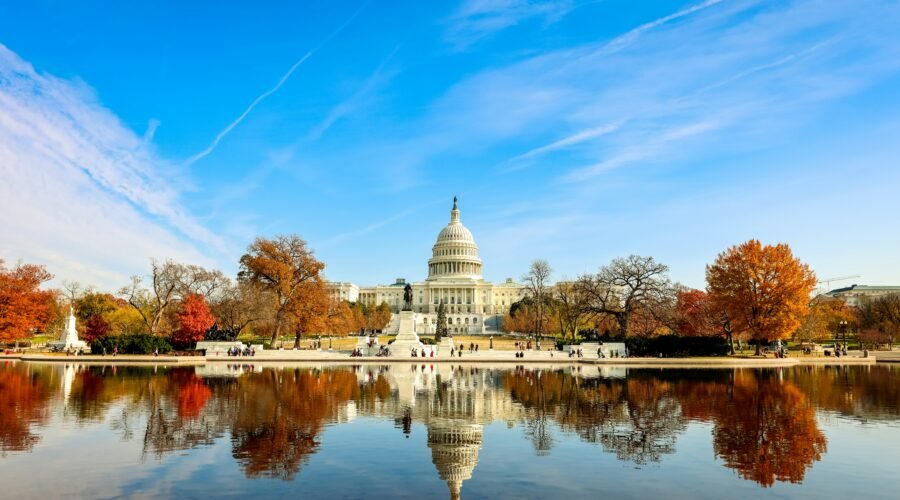
Let’s dive into the million-dollar question: when’s the sweet spot for visiting Washington D.C.? The truth is, there isn’t just one perfect time, as it really depends on what you’re hoping for. If you want pleasant weather and fewer crowds, you’re probably looking at spring or fall. If budget is your main driver, then you might consider the shoulder seasons or even winter. Let’s break down what you can expect across the year.
Spring in Washington D.C. is undeniably beautiful, but it’s also a time when the city really comes alive, which means good weather often comes with more people and slightly higher prices.
1.1. Cherry Blossom Season (Late March – Early April)
This is the iconic D.C. experience for many. The National Cherry Blossom Festival draws enormous crowds, and for good reason. The Tidal Basin transforms into a pink and white wonderland.
- The Vibe: It’s festive, vibrant, and you’ll feel the energy of people from all over the world soaking it in. Expect loads of photography opportunities and a generally happy, bustling atmosphere.
- Crowds: Be prepared for large crowds, especially on weekends. Popular spots like the Tidal Basin, the Jefferson Memorial, and the MLK Memorial will be packed. You’ll need to be patient and possibly get up early to beat the biggest rush.
- Weather: Generally mild and pleasant. Temperatures typically hover in the 50s and 60s Fahrenheit (10-20°C). You might get lucky with perfectly clear days, but early spring can still bring chilly winds or even a late frost. Layers are your best friend.
- Costs: This is peak tourist season for a reason, so expect hotel prices to be at their highest. Flights might also be more expensive if booked last minute. If budget is a major concern, you might want to steer clear of the absolute bloom peak.
- What to Do: Beyond the blossoms themselves, there are parades, cultural events, and outdoor activities aplenty. It’s a great time to explore the National Mall on foot or by bike.
1.2. Post-Blossom Spring (Mid-April – May)
Once the cherry blossoms fade, D.C. remains a fantastic destination. The weather is often at its absolute best in May.
- The Vibe: The manic energy of the blossom festival subsides a bit, but the city is still buzzing. It’s a great time for outdoor exploration and enjoying the gardens and parks before the summer heat sets in.
- Crowds: Crowds are still present, especially on weekends and around major holidays like Memorial Day. However, they are generally more manageable than during peak cherry blossom week. You’ll find it easier to get around and into popular museums without massive queues.
- Weather: This is often considered prime weather. May, in particular, offers warm, sunny days with comfortable evenings. Temperatures consistently reach the 70s Fahrenheit (around 20-25°C). There’s a slight chance of rain, but it’s usually manageable.
- Costs: Prices start to moderate a bit compared to the blossom peak, but it’s still a popular time. You might find slightly better deals on accommodation if you book in advance, but don’t expect bargain-basement prices.
- What to Do: It’s an excellent period for walking tours, exploring neighborhoods like Georgetown or Dupont Circle, and enjoying the outdoor seating at D.C.’s many restaurants and cafes. The Smithsonian gardens are beautiful this time of year.
If you’re planning a trip to Washington, it’s essential to consider not only the best time to visit but also how to make the most of your experience. For more insights on travel planning, including tips on navigating the city’s attractions and understanding local customs, check out this related article on travel advice and guidelines. You can find it here: Travel Advice and Guidelines.
2. Summer: The Heat and the Hordes
Summer in D.C. is synonymous with heat, humidity, and, unfortunately, peak tourist season. It’s a time of long days and plenty of outdoor activity, but you’ll need to be prepared for the elements.
2.1. Early Summer (June)
June offers a tantalizing taste of summer with longer daylight hours and a generally pleasant start before the full heat and humidity take hold.
- The Vibe: The city feels alive with the start of summer. Outdoor events, concerts, and festivals begin to pop up. It’s a good time for exploring sites without the oppressive heat of July and August.
- Crowds: Crowds are significant. Summer vacation means families are flocking to D.C. Expect busy museums, crowded public spaces, and packed transportation. You’ll need to book popular museum entry times in advance.
- Weather: June weather can be variable. Generally warm and sunny, with temperatures often in the 70s and 80s Fahrenheit (20-30°C). However, humidity starts to creep in, and you can expect some days with afternoon thunderstorms.
- Costs: As it’s the start of the main tourist season, prices for accommodation and flights are generally on the higher side. Booking well in advance is highly recommended to secure better rates.
- What to Do: It’s a great month for outdoor adventures like kayaking on the Potomac, visiting the National Zoo, or enjoying outdoor performances. Many Smithsonian museums are open late, giving you a chance to see them when it’s cooler.
2.2. Mid-Summer (July – August)
These are the hottest and most humid months in D.C. If you can brave the heat, you’ll find plenty to do, but it requires strategic planning.
- The Vibe: The city can feel a bit sluggish during the midday heat, but evenings often offer a welcome respite. There’s a palpable energy of summer vacation, with many international visitors enjoying the capital.
- Crowds: This is peak, peak tourist season. Expect massive crowds at all major attractions, from the monuments and memorials to the Smithsonian museums. Longer wait times are the norm. If you dislike crowds, this is likely not your ideal time.
- Weather: Hot and humid. Temperatures frequently soar into the 80s and 90s Fahrenheit (30-35°C), with high humidity making it feel even hotter. Afternoon thunderstorms are very common and can be quite dramatic. Staying hydrated and seeking air-conditioned refuge is crucial.
- Costs: This is typically the most expensive time to visit. Hotels are at their highest prices, and flights can be very costly, especially if booked closer to your travel dates.
- What to Do: Focus on indoor activities during the hottest part of the day. Museums, the National Archives, and indoor theatre performances are excellent options. Early mornings and late evenings are best for outdoor sightseeing. Consider visiting D.C. during the week when crowds might be slightly less intense than on weekends.
3. Fall: The Crisp Air and Colorful Leaves

Fall in Washington D.C. is a strong contender for the best time to visit, combining pleasant weather with fewer crowds than spring and a beautiful autumnal landscape.
3.1. Early Fall (September)
September signals the transition from summer’s intensity to D.C.’s charming fall. The humidity begins to recede, and the crowds start to thin out a little.
- The Vibe: It feels like a breath of fresh air after the summer heat. There’s a relaxed yet still active atmosphere as locals return from summer breaks and the school year begins.
- Crowds: Crowds are still present due to the pleasant weather, but they are noticeably less intense than in July and August. You’ll find it easier to navigate museums and popular outdoor areas, especially on weekdays.
- Weather: September is often glorious. Temperatures are mild and comfortable, usually in the 70s Fahrenheit (20-25°C), with lower humidity. Evenings are cool and pleasant, perfect for strolls.
- Costs: Prices begin to drop slightly from their summer peak, but it’s still a popular travel period. Booking a few months in advance can still land you good deals.
- What to Do: This is an ideal time for walking tours, exploring the various neighborhoods, and enjoying outdoor cafes and restaurants. The National Mall is a joy to explore without the oppressive heat.
3.2. Mid-Fall (October)
October is arguably the gem of D.C.’s fall. The foliage puts on a spectacular show, and the weather is often idyllic.
- The Vibe: The city is painted in vibrant autumn colors. There’s a cozy, inviting atmosphere, and the crisp air makes exploring a real pleasure. Halloween adds a fun, festive touch.
- Crowds: While still popular, October generally sees a dip in crowds compared to September and spring. You’ll encounter fewer tour groups and find attractions more accessible. Weekends can still be busy, however.
- Weather: This is often cited as the perfect weather month. Temperatures are cool and crisp, typically in the 60s Fahrenheit (15-20°C). Sunny days are common, and the fall foliage is at its peak, especially later in the month.
- Costs: Prices generally remain moderate. You’re likely to find better deals on hotels and flights than in spring or summer. It’s a great time to visit if you want good weather without the peak-season price tag.
- What to Do: Take advantage of the beautiful scenery by visiting Rock Creek Park or the National Arboretum for stunning fall colors. It’s also perfect for exploring the many outdoor markets and farmers’ markets scattered throughout the city.
3.3. Late Fall (November)
As the leaves drop, November brings a cooler, more subdued atmosphere. It’s a great time for indoor attractions and a pre-holiday calm.
- The Vibe: The city starts to quiet down as we head towards Thanksgiving. There’s a sense of anticipation for the holiday season, and the fall colors are mostly gone, replaced by a more muted palette.
- Crowds: Crowds are significantly reduced. Aside from the Thanksgiving holiday itself, you’ll find D.C. much more accessible. This is a fantastic time for a more relaxed, independent exploration.
- Weather: Expect cooler temperatures, often in the 40s and 50s Fahrenheit (5-15°C). It can be quite chilly, and rain is common. Layers are essential, and you might encounter your first frost.
- Costs: This is one of the more budget-friendly times to visit. Hotels and flights are usually at their lowest prices before the Christmas and New Year’s rush.
- What to Do: This is prime time for focusing on D.C.’s world-class museums and indoor attractions. It’s also a good time to explore the historic streets of Georgetown or take advantage of early holiday displays in some shops.
4. Winter: The Quiet Season and the Savings

Winter in Washington D.C. is the quietest time of year, offering a unique perspective on the city without the usual throngs of tourists. It’s also the most budget-friendly.
4.1. Early Winter (December)
December in D.C. is a mix of brisk winter air and festive holiday spirit. While it can be cold, the decorations and events offer a cheerful counterbalance.
- The Vibe: The city is beautifully decorated for the holidays, with twinkling lights and festive displays adding a magical touch. There’s a cozy, celebratory feel, but also a noticeable drop in the usual tourist bustle.
- Crowds: Crowds are generally low, with the exception of the week between Christmas and New Year’s, which sees a slight uptick as people combine holiday visits with sightseeing. You’ll find it incredibly easy to move around and get into museums.
- Weather: Cold. Temperatures are typically in the 30s and 40s Fahrenheit (0-10°C), with a chance of snow. Days are short, and it gets dark early, so plan your outdoor activities accordingly.
- Costs: Generally, December offers very reasonable prices for accommodation and flights, especially before the holiday week. It’s a great time for a budget-conscious trip if you can handle the cold.
- What to Do: Enjoy the holiday lights around the National Mall, visit the National Christmas Tree, and explore the many holiday markets. It’s also a perfect time to fully immerse yourself in the Smithsonian museums without the usual crowds. Consider ice skating in various locations around the city.
4.2. Mid-Winter (January – February)
These are the coldest and quietest months in D.C. If you’re looking for an authentic, uncrowded experience and the best possible prices, winter is your best bet.
- The Vibe: It’s peaceful and serene. The city has a more local feel, and you can often walk right into museums or take photos at major monuments with very few other people around. It’s a different, more intimate way to experience D.C.
- Crowds: By far the smallest crowds of the year. You can explore at your own pace without feeling rushed or overwhelmed. This is ideal for those who prefer a more contemplative travel experience.
- Weather: Cold to very cold. Temperatures are regularly in the 20s and 30s Fahrenheit (-5 to 5°C), and snow is possible, sometimes even significant. Days are short, meaning less daylight for sightseeing. Bundle up!
- Costs: This is the peak of affordability. Hotels are at their lowest prices, and you can find excellent deals on flights. It’s the most budget-friendly time to experience Washington D.C.
- What to Do: This is the ultimate time for museum hopping. You can spend hours in the National Museum of Natural History or the National Air and Space Museum without feeling like you’re in a rush. Enjoy cozy cafes, explore the city’s performing arts venues, or even try to catch a chilly but potentially beautiful snowy day at the monuments.
If you’re planning a trip to Washington, understanding the best time to visit can greatly enhance your experience. Factors such as weather, crowds, and costs play a significant role in your travel plans. For those looking to delve deeper into travel tips and guidelines, you might find this article on travel essentials particularly helpful, as it offers insights that can complement your visit to the nation’s capital.
5. The “Shoulder Seasons”: Finding Your Balance
| Month | Weather | Crowds | Costs |
|---|---|---|---|
| March – May | Mild temperatures, cherry blossoms | High due to cherry blossom festival | Moderate |
| June – August | Warm temperatures, occasional rain | High due to summer tourism | High |
| September – November | Cool temperatures, fall foliage | Moderate | Moderate |
| December – February | Cold temperatures, occasional snow | Low | Low |
The concept of “shoulder seasons” is key for many travelers aiming for a good mix of everything. These are the periods just before or after the absolute peak times.
5.1. Late Spring (May)
As touched on earlier, May is often considered part of the shoulder season for spring. It’s after the main cherry blossom frenzy but before the real summer heat and crowds descend.
- Why it’s a Shoulder Season: The weather is fantastic, the city is beautiful, and while popular, it’s generally less intensely crowded than peak cherry blossom week. You get many of the benefits of spring without the absolute highest prices or the most overwhelming crowds.
5.2. Early Fall (September)
Similarly, September in D.C. acts as a shoulder season for fall. The oppressive summer heat has dissipated, and the city is pleasant, but it hasn’t yet reached the full autumnal buzz or the booking frenzy that October can sometimes see.
- Why it’s a Shoulder Season: It offers a great compromise. Comfortable weather, fewer school-holiday crowds than summer, and a generally more relaxed pace than the spring blossom rush. Prices are also often a step down from the absolute prime times.
6. Factors to Consider: Beyond the Calendar
While weather, crowds, and cost are the big three, a few other practical considerations can influence your decision.
6.1. Special Events and Holidays
D.C. is a city that hosts a lot of events. The Cherry Blossom Festival is obvious, but consider other major happenings.
- Inaugurations: Presidential inaugurations (every four years) bring massive crowds and security challenges, driving up costs significantly.
- Major Marches and Demonstrations: Groups often gather in D.C. for various causes. While important for civic life, these can impact traffic, public transport, and hotel availability, sometimes unexpectedly.
- Holiday Weekends: Memorial Day, Labor Day, and Thanksgiving weekends will see increased crowds and prices.
6.2. Your Personal Priorities
What’s most important to you?
- Budget Traveler: Winter is your champion. Late fall (November) and early spring (before the blossoms) can also offer good value.
- Weather Enthusiast: May and October are your sweet spots for near-perfect conditions.
- Crowd Avoider: Mid-winter (January-February) or late November will give you the most breathing room.
- Iconic Experience Seeker: You might have to accept the crowds and costs of the Cherry Blossom Festival if seeing the blooms is your absolute top priority.
6.3. Daylight Hours
This might seem minor, but in certain seasons, it makes a difference.
- Summer: Longest daylight hours mean more time to explore outdoors.
- Winter: Shortest daylight hours mean you’ll need to be more strategic with your outdoor sightseeing and focus more on indoor activities during the afternoons.
By weighing these factors against the general information about weather, crowds, and costs, you can pinpoint the time of year that best suits your ideal Washington D.C. adventure.
FAQs
1. What is the best time to visit Washington for favorable weather?
The best time to visit Washington for favorable weather is during the late spring and early fall months, specifically from April to June and September to October. During these times, the weather is mild with comfortable temperatures and less rainfall.
2. When is the peak tourist season in Washington?
The peak tourist season in Washington is during the summer months, from July to August. During this time, the city experiences the highest number of visitors, resulting in crowded attractions and higher accommodation costs.
3. What is the off-peak season in Washington?
The off-peak season in Washington is during the winter months, from December to February. During this time, the city experiences fewer tourists, lower accommodation costs, and the possibility of snowfall.
4. When is the best time to visit Washington to avoid crowds?
The best time to visit Washington to avoid crowds is during the shoulder seasons of late spring (April to June) and early fall (September to October). During these times, the city experiences fewer tourists, resulting in less crowded attractions and more enjoyable sightseeing experiences.
5. How can I save on costs when visiting Washington?
To save on costs when visiting Washington, consider traveling during the off-peak winter months, booking accommodations in advance, and taking advantage of discounted attractions and activities. Additionally, consider using public transportation and exploring free attractions to minimize expenses.