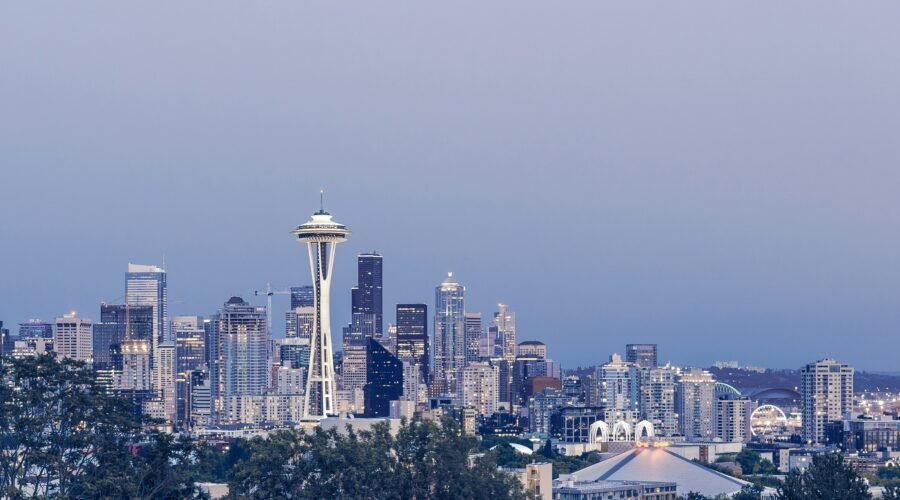
Planning a trip to the Emerald City requires balancing weather, seasonal price fluctuations, and tourism surges. The optimal window to visit Seattle is during the shoulder seasons of late spring (May to June) and early autumn (September to early October). During these transitional months, you will experience mild temperatures, relatively low rainfall, manageable crowd levels at major landmarks, and significantly better value on flights and lodging than during the summer peak.
Quick Answer
The best time to visit Seattle is from July through September for dry, sunny weather and outdoor recreation, or during the shoulder months of May, June, and October for lower hotel rates, fewer tourists, and mild temperatures. If avoiding rain is your top priority, plan your stay for July or August.
Key Takeaways
- Peak Season (Late June–August): Warmest, driest weather with daylight extending past 9:00 PM, but comes with the highest accommodation costs and major crowds.
- Shoulder Season (May–June & September–October): Excellent balance of manageable crowds, moderate pricing, blooming spring gardens, or vibrant fall foliage.
- Low Season (November–April): Cool and rainy with short daylight hours, offering the cheapest airfare and empty museums.
- Cruise Ship Factor: Over 1.5 million cruise passengers pass through Seattle between May and October, inflating weekend hotel rates around Downtown and the Waterfront.
Spring (Late April to Mid-June): Blooms and Shoulder-Season Value
Spring marks the transition when the Pacific Northwest emerges from its winter dormancy. While you will encounter intermittent showers, the city experiences longer daylight hours and blooming landscapes across urban parks and botanical gardens.
Weather Overview
- April: Highs range from 55°F to 60°F (13°C to 16°C) with overnight lows near 43°F (6°C). Showers are common, but sunny breaks increase throughout the month.
- May: Highs average 64°F to 68°F (18°C to 20°C). Rainfall decreases markedly compared to early spring, making outdoor exploration far more comfortable.
- Early June: Temperatures average 68°F to 72°F (20°C to 22°C). Although locals refer to early overcast mornings as “June Gloom,” clouds typically burn off by early afternoon.
Crowds and Costs
Tourist volume remains moderate through May, ramping up in June as regional school districts adjourn for summer. Hotel rates and airfares are moderately priced, though Friday and Saturday rates near the waterfront rise once the Port of Seattle cruise terminals open for the Alaska sailing season in May.
Pro Tip: Visit the University of Washington quad in late March or early April for cherry blossoms, or head to the Washington Park Arboretum in May for world-class azalea and rhododendron displays.
Summer (Late June to Early September): Peak Sunshine and Festivals
Seattle summers offer some of the most comfortable weather in North America. Contrary to the city’s rainy reputation, summer in western Washington brings long stretches of clear blue skies, minimal humidity, and little to no precipitation.
According to historic data from the National Oceanic and Atmospheric Administration (NOAA), July and August receive an average of less than one inch of total precipitation each month.
Weather Overview
- July & August: Daytime highs average 75°F to 82°F (24°C to 28°C), with occasional heat waves pushing past 90°F (32°C). Evenings remain crisp, dropping to around 56°F to 60°F (13°C to 16°C).
- Late Summer Daylight: Seattle’s northern latitude provides nearly 16 hours of daylight around the summer solstice, giving visitors ample time for day trips and evening waterfront dining.
Crowds and Costs
Summer is peak travel season across the Pacific Northwest. Downtown hotels, rental car agencies, and top attractions like the Space Needle and Chihuly Garden and Glass operate at full capacity. Secure your accommodations and ferry reservations at least 3 to 5 months in advance to avoid steep price surges.
Warning: Wildfire season in the Cascade Mountains and British Columbia can occasionally cause smoke haze and reduced air quality in the Puget Sound basin between late July and early September. Check local air quality indices (AQI) before strenuous high-elevation hikes.
Fall (Mid-September to Mid-November): Autumn Colors and Crisp Air
Early autumn is considered by many frequent travelers to be the premier time to experience Seattle. September retains much of summer’s warmth, while October brings colorful foliage against misty evergreen backdrops.
Weather Overview
- September: Highs hover between 68°F and 74°F (20°C to 23°C). The first half of the month is typically dry and pleasant, while the latter half introduces cooler evening breezes.
- October: Highs cool down to 58°F to 62°F (14°C to 17°C). Rainfall begins to tick upward, but calm, crisp, sunny days remain frequent.
- November: Precipitation peaks, daylight hours shrink, and daytime temperatures drop into the low 50s and upper 40s Fahrenheit (9°C to 11°C).
Crowds and Costs
Tourism drops sharply after Labor Day. You can walk through Pike Place Market without navigating wall-to-wall foot traffic, and restaurant reservations become significantly easier to secure. Hotel pricing enters off-peak territory by October, delivering excellent value for metropolitan stays.
Winter (Mid-November to March): Cozy Culture and Lowest Rates
Winter in Seattle is characterized by overcast skies, persistent light rain or drizzle, and short daylight hours. However, temperatures remain mild compared to other northern U.S. destinations due to the moderating influence of the Pacific Ocean and Puget Sound.
Weather Overview
- December to February: Daytime temperatures average 45°F to 50°F (7°C to 10°C), while nighttime lows rarely drop below freezing (35°F to 38°F / 2°C to 3°C). Heavy snow in the downtown core is uncommon, though surrounding mountain passes receive heavy snowpack.
- March: Showers continue, but temperatures slowly climb toward 55°F (13°C) with longer daylight stretches.
Crowds and Costs
Aside from the late-December holiday season, winter offers the lowest airfares and lodging rates of the entire year. It is an ideal window for travelers focused on performing arts, world-class dining, specialty coffee houses, and museum exploration.
Note: If you plan to rent a car to visit Mount Rainier National Park or ski at Summit at Snoqualmie or Crystal Mountain during winter, state regulations mandate carrying tire chains in your vehicle through mountain corridors.
Best Time to Visit by Travel Style and Interest
Aligning your itinerary with seasonal strengths ensures you make the most of your Pacific Northwest journey:
Outdoor Recreation and Hiking
Prime Months: July through September. High-elevation hiking trails in Mount Rainier and Olympic National Park are typically free of snow by mid-July. Kayaking on Lake Union, paddleboarding on Alki Beach, and taking Washington State Ferries across to Bainbridge Island are best enjoyed under reliable summer sunshine.
Whale Watching and Marine Wildlife
Prime Months: May through October. Boat tours departing from downtown Seattle, Edmonds, and the San Juan Islands frequently encounter Bigg’s (transient) killer whales, humpback whales, minke whales, and harbor seals during this timeframe. Gray whales migrate through Puget Sound earlier in the year, primarily from March through May.
Festivals and Major Events
- Spring: Seattle International Film Festival (May), Northwest Folklife Festival (Memorial Day Weekend).
- Summer: Capitol Hill Block Party (July), Seattle Seafair & Torchlight Parade (July/August), Bumbershoot Arts & Music Festival (Labor Day Weekend).
- Autumn: Seattle Design Festival (September), Earshot Jazz Festival (October).
- Winter: Pike Place Market Magic in the Market (November), New Year’s Eve at the Space Needle (December).
Budget Travel and Avoiding Crowds
Prime Months: November through March (excluding holidays). Winter offers discounted boutique hotel rates, budget-friendly airfare, and empty galleries at the Seattle Art Museum and Museum of Pop Culture (MoPOP).
Frequently Asked Questions
What is the best time to visit Seattle for good weather?
The best time to visit Seattle for warm, dry weather is from late June through early September. During July and August, average highs stay in the upper 70s to low 80s Fahrenheit (24°C–28°C) with very low rainfall and low humidity.
When is the peak tourist season in Seattle?
Peak tourist season runs from late June through August, extending into early September. This surge is driven by warm weather, major music and arts festivals, and hundreds of thousands of Alaska cruise ship passengers traveling through Seattle’s ports.
When is the shoulder season in Seattle?
Seattle’s shoulder seasons occur in spring (May to mid-June) and early fall (September to mid-October). These periods offer moderate temperatures, fewer visitors at iconic landmarks, and lower accommodation costs than peak summer.
When is the best time to visit Seattle to avoid crowds?
To avoid large crowds, visit during the shoulder months of May and October, or the low season from November through March. Attractions like Pike Place Market and the Space Needle have significantly shorter queues during these windows.
When is the most affordable time to visit Seattle?
The most affordable months to visit Seattle are January, February, and November (outside of Thanksgiving week). Hotel room rates and flights drop to their lowest annual levels during these winter months.
Sources
- National Weather Service (NWS) Seattle — Historical climate normals, seasonal precipitation patterns, and temperature records for the Puget Sound region.
- Visit Seattle Official Visitor Bureau — Citywide festival dates, regional tourism trends, and neighborhood travel resources.
- Port of Seattle Maritime Operations — Official cruise ship passenger schedules and terminal logistics.
- National Park Service: Mount Rainier — Mountain road accessibility schedules, snowpack data, and wilderness trail guidelines.