

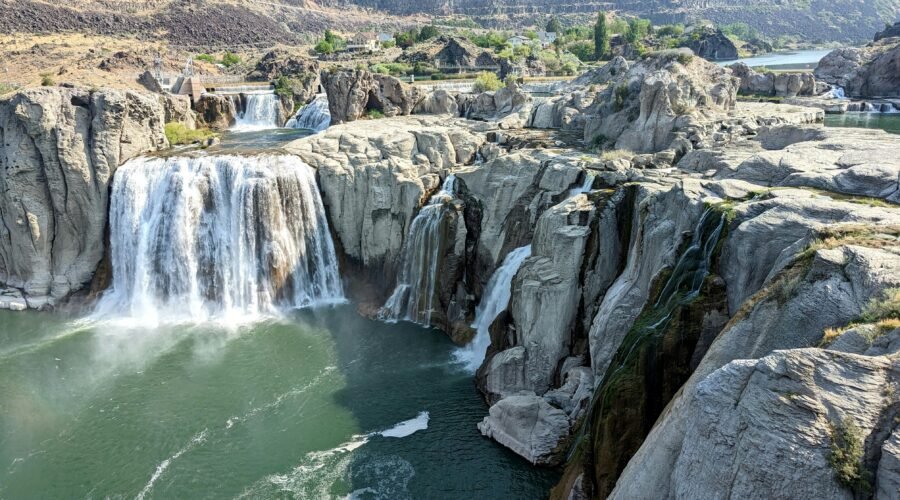
Planning a trip to Idaho Falls requires balancing weather conditions, seasonal crowds, and budget preferences. Set along the scenic Snake River in Eastern Idaho, this vibrant city serves both as a charming destination in its own right and as a major gateway to Yellowstone and Grand Teton National Parks.
Quick Answer
The best time to visit Idaho Falls is during the shoulder seasons of late spring (May to early June) and early fall (September to early October). During these months, you will enjoy comfortable daytime temperatures (60°F–75°F), lower lodging rates, vibrant foliage, and significantly fewer crowds than during peak summer travel.
Key Takeaways
- Best Overall Weather & Comfort: September and June offer warm, dry days, cool nights, and ideal conditions for walking along the Riverwalk.
- Peak Summer Season (July–August): Warmest temperatures (85°F–92°F) and full access to outdoor recreation, but accompanied by peak hotel pricing and heavy tourist traffic heading to Yellowstone.
- Budget Travel Window: Late fall (November) and winter offer the lowest hotel rates, though temperatures drop well below freezing.
- National Park Gateway: Located approximately 110 miles west of Yellowstone National Park, making seasonal mountain road conditions crucial for road trips.
Idaho Falls Climate & Monthly Averages
Understanding the local climate is essential when planning your visit to Eastern Idaho. Idaho Falls sits at an elevation of roughly 4,700 feet, resulting in a semi-arid climate with distinct four-season weather, low humidity, and notable daily temperature shifts.
Idaho Falls Monthly Weather Overview
| Month | Avg High (°F) | Avg Low (°F) | Conditions |
|---|---|---|---|
| January | 31°F | 13°F | Cold, Snowy |
| February | 36°F | 16°F | Cold, Snow Flurries |
| March | 47°F | 25°F | Chilly, Rain/Snow Mix |
| April | 57°F | 31°F | Cool, Light Showers |
| May | 67°F | 39°F | Mild, Blooming Flora |
| June | 76°F | 45°F | Warm, Pleasant, Sunny |
| July | 87°F | 52°F | Hot, Dry, Clear Skies |
| August | 86°F | 50°F | Warm, Sunny |
| September | 75°F | 41°F | Crisp, Clear, Early Foliage |
| October | 61°F | 31°F | Cool, Peak Fall Colors |
| November | 44°F | 22°F | Chilly, Early Snowfall |
| December | 31°F | 13°F | Cold, Festive, Snowy |
1. Spring: The Awakening (May–Early June)
Spring in Idaho Falls is a refreshing season as the Snake River Valley emerges from winter snow and bursts into bloom.
1.1 Weather on the Up-Swing
Daily high temperatures comfortably range from the mid-60s to low-70s Fahrenheit during this period. Nights remain crisp, often dipping into the upper 30s or low 40s, making layered clothing essential. While May occasionally brings rain showers, continuous downpours are rare. The air is fresh, and blossoming trees along the riverbanks create picturesque views for outdoor recreation.
1.2 Beating the Summer Rush
A major advantage of visiting in late spring is the significantly smaller crowds. Because the summer tourist season has not fully kicked off, you will experience minimal wait times at popular destinations like the Idaho Falls Riverwalk, the Art Museum of Eastern Idaho, and nearby sites like Craters of the Moon National Monument. Restaurants are easy to access, and hiking trails remain uncrowded.
1.3 More Bang for Your Buck
With moderate tourist demand, lodging prices and activity rates remain reasonable. Travelers can secure strong values on hotel rooms, vacation rentals, and rental cars compared to July and August rates.
1.4 What to Do in Spring
- Riverwalk Strolls: Enjoy scenic walks or bike rides along the Snake River Greenbelt, taking in views of the roaring waterfalls.
- Outdoor Exploration: Plan day trips to nearby natural areas like Kelly Canyon for early-season hiking.
- Wildlife Viewing: Watch for active wildlife in surrounding valleys as melting snowpack opens higher elevation habitat.
- Farmers Market: Visit the opening weekends of the local farmers’ market along the river, featuring regional produce and artisan goods.
Pro Tip: May is one of the best months to photograph the Idaho Falls waterfall structure along the Snake River, as spring snowmelt increases water flow dramatically.
2. Summer: Peak Season Buzz (Mid-June–August)
Summer in Idaho Falls is vibrant and full of activity, bringing warm sunshine and bustling tourist energy to the region.
2.1 Warm, Sunny, and Low Humidity
Expect average daily temperatures in the 80s Fahrenheit, occasionally reaching the low 90s during July and August. Because relative humidity remains low, the heat feels much more comfortable than in coastal areas. Evenings cool down pleasantly into the 50s, creating perfect conditions for outdoor dining and evening strolls.
2.2 Summer Crowds & Park Access
Summer represents peak tourist season. As a primary gateway to Yellowstone National Park and Grand Teton National Park, Idaho Falls experiences heavy visitor traffic. Popular attractions, local parks, and restaurants operate at high capacity throughout July and August.
Warning: Accommodations across Idaho Falls frequently fill to capacity during mid-summer. Book hotels, rental cars, and guided park excursions at least 3 to 6 months in advance.
2.3 Peak Season Pricing
High demand drives accommodation and rental prices to their highest levels of the year. Travelers planning a summer visit should budget accordingly for hotel and transportation costs.
2.4 What to Do in Summer
- Water Activities: Kayak, paddleboard, or go fly-fishing along the Snake River.
- National Park Excursions: Take day trips to Yellowstone or Grand Teton National Park (West Yellowstone entrance is ~110 miles away).
- Outdoor Festivals: Attend major events like the Melaleuca Freedom Celebration on July 4th or live outdoor concerts along the Greenbelt.
- Mountain Hiking: Escape valley heat by exploring trails in the nearby Caribou-Targhee National Forest.
3. Fall: Golden Hues & Crisp Air (September–Early October)
Fall is widely considered one of the best times to visit Idaho Falls, delivering mild weather, colorful autumn foliage, and peaceful surroundings.
3.1 Crisp Air and Golden Foliage
September offers daytime highs in the 70s and 60s Fahrenheit with crisp nights in the 30s and 40s. Low humidity and clear blue skies prevail. By late September and October, cottonwood and aspen trees across the riverbank and surrounding canyons transform into vibrant shades of gold, orange, and red.
3.2 Post-Summer Tranquility
As schools reopen and summer vacations wrap up, tourist volume drops significantly. Visitors can enjoy relaxed parking, shorter wait times at restaurants, and peaceful walking conditions along the Riverwalk.
3.3 Return to Shoulder Value
Following the summer rush, hotel rates and travel costs decline back toward shoulder-season averages, making fall an attractive window for budget-conscious visitors seeking prime weather.
3.4 What to Do in Fall
- Foliage Sightseeing: Drive the Mesa Falls Scenic Byway or walk the Riverwalk to view gold cottonwoods and aspens.
- Cool-Weather Hiking: Hike trails in the Big Hole Mountains under clear, mild autumn conditions.
- Harvest Celebrations: Experience local pumpkin patches, corn mazes, and regional harvest markets.
- Photography: Capture autumn reflections along the Snake River.
4. Late Fall: Quiet Transition (Late October–November)
Late fall is a quiet shoulder season marked by cooling temperatures and the arrival of winter weather.
4.1 Early Winter Conditions
By November, daytime highs drop into the 30s and 40s, while nighttime temperatures regularly fall below freezing. Frosty mornings and localized snow flurries signal the approaching winter season.
4.2 Solitude and Uncrowded Attractions
If you prefer solitude, late fall offers quiet streets and empty trails. Indoor attractions, local coffee shops, and cultural sites can be enjoyed at a calm, unhurried pace.
4.3 Lowest Lodging Rates
With tourism at its lowest point of the year outside of deep winter, hotel accommodations offer competitive rates and special promotions, making this period highly economical for budget travelers.
4.4 What to Do in Late Fall
- Indoor Museums: Spend time exploring the Museum of Idaho and local art galleries.
- Peaceful Walks: Enjoy quiet strolls along the frosted riverfront.
- Local Dining: Sample regional craft beers and farm-to-table meals at downtown eateries.
5. Winter: A Snowy Wonderland (December–April)
Winter turns Idaho Falls into a serene, snow-covered landscape ideal for winter sports enthusiasts and peaceful getaways.
5.1 Cold, Snowy Weather
Daytime highs average in the 20s to low 30s Fahrenheit, with overnight lows plunging into the single digits. Snowfall is common, transforming the city and surrounding mountains into a winter landscape.
Note: Winter driving conditions on Interstate 15 and U.S. Route 20 can involve ice and snow. Drivers should consult the Visit Idaho road resources and consider a 4WD or AWD vehicle.
5.2 Winter Sports Access
While general tourism remains low, Idaho Falls serves as a conveniently located hub for downhill skiing, snowboarding, and snowmobiling at regional resorts like Kelly Canyon and Grand Targhee.
5.3 Affordable Rates Outside Holidays
Hotel rates remain generally low throughout the winter, with brief pricing surges around the Christmas and New Year holidays due to seasonal travel.
5.4 What to Do in Winter
- Skiing & Snowboarding: Visit nearby ski hills like Kelly Canyon Resort (~30 miles) or Grand Targhee Resort.
- Winter Park Tours: Experience snowmobile or snowcoach guided tours departing into Yellowstone from West Yellowstone.
- Holiday Light Displays: View festive light installations along the Snake River Greenbelt during December.
In Conclusion
Idaho Falls provides unique experiences in every season. If your goal is to strike the perfect balance between ideal weather, reasonable hotel pricing, and manageable crowds, plan your trip for late spring (May–early June) or early fall (September–early October). Summer offers non-stop outdoor activities at peak rates, while winter caters to snow sports enthusiasts seeking a quiet cold-weather escape.
Frequently Asked Questions
What is the best time to visit Idaho Falls, Idaho for favorable weather?
The best time for favorable weather is from late June through September. During this period, daytime temperatures range between 75°F and 88°F with low humidity and minimal rainfall, making it ideal for outdoor activities like walking the Riverwalk or visiting nearby national parks.
When is the peak tourist season in Idaho Falls, Idaho?
Peak tourist season occurs during the summer months of July and August. Visitors flock to Idaho Falls as a gateway to Yellowstone and Grand Teton National Parks, resulting in higher hotel prices, busier restaurants, and larger crowds at popular attractions.
What is the off-peak season in Idaho Falls, Idaho?
The off-peak season runs from late November through March. Cold winter temperatures and snow keep general tourist numbers low, though winter sports enthusiasts visit during this time for skiing and snowmobiling in the surrounding region.
When can visitors expect lower costs for accommodations and attractions in Idaho Falls, Idaho?
Visitors will find the lowest accommodation rates during the shoulder months of April, May, October, and November. Winter months outside of major holiday weeks (Christmas and New Year’s) also offer significantly discounted hotel rates.
What are the busiest times in Idaho Falls, Idaho that visitors should be aware of?
The busiest period spans from Independence Day weekend in early July through late August. Additionally, major regional events such as the Melaleuca Freedom Celebration on July 4th bring tens of thousands of visitors to the city, making early hotel bookings mandatory.
Sources
- National Weather Service (NOAA) — Idaho Falls regional climate data, historical precipitation, and temperature averages
- Visit Idaho Official Tourism Portal — State travel planning resources, scenic byways, and seasonal activity guides
- City of Idaho Falls Official Website — Idaho Falls Riverwalk, local parks, and municipal event calendars
- National Park Service: Yellowstone National Park — Seasonal entrance opening dates, road closures, and travel alerts
- National Park Service: Craters of the Moon — Monument visitor guidelines, trail status, and seasonal access details


[…] If you’re planning a trip to Yulara in the Northern Territory, understanding the best time to visit can greatly enhance your experience. For another destination comparison built around weather, crowds, and costs, you can also read Best Time to Visit Idaho Falls: Weather, Crowds, and Costs. […]