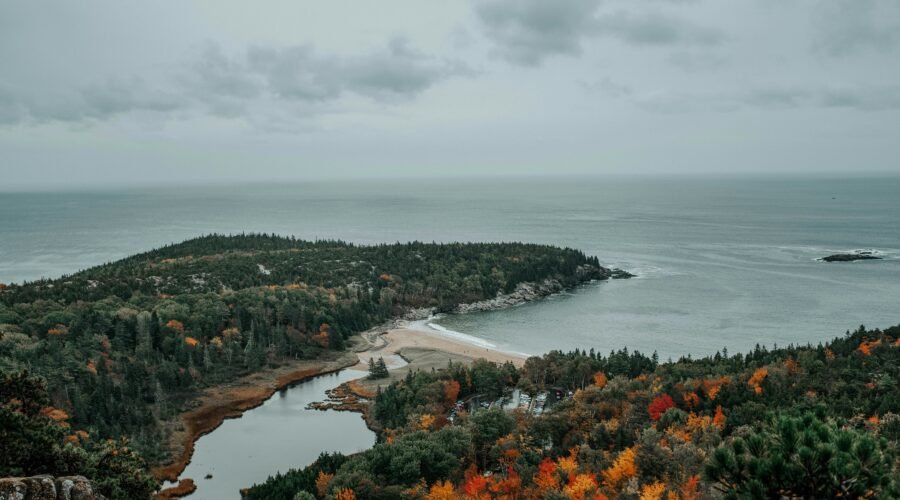
Planning a trip to Bar Harbor, Maine? Your travel dates can make a big difference in the weather, crowds, accommodation costs, and activities available in nearby Acadia National Park. Summer offers warm days and a lively waterfront, while spring and fall bring different scenery and a more relaxed atmosphere. The best time to visit depends on what you want from your trip.
Quick Answer
The best time to visit Bar Harbor, Maine, is late May through early June or early to mid-September for a balance of comfortable weather, outdoor activities, and potentially better accommodation value. July and August offer the warmest weather but bring heavier crowds. Visit in October for fall foliage, or winter for solitude and a much quieter experience.
Key Takeaways
- Best overall balance: Late May to early June and early September offer comfortable conditions for exploring.
- Warmest weather: July and August are popular for boating, sightseeing, and summer vacations.
- Fall colors: Plan around October, with the exact peak varying by year.
- Lower-cost opportunities: Compare late-spring, fall, and winter accommodation dates instead of assuming summer prices apply all year.
- Important reservation: Cadillac Summit Road requires a separate vehicle reservation during its designated season.
1. Best Time to Visit Bar Harbor by Season
Bar Harbor is a seasonal coastal destination. Each part of the year offers something different, from warm summer afternoons to colorful autumn hillsides and peaceful winter landscapes.
Weather, crowd levels, and business hours can change quickly between seasons. The following breakdown will help you choose dates that match your priorities.
1.1. Peak Season: July and August
July and August are Bar Harbor’s busiest summer months. Downtown restaurants, shops, waterfront activities, and popular Acadia attractions are in full swing.
- Weather: Summer days are generally warm, with daytime temperatures often reaching the 70s Fahrenheit and occasionally the 80s. Coastal fog, rain, and cooler evenings are still possible.
- Crowds: Popular attractions such as Sand Beach, Jordan Pond, and Cadillac Mountain can experience heavy traffic and limited parking.
- Cost: Accommodation and rental-car prices can be high, particularly on weekends and popular vacation dates.
- Activities: Boat tours, sightseeing, hiking, biking, and waterfront dining are popular.
- Best for: Families traveling during school vacations, visitors who enjoy an active town, and travelers who prefer warmer weather.
Book accommodation early if your trip falls in July or August. Reserve popular activities before arrival and build some flexibility into your daily schedule.
Pro Tip: Visit popular Acadia viewpoints early in the morning or later in the afternoon. Use the Island Explorer shuttle when its schedule and route work for your plans.
1.2. Shoulder Seasons: May, Early June, September, and Early October
The shoulder seasons can offer a useful balance between comfortable outdoor weather and the busiest summer travel period.
Late May and Early June
Spring brings longer days, fresh greenery, and improving temperatures. Daytime conditions are often comfortable for walking and hiking, although mornings, evenings, and coastal areas may remain chilly.
- Weather: Expect variable spring conditions, including cool temperatures, rain, wind, and occasional fog.
- Crowds: Many dates are quieter than the height of summer, although holiday weekends can be busy.
- Cost: Some accommodation properties may offer better value than during July and August.
- Activities: Hiking, scenic drives, wildlife watching, and exploring downtown Bar Harbor.
- Best for: Hikers, couples, photographers, and visitors seeking an active trip before peak summer demand.
Some seasonal businesses and tour operators may still be opening. Check individual operating dates before booking activities.
September and Early October
September often brings pleasant daytime temperatures and cooler evenings. It can be a comfortable period for hiking, scenic drives, and photography.
Fall foliage begins developing in September, but the strongest color around Acadia generally arrives later.
- Weather: Conditions become cooler as autumn progresses. Rain, wind, and fog remain possible.
- Crowds: Early September may feel less intense than midsummer, but popular attractions can remain busy.
- Cost: Some lodging dates offer better value, although popular foliage weekends can command high prices.
- Activities: Hiking, scenic drives, photography, carriage-road biking, and fall sightseeing.
- Best for: Couples, hikers, photographers, and travelers who prefer cooler outdoor conditions.
According to the National Park Service, fall foliage in Acadia commonly peaks during the first three weeks of October, although timing changes with weather conditions.
The Maine Forest Service foliage guide is another useful resource for planning an autumn trip.
Note: September is not the same as peak foliage season. If autumn colors are your main priority, October generally offers a better opportunity than early September. The exact peak cannot be guaranteed in advance.
1.3. Off-Season: Late October Through April
Bar Harbor becomes much quieter after the main visitor season. Many seasonal businesses close, and access to parts of Acadia National Park becomes more limited.
Late October and November
Temperatures fall, daylight becomes shorter, and wind and rain become increasingly important when planning outdoor activities.
Some fall color may remain, but foliage conditions depend on the weather and how far the season has progressed.
Winter: December Through March
Winter brings cold temperatures, snow, ice, and a very different atmosphere.
Acadia remains open, but most of Park Loop Road closes to motor vehicles. Depending on conditions, visitors may enjoy snowshoeing, cross-country skiing, and quieter coastal walks.
Many hotels, restaurants, tours, and visitor facilities operate on reduced schedules or close for the season.
Spring: April and Early May
Early spring is often cool and unpredictable. Snowmelt and wet weather can leave trails and carriage roads muddy.
Businesses gradually reopen, and park services expand as the main visitor season approaches.
- Crowds: Generally lower than during the main visitor season.
- Cost: Some available accommodation may be less expensive, but choices are limited.
- Best for: Travelers seeking quiet surroundings, winter recreation, or a less commercial coastal experience.
- Main limitation: Reduced services, shorter daylight hours, and weather-related closures.
Winter visitors should consult the NPS winter visiting guide before planning activities.
Warning: Winter trails can be icy, and exposed mountain areas may experience strong winds and rapidly changing conditions. Carry appropriate traction equipment, warm clothing, a detailed map, and emergency supplies. Turn around when conditions become unsafe.
1.4. Bar Harbor Weather, Crowds, and Cost Comparison
This comparison provides a general planning guide for the main travel season. Actual conditions and prices depend on the dates you choose.
| Month | Weather | Crowds | Cost Outlook |
| June | Mild to warm; occasional fog and rain | Moderate to busy | Varies; early dates may offer better value |
| July | Warm summer weather | Very busy | Typically high |
| August | Warm; cooler evenings possible | Very busy | Typically high |
| September | Mild days and cooler evenings | Moderate to busy | Date-dependent |
| October | Cool and crisp; variable foliage | Busy around popular foliage dates | Varies by foliage demand and availability |
1.5. Which Travel Dates Match Your Priorities?
- For warm weather: Choose July or August.
- For hiking: Consider late spring, early summer, or September.
- For fall foliage: Consider October and monitor current foliage reports.
- For a quieter atmosphere: Consider late spring or the off-season.
- For accommodation value: Compare several weekday and weekend dates outside the busiest summer period.
- For the widest selection of seasonal activities: Travel during the main summer operating season.
If your schedule is flexible, compare several travel dates rather than choosing a month based on weather alone. A holiday weekend, special event, or foliage period can change availability and prices considerably.
2. Navigating Acadia National Park
Acadia National Park is a major reason people visit Bar Harbor. Understanding its roads, reservations, seasonal transportation, and safety requirements will help you make the most of your stay.
2.1. Park Loop Road Access
Park Loop Road is a scenic route of approximately 27 miles connecting many of Acadia’s well-known attractions.
Highlights include Sand Beach, Thunder Hole, Otter Point, Jordan Pond, and access toward Cadillac Mountain.
Peak Season Strategy
During July and August, expect traffic and limited parking at popular destinations.
- Start sightseeing early when practical.
- Use the Island Explorer for destinations served by the shuttle.
- Allow extra time between stops.
- Have a second destination in mind if a parking area is full.
- Reserve Cadillac Summit Road vehicle access separately if you intend to drive to the summit.
Shoulder Season Strategy
Late spring and September can offer comfortable driving and hiking conditions, but parking is not guaranteed.
October foliage travel can also bring considerable demand at major viewpoints.
Off-Season Limitations
Most of Park Loop Road closes to vehicles annually from December 1 through April 14, with spring reopening dependent on weather.
Two maintained sections generally remain accessible:
- A coastal section accessed from Schooner Head Road.
- Access to Jordan Pond from the Seal Harbor side.
Other sections, including Cadillac Mountain Road, are closed to regular vehicle traffic during the winter period.
Check the official park operating schedule and current conditions before visiting.
2.2. Cadillac Mountain Reservations
Cadillac Mountain is one of Acadia’s most popular viewpoints. Driving to the summit requires extra planning during the reservation season.
For 2026, the National Park Service requires vehicle reservations from May 20 through October 25.
- Reservation cost: $6 per vehicle.
- Advance release: 30% of reservations become available 90 days ahead.
- Short-notice release: 70% become available two days ahead.
- Release time: 10 a.m. Eastern Time.
- Park entrance pass: Required separately.
- Booking method: Reservations must be purchased online in advance.
Reservations are available through the official NPS Cadillac Summit Road reservation page, which links to the booking system.
Sunrise and daytime reservations have different entry windows. Save your confirmation and QR code before reaching the park because cell service can be unreliable.
The Island Explorer shuttle does not travel to Cadillac Mountain’s summit.
Warning: A park entrance pass does not include a Cadillac Summit Road vehicle reservation. You need both when driving to the summit during the reservation season.
2.3. Island Explorer Shuttle
The fare-free Island Explorer is a convenient alternative to driving and searching for parking.
It connects Bar Harbor with selected destinations around Mount Desert Island and Acadia National Park.
The published 2026 service includes:
- Limited spring service: Beginning May 20.
- Full summer service: Beginning June 23.
- Fall service: Published schedules run through October 12.
Routes and frequency vary by season. The shuttle serves destinations such as Jordan Pond, Sand Beach, and surrounding communities, depending on the route.
Consult the official Island Explorer route finder for current timetables and stops.
How to Use the Shuttle Effectively
- Check the first and last departure times before starting a hike.
- Confirm that your destination is served by the route you plan to use.
- Allow time for connections.
- Expect some buses to be crowded during popular travel periods.
- Consider combining shuttle rides with walking or biking.
For certain hikes, the shuttle can help you begin and finish at different locations without returning to a parked car.
2.4. Planning Around Weather and Closures
Acadia’s coastal weather can change quickly. Fog, rain, strong wind, and wet granite can affect even a carefully planned day.
Build flexibility into your itinerary.
- Save exposed mountain hikes for suitable conditions.
- Choose easier walks or sheltered destinations when the weather changes.
- Check for temporary trail closures, including seasonal wildlife protection closures.
- Use the official NPS map and download offline navigation before heading into areas with unreliable reception.
Review Acadia’s current conditions and alerts before setting out.
3. Accommodation Planning and Budgeting

Your accommodation choice can have a major effect on the cost and convenience of your Bar Harbor trip.
Staying downtown makes restaurants and waterfront attractions easier to reach on foot. Staying farther from the busiest area may offer more space or different accommodation options.
3.1. Types of Accommodation
Hotels and Motels
Bar Harbor has a variety of hotels and motels, including properties near downtown and along major routes into town.
Central accommodation offers convenience, especially if you want to walk to restaurants and use the seasonal shuttle.
Inns and Bed-and-Breakfasts
Inns and B&Bs can offer a smaller, more personal accommodation experience.
Some are within walking distance of downtown, while others are farther from the busiest streets.
Vacation Rentals
Vacation rentals may work well for families, groups, and longer stays.
A kitchen can help reduce dining expenses, while additional bedrooms may make a shared trip more comfortable.
Look at options in Bar Harbor, Southwest Harbor, Northeast Harbor, and surrounding communities.
Compare the total price, including cleaning fees, taxes, parking, and cancellation terms.
Campgrounds
Camping can be a practical way to stay close to Acadia’s outdoor attractions.
The park’s major developed campgrounds include:
- Blackwoods: On the east side of Mount Desert Island, near Bar Harbor.
- Seawall: On the quieter western side of Mount Desert Island.
- Schoodic Woods: On the mainland’s Schoodic Peninsula.
Private campgrounds outside the park provide additional choices and may offer different amenities.
All Acadia campground reservations must be made through Recreation.gov.
For Blackwoods, Seawall, and Schoodic Woods, the NPS releases 90% of campsites six months ahead on the first day of each month. The remaining 10% are released fourteen days before arrival on a rolling basis.
See the official Acadia camping guide for reservation rules, facilities, and operating dates.
3.2. Accommodation Costs by Season
Accommodation prices change throughout the year, but there is no single reliable nightly rate for every season.
- July and August: Popular travel dates may bring higher rates and limited availability.
- Late May and early June: Some properties may offer more competitive rates before peak summer demand.
- September: Prices depend on location, weekday, and visitor demand.
- October: Foliage weekends may remain expensive even after the main summer season.
- Winter: Some available properties may offer lower rates, but many seasonal accommodations close.
Compare the same property across several dates rather than relying on a general seasonal discount estimate.
Also check the total stay cost, not just the advertised nightly rate.
3.3. Dining and Activity Costs
Bar Harbor offers casual seafood restaurants, lobster shacks, cafés, and more formal dining.
Your daily spending will depend on where you eat and which activities you book.
Dining
- Casual meals: Sandwiches, burgers, pizza, and takeaway options.
- Seafood: Lobster rolls and other local seafood dishes, with prices varying by restaurant and market conditions.
- Sit-down dining: Restaurants with table service and broader menus.
- Fine dining: Higher-priced meals and special-occasion options.
To control food expenses, pack lunches for hikes and consider accommodation with a kitchen.
If driving to Bar Harbor, buying groceries in Ellsworth may provide additional shopping choices before reaching Mount Desert Island.
Activities
Allow room in your budget for boat tours, kayak rentals, bike rentals, and guided experiences.
Prices vary by operator, trip length, equipment, and season. Compare current rates and cancellation policies before booking.
Acadia National Park Entrance Fee
The standard private-vehicle entrance fee is $35 and covers seven consecutive days.
An entrance pass is required year-round.
For 2026, non-U.S. residents aged 16 and older generally must also pay a $100 per-person nonresident fee unless admitted with a qualifying annual pass.
Cadillac Summit Road vehicle reservations cost an additional $6 during the designated reservation season.
For current requirements and available passes, consult the official NPS fees and passes page.
Budget Note: The Island Explorer is fare-free, but a valid park entrance pass is still required when visiting Acadia. Transportation, entrance fees, and Cadillac Mountain reservations are separate planning considerations.
3.4. Ways to Save Money
- Compare weekday and weekend accommodation rates.
- Book early for popular summer and foliage dates.
- Choose accommodation with a kitchen if you plan to prepare some meals.
- Use the Island Explorer when available.
- Spend time hiking, exploring carriage roads, and enjoying scenic areas covered by your entrance pass.
- Compare activity prices before reserving tours.
- Check cancellation terms before committing to weather-dependent activities.
Many of Acadia’s most memorable experiences do not require an additional guided-tour purchase once you have the appropriate entrance pass.
3.5. When to Book Your Bar Harbor Trip
A little advance planning can help you avoid limited availability.
- Several months before travel: Compare accommodation and transportation options.
- Six months ahead: Check the main campground reservation release if camping is part of your plan.
- 90 days ahead: Check the first Cadillac Summit Road reservation release.
- Two days ahead: Check the second Cadillac reservation release if you still need a booking.
- Before arrival: Review park alerts, weather, tour schedules, and shuttle routes.
For popular summer dates and fall-foliage weekends, earlier accommodation planning usually provides more choices.
4. Packing Essentials for Bar Harbor

Coastal Maine weather can change quickly. Even during summer, fog, wind, and cool evenings can make the temperature feel very different from the afternoon forecast.
4.1. Clothing Layers
Pack clothing that can be added or removed as conditions change.
- Base layers: Comfortable T-shirts and long-sleeved shirts.
- Warm layer: A fleece, sweater, or lightweight insulated jacket.
- Outer layer: A waterproof and wind-resistant jacket.
- Active clothing: Moisture-wicking fabrics for hiking.
Avoid relying on cotton clothing for strenuous hiking in cold or wet conditions because it holds moisture.
4.2. Footwear
Acadia’s trails can include rocks, exposed roots, uneven ground, and wet surfaces.
- Hiking shoes or boots: Choose footwear with dependable traction.
- Walking shoes: Useful for downtown Bar Harbor and easier paths.
- Water-resistant footwear: Helpful during rainy weather and certain shoreline activities.
For winter visits, suitable traction equipment may also be necessary.
4.3. Gear and Accessories
- Rain gear: Pack a waterproof jacket and consider rain pants for longer hikes.
- Daypack: Carry water, snacks, layers, and personal essentials.
- Water: Bring enough for your planned activity.
- Sun protection: Carry sunscreen, sunglasses, and a hat.
- Insect repellent: Particularly useful in late spring and early summer.
- Headlamp: Important for early starts, evening hikes, or unexpected delays.
- Camera and binoculars: Useful for landscapes and wildlife viewing.
- Maps: Download offline maps and carry a physical trail map.
- Emergency supplies: Include basic first-aid items and any necessary medication.
Cell service is unreliable in some areas of Acadia. Do not depend on your phone as your only navigation tool.
4.4. Seasonal Packing Adjustments
- Summer: Light clothing, rain protection, sunscreen, and an evening layer.
- Spring: Warmer layers, waterproof footwear, and insect protection.
- Fall: A warm jacket, gloves for cold mornings, and weather-resistant hiking clothing.
- Winter: Insulated clothing, suitable boots, traction equipment, and emergency supplies.
Check the forecast for your exact destination. Conditions on Cadillac Mountain and other exposed areas can differ considerably from those in downtown Bar Harbor.
5. Getting Around Bar Harbor and Beyond
Transportation affects your flexibility, budget, and daily schedule.
A car is useful for exploring different parts of Mount Desert Island, but visitors staying downtown may be able to combine walking and seasonal shuttle transportation for much of their trip.
5.1. Car Rental
A rental car provides flexibility when visiting destinations outside the main Bar Harbor area.
It can be particularly useful for reaching Southwest Harbor, Northeast Harbor, and locations not conveniently served by public transportation.
- Flexibility: Travel at your preferred times.
- Parking: Popular Acadia areas can fill during busy periods.
- Cost: Include rental charges, fuel, and applicable parking fees.
- Seasonal consideration: Winter driving may require additional preparation.
During peak season, having a car does not guarantee convenient parking at every attraction.
5.2. Bikes
Acadia has approximately 45 miles of historic carriage roads that are popular with cyclists and walkers.
These scenic routes pass through forests, valleys, and areas with stone bridges.
Bike rentals are available in the surrounding area, or you can bring your own bicycle.
Remember that cyclists share carriage roads with pedestrians and horses. Follow posted rules and yield appropriately.
Only Class 1 electric bicycles are permitted on park carriage roads under the applicable NPS rules. Class 2 and Class 3 e-bikes are prohibited.
Review the NPS carriage-road guide before riding.
5.3. Walking
Downtown Bar Harbor is compact and walkable.
Many accommodations provide convenient access to shops, restaurants, the waterfront, and the Shore Path.
Bar Island Walk
One distinctive activity is walking across the natural land bridge to Bar Island at low tide.
The crossing is generally exposed for approximately 1.5 hours before and 1.5 hours after low tide.
Check the tide chart before crossing and allow enough time to return safely.
Warning: The Bar Island land bridge becomes submerged as the tide rises. Visitors who miss the safe crossing window may be stranded for approximately nine hours or need alternative transportation. Never assume you can safely walk back through rising water.
See the official NPS Bar Island guide for tide and safety information.
5.4. Island Explorer Shuttle
During its operating season, the Island Explorer can reduce the need to drive between Bar Harbor and selected park destinations.
Consider parking once, exploring downtown on foot, and using the shuttle for suitable trips.
Check route coverage carefully because not every trailhead or attraction is served.
5.5. Exploring Beyond the Busiest Areas
If you have additional time, consider exploring other parts of Mount Desert Island.
Southwest Harbor and Northeast Harbor offer different waterfront settings from downtown Bar Harbor.
Schoodic Peninsula, another section of Acadia National Park, offers coastal scenery and a different experience from the busiest parts of Mount Desert Island.
Allow enough travel time when visiting these areas, especially if you are relying on seasonal transportation.
6. Practical Tips for Planning Your Visit
A successful Bar Harbor trip does not require filling every hour with activities. A flexible itinerary is often more useful than a tightly packed schedule.
Build Your Trip Around the Main Activities
Decide which experiences matter most before selecting accommodation and travel dates.
- Choose warmer summer dates if boating and waterfront activities are your priorities.
- Consider late spring or September for comfortable hiking conditions.
- Plan October travel if fall color is your main reason for visiting.
- Choose winter only if you are comfortable with limited services and cold-weather conditions.
Keep a Backup Plan for Bad Weather
Fog may obscure mountain views, and rain can make exposed trails slippery.
On unsuitable hiking days, consider downtown shops, restaurants, museums, shorter walks, or other activities that fit the day’s conditions.
Check opening hours before traveling because some attractions operate seasonally.
Understand Ocean Conditions
Warm summer air does not mean warm ocean water.
The NPS notes that average summer ocean temperatures around Acadia are approximately 55–60°F.
Water activities require appropriate preparation, and visitors should remain aware of waves, slippery rocks, and changing conditions.
Consult the NPS coastal safety guidance before exploring tide pools or rocky shorelines.
Allow Time to Enjoy the Area
A short trip can cover downtown Bar Harbor and several major Acadia highlights.
Additional days provide more time for hiking, carriage-road biking, boat tours, nearby communities, and weather-related schedule changes.
By matching your travel dates to your priorities, checking park logistics, planning your accommodation, and packing for changeable coastal weather, you can build a Bar Harbor trip that fits your budget and interests.
Frequently Asked Questions
1. What is the best time to visit Bar Harbor, Maine, for good weather?
July and August generally offer the warmest weather for sightseeing and outdoor activities. June and September can also provide comfortable conditions, especially for hiking and walking. Coastal fog, rain, and cooler evenings are possible throughout the main visitor season.
2. When is the peak tourist season in Bar Harbor?
The main summer tourist season runs from June through August, with July and August especially popular. Fall foliage also attracts visitors, so September and October should not automatically be considered quiet months.
3. What is the off-peak season in Bar Harbor?
The quietest period generally falls between late autumn and early spring, particularly during winter. Many seasonal businesses close, and access to parts of Acadia National Park is limited by winter road closures.
4. When should I visit Bar Harbor to avoid crowds?
Late spring and selected dates in early September may offer a less crowded experience than midsummer. Winter is generally quieter, but visitor services are limited. Holiday weekends and popular foliage dates can still be busy.
5. What is the most cost-effective time to visit Bar Harbor?
Late spring, selected fall dates, and winter may offer accommodation savings compared with popular summer periods. However, prices vary by property and date. Winter also brings fewer accommodation and dining choices, so compare the total cost of your trip.
6. When is the best time to see fall foliage in Bar Harbor?
October is generally the main foliage period. The NPS reports that peak color commonly occurs during the first three weeks of October, although the exact timing varies with the weather. Check current Maine foliage reports before your trip.
7. Can I visit Bar Harbor without renting a car?
Yes. Downtown Bar Harbor is walkable, and the seasonal Island Explorer provides fare-free transportation to selected destinations. However, a car offers greater flexibility for visiting locations not served by the shuttle. The shuttle does not travel to Cadillac Mountain’s summit.
8. Do I need a reservation to visit Cadillac Mountain?
A separate vehicle reservation is required to drive Cadillac Summit Road during the designated reservation season. For 2026, that season runs from May 20 through October 25. The reservation costs $6, and a valid park entrance pass is also required.
9. Is Acadia National Park open during winter?
Yes. Acadia remains open year-round, but most of Park Loop Road closes to motor vehicles during winter. Some maintained road sections remain accessible when conditions permit. Visitors should prepare for snow, ice, limited services, and rapidly changing weather.
10. Is the ocean warm enough for swimming during summer?
Ocean water around Acadia remains cold even during summer. Average summer temperatures are approximately 55–60°F. Visitors should consider water temperature, surf conditions, and appropriate safety precautions before entering the water.
Sources
- National Park Service — Acadia Fees and Passes — Official entrance fees, pass requirements, and nonresident fees.
- National Park Service — Cadillac Summit Road Vehicle Reservations — Reservation dates, costs, and booking rules.
- National Park Service — Operating Hours and Seasons — Seasonal road, facility, and campground operating information.
- Island Explorer — Official Route Finder — Seasonal shuttle routes and timetables.
- National Park Service — Acadia Campgrounds — Official campground locations and reservation procedures.
- National Park Service — Tidepooling at Bar Island — Low-tide access and shoreline safety.