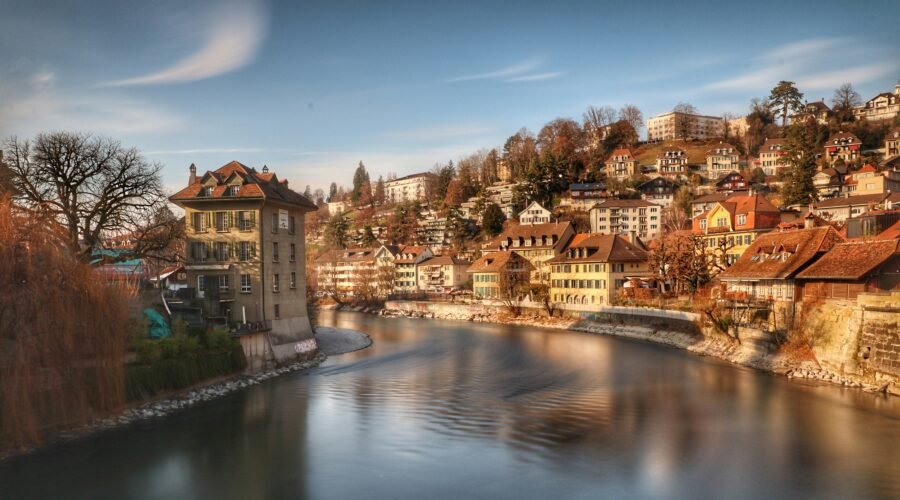
Bern is worth visiting in every season, but the best time for most travelers is from late May through June or in September. These periods give you mild-to-warm weather, long sightseeing days, and easier access to outdoor attractions without relying on the busiest part of the summer season. April and October are also strong choices if you prefer cooler weather and fewer visitors.
Quick Answer
For most visitors, the best time to visit Bern is late May through June or September. You get comfortable sightseeing weather, long days, and good access to outdoor attractions. July and August are warmer but busier, while April, October, and much of winter can be quieter and sometimes less expensive.
Key Takeaways
- Best overall: Late May, June, and September balance weather, outdoor activities, and crowd levels.
- Warmest period: July and August are best for summer activities, including swimming around the Aare, but demand is higher.
- Quieter city break: April and October offer cooler weather with fewer peak-season visitors.
- Lowest-demand period: Much of November through March is quieter, although Christmas markets and major events can temporarily raise demand.
- Important: Aare river swimming is only suitable for capable swimmers who understand the current, designated exit points, and official safety rules.
Bern Weather by Season
Bern has four distinct seasons. For long-term planning, it is more useful to look at climate normals than a single year’s weather. MeteoSwiss currently uses the 1991–2020 period for its climate normals. Actual conditions can still vary substantially from those averages, so check the forecast shortly before your trip.
Summer: Warm Weather and Long Days (June to August)
Summer offers the warmest conditions and the longest days for sightseeing. Around Bern, normal daytime highs are generally in the low-to-mid 20s Celsius during the warmest part of summer, although heat waves can push temperatures higher.
- Outdoor sightseeing: Long daylight hours make it easy to combine the Old Town, Rose Garden, Gurten, riverside walks, and evening dining in one day.
- Aare activities: Warm weather brings many locals to the river and nearby outdoor pools.
- Rain: Summer is not reliably dry. Showers and thunderstorms can occur, so pack a light waterproof layer even during a sunny forecast.
- What to pack: Breathable clothing, comfortable walking shoes, sunscreen, and a compact rain layer.
Warning: Swimming in the Aare is not the same as swimming in a pool. The current can be strong, water conditions change, and missing the correct exit can create a dangerous situation. Inexperienced river swimmers should not simply copy locals. Review the City of Bern’s official Aare safety guidance and use designated access and exit areas.
Spring: Mild Weather and Blossoms (April to May)
Spring changes quickly in Bern. April can still feel cool, especially in the morning and after sunset, while May often brings much milder afternoons.
- April: Good for museums, Old Town walks, and travelers who do not mind carrying an extra layer.
- May: One of the most attractive months for a city break because temperatures rise, daylight increases, and outdoor areas become more inviting.
- Rain: Showers are possible throughout spring. It is inaccurate to assume spring is simply wetter or drier than summer because precipitation varies considerably by month and year.
- Rose Garden: Spring is especially attractive for cherry blossom. The Rose Garden’s famous roses become a bigger highlight as the warmer season develops.
Autumn: Comfortable Days and Fall Color (September to October)
September is one of the strongest all-around months for visiting Bern. It can retain a summer feel while avoiding some of the peak-season pressure of July and August. October is cooler but attractive for foliage, museums, food, and walking.
- September: A good choice for outdoor sightseeing, hiking, cycling, and city walks.
- October: Cooler days and earlier sunsets make it better for travelers who prefer museums, cafés, markets, and photography.
- Autumn color: Trees along the Aare and around the city’s parks can create attractive fall scenery.
- Weather: Bring layers and a waterproof outer layer rather than assuming consistently dry conditions.
Winter: Cold, Festive, and Quieter (November to March)
Winter is colder and darker, but it gives Bern a different atmosphere. Snow is possible, and freezing nights occur, but visitors should not expect the Old Town to remain permanently covered in snow.
- November: Often chilly and damp, with a major crowd exception around the Zibelemärit.
- December to February: Cold weather, short days, Christmas-season events, fondue, museums, and winter day trips become the focus.
- March: Still variable, but daylight increases and signs of spring begin to return.
- Winter challenge: Cold rain, frost, ice, and short daylight hours can affect long outdoor sightseeing days.
Bern Month-by-Month: Weather, Crowds, and Costs
| Month | Typical Feel | Crowds | Cost Pressure | Best For |
|---|---|---|---|---|
| January | Cold; frost or snow possible | Low | Usually lower | Museums, food, quiet city breaks |
| February | Cold, slowly lengthening days | Low | Usually lower | Budget-conscious winter visits |
| March | Cool and changeable | Low to medium | Low to medium | Museums and early spring walks |
| April | Mild but variable | Medium | Medium | Spring scenery and fewer crowds |
| May | Pleasant and increasingly warm | Medium | Medium | Excellent overall balance |
| June | Warm with long days | Medium to high | Medium to high | Outdoor sightseeing |
| July | Warmest summer conditions | High | High | Festivals and summer activities |
| August | Warm, with showers possible | High | High | Aare season and outdoor life |
| September | Mild, early-autumn feel | Medium | Medium | One of the best overall months |
| October | Cool and colorful | Medium | Medium | Fall scenery and culture |
| November | Cold and often gray | Low except major events | Usually lower except event dates | Zibelemärit and quieter stays |
| December | Cold and festive | Medium to high around markets | Medium to high on popular dates | Christmas atmosphere |
If you are comparing Bern’s seasonality with a less familiar inland destination, this guide to the best time to visit Sarikaya, Yozgat also compares weather, crowds, and travel costs.
Navigating the Crowds in Bern
Bern receives plenty of visitors, but its crowd pattern is different from much larger European capitals. The biggest pressure is concentrated around summer weekends, major events, popular Old Town sights, and the Christmas-market period.
Peak Season: Summer (June to August)
Summer is the busiest general sightseeing period.
- Old Town: Expect more tour groups and day-trippers around the Zytglogge, Federal Palace, BearPark, and main shopping streets.
- Restaurants: Reservations become more useful for popular dinner spots, particularly on weekends.
- Hotels: Availability can tighten during school holidays, festivals, conferences, and busy weekends.
- Events: Large summer events can create a much sharper one- or multi-day demand spike than the season alone would suggest.
Shoulder Seasons: April-May and September-October
Spring and autumn provide the best compromise for many independent travelers.
- Less pressure: Major attractions remain easy to visit without the same level of peak-summer demand.
- Comfortable walking: Cooler temperatures can make long Old Town days easier than during a heat wave.
- Better availability: Accommodation and restaurant choice may improve outside major event dates.
- Photography: Spring blossom and autumn foliage offer seasonal scenery that summer travelers miss.
Off-Season: November to March
Much of winter is quieter, but it is important not to treat the entire season as uniformly low-demand.
- Quiet periods: January and February can be especially calm for museums and city sightseeing.
- Zibelemärit: The Onion Market creates a major visitor spike in late November.
- Christmas period: Seasonal markets and events increase activity in November and December.
- Trade-off: You gain quieter streets but lose daylight and some warm-weather activities.
Understanding the Costs of Visiting Bern

Switzerland is an expensive destination by European standards, and Bern is no exception. However, the amount you spend depends more on your accommodation, dining habits, transport choices, and exact travel dates than on a fixed seasonal percentage.
Accommodation: Where Your Money Goes
Accommodation is often the largest variable expense.
- Summer: Expect stronger demand, particularly on weekends and around major events.
- Spring and autumn: Availability may improve outside festivals, conferences, and holiday weekends.
- Winter: January and February can produce better-value dates, while Christmas events and the Zibelemärit can create exceptions.
- Hostels: Usually the lowest-cost paid accommodation option, although prices still vary by room type and date.
- Mid-range hotels: Rates can easily reach several hundred CHF on high-demand dates, so compare live prices rather than relying on a static average.
- Luxury hotels: Premium properties can be considerably more expensive throughout the year.
- Apartments: Can make sense for families, groups, and longer stays, particularly if kitchen access reduces dining costs.
Pro Tip: Compare the total cost of the room rather than only the nightly price. Staying in eligible accommodation within Bern can include the Bern Ticket for local public transport, reducing the amount you need to spend getting around the city.
Flights: Compare More Than One Swiss Airport
Bern has excellent rail connections, so you do not need to limit your flight search to one gateway. Compare fares and schedules for Zurich, Basel, and Geneva, then check the complete airport-to-Bern journey before booking.
- Zurich: A major international gateway with frequent onward rail connections toward Bern.
- Basel: Worth comparing because fares from your origin may be significantly different from Zurich or Geneva.
- Geneva: Farther west but still well connected to Bern by intercity rail.
- Booking strategy: Airfares are dynamic. Compare several departure dates, airports, and fare conditions instead of relying on a universal “book X months ahead” rule.
- Train planning: Check the current SBB timetable because travel times and specific connections can change.
Activities and Attractions: Mix Free and Paid Sights
Bern makes it possible to balance expensive Swiss dining and accommodation with several low-cost or free activities.
- BearPark: The BearPark area is free to visit and is open year-round.
- Old Town: Walking through Bern’s UNESCO-listed historic center, arcades, fountains, and public squares costs nothing.
- Rose Garden: A popular free viewpoint and park.
- Museums: Individual admission varies, so check the institution you want to visit rather than assuming one citywide entrance range.
- Bern Museum Card: Bern Welcome lists a 24-hour card for CHF 28 and a 48-hour card for CHF 35 for adults, with participating museums included during the validity period.
- Swiss Travel Pass: If you are traveling widely around Switzerland, the pass includes admission to hundreds of participating museums. Compare its total cost with the train journeys and museums you actually intend to use.
- Winter day trips: Skiing and snowboarding can add substantial transport, equipment-rental, lesson, and lift-pass costs.
Food and Dining: A Major Expense
Restaurant meals can consume a large part of a Bern travel budget, but you have several ways to reduce the total.
- Check menus first: Prices vary greatly by restaurant, location, and meal period.
- Groceries: Supermarkets such as Migros and Coop make breakfast, drinks, sandwiches, fruit, and ready-made meals cheaper than eating every meal in a sit-down restaurant.
- Picnics: Parks and riverside areas can turn a supermarket lunch into one of the most scenic inexpensive meals of your trip.
- Lunch menus: Look for fixed-price or daily lunch offers when restaurants provide them.
- Takeaway: Bakeries, kebab shops, and casual takeaway counters can cost less than full-service dining.
Bern’s Seasonal Highlights and Events

Weather is only part of the decision. Bern’s event calendar can transform an otherwise quiet week into one of the busiest times to visit, so check exact dates before booking accommodation.
Spring Highlights: April to May
- Grand Prix of Bern: This major running event traditionally takes place in May. The 2026 edition was held on May 9 and brought large numbers of runners and spectators into the city.
- Cherry blossom: The Rose Garden is especially attractive during the spring blossom period.
- Longer walking days: Increasing daylight makes it easier to combine museums with outdoor sightseeing.
- Zibelemärit: Do not plan a spring trip specifically for the Onion Market. The event itself takes place in November, not spring.
Summer Highlights: June to August
- Gurtenfestival: Bern’s major summer music festival takes place on the Gurten. The 2026 edition ran from July 15 to 18.
- Aare season: On suitable warm days, river and outdoor-pool culture becomes a major part of local life.
- Rose Garden: Summer is a major rose-bloom period; Bern Welcome notes around 250 rose varieties in the park.
- Outdoor entertainment: Warm evenings support open-air events, performances, and dining.
- Botanical Garden: A good warm-season stop if you want a quieter break from the busiest Old Town streets.
- Street life: The historic center feels especially active on warm weekends and during events.
Autumn Highlights: September to October
- Fall color: Parks, riverside paths, and nearby hills become more attractive as foliage changes.
- Hiking: September can still provide excellent conditions for walks and nearby excursions before colder weather arrives.
- Berner Weinmesse: The verified 2026 Bern Wine Fair is scheduled for October 9–18, rather than September.
- Zibelemärit anticipation: The famous Onion Market follows later, on the fourth Monday of November.
Winter Highlights: November to March
- Zibelemärit: Bern’s Onion Market is held on the fourth Monday of November. In 2026, it takes place on November 23.
- Christmas markets: Seasonal markets operate during November and December, although exact dates and locations should be checked for the year of your visit.
- Ice skating: The seasonal rink on Bundesplatz typically operates during winter, with the Federal Palace creating a distinctive backdrop.
- Fondue and raclette: Cold evenings are an ideal time for traditional Swiss cheese dishes.
- Winter day trips: Bern is a convenient base for rail trips toward Alpine destinations, but mountain weather and snow conditions should always be checked separately.
Note: Festival and market dates change from year to year. When an event is the main reason for your trip, verify the current official calendar before purchasing non-refundable flights or accommodation.
If you are comparing very different seasonal destinations, the guide to visiting Sitka, Alaska provides another weather, crowd, and cost comparison.
Getting Around Bern: Year-Round Considerations
Bern is compact, walkable, and exceptionally well served by public transport. For most visitors, renting a car specifically to explore the city creates more problems than it solves.
Getting to Bern from Swiss Airports
Zurich, Basel, and Geneva are all worth checking when comparing international flights. Switzerland’s rail network makes onward travel to Bern straightforward, and the best airport can depend on your fare, arrival time, and rail connection rather than distance alone.
- Check the complete journey: Compare the flight price plus airport transfer time rather than the airfare alone.
- Use live timetables: Rail schedules can change, so confirm the actual connection for your travel date.
- Avoid unnecessary car rental: If Bern is your main destination, the train is usually simpler than collecting a rental car and finding city parking.
Public Transport: Efficient and Easy
Overnight guests staying in qualifying accommodation in the municipality of Bern receive the Bern Ticket for their stay.
- Zones 100/101: The ticket covers local buses, trams, and trains within these Bern fare zones.
- Additional inclusions: Bern Welcome also lists the Gurten funicular, Marzili funicular, and lift at the Minster Terrace among the included services.
- Arrival: Current Bern Ticket rules allow the booking confirmation to serve as transport proof for the initial journey to the accommodation under the stated conditions.
- Keep it available: Follow your accommodation provider’s instructions for activating and presenting the ticket during inspections.
For many overnight visitors, local transport inside central Bern is already covered by their accommodation through the Bern Ticket.
Walking: The Best Way to Explore the Old Town
The Old City of Bern has been on UNESCO’s World Heritage List since 1983. Its arcades make walking particularly practical because they provide shelter from both rain and strong sun.
- Cobblestones: Supportive walking shoes make a noticeable difference on a full sightseeing day.
- Arcades: Bern’s historic covered walkways allow you to keep exploring during light rain.
- Hills and steps: The central Old Town is manageable, but routes toward the Rose Garden, riverbanks, and some viewpoints involve slopes or stairs.
- Accessibility: Travelers using wheelchairs, mobility aids, or strollers should check the specific route because historic paving and elevation changes can affect accessibility even when public transport itself is accessible.
Cycling: A Good Warm-Weather Option
- Rentals: Bicycle options are available around Bern.
- River routes: Paths around the Aare and surrounding areas can be scenic.
- Terrain: Bern’s wider surroundings are hillier than the compact historic center, so route choice matters.
- Weather: Spring through early autumn usually gives you the widest choice of comfortable cycling days.
Driving: Usually Unnecessary for City Sightseeing
- Parking: Central parking is less convenient than arriving by public transport.
- Pedestrian areas: Much of the historic center is designed to be explored on foot.
- Public transport: Trams, buses, trains, and walking cover the needs of most city visitors.
- When a car helps: A vehicle becomes more useful if your itinerary includes remote rural areas that are inconvenient to reach by public transport.
If you are comparing Bern with another walkable European city, this guide to the best time to visit Glasgow also looks at weather, crowds, and trip costs.
Final Recommendation
For a first visit to Bern, late May, June, or September offers the strongest overall balance. You get enough warmth for long outdoor days, good access to parks and surrounding countryside, and generally more manageable conditions than the busiest points of high summer.
Choose April or October if lower crowd levels matter more than maximum warmth. You will need extra layers and should expect changeable weather, but Bern’s arcades, museums, cafés, and public transport make it an easy city to enjoy even when conditions are not perfect.
If keeping accommodation demand as low as possible is the priority, look at January, February, or quieter parts of November. Do not assume every winter date is cheap: the Zibelemärit, Christmas-market weekends, conferences, and other events can push rates higher.
For summer river culture and outdoor events, July and August are excellent, but book more carefully and remember that Aare swimming requires strong swimming ability and respect for official river-safety guidance.
Frequently Asked Questions
What is the best time to visit Bern, Switzerland for good weather?
June through September provides the most reliable warm-weather sightseeing period. For a balance of pleasant temperatures and somewhat lower crowd pressure, late May, June, and September are particularly strong choices.
When is the peak tourist season in Bern?
General tourism demand is highest during summer, especially from June through August. Major festivals, Christmas events, the Zibelemärit, conferences, and holiday weekends can also create short periods of heavy demand outside summer.
What is the shoulder season in Bern?
April through May and September through October are useful shoulder-season periods. They combine active city life with cooler temperatures and usually less sustained visitor pressure than July and August.
What is the cheapest time to visit Bern?
January, February, and quieter portions of November often have lower accommodation demand. Prices remain dynamic, however, and major events or holiday periods can make an otherwise quiet winter date expensive.
Does Bern get snow in winter?
Yes, snow can fall in Bern, particularly during the colder winter months, but lasting snow cover in the city center is not guaranteed. Travelers should plan for cold, frost, rain, and occasional snow rather than expecting a continuously snow-covered city.
Is it safe for tourists to swim in the Aare?
Aare swimming is a popular local summer activity, but it is not suitable for everyone. The river can have a strong current and swimmers must know safe entry and exit points. Visitors without strong river-swimming experience should review official safety guidance and consider a supervised pool or lido instead.
Do tourists need a car in Bern?
Usually not. The historic center is highly walkable, and Bern has an extensive tram, bus, and rail network. A car is more useful for itineraries that include remote rural destinations rather than for normal city sightseeing.
What does the Bern Ticket include?
Eligible overnight guests receive local public transport in Bern’s zones 100/101 for their stay. Current Bern Welcome information also includes services such as the Gurten and Marzili funiculars and the lift at the Minster Terrace. Follow the activation instructions supplied by your accommodation.
Sources
- MeteoSwiss Climate Normals — climate-normal periods and long-term weather context.
- Bern Welcome: Bern Ticket — current eligibility, zones, transport coverage, and activation information.
- City of Bern: Aare Swimming Safety — river-current, exit-point, and swimmer-safety guidance.
- UNESCO: Old City of Berne — World Heritage status and historical context.
- Bern Welcome: Museum Card — current 24-hour and 48-hour museum-card information.
- Bern Welcome Event Calendar — current dates for major Bern events and seasonal activities.