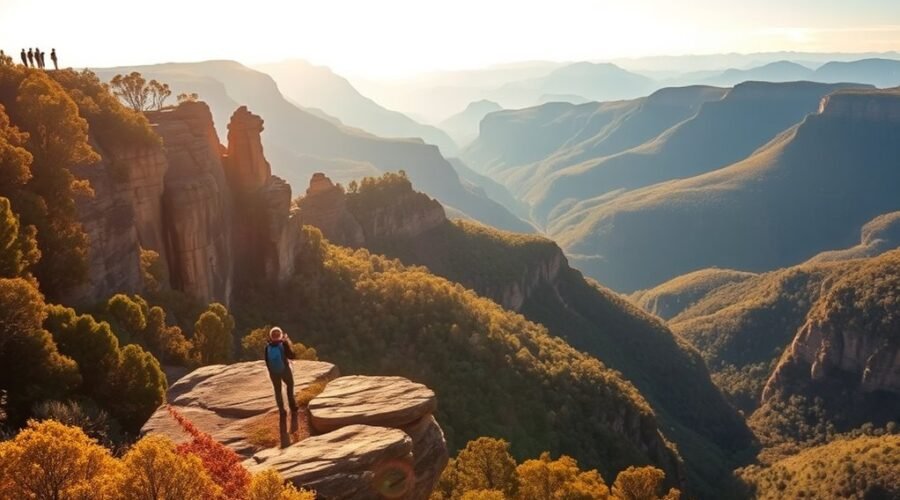
If you want crisp mornings, clear lookouts and fewer people on the trails, aim for mid‑May to early June when temperatures sit around 12–20 °C and accommodation prices drop 20–30% from peak summer. Weekday mornings are even quieter, making spots like Echo Point and Govetts Leap ideal for photography. Keep going to see how spring wildflowers, summer heat and winter bargains compare so you can pick the month that fits your trip.
Key Takeaways
- Autumn (Mar–May) offers crisp, clear weather, cooler temperatures, quieter trails, and lower weekday travel costs.
- Spring (Sep–Nov) showcases wildflowers and mild 12–22°C days, but expect moderate crowds and busy long weekends.
- Summer (Dec–Feb) brings hot afternoons, long daylight, lively cultural events, and peak accommodation prices during school holidays.
- Winter (Jun–Aug) delivers crisp air, dramatic light, lower prices, and quiet lookouts—ideal midweek for best deals.
- For lowest costs and smallest crowds, travel midweek in shoulder seasons and use public transport or off‑peak shuttles.
Best Months to Visit the Blue Mountains : Quick Recommendation
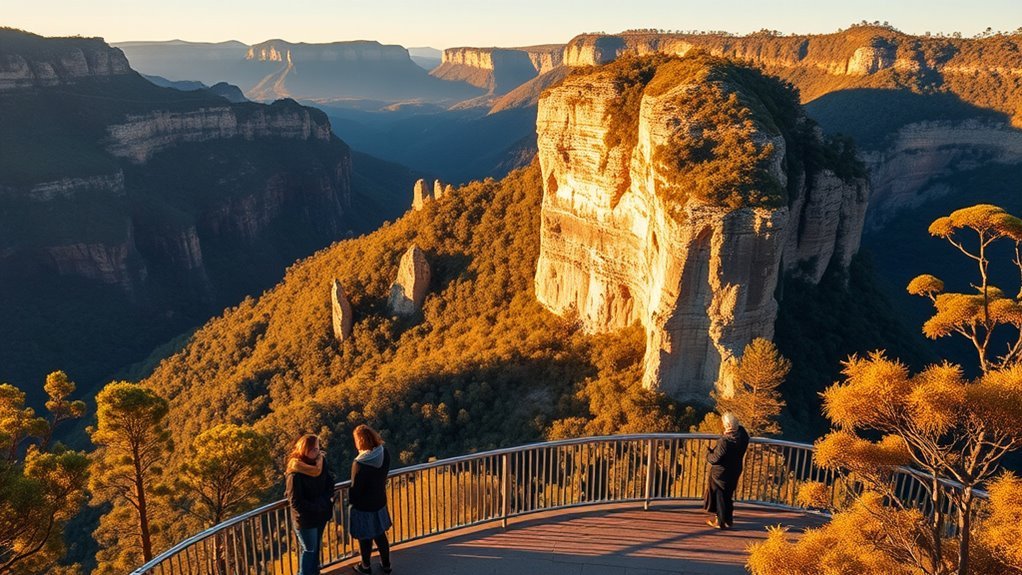
If you want pleasant weather, fewer crowds, and the best mix of activities, visit the Blue Mountains from March to May (autumn) or September to November (spring).
You’ll find trails that invite steady progress, viewpoints that reward you without battling hordes, and accommodation prices that don’t gouge your freedom to stay longer.
Choose autumn for crisp air and vivid foliage; pick spring for a surge of life and clearer skies.
Choose autumn for crisp, colorful air; choose spring for blooming life and sky-clear days.
Plan days around hiking, cultural encounters, and downtime in equal measure.
Seek out local cultural festivals for community energy that feels freeing rather than staged, and slot mornings for wildlife spotting before the heat and human bustle rise.
Pack layers, a reliable map, and a flexible itinerary so you can veer off into a gorge or linger at a cafe when the mood strikes.
This window lets you move consciously, connect with place, and reclaim time on your own terms.
Blue Mountains in Spring (Sep–Nov): Wildflowers, Weather and Crowds
Visit the Blue Mountains in spring and you’ll catch peak wildflower displays carpeting the valleys and clifftops.
Days are pleasantly mild, perfect for hiking and lookouts without the summer heat.
Expect moderate visitor levels—busier on long weekends but generally easier to move around than in peak season.
Wildflower Bloom Peaks
When spring arrives in the Blue Mountains (September–November), the slopes and heathlands erupt in color as native wildflowers reach their peak—waratahs, banksias, hakeas and dozens of smaller species carpet walking tracks and cliff edges.
You’ll learn quick wildflower identification on short walks, spotting key shapes and colors that set species apart, and you’ll appreciate how pollinator activity—bees, butterflies and birds—follows nectar patterns.
Plan your days around sunrise and late afternoon light for the best views and photos, and choose less‑traveled trails to feel free among blooms.
Bring a simple field guide or app, stay on paths to protect fragile plants, and carry water and sun protection so you can move boldly through this vivid, renewing landscape.
Mild Daytime Temperatures
As you wander among waratahs and banksias, you’ll notice the weather plays as big a role in the spectacle as the blooms themselves: spring days in the Blue Mountains are typically mild, with daytime temperatures often sitting between about 12–22°C (mid-50s to low 70s°F).
You’ll find that mild warmth invites long walks, canyon scrambles, and lingering at lookouts without overheating or bundling up. Pack breathable layers, a light rain shell, and sturdy shoes so you can move freely when clouds shift.
Evenings cool quickly, so a warm layer preserves comfort and curiosity. Mild days also support vibrant wildlife habitats and occasional night cultural festivals—plan flexible activities, follow trail advice, and let this temperate weather liberate your pace and exploration.
Springtime Visitor Levels
Because spring brings peak wildflower displays and milder weather, the Blue Mountains see noticeably higher visitor numbers from September through November, so plan for crowds at popular lookouts, picnic spots, and walking tracks.
You’ll want to rise early or visit late afternoon to claim quieter moments and better light.
Reserve parking and accommodation ahead, and pick midweek hikes to dodge weekend spillover.
Seek out smaller trails and lesser-known vistas to feel expansive freedom without the masses.
Time your visit around local festivals to join celebrations, but book tickets early.
Use guided walks that highlight Indigenous heritage to deepen your experience and support local custodians.
Travel light, move deliberately, and embrace both the blooms and the bustling energy with intention.
Blue Mountains in Summer (Dec–Feb): Heat, School Holidays and Peak Tourism
Although summer brings long, sunlit days and warm afternoons, you’ll want to plan for heat, busy school-holiday crowds, and fully booked attractions in the Blue Mountains (Dec–Feb). You’ll feel the energy: markets, birdfire festivals and evenings that celebrate Aboriginal heritage pull locals and visitors alike. Temperatures climb, so start hikes early, carry water, and pick shaded trails to stay cool.
| What to expect | How to act |
|---|---|
| Hot afternoons | Schedule outdoor time mornings/evenings |
| School holidays | Book accommodation and tours in advance |
| Packed lookouts | Visit lesser-known vantage points |
| Cultural events | Respect sites; join guided experiences |
| Longer days | Use extra daylight for escapes |
You’ll taste freedom in sweeping views, but freedom needs planning: reserve transport, pick weekdays for popular sites, and lean into local events that honor culture. That way you’ll soak up summer’s essentialness without surrendering comfort or respect.
Blue Mountains in Autumn (Mar–May): Clear Views and Lighter Crowds
When autumn arrives in the Blue Mountains (Mar–May), clear skies and crisp mornings sharpen the panoramas, and you’ll find trails quieter as the peak-season crowds thin out.
Autumn in the Blue Mountains (Mar–May): crisp mornings, clearer panoramas, and quieter trails as peak crowds fade.
You can breathe easier here: cooler temperatures make long walks more enjoyable and viewpoints stay unobstructed, so you’ll claim vistas that felt crowded in summer.
Look for autumn wildlife—wallabies, parrots and migrating birds are more active in the mellow light—and bring binoculars for valley spotting.
Plan around light cultural festivals that celebrate local arts and food; they’re smaller but more authentic, letting you engage rather than observe from the fringe.
Accommodation and weekday travel costs often ease compared with peak months, so you can stretch your budget toward experiences: guided walks, canyoning, or a private picnic at a lookout.
Pack layers for variable days and nights, book key activities ahead, and embrace the quieter rhythm—you’ll leave feeling unburdened and connected to this vast, open landscape.
Blue Mountains in Winter (Jun–Aug): Cold Vistas and Bargain Stays
If you visit the Blue Mountains in winter (Jun–Aug), expect crisp, clear air, dramatic light across frosted eucalypts, and far-reaching vistas that feel almost made for solitude. You’ll embrace cold mornings, seek cozy stays and hunt bargains as low-season rates free you to linger. Pack layers, a warm hat and sturdy boots; you’ll want to taste holidayultural cuisine in village cafés and warm up with spiced drinks after exploring. For liberated travelers, winter strips distractions: quieter lookouts, contemplative walks, and simpler choices.
| Benefit | Tip |
|---|---|
| Lower prices | Book midweek for best deals |
| Quiet lookouts | Arrive at sunrise for solitude |
| Seasonal food | Try local holidayultural cuisine |
| Alternative activities | Join guided snowshoeing trails |
You can relish brisk air without crowds, shift your pace, and choose comfortable lodgings near key viewpoints. Winter rewards deliberate travel—travel light, move slow, and let the Blue Mountains renew your sense of freedom.
Weather Impacts on Hiking, Driving and Lookouts (Month-by-Month)
Because weather in the Blue Mountains shifts dramatically through the year, it directly shapes how you hike, drive and enjoy lookouts month by month.
In cooler months you’ll layer up, expect icy trails at dawn and clearer views; use sturdy boots and head out later to avoid frost.
Spring brings wildflowers and shifting rains — trails firm by midday, but watch short, slick sections and slow for muddy climbs.
Summer heats fast; start early to escape sun, carry water, and be alert to sudden storms that reduce visibility at lookouts.
Autumn offers crisp air and long, dry days perfect for extended hikes and wildlife tracking at dawn and dusk.
Always check road conditions before driving — fog and heavy rain can close passes.
During fire season, heed local warnings: closures protect you and landscapes from escalating fire risk.
Plan flexible itineraries, respect closures, and choose routes that match current conditions for freedom and safety.
Peak Times at Parks and Lookouts : Weekends, Weekdays and School Holidays
Although crowds ebb and swell with the calendar, you’ll usually find the busiest times at Blue Mountains parks and lookouts fall on weekends and school holidays, when day-trippers and families pack popular viewpoints like Echo Point, Govetts Leap and Wentworth Falls.
Weekends and school holidays crowd Blue Mountains lookouts—Echo Point, Govetts Leap and Wentworth Falls fill with day-trippers.
You can reclaim quiet by arriving early on weekdays or late afternoon; midweek mornings are your best bet for solitude and clearer photos.
Consider Park accessibility — some car parks and trails fill fast, so plan shuttle or alternate access routes.
- Sunrise at Echo Point with only a few runners and the valley mist
- Families spreading picnic rugs at Govetts Leap by mid-morning
- Hikers converging on Wentworth Falls after school drop-off
- Empty sandstone ledges on a Wednesday afternoon, wind and space to breathe
Check if you need Visitor permits for specific activities, book parking where possible, and choose off-peak hours to feel freer and more connected to the landscape.
Seasonal Costs: Accommodation, Tours and Transport – When Prices Rise or Fall
When planning your trip, watch for peak season price hikes that push accommodation and guided tours well above standard rates.
Visit in shoulder or off-season months and you’ll find real savings on stays, transport and packaged tour deals.
Keep an eye on midweek fares and last‑minute offers to lock in the best value.
Peak Season Price Hikes
If you plan your trip during school holidays or major long weekends, you’ll notice prices for accommodation, guided tours and even local transport spike sharply. You’ll feel the price surge as demand spikes push rooms and spots into premium tiers, so act early or adjust dates.
Expect crowded lookouts and sold-out ranger walks; that’s the trade-off for vibrant energy.
- Sunrise tours booked out, buses overflowing with day-trippers
- Boutique cabins charging blackout rates, tiny rooms at big premiums
- Popular guided canyoning and abseiling slots selling fast
- Local shuttle services adding peak-time fees, taxis harder to find
Plan with intent, watch booking windows, and keep freedom by choosing alternatives before costs lock you in.
Off-Season Savings
You can flip the calendar to save: visiting the Blue Mountains outside school holidays and long weekends often means considerably lower rates for stays, guided activities and local transport.
You’ll find quieter lodges, off-peak room deals and more bargaining power with independent operators.
Mid-week and shoulder seasons let you stretch your budget while still catching cultural events that run year-round; plan around local festivals to enjoy unique experiences without premium costs.
Be ready to embrace cooler mornings and sudden weather—pack layers and flexible plans so you can chase sunlit ridgelines when they appear.
Use savings to extend your stay, support community-run galleries, or book a last-minute lodge upgrade.
Freedom here feels affordable and intentional.
Transport And Tour Deals
A jam-packed timetable of tours, shuttle buses and heritage trains shapes what you’ll pay across the seasons, so timing your visit can cut transport and tour costs dramatically. You’ll save by booking shoulder-season departures when operators offer Group discount packages and quieter runs of Eco friendly shuttles. Peak holidays hike prices on guided walks and scenic rail trips; midweek and autumn departures are cheaper and calmer.
- Dawn coach climbs along misted ridgelines, windows fogging as you breathe free.
- An afternoon heritage train rattles past eucalyptus-scented cliffs, a slow, sovereign ride.
- Small-group bushwalks leave at twilight, lanterns bobbing toward hidden lookouts.
- Shared Eco friendly shuttles loop quiet villages, connecting you to trails without renting a car.
Plan, book smart, and claim freedom through lower fares.
Choose the Right Month for Hiking, Photography or Family Trips
When planning a trip to the Blue Mountains, think about what you want to do most—strenuous hikes, sunrise photography or relaxed family outings—because each season shapes trails, light and crowd levels differently.
If you crave solitude and challenging ridgelines, autumn (March–May) cools the air, clears the haze and reveals crisp vistas; trails firm up and you’ll encounter fewer day-trippers.
For photographers chasing golden light and misty valleys, winter (June–August) delivers low sun angles and dramatic fog at dawn, plus stark contrasts ideal for bold images.
Spring (September–November) bursts with wildflowers, cultural festivals and newborn wildlife spotting—great for families who want curiosity and gentle walks.
Summer (December–February) suits waterholes and longer daylight but expect heat and bigger crowds; plan early starts.
Choose the month that frees you: prioritize weather for your activity, balance daylight and trail conditions, and pick quieter weekdays when possible so you can move, shoot and connect without compromise.
Money- and Crowd-Saving Tips for Any Season
To save money and skip the biggest crowds, try visiting the Blue Mountains outside school holidays and weekend peaks when accommodation and attractions are cheaper.
Pack smart with layers and sturdy shoes so you can adapt to sudden weather changes without buying extras on the spot.
Rely on trains and local buses to cut parking costs and drop you right at key trailheads and lookouts.
Travel Off-Peak
If you shift your trip just outside peak weeks, you’ll save money and skip the crowds without missing the Blue Mountains’ best sights; midweek stays, shoulder-season travel ****(late autumn and early spring), and early-morning hikes all cut costs and give you quieter lookouts, cheaper accommodations, and easier parking.
You’ll feel freer to wander narrow gullies, join small cultural festivals without lines, and savor local cuisine at relaxed hours.
Plan stays that start Tuesday, hike at dawn, and dine late to avoid tour buses.
- Empty clifftop at sunrise, mist rolling below
- Café tables open, aroma of roasted beans and local cuisine
- Narrow trail with only your footsteps
- Small-town festival lights and intimate performances
Travel off-peak and reclaim the mountains on your terms.
Pack Smart And Layer
Because mountain weather swings fast, pack smart and layer so you’ll stay comfortable, save money, and dodge crowds by being ready for early starts and sudden showers. You’ll want versatile, lightweight pieces and freedom from overpacking. Use layered clothing: base wicking layer, insulating mid-layer, windproof shell. That combo keeps you warm without hauling heavy gear and lets you join dawn hikes when others wait.
| Item | Purpose |
|---|---|
| Merino base | Moisture control |
| Fleece mid | Warmth |
| Shell | Wind/rain protection |
| Packable down | Night insulation |
| Buff/hat | Heat retention |
Adopt packing hacks: compressible bags, wear bulkiest items on travel days, and choose neutral layers to mix freely—liberate your trip, not your suitcase.
Use Public Transport
You’ve packed smart and layered up—now let public transport take the stress out of getting around the Blue Mountains. You’ll save money, dodge parking hassles, and move like a local by using the Train timetable to plan arrivals and departures. Buy an Opal card, check peak vs off-peak fares, and let buses bridge the gaps.
- Glide past crowded lookouts on a morning train, feeling free as the valley opens.
- Hop a local bus route to quiet walking tracks and hidden viewpoints.
- Time connections with the Train timetable to maximize daylight and minimize waits.
- Let reliable services replace driving chores so you can wander, stumble on gems, and stay liberated from logistics.
Frequently Asked Questions
Are Dogs Allowed on Blue Mountains Walking Trails and Lookouts?
Mostly no — national park walking trails and lookouts generally restrict dogs. If you seek dog friendly trails, stick to nearby town reserves and private tracks, follow local leash rules, and reclaim freedom responsibly with respect.
What Permits Are Required for Overnight Backcountry Camping?
You’ll need camping permits from NPWS for overnight backcountry camping, and you’ll obey current fire restrictions; secure a permit online, plan low‑impact gear, and stay flexible to reclaim freedom while protecting the wild.
Are There Accessible Trails and Facilities for Visitors With Limited Mobility?
Yes—you’ll find accessible ramps and wheelchair paths at many lookouts and visitor centers, and some trails offer smooth surfaces and accessible toilets; plan ahead, contact parks for assistance, and embrace freedom to explore confidently.
Is Public Transport Reliable for Day Trips From Sydney to the Blue Mountains?
Yes — you can rely on regular train schedule services and clear ticket pricing; you’ll catch frequent Blue Mountains trains from Central, plan connections, pack for freedom, and expect occasional delays so build flexible time into your day trip.
Can I Swim in Waterfalls and Creeks Year-Round?
Not always — you’ll need to respect shifting currents and hidden dangers. You should check waterfall safety and seasonal water levels, avoid risky pools after rain, and embrace freedom by choosing safe, informed swims.
Conclusion
Plan your trip for mid‑May to early June for crisp mornings, clear skies and fewer people, but any season has its charms — spring wildflowers, summer energy, winter bargains. Choose months by activities: hiking in autumn, wildflower walks in spring, family trips in summer. Book midweek to save on accommodation and enjoy quieter lookouts. Think of the mountains as a well‑worn book: open the right chapter for the mood you want and you’ll find its best lines.