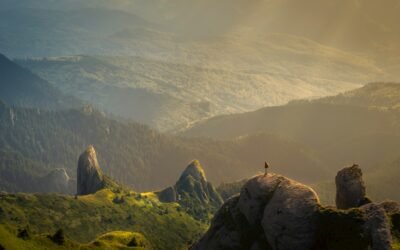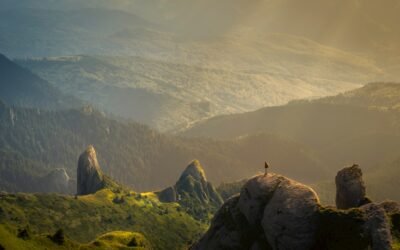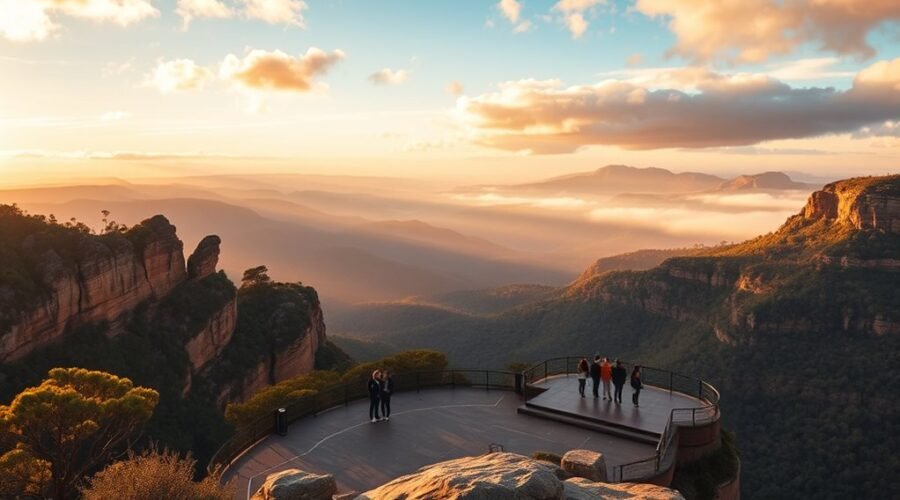
The best time to visit Katoomba is usually autumn (March–May) or spring (September–November). Both seasons offer comfortable walking weather, beautiful Blue Mountains scenery and plenty of opportunities to explore the Three Sisters. For cooler walks and autumn colours, consider April. For native wildflowers and longer days, try October or November. Weather changes quickly in the mountains, so choosing the right season is only the first step.
Quick Answer
The best time to visit Katoomba is autumn (March–May) or spring (September–November). April offers cooler walks and autumn colours, while October brings mild weather and native wildflowers. Visit on weekdays for a quieter experience. Summer suits longer days, and winter is ideal for crisp mountain scenery, although rain, fog and occasional snow can affect any trip.
Key Takeaways
- Best overall: Autumn and spring offer a useful balance of comfortable temperatures, scenery and outdoor activities.
- Best for hiking: April–May and September–October are good starting points, provided tracks are open and conditions are safe.
- Best for wildflowers: September–November, when native plants bloom across heathlands and forest trails.
- Best for quieter sightseeing: Weekday mornings outside school holidays and major events.
- Best for winter scenery: June–August, with cold mornings, possible frost and occasional snow.
- Best booking strategy: Compare midweek accommodation, check event dates and choose flexible reservations when possible.
Best Time to Visit Katoomba: Quick Verdict
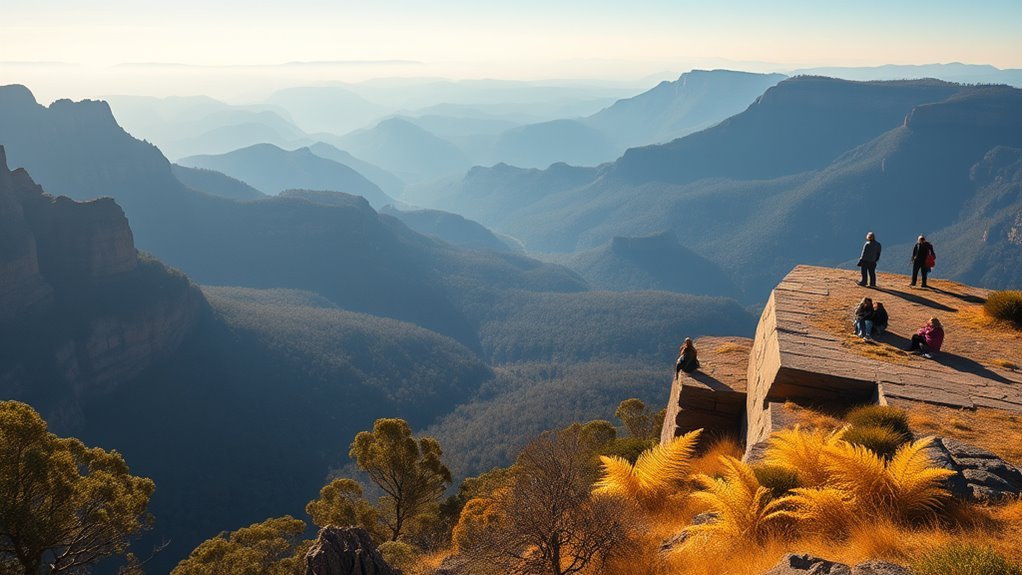
Though Katoomba is worth visiting year-round, spring and autumn offer the most balanced conditions for walking, sightseeing and exploring the town.
In autumn, cooler air makes the cliff-top tracks comfortable, while deciduous trees in Katoomba and nearby Leura bring warm seasonal colour. Spring brings native wildflowers, changing skies and fresh growth across the surrounding bushland.
For the Three Sisters, plan an early visit to Echo Point. Morning light can bring out the sandstone colours, although mist and cloud sometimes hide the valley. If that happens, wait for conditions to change or enjoy a café before returning.
Crowds often feel lighter on ordinary weekdays than on weekends, but spring and autumn are popular travel periods too. School holidays, public holidays and local events can still make accommodation and attractions busy.
For comfortable walks and flexible sightseeing, choose autumn or spring. For a quieter visit, your choice of weekday may matter as much as your choice of season.
Which Season Should You Choose?
| Season | What to Expect |
| Autumn: Mar–May | Cooler walking conditions, deciduous garden colours and increasingly chilly evenings. |
| Winter: Jun–Aug | Cold mornings, possible frost, occasional snow and cosy cafés. Warm clothing is essential. |
| Spring: Sep–Nov | Native wildflowers, gradually warmer days and excellent opportunities for nature photography. |
| Summer: Dec–Feb | Longer daylight hours, warm afternoons, holiday crowds and the possibility of heavy rain or thunderstorms. |
Month-by-Month Weather: Rain, Temperature and Visibility
Katoomba sits more than 1,000 metres above sea level, so temperatures are generally cooler than in Sydney. Even in summer, mornings and evenings can feel surprisingly fresh.
The following figures come from the Bureau of Meteorology’s Katoomba (Farnells Rd) historical climate statistics. They describe long-term averages, not a forecast for a particular trip.
| Month | Avg. High | Avg. Low | Avg. Rain | Travel Notes |
|---|---|---|---|---|
| January | 23.4°C | 12.9°C | 165 mm | Warm, busy holiday period; allow for rain. |
| February | 22.5°C | 13.0°C | 178 mm | Warm conditions with substantial average rainfall. |
| March | 20.4°C | 11.6°C | 175 mm | Pleasant temperatures, but rain remains common. |
| April | 16.9°C | 8.8°C | 122 mm | Cooler walks and autumn garden colours. |
| May | 13.3°C | 6.1°C | 100 mm | Chilly mornings; bring a warm jacket. |
| June | 10.2°C | 3.7°C | 116 mm | Winter conditions; check festival dates. |
| July | 9.5°C | 2.6°C | 85 mm | Coldest month by average daytime temperature. |
| August | 11.3°C | 3.3°C | 79 mm | Cold mornings and relatively low average rainfall. |
| September | 14.8°C | 5.5°C | 71 mm | Early spring flowers and cool mornings. |
| October | 17.8°C | 7.8°C | 92 mm | Comfortable walking and wildflower viewing. |
| November | 20.5°C | 9.9°C | 110 mm | Warmer spring days and longer outings. |
| December | 22.6°C | 11.8°C | 120 mm | Warm days and growing holiday demand. |
Visibility changes throughout the year. Clear mornings can reveal the Jamison Valley’s distant ridges, while fog, low cloud, smoke or heavy rain can hide them. No month guarantees uninterrupted Three Sisters views.
Rainfall also varies considerably from year to year. Use these averages to choose a season, then consult the latest forecast before setting out.
Note: The figures above are historical monthly averages from Bureau of Meteorology station 063039. They are not daily forecasts, rainfall probabilities or guaranteed temperatures.
Crowd Levels and Peak Times: Weekends, Holidays and School Terms
Katoomba is a popular day-trip destination from Sydney. Echo Point, Scenic World and the main walking routes can become busy on weekends, public holidays and during school breaks.
If you prefer quieter sightseeing, choose a weekday morning outside major holiday periods. You’ll generally have more flexibility for photos, cafés and short walks.
Weekend Visitor Peaks
Weekend visitors often gather around Echo Point, the Three Sisters and Katoomba’s main street. Festivals and special events can add to the crowds.
Four ways to make your visit more relaxed:
- Arrive early: Visit major lookouts before the busiest part of the day.
- Choose a suitable alternative: Consider another marked, open lookout or walking track if your first choice is crowded.
- Stay midweek: Compare accommodation rates and enjoy a slower pace around town.
- Explore local businesses: Leave time for independent cafés, galleries and guided cultural experiences.
Sunrise and dusk can be rewarding for photography, but avoid entering unfamiliar tracks in darkness without suitable equipment and experience.
School Holiday Surges
School holidays bring more families to major attractions and picnic areas. Parking availability, ticket queues and accommodation demand can all change.
Popular lookout areas may feel busiest from late morning through the afternoon. Starting early gives you more options, although there is no guaranteed crowd-free time.
Check the NSW school calendar and local event listings before booking. If you travel during a holiday period, reserve accommodation and ticketed attractions in advance where booking is available.
Ordinary public carparks generally operate under their displayed conditions rather than advance reservations, so allow time to find a legal parking space.
Spring in Katoomba: Wildflowers, Walks and What to Expect
Spring brings native flowers to Katoomba’s surrounding heathlands and forest trails. Look for seasonal displays of wattles, waratahs, boronias and native iris.
According to NSW National Parks, wildflowers appear from early spring into summer, although the timing and abundance vary with conditions.
Spring weather is changeable. Bring layers, water, comfortable walking shoes and a waterproof jacket.
Wildflower Viewing Spots
You don’t have to venture deep into the bush to enjoy seasonal colour. Several lookouts and established walking routes provide opportunities to observe native vegetation.
- Gordon Falls lookout, Leura: A scenic option for combining a lookout visit with nearby walks and picnic areas.
- Prince Henry Cliff Walk: Established cliff-top sections offer views of heathland, forest and the Jamison Valley.
- Cliff-top heathlands near Echo Point: Look for seasonal flowers along permitted paths without entering fragile vegetation.
- Narrow Neck area: Offers bushland scenery for visitors who understand the access conditions and choose an appropriate route.
The Kedumba Valley is a more remote landscape and should not be treated as a casual short-walk destination. Sensitive plants, including orchids, should be observed without disturbing their habitat.
Stay on marked paths, avoid picking flowers and photograph plants where they grow. This protects fragile vegetation and the wildlife that depends on it.
Scenic Spring Walks
Spring gives you a useful mix of short lookout visits and longer hikes.
For a comfortable introduction, start at Echo Point and explore a suitable section of Prince Henry Cliff Walk. The full route is more demanding than a short lookout stroll and includes many steps.
If you want a longer outing, explore another officially open Blue Mountains walking route that matches your fitness and available daylight.
National Pass requires special attention. This Wentworth Falls route has been affected by a major rockfall closure. Do not plan the complete route without checking current access information.
For sunrise photography, reach a safe, designated lookout before dawn rather than taking an unfamiliar bush track in darkness.
Warning: Check official Blue Mountains National Park alerts before any hike. As of September 24, 2026, sections of Fern Bower are closed for repairs, and parts of National Pass remain closed. Never enter a closed track or cross a safety barrier.
Summer in Katoomba: Festivals, Views and Crowds
Summer offers long daylight hours, warm afternoons and plenty of opportunities for sightseeing around Katoomba and the Jamison Valley.
Historical average daytime highs are around 23°C in the summer months, although individual days can become considerably hotter.
Rain, humidity and thunderstorms are important considerations. Cloud may hide distant ridgelines, and wet sandstone can become slippery.
Summer offers several ways to explore:
- Taste: Enjoy local cafés, restaurants and seasonal markets. Check event calendars rather than assuming a particular food festival will be running.
- Explore: Choose approved cycling routes or suitable walking tracks, taking care to follow park access rules.
- View: Visit Echo Point in the morning or late afternoon for changing light across the valley.
- Avoid the crowds: Choose an ordinary weekday or visit popular attractions earlier in the day.
Carry sunscreen, a hat and drinking water. For longer outdoor activities, check the forecast and current fire-danger information.
If thunderstorms are expected, avoid exposed cliff edges and postpone canyon walks or other activities that could be affected by flooding.
Autumn in Katoomba: Cooler Walks and Fewer Tourists
Autumn is an appealing time to explore Katoomba because temperatures gradually fall from March through May.
April is particularly attractive for visitors who want cooler walks without the full chill of winter. However, March can still be wet, and no autumn month guarantees clear weather.
Deciduous gardens and street trees add seasonal colour around Katoomba and nearby Leura. The surrounding eucalyptus forests remain largely evergreen, so don’t expect every valley to turn orange or red.
Cooler Hiking Conditions
Cooler air makes walking around the Three Sisters, Jamison Valley lookouts and nearby bushland more comfortable than on a hot summer afternoon.
Plan your walk around daylight, weather and trail difficulty.
- Start in the morning for softer light and a flexible schedule.
- Wear sturdy shoes with reliable grip on wet sandstone and steps.
- Carry water, a warm layer and a waterproof jacket.
- Bring a headlamp if there is any chance of finishing near dusk.
- Stay on marked tracks and protect fragile moss, vegetation and cultural sites.
Early autumn can still bring substantial rain. Check forecasts rather than relying on a seasonal reputation for dry weather.
Thinner Tourist Crowds
Outside school holidays and major events, some autumn weekdays may offer a calmer experience than busy summer weekends.
Echo Point, Scenic World and popular cafés can still be crowded, so use the time of day to your advantage.
| Location | Practical Visiting Tip |
| Echo Point | Arrive early and allow time for changing cloud conditions. |
| Cliff-top trails | Choose an open route suited to your ability and available daylight. |
| Cafés and markets | Check opening hours and event dates; weekdays may have a slower pace. |
Take time for a slow coffee, local art or a shorter walk instead of rushing between every attraction.
Off-Season Accommodation
Autumn offers accommodation choices ranging from simple guesthouses and hostels to boutique stays and eco-conscious lodging.
Prices vary by property and date. A weekday outside school holidays may offer better value than a popular weekend, but autumn should not automatically be treated as a low-price season.
When comparing accommodation:
- Check guesthouses and small hotels close to the places you plan to visit.
- Compare weekday and weekend rates for the same property.
- Look for accommodation with practical sustainability measures if eco-friendly travel matters to you.
- Consider refundable bookings when weather flexibility is important.
If you plan early walks, staying near Echo Point or central Katoomba can reduce travel time, although location and parking conditions should be checked before booking.
Winter in Katoomba: Snow Possibilities and Bargains
Winter brings cold mornings, occasional frost and a different atmosphere to the Blue Mountains.
Snow can fall in Katoomba, but it is infrequent and unpredictable. Do not book a winter trip expecting guaranteed snowfall.
Even without snow, you can enjoy misty valleys, clear breaks between passing weather systems and the comfort of warm cafés after a chilly walk.
Pack an insulated jacket, warm socks, gloves and suitable footwear. Shaded tracks may remain wet or slippery even when the sun is shining.
Winter accommodation prices vary. Some ordinary midweek dates may offer attractive rates, while school holidays and major events can increase demand.
One important example is the Katoomba Winter Magic Festival, which celebrated the winter solstice on June 20, 2026. Check the official festival calendar for future dates before planning a quieter winter weekend.
Monitor weather forecasts and road conditions if snow, ice or severe weather is possible. A train trip may be a practical alternative to driving in unfamiliar winter conditions.
Seasonal Highlights: Top Lookouts, Walks and Events
Each season gives the Blue Mountains a different character. Spring brings native flowers, summer offers longer days, autumn makes longer walks more comfortable, and winter adds cold, dramatic mountain scenery.
These are useful attractions to consider when building your itinerary.
Echo Point and the Three Sisters
Echo Point is Katoomba’s most famous lookout and a practical starting point for first-time visitors.
Its designated viewing areas provide sweeping views of the Three Sisters and Jamison Valley.
The Three Sisters is a declared Aboriginal Place on the Country of the Gundungurra and Darug peoples. Take time to read the interpretive information and respect the cultural significance of the site.
The main lookout has accessible paths and nearby facilities, making it suitable for visitors who do not want a long hike.
Scenic World
Scenic World offers several ways to experience the escarpment and rainforest, including the Skyway, Cableway and Scenic Walkway.
It can be a useful option when you want panoramic scenery without committing to a long bushwalk.
Check the operator’s opening hours, booking arrangements and accessibility information before visiting.
Prince Henry Cliff Walk
The full Prince Henry Cliff Walk follows the escarpment between Katoomba and Leura.
NSW National Parks lists it as a 7 km one-way, Grade 3 walk, with an estimated walking time of 3–4 hours. It includes many steps.
You can choose a shorter accessible section where conditions permit, but do not assume the entire walking route is suitable for wheelchairs or visitors with limited mobility.
See the official Prince Henry Cliff Walk information before starting.
Grand Canyon and National Pass
Grand Canyon track starts near Blackheath rather than central Katoomba. The official route is a 6.3 km loop, generally taking 3–4 hours.
It passes through a sheltered landscape of sandstone walls, rainforest and waterfalls. Never enter the canyon before, during or immediately after heavy rain.
National Pass is at Wentworth Falls. Because part of the route is closed due to rockfall, confirm which sections are accessible before considering a visit.
These are separate outings, not short extensions of an Echo Point visit.
Festivals and Local Markets
Katoomba and surrounding Blue Mountains towns host arts, music and community events throughout the year.
Winter Magic is one of Katoomba’s recognised annual celebrations. Local markets and galleries provide additional opportunities to explore the area’s creative culture.
Event dates, venues and opening times can change, so check official listings before travelling specifically for a festival.
How to Plan a Katoomba Day Trip
If you’re visiting from Sydney, a simple itinerary can help you enjoy the main attractions without spending the entire day moving between locations.
Getting to Katoomba From Sydney
The Blue Mountains Line connects Sydney with Katoomba. Visitors can use an Opal card or an eligible contactless payment card or device.
Tap on and off correctly, and use the same card or device for both actions.
Check the Transport for NSW visitor payment guide and journey planner for current fares, timetables and service changes.
After reaching Katoomba Station, use a suitable local bus, tourist service, taxi or walking route to reach your chosen attraction.
If driving, allow for weekend traffic, parking charges and possible roadworks. Check the conditions attached to each carpark.
Suggested One-Day Itinerary
- Morning: Visit Echo Point and enjoy the Three Sisters before moving to a nearby lookout or suitable marked trail.
- Late morning: Explore Scenic World or another attraction that matches your interests and mobility needs.
- Lunch: Return to central Katoomba for a café, restaurant or packed lunch.
- Afternoon: Visit local galleries, shops or an additional open lookout.
- Evening: Enjoy the changing light if the weather allows, then return to your accommodation or transport connection.
For longer hikes, reduce the number of other activities rather than rushing your walk.
Pro Tip: If low cloud hides the Three Sisters, use that time to visit a café or gallery. Conditions can change, so returning to Echo Point later may reward you with a completely different view.
Katoomba Costs and Booking Tips: When to Book to Save
If you want to stretch your travel budget without missing the highlights, compare dates, accommodation types and transport choices.
Midweek visits outside major holidays may provide more booking flexibility, but there is no universal cheapest month or guaranteed booking window.
For a normal weekend break, comparing rooms several weeks ahead gives you time to review your options. For major festivals and holidays, begin your search earlier.
Compare the total cost of your stay, not just the advertised nightly rate. Parking, transport, cancellation terms and attraction tickets can change the final price.
Consider these practical savings strategies:
- Compare dates: Check the same property on weekdays and weekends.
- Use public transport: The train can reduce the need for fuel and parking.
- Compare attractions: Look at official ticket prices and choose experiences you genuinely want.
- Check local food options: Mix café meals with supermarket purchases or packed lunches.
- Watch cancellation terms: Flexible bookings can be valuable when mountain weather affects your plans.
- Check events: A quiet winter or autumn date may become busy when a popular festival is scheduled.
Paid attractions occasionally offer promotions, but discounts and availability vary. Always check the operator’s official booking page before purchasing.
Packing Checklist for Spring, Summer, Autumn and Winter
Katoomba’s weather can shift from chilly mornings to mild afternoons and sudden rain. Packing layers gives you more flexibility without carrying unnecessary weight.
Spring and Autumn
- Breathable base layer and comfortable trousers.
- Fleece or warm mid-layer.
- Lightweight waterproof jacket.
- Sturdy walking shoes with good grip.
- Water bottle, hat and sunscreen.
Summer
- Lightweight clothing and a sun hat.
- Sunscreen and adequate drinking water.
- Waterproof outer layer for unexpected showers.
- Comfortable walking shoes.
- A small daypack for food and essentials.
Winter
- Insulated jacket and thermal layers.
- Beanie, gloves and warm socks.
- Waterproof outer layer.
- Sturdy footwear suitable for cold, wet conditions.
- Extra clothing if you plan to spend time outdoors after sunset.
Essentials for Every Season
Carry a charged phone, portable power bank, small first-aid kit, drinking water and a suitable map.
A compact umbrella can be useful around town, but a waterproof jacket is more practical on windy trails.
Longer or remote walks require additional planning and equipment.
Walking Safety and Current Park Conditions
Blue Mountains walking tracks can be affected by heavy rain, landslides, rockfalls, bushfire risk and maintenance work.
Before starting a hike:
- Check official park alerts and the weather forecast.
- Confirm the route’s distance, grade and estimated walking time.
- Tell someone where you’re going and when you expect to return.
- Carry water, suitable clothing and navigation equipment.
- Keep children close near cliff edges.
- Stay behind barriers and never enter a closed area.
Mobile reception can be limited in parts of the national park. For remote walks, consider an appropriate personal locator beacon and download offline maps before leaving town.
Review the official NSW National Parks cliff-safety guidance before exploring exposed areas.
Warning: Never leave a marked track to reach a better photograph. Cliff edges can be unstable, and wet sandstone may be slippery. If conditions deteriorate, turn back. Call Triple Zero (000) in an emergency.
Frequently Asked Questions
Is Katoomba pet-friendly for day hikes and lookouts?
Katoomba has places where dogs are permitted, but ordinary pets are not allowed in Blue Mountains National Park, including national-park walking tracks and lookouts. Recognised assistance animals are subject to separate rules. Check the exact location’s pet policy before travelling, keep dogs leashed where required and clean up after them.
Are public restrooms and changing facilities available at major lookouts?
Yes. Echo Point has accessible public toilets, and facilities are available at several major visitor areas. However, not every lookout or walking track has toilets, and dedicated changing facilities may be limited. Check the facilities listed for your destination and plan ahead, particularly when travelling with children.
What medical services and pharmacies are available in Katoomba township?
Blue Mountains District ANZAC Memorial Hospital is located between Katoomba and Leura and has a 24-hour emergency department. Katoomba also has pharmacy services, although individual opening hours vary. For urgent emergencies, call Triple Zero (000). For hospital information, visit the official NSW Health website.
Can I charge an electric vehicle nearby?
Yes. Public EV charging is available in the Blue Mountains region, including Katoomba. Before arriving, check a current charging map or your charging network’s app for station location, connector compatibility, charging speed, availability and fees. Do not assume that every public carpark or accommodation property provides charging.
Are there accessible trails and lookout options for visitors with limited mobility?
Yes. Echo Point has accessible parking and concrete paths leading to lookout areas. Scenic World also offers wheelchair-accessible experiences, including the Skyway, Cableway and a section of the Scenic Walkway. Some longer paths and rides have restrictions. Check accessibility details directly with the operator before visiting.
What is the best month to visit Katoomba for hiking?
April, May, September and October are good months to consider because average daytime temperatures are generally comfortable for walking. Actual suitability depends on the forecast, track conditions, your fitness and any park closures.
Does Katoomba get snow in winter?
Katoomba occasionally receives snow, but snowfall is not guaranteed. Frost and cold mornings are more dependable features of winter. Check the latest forecast if snow is an important part of your travel plans.
Conclusion
For most visitors, autumn and spring are the best times to visit Katoomba. April offers cooler walking conditions and seasonal garden colour, while October brings mild weather and native wildflowers.
Visit Echo Point early for the Three Sisters, allow time for changing mountain weather and explore Katoomba’s cafés and nearby lookouts at your own pace.
If you prefer quieter sightseeing, choose a weekday outside school holidays. Compare accommodation prices, pack suitable layers and check current park alerts before setting out.
Whatever season you choose, Katoomba rewards a flexible itinerary. A little planning gives you more time to enjoy the valley, the walking tracks and the distinctive atmosphere of the Blue Mountains.
Sources
- Bureau of Meteorology — Katoomba Climate Statistics — Historical monthly temperatures and rainfall.
- NSW National Parks — Katoomba Visitor Information — Seasonal attractions, native wildflowers and park rules.
- NSW National Parks — Blue Mountains Local Alerts — Walking-track closures, hazards and access updates.
- NSW National Parks — Echo Point Visitor Information — Lookout facilities, accessibility and visitor restrictions.
- Scenic World — Accessibility Information — Accessible attractions, pathways and ride requirements.
- Transport for NSW — Visitor Payment Guide — Public transport payment options for the Blue Mountains.