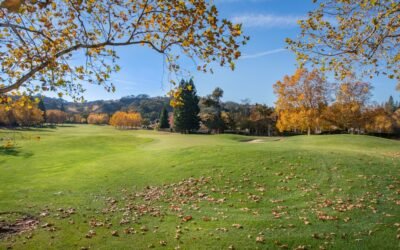
If you’re deciding when to visit Bueng Kan, Thailand, the best overall period is usually November through early February. The weather is generally cooler and drier than during the hot and rainy seasons, which makes sightseeing, temple visits, and hikes such as Phu Thok more comfortable. That said, travelers who want powerful waterfalls or lower seasonal demand may prefer a different time of year.
Quick Answer
For most travelers, November through early February offers the best balance of comfortable weather and outdoor conditions in Bueng Kan. Choose the rainy season for fuller waterfalls and greener scenery, while March and April suit heat-tolerant travelers who care more about lower demand than comfortable daytime sightseeing.
Key Takeaways
- Best overall: November to early February for cooler conditions and easier outdoor sightseeing.
- Best for Phu Thok and hiking: Generally the drier cool-season months, when trails and wooden walkways are less likely to be wet.
- Best for waterfalls: The rainy or green season, when attractions such as Chet Si and Tham Phra have stronger water flow.
- Hottest period: March through May, with April often bringing extreme heat across northeastern Thailand.
- Prices and crowds: They depend heavily on exact dates, weekends, public holidays, festivals, and individual hotels rather than following a guaranteed seasonal formula.
Best Time to Visit Bueng Kan at a Glance
| Travel priority | Best period | Why |
| Best overall weather | November to early February | Generally cooler and drier than the rest of the year |
| Hiking and Phu Thok | November to January | More comfortable temperatures and usually drier walking surfaces |
| Waterfalls and green scenery | Rainy season | Stronger waterfall flow and lush vegetation |
| Lower visitor demand | Parts of March-May and the rainy season | Less comfortable weather discourages some leisure travel, although holidays can still be busy |
| Songkran | Mid-April | Thai New Year celebrations despite very hot weather |
The Cool and Generally Drier Season: November to February
For most first-time visitors, this is the easiest period for exploring Bueng Kan. Thailand’s cool season begins around November, and northeastern Thailand generally feels much more comfortable than it does during the hottest months. The Tourism Authority of Thailand’s weather guidance describes this part of the year as Thailand’s cooler, drier period.
Weather and Comfort
November, December, and January usually offer the most comfortable conditions for long periods outdoors. Mornings and evenings may feel noticeably cooler, while afternoons remain warm.
February is more transitional. The Tourism Authority of Thailand notes that Thailand begins shifting from the cool season toward the hot season during February. Later in the month can therefore feel warmer than December or January.
Note: “Dry season” does not mean rain is impossible. Bueng Kan can still experience unusual storms or heavy rainfall, so check the current forecast before a hike or a long outdoor excursion.
Crowds
Cooler weather makes this a desirable time for domestic travel, especially on weekends and around Thai public holidays. Bueng Kan does not necessarily experience the same crowd intensity as Thailand’s major resort destinations, but popular attractions and well-reviewed accommodation can still become busier on high-demand dates.
Instead of assuming every day between November and February is crowded, check your exact dates. A midweek visit outside a holiday period may feel very different from a long weekend.
Costs
Accommodation prices are set by individual hotels and booking platforms, so there is no reliable province-wide rule saying every property charges its highest rate during the cool season. However, higher demand around holidays and popular weekends can reduce room availability and increase rates at some properties.
Booking earlier is useful if you have a particular hotel or guesthouse in mind. For flexible travelers, comparing several dates can reveal meaningful differences.
The Hot Season: March to May
March through May brings much hotter daytime conditions across northeastern Thailand. April is especially demanding for outdoor sightseeing.
Heat Can Be Intense
The Tourism Authority of Thailand notes that temperatures in northern and northeastern Thailand can reach around 42°C (108°F) during April. See its April travel guidance.
If you visit during this period, schedule outdoor activities for early morning or later afternoon. Midday is better suited to meals, rest, cafés, museums, or other shaded and indoor activities.
Warning: Do not underestimate the combination of heat, sun exposure, and physical effort on steep outdoor attractions. Carry water, use sun protection, take breaks, and change plans if you begin to feel unwell.
Crowd Levels
Extreme heat can reduce demand for strenuous sightseeing, so some attractions may feel quieter than they do in the cool season. However, April is an important exception because Songkran brings substantial domestic travel throughout Thailand.
Songkran celebrations take place around mid-April, and traffic, accommodation demand, and local activity can increase even while temperatures are near their annual peak.
Budget Considerations
You may find attractive room rates on some non-holiday dates, but lower prices are not guaranteed. Songkran and other high-demand dates can produce the opposite effect.
Compare your exact travel dates instead of choosing March-May solely because it is often described as a low season.
The Rainy or Green Season: June to October
The rainy season changes the experience of Bueng Kan. It brings higher humidity, frequent rain, greener landscapes, and stronger waterfall flow.
Lush Scenery and Waterfalls
If waterfalls are one of your main reasons for visiting, this season deserves serious consideration. The Tourism Authority of Thailand’s Bueng Kan attraction guide says Chet Si Waterfall is especially beautiful during the rainy season and notes that Tham Phra Waterfall has water during the rainy season.
This is an important trade-off: the cool season is usually easier for hiking, but the rainy season can be much better for seeing Bueng Kan’s waterfalls at their most impressive.
Rainfall and Access
Rain does not follow a fixed daily schedule. Some days may bring short thunderstorms, while others can have longer wet periods. Heavy rain can make unpaved roads, steps, rocks, and forest paths muddy or slippery.
Check the Thai Meteorological Department’s Bueng Kan weather information before heading to remote natural attractions.
Crowds and Value
The rainy season can offer a quieter atmosphere on some dates, but crowd levels still change around weekends, school holidays, festivals, and local events.
Accommodation may offer good value when demand is softer, but there is no fixed rainy-season discount. Compare current rates before booking.
Pro Tip: If waterfalls matter more to you than perfectly dry hiking conditions, consider a green-season visit with a flexible itinerary. Keep one or two indoor or easy-access activities available in case heavy rain changes your plans.
What’s Your Travel Style? Tailoring Your Visit
Your ideal month depends on what you want to do once you arrive.
For Hiking and Outdoor Exploration
If your priority is climbing Phu Thok, visiting Wat Ahong Silawat, exploring viewpoints, or spending long periods outside, November through January is usually the strongest choice.
The Tourism Authority of Thailand’s official Bueng Kan page highlights Phu Thok, Phu Wua Wildlife Sanctuary, Chet Si Waterfall, Tham Phra Waterfall, Kaeng Ar-Hong, and Nong Kut Ting among the province’s attractions.
Dry surfaces are particularly helpful at Phu Thok, where visitors climb around a steep sandstone mountain using stairs and wooden walkways.
For Waterfall Lovers
Choose the rainy or green season if your main goal is seeing waterfalls with stronger flow. Chet Si and Tham Phra are especially tied to rainy-season conditions.
Bring footwear with good grip, keep electronics protected from water, and be willing to change plans if local conditions become unsafe.
For Budget Travelers and Solitude Seekers
If saving money is important, compare accommodation across several dates in the hot and rainy seasons. Those periods can have softer demand, but there is no guarantee that every hotel or transport service will be cheaper.
The best savings often come from avoiding public holidays and busy weekends rather than simply selecting a particular season.
If you’re comparing similar weather-crowd-cost trade-offs for other destinations, you can also read the guide to the best time to visit Sumela Monastery.
Another comparison is this guide to the best time to visit Carcross, Yukon.
For Cultural Events and Festivals
Mid-April brings Songkran, Thailand’s famous New Year celebration. It is one of the liveliest times to travel but also one of the hottest.
Bueng Kan also has a long-boat racing tradition on the Mekong. The Tourism Authority of Thailand has documented Bueng Kan long-boat races in September, although dates and programs change from year to year.
If a particular festival matters to you, confirm that year’s official dates before booking accommodation or transportation.
Things to Consider Beyond the Seasons
A few practical details can matter as much as the season itself.
Public Holidays and Local Events
Thai public holidays and long weekends can increase domestic travel. Roads and buses may be busier, and popular accommodation may have less availability.
This matters particularly around Songkran in April and any major local festival. Check Thailand’s current holiday and event calendar when fixing your travel dates.
Transportation Availability
Do not assume transport frequency automatically increases during the cool season. Airline and bus schedules can change throughout the year.
Bueng Kan does not have the same direct-flight access as Thailand’s major tourism centers, so many travelers use ground transportation as part of their journey. Check current flight, bus, and transfer schedules before committing to a tight itinerary.
During periods of heavy rain, leave extra time for road travel, especially when visiting rural attractions.
Health and Comfort
Sun protection is useful throughout the year. Pack sunscreen, sunglasses, a hat, and enough drinking water for outdoor excursions.
Mosquito repellent is also sensible, particularly in humid or rainy conditions and around dawn and dusk.
If you are sensitive to heat, avoid planning long midday walks during March and April. If you dislike rain or slippery surfaces, prioritize the cooler and generally drier months.
What to Pack by Season
- November-February: Light daytime clothing plus a thin layer for cooler mornings or evenings.
- March-May: Lightweight breathable clothing, strong sun protection, and a reusable water bottle.
- June-October: Quick-drying clothes, rain protection, waterproof storage for electronics, and shoes with dependable grip.
Making Your Final Decision
There is no single month that wins for every traveler. The right choice depends on whether you value comfortable hiking weather, powerful waterfalls, festivals, quieter dates, or price flexibility.
If You Prioritize Comfort and Outdoor Activities
Choose November through January, with early February also a good option in many years. These months generally give you the easiest conditions for Phu Thok, temples, viewpoints, and longer days outdoors.
If You Prioritize Waterfalls and Green Landscapes
Consider the rainy season. Bueng Kan’s forests become greener, and important waterfalls can be much more impressive than they are during the dry months. Build flexibility into your schedule because rain can affect trails and road access.
If You Prioritize Budget and Quieter Dates
Compare March-May and rainy-season dates, but avoid assuming they will automatically be cheap. Public holidays, festivals, and individual hotel pricing can override normal seasonal demand.
Whichever season you choose, Bueng Kan offers a different side of northeastern Thailand from the country’s major beach and city destinations. Match the timing to the activities you care about most, check the current forecast shortly before travel, and keep some flexibility when visiting outdoor attractions.
Sources
- Tourism Authority of Thailand — Bueng Kan — official destination information and major attractions.
- Tourism Authority of Thailand — Thailand Climate & Weather — national seasonal weather patterns.
- Thai Meteorological Department — Bueng Kan Weather — current official provincial weather information.
- Tourism Authority of Thailand — 10 Things to Do in Bueng Kan — Phu Thok and rainy-season waterfall information.
- Tourism Authority of Thailand — Thailand in April — April heat and Songkran context.
- TAT Newsroom — Thailand Long-boat Racing — documented Bueng Kan long-boat racing tradition.
Frequently Asked Questions
What is the best time to visit Bueng Kan, Thailand?
November through early February is generally the best overall period. The weather is usually more comfortable for sightseeing and hiking than during the hot season, although occasional rain and warm spells are still possible.
What is the weather like in Bueng Kan throughout the year?
Bueng Kan follows northeastern Thailand’s tropical seasonal pattern: a cooler and generally drier period around November-February, a hot season around March-May, and a wetter monsoon or green season through much of June-October. Exact conditions vary from year to year.
When is Bueng Kan busiest?
Visitor demand can increase during the comfortable cool season, public holidays, long weekends, Songkran, and local festivals. There is no single official monthly crowd figure for the province, so check accommodation availability for your exact dates.
When is the quietest time to visit Bueng Kan?
Some hot-season and rainy-season dates may be quieter because the weather is less comfortable for outdoor sightseeing. However, weekends, Songkran, school holidays, and local festivals can still produce busy periods.
When is the best time to see waterfalls in Bueng Kan?
The rainy or green season is generally better for waterfalls. The Tourism Authority of Thailand says Chet Si Waterfall is especially impressive during the rainy season and notes that Tham Phra Waterfall has water during that period.
When is the best time to climb Phu Thok?
The cooler and generally drier months, particularly November through January, are usually more comfortable. Avoid attempting exposed or slippery sections during severe weather, and follow any local access restrictions or safety instructions.
Is Bueng Kan cheaper during the rainy or hot season?
It can be, because some properties may reduce rates when demand is softer, but there is no guaranteed seasonal discount. Compare current room and transportation prices for your exact dates and watch for public holidays that can increase demand.