Calgary is worth visiting in every season, but the right month depends on what matters most to you. For warm weather and the widest range of outdoor activities, July and August are the safest bets. For a better mix of comfortable weather, lighter crowds, and potentially better hotel rates, early September is one of the strongest choices. Winter is better for skiing and lower city crowds, while late spring can work well if you are flexible about changing weather and mountain trail conditions.
Quick Answer
The best overall time to visit Calgary is usually early September, when daytime temperatures are still comfortable but peak summer crowds have started to ease. Choose July or August for the warmest weather, early July for the Calgary Stampede, and winter if skiing, skating, and lower city tourism levels matter more than warmth.
Key Takeaways
- Best overall balance: Early September for mild weather and fewer peak-season visitors.
- Best weather: July and August, when Calgary Airport’s normal daily highs are about 23°C.
- Best for the Calgary Stampede: Early July. The 2026 Stampede ran July 3–12.
- Best for lower city crowds: November through April outside major holidays and event weekends.
- Best for skiing: Winter through early spring, depending on mountain snow conditions.
- Important: Calgary’s city weather does not tell you exactly what conditions will be like in Banff, Lake Louise, Kananaskis, or higher-elevation hiking areas.
Best Time to Visit Calgary by Travel Style
| Your Priority | Best Time | Main Trade-Off |
| Best overall balance | Early September | Cooler nights and increasing weather variability |
| Warmest weather | July–August | Higher demand and busier attractions |
| Calgary Stampede | Early July | Some of the year’s heaviest demand for rooms and transportation |
| Lower city crowds | November–April | Cold weather, snow, and shorter winter days |
| Skiing and snow sports | December–March | Mountain resort costs can remain high |
| Golden larch hikes | Usually mid- to late September | Short viewing window and popular trails can still be crowded |
Calgary Weather Through the Seasons
Calgary’s weather can change quickly because of its elevation, prairie location, and proximity to the Rocky Mountains. Pack for variation rather than assuming an entire day will match the morning forecast.
Environment and Climate Change Canada’s 1991–2020 Calgary Airport normals put the normal daily high at 19.7°C in June, 23.5°C in July, 23.1°C in August, and 18.3°C in September.
Those are long-term averages, not guarantees. Heat, thunderstorms, hail, cold fronts, smoke, and early snow can all change a particular trip.
Summer: June to August
- Warmest part of the year: July and August have normal daily highs a little above 23°C at Calgary Airport, while June’s normal high is just under 20°C. See Environment and Climate Change Canada’s Calgary climate normals.
- Long days: Summer gives you extended daylight for city sightseeing, patios, parks, and day trips.
- Thunderstorms can develop quickly: Carry a light rain shell even when the morning is sunny.
- Cooler evenings: A light layer is useful after sunset, especially if you are heading west toward the foothills or mountains.
- Mountain conditions differ: Banff, Lake Louise, Kananaskis, and high-elevation trails can be substantially cooler than downtown Calgary.
Warning: Summer weather is not the only outdoor concern. Wildfire smoke can affect Alberta air quality during some periods. Before a hiking-heavy or outdoor-focused day, check the official Calgary Air Quality Health Index as well as the normal weather forecast.
Fall: September to October
Early September is one of Calgary’s most useful travel windows. The 1991–2020 normal daily high at Calgary Airport is 18.3°C in September, compared with 11.1°C in October. Conditions can still change sharply from one week to the next.
- Early September: Often comfortable for city walking, patios, parks, and road trips.
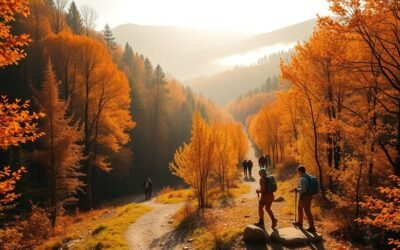
- Mid- to late September: Popular for golden larch hikes in the Rockies, although exact colour timing varies by elevation and weather.
- October: Cooler and more changeable, with a greater chance of snow or icy mornings.
- Shorter days: Build more buffer into mountain outings as daylight decreases.
Pro Tip: If you want Calgary sightseeing plus one or two Rocky Mountain day trips without committing to peak-summer crowds, the first half of September is one of the easiest periods to work with. Keep a flexible layer and rain shell in your day bag.
Winter: November to March
Calgary winters are cold, but the average daytime temperatures are not as low as the original version of this guide suggested. Calgary Airport’s normal daily highs are 4.1°C in November, -0.4°C in December, -1.5°C in January, 0.1°C in February, and 3.8°C in March. Individual cold snaps can be dramatically colder.
- Chinook winds: Warm, dry downslope winds can cause rapid winter temperature changes in southern Alberta.
- Snow and ice: Conditions can vary widely between neighbourhoods and between Calgary and the mountains.
- Sunshine: Clear winter days can be bright, so sunglasses remain useful even when temperatures are below freezing.
- Ski access: Calgary is a practical base or gateway for ski trips toward Banff, Lake Louise, and Kananaskis.
- Indoor alternatives: Build museums, science attractions, shopping, dining, or cultural venues into your itinerary so a cold snap does not derail the trip.
Spring: April to May
Spring is a transition period. Calgary Airport’s normal daily high rises from 10.8°C in April to 16.4°C in May, but snow, rain, mud, and sudden cold fronts remain possible.
- April: Can alternate between spring-like afternoons and wintry conditions.
- May: Usually much easier for city sightseeing, parks, and cycling.
- Mountain trails: Many high-elevation routes can remain snowy or muddy well after Calgary itself feels like spring.
- Flexible packing: Bring layers, water-resistant shoes, and a weatherproof outer layer.
Note: Do not use Calgary’s city forecast as a substitute for a Banff, Lake Louise, Kananaskis, or Icefields Parkway forecast. Elevation changes can mean very different temperatures, snow depths, trail conditions, and road hazards on the same day.
Crowds: When Calgary Is Busiest
Peak Season: June to August
Summer attracts vacationers, festival visitors, and travelers using Calgary as a gateway to the Canadian Rockies. Downtown attractions, restaurants, hotels, rental cars, and highways toward Banff can all feel busier.
- Calgary Stampede: This is the most important period to plan around. The 2026 Stampede ran July 3–12. Check the official Calgary Stampede website for future dates before booking.
- Rockies traffic: Summer demand in Banff and Lake Louise can affect Calgary transportation and accommodation patterns too.
- Weekends: Popular recreation areas and highways can be especially busy on good-weather weekends.
- Reservations: Book time-sensitive tours and high-priority restaurants ahead if your trip falls during a major festival.
Shoulder Season: May, September, and October
These months generally bring fewer vacation crowds than July and August, although individual event weekends can still be busy.
- May: A good city-sightseeing month if you accept changeable weather.
- September: Usually the strongest shoulder-season combination of warmth and reduced family-vacation traffic.
- October: Quieter but colder, with a greater chance of winter-like weather.
Lower-Tourism Period: November to April
General city sightseeing demand is usually lower through winter, but that does not mean every trip is inexpensive or quiet.
- Christmas and New Year: Holiday travel can raise demand.
- Ski weekends: Travelers heading to mountain resorts can still put pressure on transportation and accommodation.
- Major events: Hockey games, conventions, concerts, and festivals can create short bursts of higher demand.
- Local experience: Restaurants and indoor attractions often feel less tourism-heavy than during midsummer.
Costs: When Calgary Is Cheaper or More Expensive
Summer and Stampede
Hotels, flights, and rental vehicles often cost more when demand is highest. Stampede dates deserve special attention because rooms can sell quickly and convenient locations may become much more expensive.
If attending the Stampede is the purpose of your trip, booking early is sensible. If it is not, shifting your visit away from the main Stampede period may save money and simplify restaurant, hotel, and transportation planning.
Shoulder Season
May, September, and October can offer better value than peak summer, but there is no guaranteed percentage discount. Prices depend on flight demand, conventions, weekends, and how far in advance you book.
Early September is particularly attractive because you may still get comfortable sightseeing weather without paying for the busiest portion of summer.
Winter
City hotel demand can be lower during parts of winter, but a ski-focused trip can still become expensive once lift tickets, equipment rentals, mountain accommodation, transportation, and lessons are included.
Compare the total trip cost rather than assuming winter automatically means a cheap Calgary vacation.
Calgary Events and Festivals
Events can make a trip much more memorable, but they can also change hotel availability and traffic. Dates move from year to year, so use the examples below as current 2026 reference points and verify future editions before booking.
Summer Events
- Calgary Stampede: The 2026 edition ran July 3–12, with rodeo, evening entertainment, agriculture programming, live music, and midway attractions. See the official Calgary Stampede site.
- Calgary Folk Music Festival: The 2026 festival ran July 23–26 at Prince’s Island Park. See Calgary Folk Music Festival.
- Taste of Calgary: The 2026 event ran July 30 through August 3 at Cowboys Park. See Taste of Calgary.
- GlobalFest: In 2026, GlobalFest ran August 27–30 at Spruce Meadows rather than Elliston Park. See GlobalFest.
- 4th Street Lilac Festival: The 2026 festival took place June 7 along 4th Street SW. See 4th Street Lilac Festival.
Fall Events
- Calgary International Film Festival: CIFF 2026 is scheduled for September 24 through October 4. See the official CIFF website.
- Harvest activities: Farms and communities around Calgary often offer pumpkin patches, corn mazes, and seasonal events, with dates varying by operator.
Beakerhead planning note: Do not assume there will be a Beakerhead festival during your September trip. TELUS Spark’s current Beakerhead page says the festival paused and asks visitors to stay tuned for future plans. Check TELUS Spark’s Beakerhead page before building an itinerary around it.
Winter Events and Activities
- ZOOLIGHTS: The Wilder Institute/Calgary Zoo traditionally hosts its holiday light event in late fall and winter. Verify the current season’s operating dates before visiting.
- Hockey: A Calgary Flames NHL game or Calgary Hitmen WHL game can add a classic Canadian winter experience.
- Public skating: Weather-dependent outdoor skating is available at locations such as Bowness Park and other City-operated or community rinks.
Current closure: Olympic Plaza should not be listed as a current skating option. The City of Calgary says the plaza is closed from January 2025 through 2028 while the site is transformed. Check the Olympic Plaza Transformation page for updates.
Spring Events
- Calgary Expo: The 2026 Calgary Comics & Entertainment Expo ran April 23–26 at Stampede Park. Future dates vary.
- Aggie Days: Stampede Park hosts agriculture-focused programming in spring; check the Calgary Stampede calendar for current dates.
- Lilac Festival: Although its name sounds like a late-spring event, Calgary’s 2026 festival took place June 7, right at the transition into summer.
What You Can Do in Each Season
Summer Activities
- Walking and cycling: Calgary’s pathway system and riverfront areas are especially enjoyable during warm, dry periods.
- Hiking: Summer offers the broadest selection of accessible hiking routes around Kananaskis and Banff, but never assume every trail is open. Check official trail conditions and wildlife closures before leaving.
- Patios: Long evenings make summer the easiest season for outdoor dining.
- Parks: Prince’s Island Park, Fish Creek Provincial Park, and Calgary’s river pathways are strong warm-weather options.
- Glenmore Reservoir: Permitted non-motorized boating is available during the operating season, but stand-up paddleboards, swimming, inflatables, and power motors are prohibited. Review the City of Calgary’s Glenmore Reservoir rules before visiting.
Fall Activities
- Larch hikes: Mid- to late September is a popular period for golden larches in higher-elevation areas such as the Lake Louise region. Colour timing and trail conditions vary each year.
- Scenic drives: Fall can be excellent for mountain scenery, but snow can arrive surprisingly early at elevation.
- City walks: Inglewood, Kensington, downtown, the Beltline, and river pathways are comfortable choices on crisp, dry days.
- Seasonal farms: Pumpkin patches, corn mazes, and harvest activities are available around the Calgary region.
Winter Activities
- Skiing and snowboarding: Banff Sunshine, Lake Louise Ski Resort, and Nakiska are major options within reach of Calgary.
- Outdoor skating: Bowness Park and several other City/community locations offer weather-dependent skating. Check rink status before traveling across the city.
- Cross-country skiing and snowshoeing: Options exist in and around Calgary as well as in Kananaskis and the Rockies when snow conditions allow.
- Indoor attractions: TELUS Spark, galleries, restaurants, shopping, and other cultural attractions give you alternatives during severe weather.
Glenbow update: Glenbow is currently closed while its downtown museum is renovated, and its temporary Glenbow at The Edison location has also closed. Check Glenbow’s official visitor page for reopening information rather than assuming it will be available during your trip.
Spring Activities
- City pathways: Walking and cycling improve as snow and ice clear.
- Parks and gardens: Green spaces become more attractive through May as temperatures rise.
- Lower-elevation hikes: Some trails become usable earlier than alpine routes, but mud and lingering snow are common spring concerns.
- Mixed itineraries: Spring works best when you combine outdoor plans with indoor backup options.
Getting from Calgary to Banff and Lake Louise
A rental car gives you flexibility, but it is not essential for every Rockies itinerary. Shuttle, transit, and commercial transportation options serve popular destinations.
Lake Louise and Moraine Lake require particular planning. Parks Canada says taking public transit or a Parks Canada shuttle is one of the easiest ways to reach these high-demand areas, and Moraine Lake Road is closed to personal vehicles year-round. Review the current Parks Canada Lake Louise and Moraine Lake transportation information before reserving a rental car solely for those destinations.
If you do drive, check Alberta road conditions, the mountain forecast, and seasonal restrictions before leaving Calgary.
Winter Driving and Mountain Road Conditions
Winter driving around Calgary and the Rockies requires more preparation than normal city sightseeing. Snow, blowing snow, ice, low visibility, and rapidly changing temperatures are all possible.
Do not treat winter-tire requirements as a single Alberta-wide rule. Requirements depend on the road. For example, Parks Canada requires snow tires marked with a snowflake or M+S symbol, or tire chains, on the Icefields Parkway from November 1 through March 31 and during other periods when the road is covered in snow or ice. See Parks Canada’s Icefields Parkway guidance.
Seasonal restrictions also affect some Banff roads and wildlife areas. Check Banff National Park’s current closures and restrictions before departure.
How to Pack for Calgary
- Year-round: Bring layers. Large temperature swings can occur between morning, afternoon, evening, and mountain destinations.
- Summer: Pack sunscreen, sunglasses, a light rain shell, comfortable walking shoes, and a warmer evening layer.
- Fall: Add a warmer jacket and gloves if your itinerary extends into late September or October.
- Winter: Bring an insulated coat, warm base layers, gloves or mittens, a toque, and footwear with good traction.
- Spring: Waterproof or water-resistant footwear is particularly useful when trails and parks are muddy.
Frequently Asked Questions
What is the best overall time to visit Calgary?
Early September is one of the best overall periods because Calgary is normally still mild while peak summer tourism begins to ease. July and August are better if your priority is the warmest weather.
Which months have the best weather in Calgary?
July and August are generally the warmest. Calgary Airport’s 1991–2020 normal daily highs are 23.5°C in July and 23.1°C in August. Summer thunderstorms and occasional smoke can still affect outdoor plans.
When is Calgary’s peak tourist season?
June through August is the main summer travel period. Early July can be particularly busy because of the Calgary Stampede, so book important accommodation and transportation well ahead for Stampede dates.
What is the cheapest time to visit Calgary?
Parts of November through April can offer lower city-tourism demand than summer, especially outside Christmas, New Year, ski weekends, conventions, and major events. Always compare actual flight and hotel prices because there is no single month that is guaranteed to be cheapest.
When is the Calgary Stampede?
The Stampede is held for 10 days in July. The 2026 Calgary Stampede ran July 3–12. Check the official event website for the dates that apply to the year you plan to visit.
Is September a good time to visit Calgary?
Yes. Early September is particularly attractive because normal daytime temperatures remain comfortable and summer vacation crowds are beginning to decline. Later in September, colder nights and early mountain snow become more likely.
Do I need a rental car to visit Banff from Calgary?
Not necessarily. A car provides flexibility, but shuttles, buses, tours, and public transit can work for many itineraries. Moraine Lake Road is closed to personal vehicles year-round, so visitors must use permitted shuttle, transit, or commercial transportation options there.
Is Calgary worth visiting in winter?
Yes, especially if you enjoy skiing, skating, snowshoeing, hockey, or a quieter city trip. Build flexibility into your itinerary because cold snaps and winter driving conditions can affect mountain travel.
Sources
- Environment and Climate Change Canada — Calgary 1991–2020 Climate Normals — seasonal and monthly temperature averages.
- Calgary Stampede — official Stampede dates and event information.
- Parks Canada — Lake Louise and Moraine Lake transportation — shuttle planning and personal-vehicle restrictions.
- City of Calgary — Glenmore Reservoir — permitted and prohibited recreational activities.
- City of Calgary — Olympic Plaza Transformation — current plaza closure and redevelopment timeline.
- Tourism Calgary — Festivals in Calgary — current seasonal festival planning information.