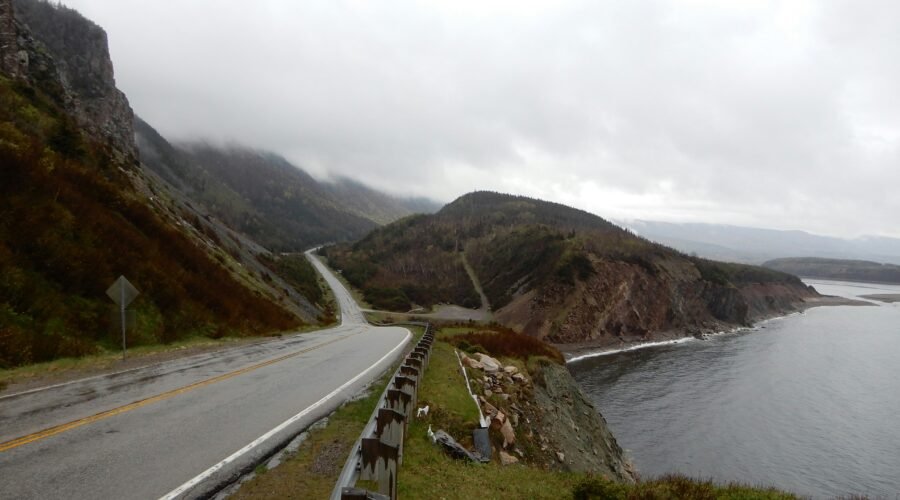
So, you’re thinking about heading to Cape Breton, Nova Scotia? Great choice! It’s a place that really stays with you. The big question on most minds is, “When’s the best time to go?” The straightforward answer is: it depends! It truly comes down to what you want out of your trip – are you chasing vibrant fall colours, looking for the warmest weather, hoping to avoid the biggest crowds, or trying to stretch your dollar? This guide will break down the seasons, so you can pinpoint your perfect window.
Summer is probably what most people picture when they think of Cape Breton. It’s the peak season for good reason, offering the most reliable weather for outdoor activities.
Weather in Summer
- June: You’re usually looking at pleasant temperatures, often in the mid-to-high teens Celsius (around 60-70°F). The days are long, which is fantastic for exploring. While it can be sunny, don’t be surprised by the occasional misty morning or a cooler breeze rolling in off the ocean. It’s generally a comfortable time to be out and about.
- July & August: These are your warmest months, with average highs typically in the low to mid-20s Celsius (70-77°F). You might even catch some days nudging into the high 20s. The ocean water can still be brisk, but on a hot day, a quick dip can be refreshing. These are also the sunniest months, offering the best chance for clear skies and brilliant coastal views. However, humidity can sometimes be a factor, and you should always pack layers.
- Rainfall: While summers are generally drier than other seasons, you can still expect rain. It’s often in the form of afternoon showers or a few cloudy days scattered throughout your trip. It’s wise to have a backup plan for indoor activities or be prepared for a bit of dampness.
Crowds in Summer
- Peak Season: July and August are undeniably the busiest months. This means the popular spots, especially along the Cabot Trail and in prime locations like the Keltic Lodge or coastal campgrounds, will be full.
- Booking Ahead: If you’re planning a summer visit, especially for accommodation and any sought-after tours or activities (like boat trips or fine dining), you absolutely need to book well in advance. We’re talking months ahead for prime spots.
- Atmosphere: The upside to the crowds is a vibrant atmosphere. There are more events, festivals, and a general buzz of activity happening across the island. You’ll find more amenities open and a generally lively feel.
Costs in Summer
- Highest Prices: As you might expect, summer is the most expensive time to visit Cape Breton. Accommodation rates are at their peak, and car rentals can also command higher prices.
- Flexibility: If your budget is a major concern, summer might be the toughest season to swing. However, if you’re committed to visiting during these months, consider staying in smaller towns, looking for guesthouses or B&Bs off the main tourist routes, or exploring camping options if that suits you. Booking super early can sometimes lock in slightly better rates, but don’t expect deep discounts.
If you’re planning a trip to Cape Breton, Nova Scotia, understanding the best time to visit can greatly enhance your experience. For more insights on travel planning, including tips on managing your budget and avoiding crowds, check out this informative article on travel considerations at Lele Tours. This resource provides valuable information that complements your exploration of Cape Breton’s weather patterns, peak tourist seasons, and cost-effective travel options.
Autumn: The Jewel Tone Season
Ah, autumn in Cape Breton. This is when the island truly transforms into something magical. If vibrant colours and crisp air are your jam, this is your season.
Weather in Autumn
- September: This is often considered a sweet spot. The weather is typically mild and pleasant, with daytime temperatures often in the mid-to-high teens Celsius (60s°F). The humidity of summer fades, and the air becomes wonderfully crisp. You’ll get plenty of sunshine, and the fall colours start to emerge late in the month.
- October: The colours are typically at their peak in early to mid-October. The temperatures start to cool down, with daytime highs often in the low to mid-teens Celsius (50s°F), sometimes dipping into the single digits. Evenings will be chilly. There’s a higher chance of rain and fog as the month progresses, and it can feel quite moody and dramatic.
- Late October/November: By late October and into November, the leaf colour has largely faded, and the weather can become quite cold and unpredictable. Many seasonal businesses begin to close down.
Crowds in Autumn
- Shoulder Season Bliss: September is a fantastic shoulder season. The summer crowds have thinned out considerably, but most attractions and businesses are still fully operational. You’ll find a much more relaxed pace.
- Fall Colour Rush: The first two weeks of October can see a surge in visitors specifically for the fall foliage. While not as intense as the July-August rush, popular areas along the Cabot Trail can become busier, especially on weekends.
- Fewer Crowds Later: By mid-to-late October, the crowds dissipate significantly. This is when you can have many of the scenic viewpoints and hiking trails largely to yourself.
Costs in Autumn
- More Affordable: September is a great time to find better deals on accommodation and car rentals compared to the summer high season. It’s a definite win for budget-conscious travellers.
- October Peak: While not as high as summer, prices in early October can be a bit higher due to the fall foliage draw. However, by mid-October, you’ll likely see those prices drop again.
- Value Proposition: Autumn offers excellent value. You get stunning natural beauty, pleasant weather (especially in September), and fewer crowds, often at a more accessible price point.
Spring: The Awakening Season

Spring in Cape Breton is a time of renewal, but it’s also a season that requires a bit more flexibility and a different set of expectations. It’s less about dramatic landscapes and more about quiet beginnings.
Weather in Spring
- April: This is still very much a “shoulder” or even “off-season” month. Expect cool temperatures, with daytime highs often only reaching single digits Celsius (40s°F). It can be windy, and there’s a good chance of rain or even a late snowfall. The landscape is still mostly muted, with trees bare.
- May: Things begin to warm up noticeably. Daytime highs can creep into the low to mid-teens Celsius (50s°F), and some days can feel quite pleasant. The trees start to bud and the first wildflowers appear. However, it can still be unpredictable, with lingering cool days and occasional rain showers. The ocean will be very cold.
- Late Spring Melt: As you move towards June, the island truly shakes off winter. Rivers are full, and the greening of the land becomes more evident.
Crowds in Spring
- Quiet and Peaceful: Spring, especially April and May, is generally a very quiet time to visit. This is ideal if you prefer solitude and a more local experience.
- Limited Openings: The downside is that many tourist-focused businesses, restaurants, and attractions may still be closed or have limited hours until closer to the summer season. You’ll need to do more due diligence to check what’s open.
- Nature Awakening: The main draw is seeing the island come alive after winter. Hiking trails may be a bit muddy, but the sense of peace and renewal is palpable.
Costs in Spring
- Lowest Prices: Spring generally offers the lowest prices for accommodation and car rentals. You can often find some fantastic deals during April and May.
- Budget-Friendly: If your primary goal is to save money and you don’t mind cooler weather and fewer amenities, spring can be an excellent choice for a budget-conscious trip.
- Value of Peace: The “value” here is in the tranquility and the opportunity to see the island in a less-trodden state, often at a very appealing price point.
Winter: The Cozy Season

Winter in Cape Breton is for those who embrace the cold, the snow, and a chance to experience a completely different side of the island.
Weather in Winter
- December to March: This is when you can expect winter. Temperatures will be cold, frequently dropping below freezing, with daytime highs often in the low single digits Celsius (30s°F) or below. Snowfall is common, and the island can be blanketed in white for extended periods. Coastal areas can experience strong winds and harsh weather.
- Snowfall & Activities: The snow creates opportunities for winter sports if you’re equipped and prepared. Driving can be challenging, and road closures due to snow are possible.
- Short Days: Daylight hours are significantly shorter, meaning less time for outdoor sightseeing during the peak daylight hours.
Crowds in Winter
- Very Few Tourists: This is the absolute off-season. You will encounter very few tourists, making it an incredibly peaceful time.
- Limited Services: Many businesses will be closed. You’ll need to be self-sufficient and plan meals and activities carefully. Towns will be quiet, and the focus will be on local life.
- Ski Resorts are the Exception: The main exception is the ski resort area around Ben Eoin (Cape Smokey also sees some activity), which will be busy with skiers and snowboarders during operational periods.
Costs in Winter
- Deepest Discounts: This is typically the cheapest time to visit if you can find open accommodations. Prices for lodging are at their lowest.
- Limited Options: However, the limited availability of open businesses means that your options will be restricted, and some places might not even be open for bookings.
- Focus on the Experience: The cost savings are significant, but the trade-off is the lack of typical tourist infrastructure. It’s an experience for those seeking solitude and willing to navigate fewer services.
If you’re planning a trip to Cape Breton, Nova Scotia, you might also find it helpful to read about the local guides who can enhance your experience. For insights into the best ways to explore the region, check out this article on local tour guides. They can provide valuable tips on navigating the stunning landscapes and cultural attractions, ensuring you make the most of your visit.
Shoulder Seasons: The Sweet Spot
| Month | Weather | Crowds | Costs |
|---|---|---|---|
| June | Mild temperatures, low precipitation | Medium | Moderate |
| July | Warm temperatures, low precipitation | High | High |
| August | Warm temperatures, low precipitation | High | High |
| September | Cooling temperatures, moderate precipitation | Low | Moderate |
Many travellers find their ideal time to visit Cape Breton falls into the “shoulder seasons” – the periods just before or after the peak summer months. These times can offer a great balance of pleasant weather, fewer crowds, and better value.
Early Summer (Late May – June)
- Transitional Weather: While the weather is generally warming up, it can still be a bit unpredictable. You might encounter cooler days, mist, or rain, but also beautiful sunny spells. The temperatures are usually comfortable for exploring without the intense heat of mid-summer.
- Greening Landscape: The island is vibrantly greening up, and wildflowers are starting to bloom. It’s a beautiful time to see nature waking up.
- Pre-Peak Crowds: Crowds are much smaller than in July and August. You’ll find it easier to book accommodation and enjoy popular attractions without the intense summer rush.
- Value: Prices are generally more reasonable than the peak summer months, offering good value for money.
Early Autumn (September – Early October)
- Ideal Weather Balance: September is often heralded as one of the best months. The weather is typically mild, sunny, and crisp, with comfortable temperatures for outdoor activities. The humidity of summer is gone, and the air is fresh.
- Stunning Fall Colours: This is when the iconic fall foliage begins to paint the landscape in breathtaking hues of red, orange, and yellow. The colours are at their most vibrant in early to mid-October.
- Fewer Crowds, More Services: The summer crowds have dispersed, but most restaurants, shops, and attractions are still open and operating. This offers a more relaxed pace and easier access to experiences.
- Excellent Value: You often get the best of both worlds – good weather, vibrant scenery, manageable crowds, and more affordable prices than in the peak summer.
Why Shoulder Seasons Work So Well
Opting for a shoulder season means you’re often getting the benefits of good weather and beautiful scenery without the associated costs and crowds of the peak summer. It allows for a more intimate and enjoyable experience of Cape Breton’s natural beauty and local culture. Consider what you value most: if vibrant colours are your priority, early October is key. If milder temperatures and fewer people are your focus, September is a strong contender. Late May and June offer a beautiful, awakening landscape with a quiet charm.
FAQs
1. What is the best time to visit Cape Breton, Nova Scotia for favorable weather?
The best time to visit Cape Breton, Nova Scotia for favorable weather is during the summer months of June to August. This is when the temperatures are mild and the days are long, making it ideal for outdoor activities and exploring the island.
2. When is the peak tourist season in Cape Breton, Nova Scotia?
The peak tourist season in Cape Breton, Nova Scotia is during the summer months of June to August. During this time, the island experiences the highest number of visitors, and popular attractions and accommodations may be more crowded.
3. What is the shoulder season in Cape Breton, Nova Scotia?
The shoulder season in Cape Breton, Nova Scotia is during the months of May and September. During this time, the weather is still pleasant, and there are fewer crowds compared to the peak summer months. Additionally, some accommodations and attractions may offer lower rates during the shoulder season.
4. When is the off-peak season in Cape Breton, Nova Scotia?
The off-peak season in Cape Breton, Nova Scotia is during the fall and winter months, from October to April. During this time, the weather is cooler, and many attractions and accommodations may have reduced hours or be closed. However, this can be a great time to visit for those looking for a quieter experience and lower costs.
5. Are there any specific events or festivals that are worth considering when planning a visit to Cape Breton, Nova Scotia?
Yes, the Celtic Colours International Festival, held in October, is a popular event that showcases Cape Breton’s Celtic music and culture. Additionally, the Cabot Trail Relay Race in May and the Stan Rogers Folk Festival in July are also worth considering for those interested in unique cultural experiences during their visit to Cape Breton, Nova Scotia.