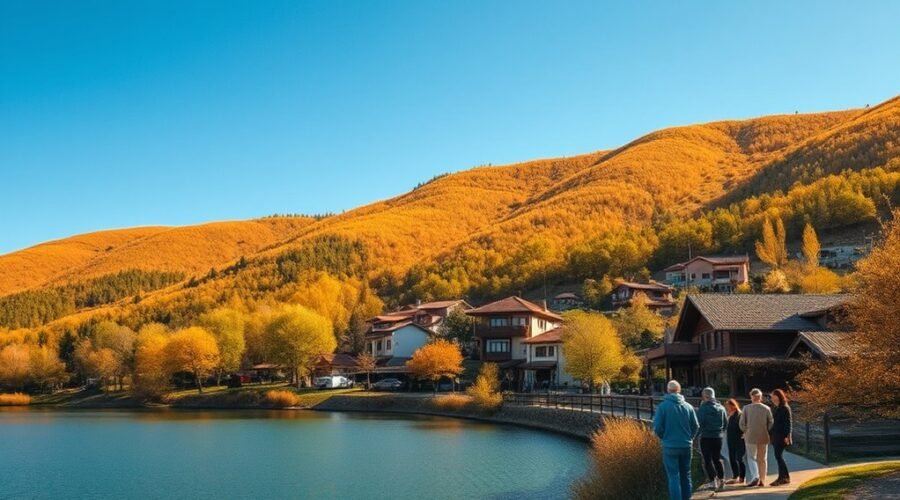
If you want comfortable weather for exploring Eflani’s lakes, villages, forests, and highlands, May–June and September–October are the strongest overall choices. Summer is warmer and works well for outdoor trips and the Ulu Yayla season, while winter brings snow, fog, ice, and a greater chance of difficult rural-road conditions.
Quick Answer
The best time to visit Eflani is usually May–June or September–October. These months avoid the hottest part of summer while keeping most outdoor sightseeing practical. Choose July–August for warmer lake and highland trips, and visit in winter only if you are prepared for snow, fog, ice, and possible rural-road disruption.
Key Takeaways
- May–June: good for green scenery, walking, picnics, and mild-to-warm weather.
- July–August: warmest period, with good access to lakes and highlands; Ulu Yayla is traditionally active in summer.
- September–October: cooler days, autumn color, photography, and comfortable sightseeing.
- December–March: snow, fog, and icing can make rural travel more difficult.
- Crowd and lodging-price data: Eflani does not publish a reliable month-by-month visitor or hotel-price series, so compare current accommodation and transport prices before booking.
Best Months to Visit Eflani
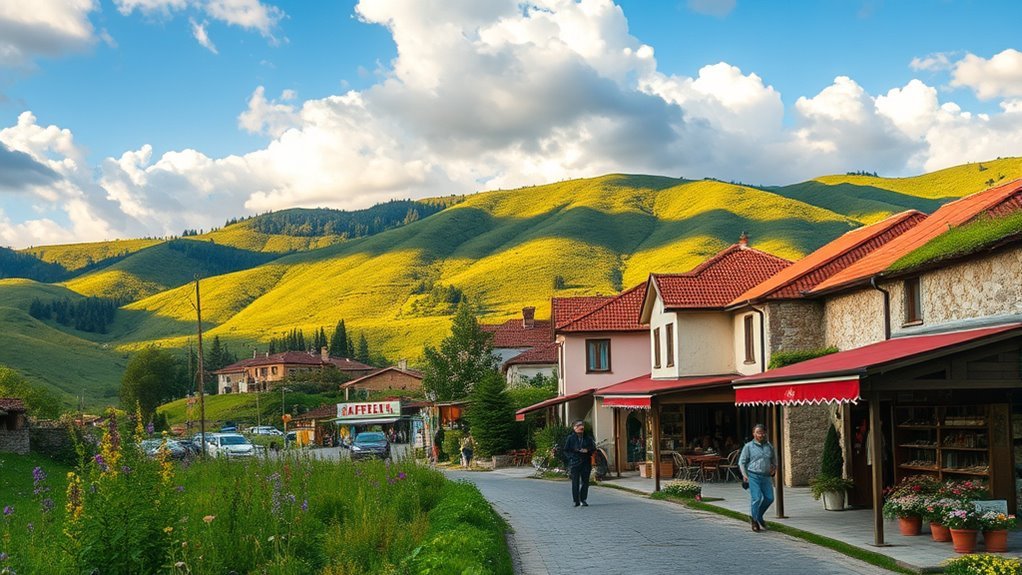
For most travelers, late spring and early autumn offer the easiest balance. You can spend time around Eflani’s reservoirs, explore rural roads and picnic areas, and visit nearby highlands without planning your entire day around midsummer heat or winter road conditions.
Summer remains a good choice if warm weather is your priority. The official Eflani district information describes May through August as the practical tourism season for Ulu Yayla, which sits about 20 km from the district center. The same source traditionally lists an Ulu Yayla festival on August 8, although you should confirm the current year’s program before making a trip around a festival date.
September is particularly useful if you want summer-like access with cooler conditions. October is cooler again and better suited to autumn scenery, photography, village visits, and shorter walks.
Pro Tip: If your itinerary depends on Ulu Yayla, a reservoir picnic, fishing, or rural roads, check the local weather forecast and road conditions shortly before you travel rather than relying only on seasonal averages.
Eflani Weather by Month: A Regional Guide
Eflani has its own meteorological observation station, but the readily published long-term monthly statistics from Turkey’s Meteorological Service are for Karabük. They are useful for understanding the region’s seasonal pattern, but they should not be treated as exact Eflani town temperatures.
| Month | Regional Avg. Temp. | Regional Avg. High | Travel Character |
|---|---|---|---|
| April | 12.2°C | 21.1°C | Cool spring; changeable weather |
| May | 16.8°C | 24.7°C | Green landscapes; good outdoor month |
| June | 20.5°C | 28.6°C | Warm days; long outdoor window |
| July | 23.3°C | 31.7°C | Hotter and relatively dry |
| August | 23.9°C | 32.8°C | Warmest period; highland season |
| September | 20.2°C | 29.2°C | Warm days and cooler nights |
| October | 14.6°C | 22.3°C | Cooler autumn weather |
Source: Turkish State Meteorological Service climate statistics for Karabük. Always check the short-range forecast for Eflani before outdoor travel.
Regional climate normals show why September works so well: Karabük’s average temperature falls to about 20.2°C from 23.9°C in August, while October cools further to about 14.6°C.
Spring in Eflani (Apr–Jun): Weather, Scenery and Outdoor Trips
Spring begins cool and becomes progressively warmer. April can still require a jacket, while May and June give you a wider window for walking, sightseeing, picnics, and reservoir visits.
Mild Weather Patterns
Spring is one of the best times to see Eflani’s countryside turning green. Regional climate figures show average temperatures rising from about 12.2°C in April to 20.5°C in June.
Rain is still possible, particularly during late spring, so waterproof footwear and a light rain layer are useful if you plan to spend time outside. Even when afternoons are warm, mornings and evenings can feel noticeably cooler.
Crowds and Availability
There is no reliable official month-by-month visitor-count series for Eflani, so claims about exact crowd percentages would be misleading. In practical terms, spring avoids the main August highland-event period and is a sensible choice if you value a quieter rural trip.
Eflani is a small district rather than a major resort. Accommodation, dining, and organized-tour choices can therefore be more limited than in larger Turkish destinations. Confirm opening hours and lodging availability before arriving, especially outside weekends.
Spring Culture and Local Food
Do not assume that a specific Eflani spring festival will take place during your dates unless it has been officially announced. Instead, use spring for local food, rural scenery, traditional shops, and day trips around the district.
One dish worth looking for is Eflani Hindi Bandırması, a traditional local preparation associated with turkey meat, broth, and locally prepared bread. Other dishes documented by the district include pörüşke, malak, gözleme, soups, regional greens, and several traditional pastries and sweets.
You can read more on the Eflani Kaymakamlığı local cuisine page.
Summer in Eflani (Jul–Aug): Lakes, Highlands and Events
July and August are the warmest months in the regional climate record. They work well for longer outdoor days, reservoir trips, picnics, fishing, and highland excursions, although exposed walks are more comfortable in the morning or later afternoon.
Eflani’s official tourism information highlights three reservoirs: Bostancılar, Bostancı (also called Ortakçılar), and Esencik. Their forested surroundings are used for picnics and outdoor recreation, and official tourism material also identifies fishing as an activity in Eflani’s reservoirs.
Ulu Yayla, about 20 km from Eflani according to district information, is another summer option. The district describes May–August as its practical tourism period and traditionally lists an Ulu Yayla festival on August 8.
Note: Annual event dates and programs can change. Confirm the latest Ulu Yayla festival announcement locally before booking transport or accommodation around a specific date.
Summer can increase demand around good-weather weekends and local events, but no authoritative Eflani dataset supports a fixed percentage increase in visitors or accommodation rates. Book early when your dates coincide with a festival or holiday, and compare current rates instead of assuming summer is always substantially more expensive.
Bring sun protection, water, comfortable walking shoes, and a light layer for cooler evenings at higher elevations.
Autumn in Eflani (Sep–Oct): Colors, Cooler Weather and Photography
September and October are among the strongest months for travelers who prefer cooler weather and seasonal color. Eflani’s forests include deciduous species such as oak and beech alongside conifers, giving autumn visits a different character from summer.
September retains much of summer’s warmth. October is significantly cooler, so layered clothing becomes more important, especially in the morning and after sunset.
| What to Do | Why Autumn Works |
|---|---|
| Reservoir walks and picnics | Cooler conditions and changing forest color |
| Landscape photography | Autumn foliage and softer seasonal light |
| Local food | Good season for warming regional dishes |
| Local crafts | Look for Eflani Cember Bezi and other regional products |
If your main goal is comfortable walking and photography, September is the safer all-round choice. Choose October when autumn atmosphere matters more than warmth.
Do not rely on claims that accommodation automatically becomes cheaper by a particular percentage after summer. Eflani has a relatively small accommodation market, so actual prices depend on the property, day of week, local events, and availability.
Winter in Eflani (Nov–Mar): Snow, Village Life and Difficult Road Conditions
Winter gives Eflani a very different character. Snow can cover the countryside, outdoor attractions become quieter, and traditional winter food feels especially appropriate. However, this is also the season when logistics require the most care.
Snow, Fog and Scenery
Eflani Kaymakamlığı describes local winters as cold and snowy and warns that fog, icing, and heavy snow can affect the district. It specifically notes that some rural roads can close during December, January, February, and March.
Warning: If you plan to drive outside Eflani town in winter, check the weather and road status before leaving. Snow, ice, and dense fog can make rural routes slow or unsafe, and some village roads may temporarily close.
| Winter Factor | What to Expect | Planning Tip |
|---|---|---|
| Snow | Regular winter possibility | Wear waterproof, insulated footwear |
| Fog | Can reduce visibility considerably | Allow extra driving time |
| Ice | Possible on paved roads | Check local conditions before rural trips |
| Rural access | Some village roads can close temporarily | Keep your itinerary flexible |
Village Traditions and Food
Winter is a good time to focus less on long outdoor excursions and more on Eflani’s food and local culture. The district’s documented cuisine includes hearty soups, dough-based dishes, gözleme, preserves, sweets, and the well-known Eflani Hindi Bandırması.
Eflani is also associated with Cember Bezi, a traditional woven textile. Rather than assuming workshops or demonstrations are always available, ask locally about current shops, producers, or exhibitions.
Winter Prices and Availability
Fewer outdoor activities do not guarantee lower prices. Eflani does not publish a reliable winter accommodation-price index, and limited supply can matter as much as seasonal demand.
Compare current lodging rates before traveling and confirm that your accommodation, restaurant, or transport option operates on your intended dates. This is more dependable than assuming winter automatically brings discounted rooms, taxis, or market prices.
What to See and Do in Eflani
Your season matters more when you know which parts of Eflani you want to experience. Official tourism information highlights a combination of reservoirs, forests, highlands, picnic areas, fishing, and rural scenery.
- Bostancılar Göleti: roughly 3 km from the district center according to Eflani’s tourism information and one of the area’s easily reached reservoir landscapes.
- Bostancı (Ortakçılar) Göleti: another reservoir about 3 km from Eflani, set between forested areas.
- Esencik Göleti: farther from town, near Esencik village, with picnic facilities documented by the district.
- Ulu Yayla: a highland area around 20 km from Eflani; the district identifies May–August as its main tourism period.
- Bedil Yaylası: a highland area northwest of Eflani with broad rural views.
- Local heritage: the district also contains historic buildings, bridges, village architecture, archaeological traces, and traditional textile culture.
For official background, see the Eflani tourism and reservoirs page and the Karabük Provincial Culture and Tourism Directorate’s Eflani tourism page.
Choose Your Month: Weather, Activities and Trade-Offs
The best month depends on what you want to do rather than on a single universal season.
| Period | Best For | Main Trade-Off |
|---|---|---|
| April | Spring scenery and cool walks | More changeable weather |
| May–June | Best overall balance, green landscapes, outdoor trips | Rain remains possible |
| July–August | Lakes, picnics, highlands, summer events | Hottest daytime conditions |
| September | Warm outdoor weather with cooler nights | Days begin shortening |
| October | Autumn color and photography | Cooler evenings and less predictable weather |
| November–March | Snow scenery and winter atmosphere | Fog, ice, snow and reduced rural accessibility |
If this is your first Eflani trip, choose May, June, or September. Pick October for autumn photography, July–August for highland and lake-focused plans, and winter only when snow is part of the experience you actively want.
Getting to Eflani and Practical Planning
Eflani is connected primarily by road. Official sources place it about 46–48 km from Karabük, with slightly different figures appearing on different government pages. It is also connected by road with Safranbolu and neighboring districts.
If you are traveling from Istanbul without a car, a bus-based journey is generally the simplest approach. Eflani district information has historically listed direct Istanbul bus services and regular minibuses between Eflani, Karabük, and Safranbolu. Because transport schedules can change, verify the current departure time before travel rather than relying on an old timetable.
Karabük has rail service, but you should not assume there is a simple direct Istanbul-to-Karabük train. Check current TCDD services separately if you want to include rail in your route.
Carry some Turkish lira for small rural purchases. Banking services exist in Eflani, but cash is useful when visiting villages, picnic areas, or small businesses.
Eflani also has an official district state hospital. For current hospital information and appointments, see the Eflani İlçe Devlet Hastanesi website.
Frequently Asked Questions
How do I get to Eflani from Istanbul by public transport?
Bus travel is the simplest option for most visitors. You can travel toward Eflani directly when a service is operating or reach Karabük and continue by local road transport. District information has listed bus and minibus connections, but always check the current timetable before departure.
Are there ATMs and medical services in Eflani?
Banking services are available in Eflani, but carrying some cash is sensible for rural stops. Eflani also has an official district state hospital, so the town has more than a basic clinic. For complex specialist care, larger facilities in Karabük may still be appropriate.
Is Eflani suitable for solo female travelers?
A solo trip is possible, but avoid treating any destination as risk-free. Use normal travel precautions, tell someone your route before remote walks or rural drives, arrange late transport in advance, and check current national or local travel advice before your trip.
Can I find traditional local cuisine year-round?
Traditional dishes are part of Eflani’s food culture throughout the year, but individual restaurants may not serve every dish every day. Eflani Hindi Bandırması is the best-known local specialty, alongside pörüşke, malak, gözleme, soups, pastries, preserves, and sweets.
Are there guided tours or local guides available?
Do not assume you will find a guide on arrival. Eflani has a smaller tourism market than major Turkish destinations, so arrange any guided activity beforehand through your accommodation, a licensed travel provider, or local tourism contacts.
What is the best month for Eflani’s lakes and highlands?
June and September are strong all-round choices for outdoor trips. July and August are warmer and suit lake and highland plans, while official district information describes May through August as the main tourism period for Ulu Yayla.
Can I visit Eflani in winter?
Yes, but winter requires more preparation. Snow, fog, and icing can affect travel, and the district government notes that some village roads may close during December through March. Check conditions before rural drives and keep your itinerary flexible.
Conclusion
For most travelers, May–June and September–October are the best times to visit Eflani. May and June bring green landscapes and comfortable outdoor conditions, while September combines warm days with cooler evenings. October is the better pick for autumn color and photography.
Choose July or August if lakes, highlands, warm weather, and summer events are your priorities. Winter can be beautiful, but snow, dense fog, ice, and rural-road disruption make it a more demanding trip. Whatever season you choose, check the latest weather, transport schedule, accommodation availability, and event information shortly before you leave.
Sources
- Turkish State Meteorological Service — Karabük Climate Statistics — regional temperature, rainfall, and seasonal climate data.
- Eflani Kaymakamlığı — İlçenin Genel Durumu — local climate, winter fog, snow, icing, road access, transport, Ulu Yayla, and Bedil Yaylası information.
- Eflani Kaymakamlığı — Turizm ve Göletlerimiz — Bostancılar, Esencik, and Bostancı reservoirs and their locations.
- Karabük İl Kültür ve Turizm Müdürlüğü — Eflani’de Turizm — official tourism information covering reservoirs, forests, picnicking, camping, and fishing.
- Eflani Kaymakamlığı — Eflani Mutfağı — traditional Bandırma and other documented local foods.
- T.C. Sağlık Bakanlığı — Eflani İlçe Devlet Hastanesi — current local hospital and healthcare information.