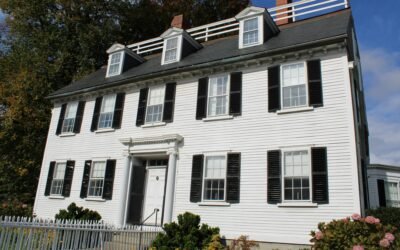
Gatineau, Quebec, offers something different in every season. You can explore Gatineau Park in spring, enjoy beaches and festivals in summer, admire colourful forests in fall, or try cross-country skiing in winter. For most visitors, late spring and early fall offer a comfortable balance of weather and outdoor activities. However, the best time to visit Gatineau depends on what you want to do, how much you want to spend, and how comfortable you are with changing weather.
Quick Answer
The best time to visit Gatineau, Quebec, is late May through June or September through mid-October. These periods offer comfortable sightseeing conditions and seasonal scenery. Choose late September to October for fall foliage, July and August for swimming and festivals, or January and February for winter sports. Check local conditions before booking outdoor activities.
Key Takeaways
- Best overall weather: Late May, June, and September offer generally comfortable sightseeing temperatures.
- Best fall foliage: Late September through mid-October is a useful planning window, although peak colour varies with weather and location.
- Best for summer activities: July and August offer warm conditions for festivals, hiking, and swimming at designated beaches.
- Best for winter sports: January and February are popular choices when snow and trail conditions allow.
- Best for flexible budgets: Compare dates outside major holidays, festivals, and busy autumn weekends rather than relying on a particular month to be cheapest.
1. Spring (April–June): The Awakening
Spring in Gatineau is a time of renewal as the city gradually warms after winter. Trees begin to leaf out, parks become greener, and outdoor patios reopen.
Late May and June are particularly appealing for visitors who enjoy walking, cycling, museums, and outdoor sightseeing without the strongest summer heat.
1.1 Spring Weather: Mild and Unpredictable
Spring temperatures rise quickly, but early-season weather can change from one day to the next.
- April: Expect cool mornings, occasional frost, rain, and the possibility of lingering snow. Average daytime highs in the nearby Ottawa climate record are approximately 11°C (52°F), with nighttime lows around 1°C (34°F).
- May: Conditions become much more comfortable. Average daytime highs reach approximately 19°C (67°F), with nighttime lows around 8°C (46°F). Pack layers for cooler mornings and evenings.
- June: Average daytime highs reach approximately 24°C (76°F), while nighttime lows are around 13°C (56°F). Warm afternoons are common, but showers and thunderstorms remain possible.
These are long-term climate averages for nearby Ottawa, based on Environment and Climate Change Canada’s 1991–2020 climate normals. They provide a useful guide for Gatineau but are not a forecast for your travel dates. Actual temperatures can be considerably warmer or colder.
1.2 Spring Crowds: Before the Summer Rush
- April: Often relatively quiet for general sightseeing. Some seasonal outdoor services may not yet be operating.
- May: Visitor activity increases as the weather improves. Weekends and spring events can attract additional visitors.
- June: Parks, patios, and outdoor attractions become busier, particularly on pleasant weekends.
Spring is a good choice for travellers who prefer a lively city without planning their trip around the busiest summer weekends.
1.3 Spring Costs: Compare Dates Carefully
- April: Travellers may find opportunities outside holidays and special events. However, lower prices are not guaranteed.
- May: Accommodation demand can increase around holidays and regional events.
- June: Warm-weather travel and weekend demand can affect hotel availability and rates.
Compare several dates before booking. If your schedule is flexible, a weekday stay may offer different accommodation options from a busy weekend.
1.4 Spring Activities: Nature’s Embrace
- Hiking and biking: Explore designated trails and paved pathways in Gatineau Park as conditions improve.
- Museums and galleries: Visit the Canadian Museum of History for an indoor activity that works well on rainy days.
- Urban exploration: Wander through Vieux-Hull, explore local cafés, and enjoy outdoor patios as they reopen.
- Spring flowers: Combine your Gatineau stay with a visit to Ottawa’s tulip displays across the river.
The Canadian Tulip Festival takes place primarily in Ottawa rather than Gatineau. Its 2026 edition ran May 8–18 at Commissioners Park and other locations in the National Capital Region. Check the event calendar when planning a future visit.
Early spring requires extra care in Gatineau Park. Melting snow and rain can leave trails muddy or partially snow-covered. Stay on official trails rather than walking around muddy sections, which can damage nearby vegetation and widen paths.
The National Capital Commission publishes spring trail guidance and seasonal updates.
Pro Tip: If you want to hike and cycle during the same trip, late May or June generally provides more dependable warm-weather conditions than early April. Check official trail conditions before choosing your route.
2. Summer (July–August): Peak Season Buzz
Summer brings long days, warm weather, outdoor dining, and an active festival calendar to Gatineau and nearby Ottawa.
It is a particularly appealing season for visitors who want to combine city attractions with beaches, cycling, hiking, and waterfront activities.
2.1 Summer Weather: Warm and Sometimes Humid
- July: Typically the warmest month. Average daytime highs are approximately 27°C (80°F), with nighttime lows around 16°C (60°F).
- August: Temperatures remain warm, with average daytime highs around 26°C (78°F) and nighttime lows near 15°C (58°F).
These figures are based on nearby Ottawa climate normals. Hotter days, humidity, rain, and thunderstorms are all possible.
If you are sensitive to heat, plan longer walks for the morning and include indoor attractions during the warmest part of the afternoon.
2.2 Summer Crowds: Bustling and Lively
- July: Canada Day, summer holidays, and major outdoor events can increase demand for accommodations and attractions throughout the region.
- August: Popular beaches, hiking destinations, and outdoor recreation areas remain busy, especially on warm weekends.
Gatineau’s location across the Ottawa River from Canada’s capital makes it convenient to combine attractions in both cities. However, events taking place in Ottawa can also affect travel and accommodation demand in Gatineau.
2.3 Summer Costs: Plan Around Events
Summer can be a busy period for hotels and visitor attractions, but there is no reliable rule that every July or August date will cost more than every other month.
- Compare accommodation prices across nearby dates.
- Check festival calendars before booking.
- Reserve popular attractions when advance booking is available.
- Consider accommodation location and transport costs, not just the nightly room rate.
A hotel that costs slightly more but is within walking distance of your planned attractions may offer better overall value than one requiring frequent paid transport.
2.4 Summer Activities: Outdoor Adventures
- Festivals and events: Enjoy Canada Day activities and regional summer festivals. Ottawa’s Bluesfest is another option for visitors exploring both sides of the river.
- Swimming: Visit designated public beaches at Meech, Philippe, or La Pêche lakes in Gatineau Park.
- Water sports: Explore permitted kayaking, canoeing, and paddleboarding opportunities at designated launch areas.
- Hiking and cycling: Discover Gatineau Park’s trails and paved parkways.
- Patios and dining: Enjoy Vieux-Hull restaurants, outdoor dining, and warm summer evenings.
- Indoor attractions: Visit museums when rain or high temperatures make outdoor sightseeing less comfortable.
2.5 Gatineau Park Beaches and Swimming Season
Gatineau Park offers designated public swimming areas at Meech, Philippe, and La Pêche lakes.
For the 2026 season, the NCC scheduled supervised swimming from June 12 through September 7, with lifeguards generally on duty from 10 a.m. to 7 p.m. Supervision can vary, and water quality is monitored during the operating season.
Visitors should also know that:
- Swimming should take place within designated areas.
- Beach parking fees may apply during the swimming season.
- There is no potable water at Gatineau Park public beaches, so bring your own drinking water.
- Dogs and other pets are not permitted at the beaches.
- Water quality and supervision should be checked before visiting.
See the NCC’s official Gatineau Park swimming information for current beach conditions.
Warning: Do not assume that every lake or section of the Ottawa River is a designated swimming area. Check local restrictions, water conditions, and supervision before entering the water. Avoid swimming during thunderstorms.
3. Fall (September–November): Colourful and Crisp
Fall is one of Gatineau’s most distinctive seasons. The forests of Gatineau Park change to shades of yellow, orange, and red, creating excellent opportunities for scenic walks and photography.
September offers a pleasant transition from summer, while October is especially attractive for visitors interested in fall colours.
3.1 Fall Weather: Comfortable to Chilly
- September: Average daytime highs are approximately 21°C (70°F), with nighttime lows around 10°C (50°F). Early September can still feel summery.
- October: Average daytime highs fall to approximately 13°C (56°F), with nighttime lows around 4°C (39°F). Cool mornings and occasional frost become more likely.
- November: Average daytime highs are approximately 6°C (42°F), with nighttime lows around −2°C (29°F). Rain, frost, and early snowfall are possible.
These figures are based on nearby Ottawa’s 1991–2020 climate normals. Pack for daily variation, especially if you plan to spend several hours outdoors.
3.2 Fall Crowds: Quiet Streets, Busy Foliage Destinations
- September: Some summer holiday activity eases, although Labour Day and major events can attract visitors.
- October: Popular Gatineau Park destinations can become extremely busy during the fall colour season, particularly on weekends.
- November: General sightseeing may be quieter after the main foliage period, but weather and seasonal closures can limit some outdoor activities.
Do not assume that October is a low-crowd month simply because summer has ended.
The National Capital Commission advises that popular fall destinations can reach capacity, and parking lots may fill. Visiting on weekdays or choosing less-visited areas can make the experience easier.
3.3 Fall Costs: Flexible Dates Matter
- September: Compare rates around Labour Day and local festival dates.
- October: Popular foliage weekends may attract additional demand, especially for accommodation near Gatineau Park.
- November: Travellers may find more flexibility outside major events, but the lowest price depends on actual availability.
For a fall trip, check the hotel rate for your specific dates before making plans around an assumed off-season discount.
3.4 Fall Activities: Golden Hues
- Leaf peeping: Explore Gatineau Park’s designated trails and scenic viewpoints.
- Photography: Visit forest trails, lakes, and lookouts during suitable weather.
- Harvest activities: Discover local markets, farms, and seasonal food experiences.
- Comfort food: Enjoy cafés and restaurants as the evenings become cooler.
- Museums and galleries: Keep an indoor activity available for rainy days.
3.5 When Do Fall Colours Peak in Gatineau Park?
Late September through mid-October is a useful general planning window for fall foliage in Gatineau Park.
However, there is no fixed annual peak date. Colour development depends on temperature, rainfall, tree species, elevation, and other seasonal conditions.
Some areas change earlier than others. A viewpoint that looks colourful one week may look different several days later.
For current information, check the NCC’s Fall Rhapsody colour meter and visitor guidance.
Popular foliage destinations include Pink Lake, King Mountain, and Champlain Lookout. Access to these locations depends on the parkway and trail arrangements in effect.
Pro Tip: If possible, plan your fall foliage outing for a weekday. Bring a backup destination in case a popular parking lot or access road reaches capacity.
3.6 Gatineau Park Access and Shuttle Information
One important part of planning a Gatineau Park visit is understanding that the scenic parkways do not operate like ordinary roads.
Private-vehicle access is limited according to season, day of the week, and time of day. Some routes are reserved for active transportation during certain periods.
For the 2026 season:
- The free Gatineau Park shuttle operates from May 16 through October 25.
- Service is available six days a week, with no Wednesday service.
- The shuttle provides access to popular destinations near the parkways.
- Private-vehicle access follows a separate published schedule.
- From September 21 through October 25, private vehicles are generally permitted from noon to dusk on most days, with Wednesday access beginning at 8 a.m.
- From October 26, 2026, the parkways transition to winter restrictions and are closed to private vehicles.
The shuttle has limited seating and does not require reservations. Travellers must check the return schedule carefully because missing the final departure can leave them responsible for arranging their own transport.
Schedules can change between seasons, so consult the official Gatineau Park parkway access schedule before leaving.
4. Winter (December–March): Snowy Wonderland
Winter gives Gatineau a completely different character. Snow-covered forests, frozen landscapes, and cold-weather activities attract visitors who enjoy outdoor recreation.
It is also a good season for combining museum visits, cafés, and winter festivals with time outdoors.
4.1 Winter Weather: Cold and Snowy
- December: Average daytime highs are approximately −2°C (29°F), with nighttime lows around −9°C (16°F). Snow and icy conditions become increasingly common.
- January: Average daytime highs are approximately −5°C (23°F), with nighttime lows around −14°C (7°F). Colder conditions are possible during Arctic air outbreaks.
- February: Average daytime highs are approximately −3°C (26°F), with nighttime lows around −13°C (9°F).
- March: Average daytime highs rise to approximately 3°C (37°F), with nighttime lows around −7°C (20°F). Snow may remain, but thawing and refreezing can affect outdoor conditions.
These are long-term averages from nearby Ottawa. Actual winter weather can be much colder, especially when wind chill is considered.
4.2 Winter Crowds: Activity-Dependent
- December: Holiday travel and seasonal events can increase activity in parts of the city.
- January: General sightseeing may be quieter after the holidays, while suitable snow conditions attract outdoor recreation visitors.
- February: Winterlude and school breaks can increase demand for accommodation and activities.
- March: Visitor levels depend on school holidays, weather, and the remaining winter recreation season.
4.3 Winter Costs: Variable
- December: Christmas and New Year’s travel dates may have different accommodation rates from earlier December dates.
- January: Compare prices after the holiday period, particularly if your travel dates are flexible.
- February: Check Winterlude dates before booking because festival demand can affect availability.
- March: Rates may vary with school breaks and winter recreation conditions.
Remember to include equipment rental, winter activity passes, transport, and parking in your budget if you plan to spend time in Gatineau Park.
4.4 Winter Activities: Embrace the Chill
- Cross-country skiing: Explore designated groomed trails in Gatineau Park when conditions permit.
- Snowshoeing: Use the park’s designated snowshoe trails.
- Ice skating: Visit Ottawa’s Rideau Canal Skateway when it is officially open.
- Winterlude: Enjoy seasonal programming across Ottawa and Gatineau.
- Indoor sightseeing: Visit museums, art galleries, cafés, and restaurants.
4.5 Winterlude and the Rideau Canal
Winterlude is a major winter festival in Canada’s National Capital Region. Its programming includes winter-themed activities and events in Ottawa and Gatineau.
The 2026 edition ran from January 30 through February 16. Future festival dates and programming should be checked through the official event announcements.
The Rideau Canal Skateway is located in Ottawa, across the river from Gatineau.
Its typical skating season runs from January to early March, but the actual opening and closing dates depend on weather and ice conditions. A winter trip does not guarantee that skating will be available.
Check the official Rideau Canal Skateway information before planning your day.
4.6 Winter Trail Passes and Safety
Gatineau Park has separate trail networks for activities such as cross-country skiing and snowshoeing.
Access fees apply to designated skiing, snowshoeing, and snow-biking trails. Daily and seasonal passes are available, with fees depending on activity and visitor category.
Check the current Gatineau Park winter pass information before your trip.
For a safe outing:
- Check trail conditions and closures before leaving.
- Use trails designated for your activity.
- Carry water, food, a map, and a charged phone.
- Bring a flashlight or headlamp if daylight may be limited.
- Tell someone your planned route and expected return time.
- Wear suitable winter boots and several insulating layers.
- Do not rely entirely on mobile reception in remote park areas.
Warning: Winter temperatures, wind chill, and changing trail conditions can create serious outdoor risks. Stay on designated routes, avoid unofficial ice crossings, and turn back if conditions become unsafe.
5. Final Considerations for Your Trip
The best time to visit Gatineau comes down to your preferred weather, activities, crowd tolerance, and budget.
Before choosing your dates, consider whether you want to spend most of your time in the city, Gatineau Park, or nearby Ottawa. Each offers different attractions and seasonal experiences.
5.1 Your Priorities Dictate the Season
- Best weather for comfortable sightseeing: Late May, June, and September.
- Quieter general sightseeing: Consider April, November, or dates outside major festivals and holidays.
- Budget flexibility: Compare weekday stays and dates outside major events rather than assuming a specific month will always be cheapest.
- Festivals and events: Summer for outdoor programming, early September for the Gatineau balloon festival when scheduled, and winter for Winterlude.
- Warm-weather outdoor activities: June through August, depending on trail and water conditions.
- Cold-weather outdoor activities: January and February, subject to adequate snow and safe trail conditions.
- Fall foliage: Late September through mid-October is a useful general window.
5.2 Plan Around Major Events
Local festivals can be a highlight of a visit, but they can also affect accommodation demand, traffic, and parking.
The Gatineau Hot Air Balloon Festival is a major regional event held at Parc de la Baie. Its 2026 edition took place September 2–6.
Check the official festival information for future dates, tickets, and visitor details.
Balloon activities depend on suitable weather, and event programming may be delayed, changed, or cancelled.
Other events, including Canada Day celebrations and Winterlude, also attract visitors to the wider National Capital Region.
5.3 Booking in Advance Is Smart
Booking early can improve your choice of accommodations and activities, especially when travelling during a popular festival or autumn weekend. However, advance booking does not guarantee the lowest possible price.
Before reserving:
- Compare several travel dates.
- Check whether a major event overlaps with your visit.
- Review cancellation policies.
- Confirm attraction hours and seasonal operating dates.
- Check parking and transport arrangements.
- Reserve equipment rentals or tickets where necessary.
5.4 Getting Around Gatineau and Ottawa
Gatineau sits across the Ottawa River from Ottawa, making it convenient to explore both cities during one trip.
Visitors can use a combination of walking, cycling, public transport, and driving depending on their itinerary.
The Canadian Museum of History is located in Gatineau near the river and can be reached from downtown Ottawa by several transport options.
For Gatineau Park, check whether your destination is accessible by private vehicle, shuttle, bicycle, or a designated trail on your travel date.
Do not assume that every scenic lookout can be reached by car at any time.
5.5 Rainy-Day and Family-Friendly Options
If rain or extreme temperatures interrupt your outdoor plans, consider:
- Exploring the Canadian Museum of History.
- Visiting the Canadian Children’s Museum, located within the museum complex.
- Enjoying local cafés and restaurants.
- Exploring indoor cultural attractions in Ottawa.
- Rescheduling longer hikes for a day with more suitable conditions.
The Canadian Museum of History visitor information provides admission details, opening hours, and visitor services.
5.6 Packing Smart for Each Season
- Spring: Bring layers, waterproof footwear, a rain jacket, and comfortable walking shoes.
- Summer: Pack lightweight clothing, sunscreen, a hat, insect repellent, and drinking water.
- Fall: Bring a warm layer, waterproof jacket, comfortable shoes, and clothing suitable for cool mornings.
- Winter: Wear an insulated coat, thermal layers, waterproof winter boots, warm gloves, and a hat.
For longer outdoor outings, carry additional water, snacks, weather protection, and a suitable route map.
5.7 Check Conditions Before You Leave
Weather, seasonal access, and event schedules can change after you book your trip.
Shortly before departure, check:
- The local weather forecast.
- Gatineau Park trail conditions and closures.
- Parkway and shuttle schedules.
- Beach conditions during swimming season.
- Winter trail conditions during snow season.
- Festival programming and attraction operating hours.
Note: The specific operating dates in this guide refer to the verified 2026 season. Use the official linked resources to confirm schedules for later travel dates.
Gatineau is worth considering throughout the year. Late spring and early fall offer comfortable sightseeing opportunities, summer brings outdoor activities and festivals, and winter provides snow-based recreation when conditions cooperate. Choose the season that matches your interests, allow some flexibility for the weather, and you can enjoy a memorable visit.
Frequently Asked Questions
1. What is the best time to visit Gatineau, Quebec, for favourable weather?
Late May, June, and September are good choices for comfortable sightseeing weather. July and August are warmer and better suited to visitors who enjoy summer activities, although hot and humid conditions are possible.
2. When is the peak tourist season in Gatineau, Quebec?
July and August are busy periods for general summer tourism. Popular Gatineau Park destinations also attract substantial crowds during the fall foliage season, particularly on October weekends. Major festivals and holidays can create additional demand.
3. What is the off-peak season in Gatineau, Quebec?
Some periods in April, November, and January can be quieter for general sightseeing. However, winter sports, holidays, and festivals can attract visitors, so off-peak conditions depend on the specific destination and travel dates.
4. When can visitors expect lower accommodation costs in Gatineau?
Travellers may find more accommodation options outside major holidays, festivals, and popular autumn weekends. There is no guaranteed cheapest month. Compare actual rates across several dates and consider the total cost of accommodation, transport, parking, and activities.
5. What are the busiest times in Gatineau that visitors should know about?
Canada Day, major summer events, the Gatineau Hot Air Balloon Festival, Winterlude, and popular fall foliage weekends can attract additional visitors. Ottawa events, including the Canadian Tulip Festival in May, may also influence regional travel demand.
6. What is the best month to see fall colours in Gatineau Park?
October is a popular month for fall foliage, with late September through mid-October serving as a useful general planning window. Peak colour changes from year to year, so check the National Capital Commission’s Fall Rhapsody colour meter before visiting.
7. Is Gatineau worth visiting in winter?
Yes. Winter offers cross-country skiing, snowshoeing, museums, seasonal events, and access to Ottawa’s winter attractions. Outdoor activities depend on weather and trail conditions, and passes are required for certain Gatineau Park winter trails.
8. Do I need a car to visit Gatineau Park?
Not necessarily. The National Capital Commission operates a seasonal shuttle to popular destinations, and some areas can be reached by bicycle or other transport options. However, access depends on your destination and travel date. Check the official parkway and shuttle schedules before planning your journey.
Sources
- Environment and Climate Change Canada — Ottawa City Climate Normals, 1991–2020 — Monthly average temperatures used as a nearby climate reference for Gatineau.
- National Capital Commission — Gatineau Park Parkway Access — Seasonal driving restrictions and shuttle information.
- National Capital Commission — Fall Rhapsody — Fall colour information, visitor guidance, and crowd-management advice.
- National Capital Commission — Swimming in Gatineau Park — Beach locations, supervision, and seasonal swimming information.
- National Capital Commission — Gatineau Park Winter Passes — Winter activity access requirements and fees.
- National Capital Commission — Rideau Canal Skateway — Weather-dependent skating season and visitor information.