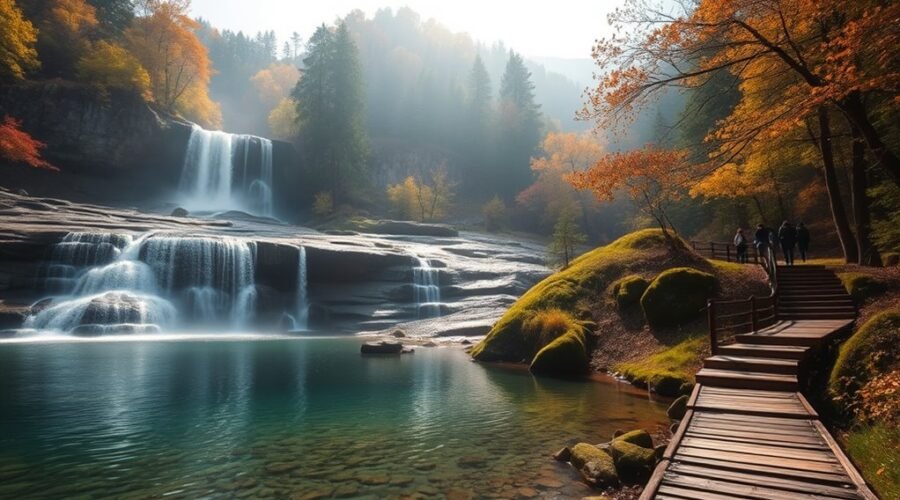
The best time to visit Güzeldere Waterfall depends on whether you care most about autumn color, lush spring scenery, warmer weather, or a quieter visit. For the best overall balance, late spring and early-to-mid autumn are the strongest choices. Autumn is especially attractive for foliage and photography, while spring brings fresh greenery and cooler hiking conditions.
Quick Answer
For most visitors, the best time to visit Güzeldere Waterfall is May to June or late September through October. Spring offers lush forest scenery and comfortable hiking weather, while autumn brings the park’s most famous foliage. Summer is warmer but busier, and winter can bring cold, wet, or slippery trail conditions.
Key Takeaways
- Best overall: May–June and late September–October.
- Best for autumn photography: Late September through October, with the exact color peak varying by year.
- Best for warm weather: July and August, although these are also the months when a nature park is most likely to feel busy on weekends.
- Best for quieter conditions: Weekday mornings, especially outside summer and public-holiday periods.
- Current published hours: 08:00–20:00.
- Important: The route toward the waterfall includes stairs and continuously damp surfaces, so footwear with good grip matters in every season.
Quick Guide: When to Visit Güzeldere Waterfall for Flow, Warmth, Foliage, or Savings
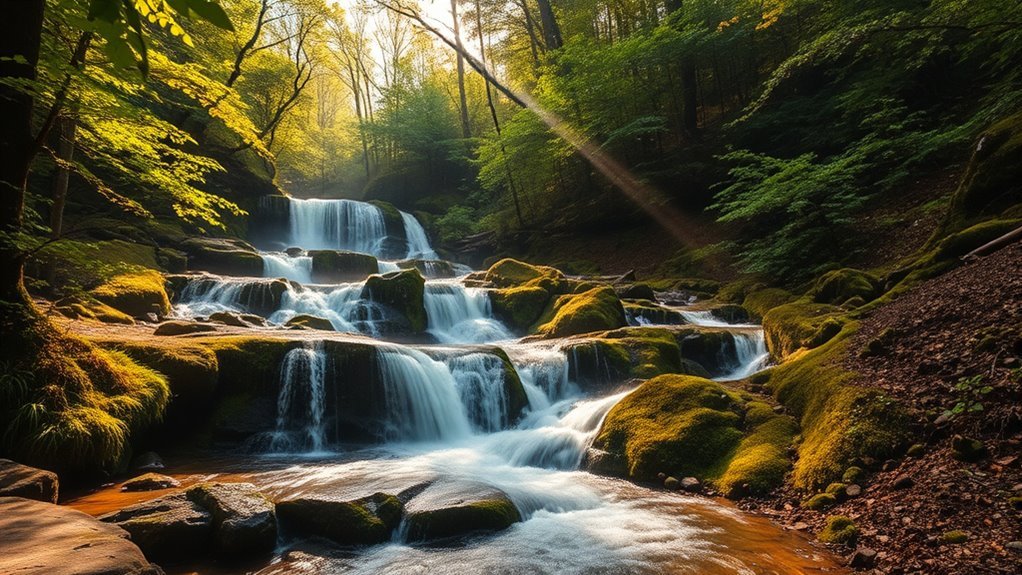
Choose your season according to what you want from the visit rather than assuming one month is perfect for everyone. Güzeldere Şelalesi Tabiat Parkı sits in a forested setting in Gölyaka, Düzce, and official tourism sources highlight spring and autumn as especially attractive periods.
If your priority is green forest scenery and comfortable hiking, May and June are strong choices. Düzce’s long-term climate normals show average daytime highs of about 23.9°C in May and 27.5°C in June, although the waterfall area is higher and forested, so conditions can feel cooler.
If you want warm, generally drier weather, July and August are the obvious choices. Düzce averages around 29.7–30°C for daytime highs in those months and has fewer average rainy days than most of the rest of the year. That does not guarantee a dry trail, however: mist, shade, recent rain, and spray can keep surfaces wet near the waterfall.
For fall color and softer photography light, aim for late September through October. The exact foliage peak changes with temperature, rainfall, wind, and elevation, so treat any precise peak date as an estimate rather than a guarantee.
Winter offers solitude and a very different landscape, but it is the least forgiving season for a casual visit. Cold temperatures, rain, frost, snow, or ice can make the stair system considerably harder to use.
For most travelers, Güzeldere is at its easiest to enjoy in spring or autumn: comfortable temperatures, strong forest color, and fewer heat-related trade-offs.
Güzeldere by Season: Waterflow, Weather & Access
Season affects the experience, but waterfall flow should not be treated like a fixed calendar event. Güzeldere is fed by Bıçkı Deresi, and the amount of water you see depends on recent precipitation and local conditions. There is no public official month-by-month discharge schedule that can guarantee a “roaring” or “low” waterfall on a particular date.
| Season | Best For | Main Trade-Off |
|---|---|---|
| Spring | Green forest, cool hiking, spring vegetation | Rain can make stairs and paths slippery |
| Summer | Warm weather, picnics, long daylight | More heat and potentially heavier weekend demand |
| Autumn | Foliage, photography, cooler walking weather | Falling leaves can hide wet roots or steps |
| Winter | Quiet scenery and winter atmosphere | Cold, rain, snow, frost, or ice can complicate access |
Warning: The official DKMP description says parts of the platform system stay continuously damp. Take warning signs seriously, use footwear with strong traction, and avoid rushing on stairs or wet surfaces.
Month-by-Month Weather and Waterflow at Güzeldere Waterfall
The most reliable month-by-month comparison comes from official Düzce climate normals rather than unsupported predictions about waterfall volume. These regional figures are useful for planning, but the nature park sits at a higher, forested location, so the actual temperature at the waterfall can differ.
| Month | Avg. High in Düzce | Avg. Rainy Days | What to Expect |
|---|---|---|---|
| January | 8.7°C | 15.0 | Cold and frequently wet; winter traction may be an issue. |
| February | 11.2°C | 14.5 | Still cool and damp; prepare for rapidly changing conditions. |
| March | 14.3°C | 14.3 | Early spring; cool mornings and wet ground remain common. |
| April | 19.3°C | 12.6 | Milder temperatures and fresh vegetation. |
| May | 23.9°C | 12.7 | One of the best all-around months for greenery and comfortable walking. |
| June | 27.5°C | 10.6 | Warm, long days with a good balance between spring scenery and summer weather. |
| July | 29.7°C | 6.7 | Hotter and regionally drier; arrive earlier to avoid the warmest part of the day. |
| August | 30.0°C | 6.2 | The warmest period; shaded forest helps, but the stair climb can still feel strenuous. |
| September | 26.5°C | 8.9 | Comfortable temperatures; foliage usually begins changing later in the month. |
| October | 21.5°C | 12.0 | Excellent for fall color and photography, with a greater chance of wet weather. |
| November | 15.9°C | 11.6 | Cooler, wetter, and quieter after the main foliage period. |
| December | 10.3°C | 16.1 | Cold and frequently wet; winter gear and extra caution are appropriate. |
Note: Climate normals describe typical Düzce weather, not the waterfall’s exact flow. Heavy rain shortly before your visit can change water levels and trail conditions quickly, while a dry spell can reduce flow even during a normally wet month.
Crowds: When to Expect Busy vs. Quiet Days
There is no official hour-by-hour crowd dataset for Güzeldere, so avoid treating statements such as “after 4 p.m. is always quiet” as fact. A better strategy is to plan around the park’s current published operating hours and normal visitor behavior.
The park currently lists a capacity of 684 visitors and 150 vehicles. Summer weekends, public holidays, and pleasant autumn weekends are the periods most likely to place pressure on parking, picnic areas, and the main viewing route.
For a quieter experience, enter close to the 08:00 opening time on a weekday. This also gives you more time for the staircase and return climb without feeling rushed before the 20:00 closing time.
Pro Tip: If photography matters, a weekday morning is more dependable than chasing a precise “quiet hour.” You gain cooler walking conditions, easier parking odds, and more time to wait for a clear viewpoint.
Costs & Getting There: Transport, Stays, and Seasonal Price Tips
Güzeldere Şelalesi Tabiat Parkı is in the Gölyaka area of Düzce. Current official access guidance is road-based. From Gölyaka, one documented route passes through Hacıyakup, Hamamüstü, and Güzeldere villages before reaching the nature park.
Official sources do not currently publish a dependable scheduled bus or shared-shuttle service directly to the park. For practical planning, treat a private car, taxi, or pre-arranged road transfer as the more reliable option for the final approach.
2026 Entrance Fees and Hours
The current Doğa Koruma ve Milli Parklar listing publishes the following prices and operating hours:
| Entry Type | Published 2026 Fee |
|---|---|
| Pedestrian | ₺60 |
| Bicycle | ₺60 |
| Motorcycle | ₺120 |
| Car | ₺180 |
| Minibus | ₺540 |
| Bus | ₺1,800 |
| Published opening hours | 08:00–20:00 |
The official listing also gives a capacity of 50 tents, so camping is part of the park’s managed use. Food, recreation, and accommodation services are also documented for the site.
Prices and operating arrangements can be revised, especially across calendar years or during temporary closures. The current official DKMP contact listed for the park is (380) 512 2163.
For budgeting, the admission price is only one part of the trip. Add fuel or transfer costs, food, accommodation if staying overnight, and any camping charge that applies to your setup. If you want to spend less, a weekday day trip with your own food and water is usually simpler than building the visit around restaurants and overnight accommodation.
Hiking Güzeldere Waterfall: Trail Access, Footing, and Safety
The waterfall area is explored through three arranged paths and a system of stairs. This is not a flat roadside viewpoint. The descent is followed by an uphill return, and the forest environment can leave stairs, platforms, roots, and nearby surfaces damp even when the wider region has been relatively dry.
Official DKMP information specifically warns visitors to pay attention to signs because the platforms can remain continuously moist. Wear shoes with a grippy sole and use railings where available.
If long stair climbs are difficult for you, judge the descent conservatively. Going down can feel easy at first, but the return requires sustained climbing. Families with young children should also allow extra time rather than treating the waterfall route like a short level walk.
Stay on marked paths. Leaving the prepared route can damage vegetation and expose you to steeper, wetter terrain.
Warning: Do not plan a swim or canyon wade simply because the weather is warm. Water depth, current, rock traction, and local restrictions can change. Follow posted instructions and keep out of the water where entry is prohibited or conditions are unsafe.
Emergency Planning
Do not depend on perfect cellphone reception in a forested valley. Coverage can vary by carrier and exact position, and no official park source guarantees continuous service along the trail.
- Charge your phone before leaving.
- Download your route or map for offline use.
- Carry basic first-aid supplies.
- Keep enough water for the descent and return climb.
- In an emergency in Turkey, call 112.
Packing & Day-Plan Checklist by Season
Pack for the trail surface first and the forecast second. Güzeldere is forested and damp around the waterfall, so sturdy footwear matters even during warm weather.
Seasonal Clothing Essentials
- Spring: light waterproof jacket, breathable layer, grippy waterproof or water-resistant shoes, spare socks.
- Summer: breathable clothing, sun protection, water, light rain layer, and shoes suitable for wet stairs.
- Autumn: light fleece or midlayer, rain shell, shoes with traction, and an extra layer for cooler mornings.
- Winter: insulated layers, waterproof outerwear, warm hat and gloves, and footwear suitable for cold wet surfaces.
A small daypack works well because it leaves both hands free for railings and balance on stairs.
Activity-Based Packing Items
For photography, bring only what you can comfortably carry back uphill. A compact tripod, lens cloth, spare battery, and protective bag for mist are more useful than a heavy collection of equipment.
For a picnic, bring water, simple food, reusable containers, and a bag for your waste. Food and other visitor services are available in the park area, but carrying your own water remains sensible.
Do not pack specifically for swimming unless current on-site rules clearly permit water entry in a designated area. The waterfall itself should be approached as a sightseeing and hiking destination rather than an assumed swimming hole.
Sample Itineraries: Spectacle, Solitude, and Budget Visits
These itineraries fit within the park’s currently published 08:00–20:00 operating window. Walking time varies with fitness, trail conditions, photography stops, and how far you descend, so the schedules include generous margins rather than pretending everyone completes the route at the same pace.
Spectacle Day Plan
This option works well for photographers and visitors who want time for both the waterfall and the surrounding recreation area.
- 08:00–09:00: Enter early, orient yourself, and begin the waterfall route while conditions are cooler.
- 09:00–11:30: Explore the prepared paths and viewpoints at an unhurried pace. Allow extra time for the return climb.
- 11:30–13:00: Rest, eat, and use the picnic or food-service area.
- 13:00–16:00: Explore the forested recreation area or take a longer break rather than repeating strenuous stairs in the hottest part of summer.
- Late afternoon: Photograph softer light if the season and weather cooperate, while leaving enough time to exit before closing.
There is no need to plan a night-photography sequence inside the park because the current public operating hours end at 20:00.
Solitude Morning Route
For the quietest practical start, arrive for the 08:00 opening on a weekday.
Go directly toward the waterfall route before spending time in the picnic or recreation area. Pause at prepared viewpoints, listen for birds, and take photographs without blocking stairs or railings.
Carry a light jacket outside midsummer, even if Düzce itself feels warm. The forest and waterfall spray can make the immediate area feel noticeably cooler.
Plan to be back near the main facilities by late morning. That gives you a calmer visit without relying on an unverified dawn-access arrangement.
Budget Half-Day
A simple half-day visit keeps spending and logistics under control:
- Arrive near 08:00: Enter early and avoid adding unnecessary stops before the main walk.
- Walk the waterfall route: Take your time on the stairs and viewpoints rather than rushing to meet an invented trail-time target.
- Take a packed snack or picnic break: Bringing your own basic food and water can reduce incidental spending.
- Leave around midday: This avoids turning a short waterfall visit into a full-day food and accommodation expense.
Photography Tips for Güzeldere Waterfall
Autumn is the standout season for color, but spring is excellent for green forest layers and fresh vegetation. Overcast weather can actually help waterfall photography because it reduces harsh highlights on white water and wet leaves.
- Use a lens cloth because waterfall mist can collect on the front element.
- A compact tripod can help with slower shutter speeds, but keep it clear of stairs and narrow platforms.
- Protect your camera from spray and rain.
- Do not climb beyond barriers for a cleaner angle.
- Remember that the park’s public hours currently end at 20:00, so plan sunset photography accordingly.
Facilities, Camping, and Accessibility
The park is more developed than the original article suggested. Current information documents picnic/recreation areas, food service, accommodation, camping, parking, and WC facilities.
That does not mean the waterfall itself is step-free. The prepared route uses paths and a substantial stair system. Visitors who cannot comfortably manage repeated stairs should treat the main recreation area and any easier upper viewpoints as a different experience from completing the full waterfall descent.
The official current listing gives a 50-tent capacity. Camping rules, site allocation, and overnight charges should be treated separately from the day-entry price.
Frequently Asked Questions
What is the best month to visit Güzeldere Waterfall?
May, June, September, and October are the strongest overall choices. Choose May–June for spring greenery and milder hiking, or late September–October for autumn color and photography. The exact foliage peak varies each year.
What are the current opening hours and entrance fees?
The current 2026 DKMP listing gives public hours of 08:00–20:00. Published fees are ₺60 for pedestrians or bicycles, ₺120 for motorcycles, ₺180 for cars, ₺540 for minibuses, and ₺1,800 for buses.
Can you swim at Güzeldere Waterfall year-round?
Do not plan on swimming at the waterfall. Swimming is not presented as a standard activity in the current official public park information, and conditions around a waterfall can include cold water, current, slippery rocks, and changing restrictions. Follow signs and staff instructions on the day you visit.
Are dogs allowed on the trail and at the waterfall?
The current public official park listing does not clearly publish a pet-specific admission rule, so it is better not to promise that every dog will be admitted under every circumstance. If visiting with a pet, keep it controlled and leashed and follow the rules posted at the entrance and within the protected area.
Is there cellphone reception or emergency help nearby?
No official source guarantees continuous cellphone reception on the waterfall route, so download essential information before entering the forest and keep your phone charged. Turkey’s unified emergency number is 112.
Are there restroom or changing facilities at the site?
WC facilities are listed among the park’s visitor services. Dedicated changing rooms are not clearly confirmed in the current official information, so do not rely on them for your visit.
Can I fly a drone for photos at Güzeldere Waterfall?
Do not assume that drone flight is automatically permitted. Turkey introduced an updated SHT-İHA framework on July 30, 2026, and legal flight depends on current SHGM requirements, pilot authorization, airspace status, and any protected-area restrictions. Check the current SHGM rules and obey on-site instructions before launching.
Is Güzeldere Waterfall suitable for visitors with limited mobility?
The main waterfall experience should not be considered step-free. The route includes paths and a significant stair system, and damp surfaces can increase difficulty. Visitors who cannot comfortably manage repeated stairs may prefer the easier recreation areas and accessible viewpoints available near the upper part of the park.
Conclusion
For most travelers, late spring and early-to-mid autumn offer the best balance at Güzeldere Waterfall. May and June bring fresh forest scenery and comfortable walking conditions, while late September and October are best for autumn color and photography. Summer works well if warmth matters most, but an early weekday start is preferable.
Whatever the season, plan around the park’s current 08:00–20:00 hours, wear shoes with good traction, allow enough energy for the return stair climb, and treat waterfall flow as weather-dependent rather than guaranteed by month. With those basics covered, Güzeldere is an easy place to appreciate for what makes it special: a tall forest waterfall, rich seasonal color, and one of Düzce’s most distinctive protected landscapes.
Sources
- Doğa Koruma ve Milli Parklar Genel Müdürlüğü — Doğa Turizmi Web Uygulaması: current operating hours, 2026 entrance fees, capacity, contact information, and access guidance.
- Düzce İl Kültür ve Turizm Müdürlüğü: nature-park status, location, waterfall characteristics, walking routes, and regional tourism information.
- T.C. Tarım ve Orman Bakanlığı, DKMP 9. Bölge Müdürlüğü: stair/path system and wet-platform safety information.
- Meteoroloji Genel Müdürlüğü: official Düzce 1991–2020 climate normals used for monthly temperature and rainfall-day comparisons.
- Sivil Havacılık Genel Müdürlüğü: July 30, 2026 update to Turkey’s SHT-İHA drone framework.
- T.C. İçişleri Bakanlığı 112 Acil Çağrı Merkezi: Turkey’s unified emergency number.