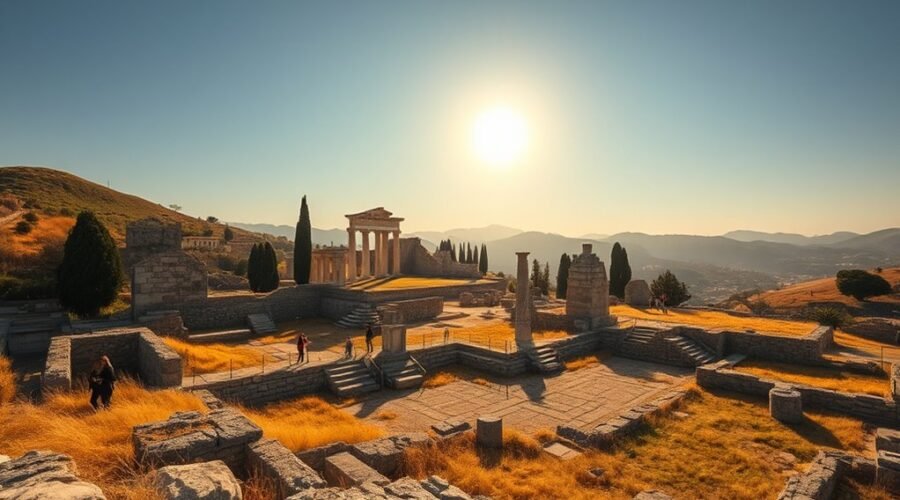
If you want clear skies, comfortable hikes, and lower prices at Hadrianopolis in Karabük, late spring and early autumn are hard to beat. You’ll find mild mornings, vivid foliage or fresh greenery, and light that flatters the ruins — with far fewer crowds than July and August. Pack layers and a good pair of shoes; a few timing tips will help you get the best light and avoid the busiest days, so you can…
Key Takeaways
- Late spring (May–June) offers mild weather, blooming landscapes, good light for ruins, moderate crowds, and midrange accommodation prices.
- Early autumn (September–October) has crisp air, vivid foliage, thin crowds, cooler hiking conditions, and reasonable midweek rates.
- Summer brings hot days, long evenings, peak crowds, higher lodging costs, and abundant festivals and local cuisine.
- Winter is quiet with snow‑dusted ruins, lowest prices, limited transport access, and a need for insulated clothing and local guides.
- For best value and access to ruins and hikes, choose April–June or September–October and book midweek to lower costs.
Best Months to Visit Hadrianopolis, Karabük (Quick Answer)
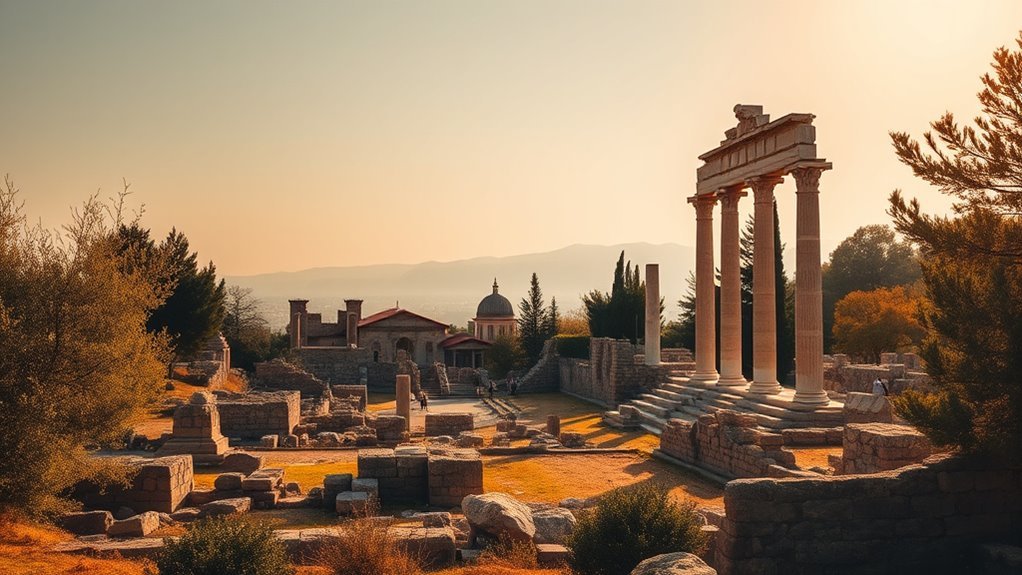
If you want the sun on ancient stones without the midsummer crowds, plan your visit to Hadrianopolis in late spring (May–June) or early autumn (September–October).
You’ll find mild days that coax you into wandering ruined streets at dawn, when light carves relief from limestone and dust.
These months free you from oppressive heat and tourist lines, letting you move at your own pace through temples, baths, and quiet agora corners.
Escape the heat and crowds—roam temples, baths, and silent agora corners at your own pace.
Timing your trip for festival weekends plugs you into cultural festivals that celebrate music, craft, and the region’s resilient spirit; streets swell with conversation and informal performances.
Between explorations, you’ll taste local cuisine—simple, bold dishes that anchor you to place and offer small acts of reclamation.
Travel then, and you’ll claim more than photos: you’ll reclaim time, space, and the liberty to listen, to linger, to choose the route that calls to you without hurry or compromise.
Seasons at Hadrianopolis: Overview
While the ruins wear a different mood with each turn of the calendar, Hadrianopolis stays legible—sunlight and rain sketching the same stones in new ways—so you can plan not just around weather but around how you want to feel there.
You’ll notice seasons here shift the site’s rhythm: long, golden summers invite slow wandering and picnics among columns; crisp autumns dramatize shadows and make solitary contemplation sharp; winters strip the landscape to bones, offering fierce quiet and the chance to claim space without crowds; brief springs wake carpets of green and scent, hinting at renewal.
Each season frames different freedoms — to linger, to move fast, to bend rules of routine.
Seasonal change also colors cultural festivals and what you eat: local cuisine vendors adapt menus, and event timing brings communal life to the ruins.
Know how you want to feel, then choose the season that amplifies that feeling.
Spring (Mar–May): Mild Hikes and Blooms
Because the air warms gently and the hills green quickly, spring is when Hadrianopolis feels most alive without feeling crowded. You’ll wander old stone paths beneath budding oaks, breathing a clean urgency that loosens whatever’s held you back. Trails are soft, streams run clear, and every viewpoint offers a small, defiant promise of freedom — you can choose a quiet ridge or follow a low trail to a forgotten ruin.
Markets fill with early herbs and cheeses; local cuisine tempts you to linger over slow breakfasts and fragrant teas. Small cultural festivals pop up in village squares, showcasing bands, crafts, and communal meals that invite you to join rather than observe. Mornings suit brisk hikes; afternoons are for lingering in shade, sketching, or talking to a baker about bread techniques. Nights are cool and open, stars unspoiled. You’ll leave lighter, with pockets of solitude and a mind reset, ready to move on or stay awhile longer.
Summer (Jun–Aug): Long Days and Hot Weather
Though the days stretch hot and luminous, Hadrianopolis keeps an easy, sun-drenched rhythm that invites you outdoors early and again as evening cools.
You wake with the light, slipping into narrow streets before the heat peaks, tasting strong coffee as vendors arrange figs and olives.
Midday asks you to slow down—shade beneath plane trees, a book, or a languid swim where the river widens and glints like molten metal.
Afternoons still pulse with possibility: guided ruins tours end before the worst of the sun, and small cafés hum with conversation about where to catch tonight’s music.
When dusk arrives, the town loosens.
You join locals at night festivals, feet dusty, laughter easy, fireworks framing ancient stone.
River cruises offer a different freedom—cool breezes, city lights mirrored on the water, and quiet moments to plan your next escape.
Summer here is bold, but it’s a season that rewards those who move with its tempo.
Autumn (Sep–Nov): Clear Skies and Fall Color
Come autumn, you’ll find mild temperatures that make wandering the ruins comfortable without the summer heat.
For a few peak foliage weeks, the hills around Hadrianopolis shift to amber and crimson beneath clear, crisp skies.
With fewer tourists, you’ll have quieter paths and better chances of a private, contemplative walk through the color.
Mild Temperatures
When autumn settles over Hadrianopolis, the days stay pleasantly mild and invite you to wander through amber-lit streets and forested hills without the summer heat or winter bite.
You’ll move freely between open-air cultural festivals and cozy taverns serving local cuisine, savoring flavors that mirror the season’s calm.
Mornings hold a crisp clarity that sharpens ruins and rooftops; afternoons warm just enough for a lingering coffee on a stone bench.
You’ll shed layers as shadows lengthen, then add a scarf for twilight walks that taste of wood smoke and promise.
These temperatures let you plan without compromise: daytrips, market browsing, or simply losing yourself in narrow lanes, liberated by weather that feels made for roaming.
Peak Foliage Weeks
As autumn deepens between September and November, Hadrianopolis lights up in a riot of ochre, crimson, and gold, and you’ll find every lane, ruin, and riverside trail framed like a painting.
You’ll walk under canopies that crackle with color, breathe cooler air, and feel a lightness that urges you to wander farther.
Peak foliage weeks swell with sharp light that sculpts ancient stones and private moments—perfect for photographers and anyone hungry for release.
Streets host intimate local cultural festivals where music and craft mingle with the scent of roasting chestnuts and local cuisine, inviting you to taste freedom in small plates.
Move slowly, follow the river, and let the season strip away the unnecessary until you stand clear-eyed and renewed.
Lower Tourist Density
Because the streets thin out and the crowds loosen their grip, you’ll find Hadrianopolis slipping into a quieter, almost secret rhythm in autumn.
You can walk ancient lanes with space to breathe, discovering shuttered shops painted in amber light and terraces where vendors still hawk roasted chestnuts during small local festivals.
Fewer tourists mean you decide the pace: linger at ruined arches, join a spontaneous harvest celebration, or chase the last golden hour without jostling.
Evenings invite solitary exploration—your tripod and instincts will pay off for night photography beneath starlit domes and softly lit façades.
This season hands you freedom: clear skies, crisp air, and room to move, see, and be unhurried.
Winter (Dec–Feb): Snow, Solitude, and Access Limits
Though roads can be quiet and some trails are closed, winter turns Hadrianopolis into a spare, snow‑dusted landscape you’ll feel more than see: ancient stonework peeks through white drifts, fog hangs low in the valley, and the village moves at a slower, deliberate pace.
You’ll walk with intention, breath visible, discovering silent courtyards and shuttered inns that make history feel private.
Short daylight hours push you toward intimate moments: a hearthside conversation, a lone chapel warmed by candles.
Limited access means planning — check road clearances and local guides — but that constraint frees you from crowds and the tyranny of itineraries.
Seasonal events like small snow festivals and focused cultural workshops surface in town, raw and grassroots, inviting hands-on learning rather than passive viewing.
Embrace the austerity: slow travel here strips away artifice, reveals textures of stone and snow, and lets you choose solitude as a kind of radical rest before routes reopen in spring.
Crowd Levels & Costs for Hadrianopolis by Season
When you time your visit, you’ll notice Hadrianopolis shifts between hushed solitude and lively bustle, and those rhythms directly shape prices and availability.
In winter, you’ll find near-empty ruins and low rates for lodging; transport can be scarce, but solitude lets you claim sites without compromise.
Spring loosens the town’s seams as daytrippers arrive for local cultural festivals and blooming trails—demand rises moderately, and guesthouses lift rates; you can still score midweek bargains if you’re flexible.
Summer brings spirited crowds, higher prices, and limited last‑minute options as travelers chase warm weather and street life; culinary specialties are abundant but lines and premiums follow popularity.
Autumn cools both tempo and costs; weekends fill with locals savoring harvest menus, yet midweek stays drop to approachable levels.
If you crave freedom, plan around pulse and price: pick quieter weekdays in shoulder seasons for liberated wandering, or embrace peak energy when you want connection and don’t mind paying more.
Best Months for Ruins, Hikes, Photos, and Events
If you want sunlit mosaics, quiet exploration, vivid trail colors, and lively local events, plan for April–June and September–October.
You’ll find ruins bathed in warm, angled light that brings frescoes and carved stones to life without the summer crush. Trails unfurl in emerald and rust; mornings smell of pine and wet earth, afternoons offer clear vistas that make photography feel like claiming a new freedom.
In spring, wildflowers punctuate ancient walls and you can wander without timetable pressures.
In early autumn, cooler air sharpens shadows and crowds thin, so your camera and your thoughts move easily.
Check calendars for local cultural festivals—small parades, craft markets, and music that pulse with regional identity—and seek out culinary specialties at village tables where recipes have resisted homogeny.
Consult local calendars for lively festivals—street parades, artisan markets, and regional music, then savor village dishes rooted in tradition.
These months let you explore ruins, hike open ridges, frame striking images, and join events that nourish both curiosity and the appetite for autonomy.
Packing & Logistics for Hadrianopolis by Season
Because seasons shape every step in Hadrianopolis, pack with intention: light layers and sun protection for spring and autumn, breathable gear and a wide-brim hat for summer, and insulated outerwear plus waterproof boots for winter hikes.
You’ll want a compact daypack that holds water, a weatherproof jacket, and a small first-aid kit; choose local gear where possible to support artisans and travel lighter.
Swap heavy books for a lightweight guide or downloaded maps, and bring a power bank to capture ruins at dawn.
For evenings, pack a scarf or thermal layer that doubles as a modesty piece in villages.
Your choices should free you to explore ruins, trails, and markets without burden.
Leave space for tasting local cuisine—sturdy shoes that let you chase street stalls, and an appetite for smoky kebabs and fresh cheeses.
Travel with intentional simplicity, so every item earns its place and every moment feels like liberation.
Practical Tips: Transport, Accommodations, and Safety
Plan your moves around Hadrianopolis with a blend of flexibility and local savvy—bus schedules and rural roads can shift without warning, and taxis or rented cars often fill the gaps better than strict timetables.
You’ll find local transport is resilient: dolmuş minibuses thread villages, seasonal buses link ruins and towns, and drivers often know shortcuts the maps don’t show.
Choose guesthouses or small boutique hotels to wake to honest breakfasts and host tips that guide your wanderings; book peak-season rooms early, but leave space for spontaneous detours.
Check visa requirements well before travel and carry digital copies; border rules can change, and you’ll want paperwork settled to move freely.
Stay aware at night, keep valuables discreet, and trust your instincts in quiet lanes.
Embrace slow mornings, bold afternoon explorations, and safe returns—freedom here comes from planning with curiosity, not rigid itineraries, letting the landscape and locals shape your journey.
Frequently Asked Questions
Are English-Speaking Guides Available at the Site?
Yes — you can hire English-speaking guide tours; you’ll meet guides who’ll explain ruins vividly, and you should check guide credentials beforehand to guarantee they’re certified, respectful, and committed to freeing your curiosity and travel spirit.
Is Hadrianopolis Wheelchair Accessible?
Yes — you can explore much of Hadrianopolis with mobility needs; stone courtyards still challenge, but wheelchair ramps and accessible pathways let you glide past ruins, feel sun-warmed marble, and claim freedom among ancient stones.
Can I Drink Tap Water in Nearby Towns?
Generally no — you shouldn’t drink tap water in nearby towns; tap water safety varies, and local water quality can be uncertain. Carry filtered bottles, savor liberated travel, and trust proven sources for your daily refreshment.
Are Drones Permitted Over the Ruins?
Gently hopeful, you should know drones aren’t freely allowed; local drone regulations and flight restrictions mean you’ll need permits and must avoid fragile ruins. You’ll want to request official permission and respect protected zones for liberation.
Is Mobile Phone Signal Reliable at the Site?
You’ll find mobile signal strength uneven; network coverage picks up near parking and main paths but falters among ruins and valleys. Embrace that patchy connection—it’s freeing, forcing you to disconnect, observe, and wander without tether.
Conclusion
You’ll want late spring or early autumn — unless you enjoy baking under a merciless sun or playing hide‑and‑seek with tour buses. Come in May–June for soft mornings and green slopes, or September–October for crisp air and perfect photo light; both give cooler hikes, thinner crowds, and kinder prices. Pack sensible layers, sensible shoes, and an even more sensible sense of wonder: Hadrianopolis rewards the curious, not the scorched or the stampeding.