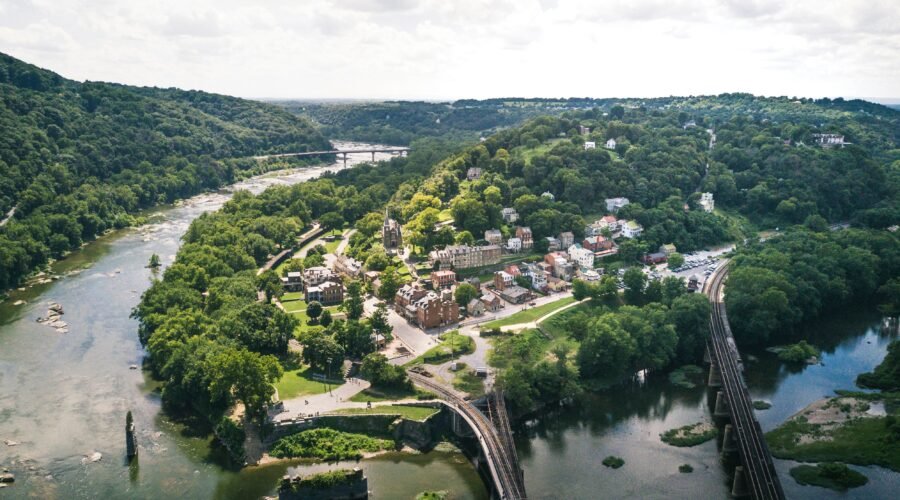
Choosing the best time to visit Harpers Ferry, West Virginia, comes down to what matters most to you: comfortable hiking weather, fall color, lighter crowds, river recreation, or lower lodging demand. For most travelers, late spring and early fall offer the easiest balance. October is especially scenic, but its foliage weekends can also be some of the busiest.
Quick Answer
For the best balance of comfortable weather and manageable crowds, visit Harpers Ferry in May or September. Choose October for fall foliage, but expect heavier weekend traffic. January and February are quieter and can be cheaper, while July and August bring heat, humidity, and some of the year’s strongest visitor demand.
Key Takeaways
- Best overall balance: May and September offer comfortable outdoor conditions without the full midsummer heat.
- Best for fall color: October is the standout month, but weekends can be very busy.
- Best for fewer visitors: January, February, early March, and late November are generally quieter.
- Best for summer river trips: June through August can work well for guided paddling or tubing, but heat, humidity, storms, and changing river conditions matter.
- Best strategy for busy periods: Visit on a weekday, park at the main Visitor Center, and use the park shuttle to Lower Town.
1. Spring: Mild Weather and Fresh Greenery (March-May)
Spring in Harpers Ferry is a gradual shift from cold, quiet winter conditions to green hillsides, longer days, and busier trails. Early spring can still be chilly and wet, while May is one of the easiest months for combining history, hiking, and time outdoors.
Early Spring (March-April): Quiet With Changeable Weather
- Weather Snapshot: March can still feel wintry, especially in the morning and at night. April is milder, but rain, cool spells, and muddy trail sections are still possible. The National Park Service notes that Harpers Ferry has large seasonal temperature swings and receives precipitation throughout the year. See the National Park Service weather overview.
- Crowd Levels: March is usually one of the quieter months. Visitor activity picks up during April as temperatures improve and spring weekends become more appealing.
- Cost Considerations: Lodging demand is generally lower than during summer and peak fall weekends, although actual hotel and rental prices vary by date and property.
- What to Expect: Trees begin budding, early wildflowers appear, and trails may be wet or muddy. Pack layers, a rain shell, and shoes with reliable traction.
Late Spring (May): One of the Best All-Around Months
- Weather Snapshot: May usually brings warmer days and greener scenery without the persistent midsummer heat. Rain is still possible, so check the forecast rather than assuming a dry day.
- Crowd Levels: Visitor numbers rise as the weather improves. Weekdays are usually easier than weekends, and Memorial Day can increase demand.
- Cost Considerations: Lodging prices often rise with spring demand. Booking ahead is a good idea for popular weekends.
- What to Expect: May is well suited to hiking, sightseeing, photography, and exploring the historical areas. Longer daylight also makes it easier to combine Lower Town with a trail or battlefield area in one day.
If you’re planning a trip to Harpers Ferry and want to know more about the people behind our travel content, you can meet our team.
2. Summer: Warm Weather and High Visitor Demand (June-August)
Summer brings long daylight hours, green scenery, family travel, and plenty of outdoor activity. It also brings heat, humidity, thunderstorms, and heavier visitor demand. The National Park Service says Harpers Ferry’s average summer high is about 82°F, with temperatures reaching 90°F or higher on many days during a typical year.
Early Summer (June): Long Days and Growing Crowds
- Weather Snapshot: June is warm and can be humid. It is also the month the NPS identifies as receiving the most precipitation on average, so afternoon showers or storms should be part of your planning.
- Crowd Levels: Visitor demand builds as schools close for summer. Weekends can feel noticeably busier around Lower Town, popular overlooks, and trail access points.
- Cost Considerations: Lodging demand is generally stronger than in winter or early spring. Compare rates and reserve early if your dates are fixed.
- What to Expect: Hiking and sightseeing remain popular. Cycling can also be part of a Harpers Ferry trip, especially along suitable cycling corridors such as the C&O Canal towpath, but bicycles are not allowed on Harpers Ferry National Historical Park’s hiking trails.
Mid-to-Late Summer (July-August): Hot, Humid and Busy
- Weather Snapshot: July is the hottest month according to the National Park Service. Hot days can reach the 90s, and humidity may make strenuous hikes more demanding.
- Crowd Levels: July is among the busiest periods of the year. August remains popular, especially on weekends. Starting early in the morning can make parking, hiking, and sightseeing easier.
- Cost Considerations: Strong summer demand can reduce lodging availability. Prices vary by property and date, so compare options rather than assuming a fixed seasonal rate.
- What to Expect: Long daylight supports full sightseeing days. For strenuous hikes, consider starting early, carrying plenty of water, and avoiding the hottest part of the afternoon.
Warning: Do not treat the Potomac or Shenandoah as ordinary swimming areas. The National Park Service strongly discourages swimming because currents, deep holes, rapids, strainers, submerged debris, and changing depths can create serious hazards. No lifeguards are present. For boating or paddling, follow current river conditions and use a U.S. Coast Guard-approved life jacket. See the official Harpers Ferry NHP safety guidance.
3. Autumn: Fall Color and Excellent Hiking Weather (September-November)

Autumn is one of the most appealing seasons in Harpers Ferry. Temperatures become more comfortable for hiking, humidity usually eases, and the wooded ridges change color. The trade-off is that peak foliage can attract large numbers of day-trippers, especially on October weekends.
Early Autumn (September): Strong Overall Balance
- Weather Snapshot: September is usually warmer than October but more comfortable than midsummer. Evenings begin cooling as the month progresses.
- Crowd Levels: Summer vacation traffic starts to ease after Labor Day, although the park can still be busy. Recent visitation patterns make September a useful compromise rather than a genuinely empty month.
- Cost Considerations: Lodging demand can remain moderate to high on desirable weekends, so advance booking still helps.
- What to Expect: September is one of the strongest months for travelers who want hiking, history, green-to-early-fall scenery, and fewer heat concerns than July.
Mid-Autumn (October): Best for Fall Foliage, Not for Low Crowds
- Weather Snapshot: October brings cooler days and crisp mornings. Conditions can be excellent for hiking, but rain, wind, and temperature swings still occur.
- Crowd Levels: October is a major foliage month and can be one of the busiest times to visit, particularly on weekends. If possible, choose Monday through Thursday.
- Cost Considerations: High fall demand can push lodging rates upward and reduce availability on prime weekends.
- What to Expect: This is the season for colorful ridge views, scenic photography, and cool-weather walks. Peak color does not fall on exactly the same dates every year because temperature, rainfall, wind, and elevation affect leaf change.
Pro Tip: On busy fall weekends, use the main Harpers Ferry National Historical Park Visitor Center parking lot at 171 Shoreline Drive rather than searching for a space in Lower Town. NPS describes Lower Town parking as extremely limited. Shuttle buses normally run between the Visitor Center and Lower Town every 10–15 minutes while the service is operating.
Late Autumn (November): Cooler and Quieter
- Weather Snapshot: November is noticeably colder, especially after sunset. Rain, frost, and occasional early snow or ice are possible.
- Crowd Levels: Visitor demand generally declines after the main foliage period, making later November more appealing if quiet exploration matters more than leaf color.
- Cost Considerations: Lodging demand may ease after the foliage season, although holiday weekends and individual properties can behave differently.
- What to Expect: By later November, many trees will have lost their leaves. The open woodland can reveal views that are partly hidden during summer, while cooler temperatures reward warm layers.
4. Winter: Quiet Streets and Cold Conditions (December-February)

Winter turns Harpers Ferry into a much quieter destination. Bare trees open some views, visitor demand drops, and cold weather changes how you plan a day. Snow is possible, but it should not be assumed. Ice, wind, short daylight, and freezing temperatures can matter just as much.
Early Winter (December): Quiet With Holiday Activity
- Weather Snapshot: December is cold, with below-freezing nights possible. Snow or ice may occur, but conditions vary from year to year.
- Crowd Levels: Most of December is much quieter than summer or October, although holiday events can make selected weekends busier.
- Cost Considerations: Lower seasonal demand can produce good lodging value, but prices still depend on the property, weekend, and holiday calendar.
- What to Expect: Short daylight means less time for long hikes. Build your day around museum hours, trail conditions, and sunset.
Mid-to-Late Winter (January-February): The Quietest Period
- Weather Snapshot: January is the coldest month according to NPS climate information. Freezing temperatures, snow, ice, and strong winds are all possible.
- Crowd Levels: January and February are typically among the quietest months, making them attractive if solitude matters more than mild weather.
- Cost Considerations: Winter commonly brings lower lodging demand, which can help budget travelers find competitive rates.
- What to Expect: Trails may be wet, icy, snowy, or completely clear depending on recent weather. Wear insulated layers and footwear with good traction, and check current conditions before committing to a strenuous hike.
If you’re comparing Harpers Ferry with other destinations or planning a broader trip, you can browse more travel information at Lele Tours.
5. Best Time to Visit Harpers Ferry by Month and Interest
| Month | Typical Conditions | Crowd Tendency | Best For |
|---|---|---|---|
| January | Cold; snow or ice possible | Very low | Quiet visits, budget travel |
| February | Cold; gradually longer days | Very low | History without crowds |
| March | Cool and changeable | Low | Early-season value |
| April | Mild; rain and mud possible | Moderate | Spring scenery, hiking |
| May | Comfortably warm and green | Moderate to high | Best overall balance |
| June | Warm, humid; storms possible | High | Long outdoor days |
| July | Hot and humid | Very high | Summer recreation |
| August | Hot and humid | High | Long days, river outfitters |
| September | Warm to mild | Moderate to high | Best overall balance |
| October | Cooler; strong fall color | High, especially weekends | Fall foliage, photography |
| November | Cool to cold | Moderate to low | Quiet hiking, history |
| December | Cold; short daylight | Low | Quiet visits, holiday atmosphere |
These are planning tendencies, not guarantees. Weather, fall color, lodging prices, event schedules, and visitor levels change from one year and weekend to another.
Harpers Ferry National Historical Park recorded 537,876 recreation visits in 2025, up from 488,049 in 2024. Choosing a weekday can make a meaningful difference during the busiest summer and fall periods.
For Hiking and Outdoor Adventures
- Ideal: May, September, and cooler October weekdays.
- Why: These periods usually avoid the worst summer heat while still offering enough daylight for longer walks.
- Consider: April for cooler temperatures and fewer visitors, but expect possible mud and rain.
- Avoid: Hot summer afternoons if you are sensitive to heat or planning a strenuous climb.
Harpers Ferry National Historical Park has about 22 miles of hiking trails, ranging from easy riverside walks to longer and steeper routes. NPS recommends carrying your own water because drinking water is not available on the trails. Check the official hiking information and current trail alerts before setting out.
For History Buffs
- Ideal: Any season, with spring, late autumn, and winter offering a quieter pace.
- Why: Lower visitor levels make it easier to spend time with exhibits and historic sites without rushing.
- Consider: January or February if quiet is your top priority and you are comfortable with winter weather.
- Avoid: The busiest summer and fall weekends if you prefer uncrowded museums and streets.
For Budget Travelers
- Ideal: January, February, March, and parts of late November.
- Why: These periods generally have lower visitor demand than summer and peak foliage weekends.
- Consider: Traveling Sunday through Thursday, because weekend demand can affect prices in almost any season.
- Avoid: Assuming that every winter date will be cheap or every summer date expensive. Lodging rates are dynamic and should be checked for your exact dates.
For Fall Foliage
- Ideal: October is usually the main month to target.
- Why: Hardwood forests around the rivers and surrounding ridges can produce excellent red, orange, and yellow color.
- Consider: Late September or early November if you value lighter crowds more than catching the strongest color.
- Plan Carefully: Peak foliage dates shift each year, so check current regional foliage reports shortly before your trip.
6. Special Events and Practical Planning
Special programs, races, living-history demonstrations, holiday activities, and community events can change traffic and lodging demand. Event dates are not reliable enough to treat as permanent annual dates, so check current schedules before booking.
Events That Can Affect Crowds
- Living-History and Historic Programs: Harpers Ferry National Historical Park regularly offers ranger-led and special historical programming. Exact dates and themes change.
- Fall Weekends: Peak foliage is effectively a high-demand event even when no formal festival is scheduled.
- Holiday Activities: December events can make selected weekends livelier than a typical winter day.
- Regional Races and Outdoor Events: Running, hiking, paddling, and community events may temporarily affect parking, roads, restaurants, or accommodations.
In 2026, Harpers Ferry National Historical Park has also hosted special programming connected with the United States’ 250th anniversary. Because schedules change, verify current programs through the official National Park Service Harpers Ferry planning pages.
Parking and Shuttle Strategy
Parking deserves more attention than many first-time visitors expect. The National Park Service recommends using the main Visitor Center parking area at 171 Shoreline Drive for Lower Town sightseeing. Lower Town parking is extremely limited and often fills.
The park shuttle connects the Visitor Center with Lower Town and normally runs every 10–15 minutes while operating. Riding the shuttle is included with the park entrance fee. Check the current shuttle schedule before your visit because evening service changes by season.
Current 2026 Maryland Heights Access Note
Note: As of September 1, 2026, the National Park Service reports that the Goodloe Byron Memorial Footbridge, which normally provides access toward the Maryland Heights Trail from Harpers Ferry, is closed for construction. The trail itself remains open, but NPS says access is challenging and recommends considering other trails. Check the official hiking page immediately before your trip because this situation can change.
Entrance Fees and Park Hours
- Private vehicle: $20 for a three-consecutive-day entrance pass.
- Motorcycle: $15.
- Per person: $10 for visitors age 16 or older arriving on foot or bicycle.
- Harpers Ferry annual pass: $35.
The park is cashless for entrance-pass purchases. Confirm current prices on the official NPS fees page before traveling.
Harpers Ferry National Historical Park is open year-round except Thanksgiving Day, December 25, and January 1. The Visitor Center and Lower Town park museums and exhibits generally operate from 9 a.m. to 5 p.m. Trails and parking areas have separate daylight-based operating times, so verify the current schedule if you plan an early or late outing.
Things to Book or Check in Advance
- Accommodation: Reserve earlier for summer weekends, October foliage trips, holidays, and major local events.
- Guided Tours and River Activities: Check availability and cancellation policies before your trip. River trips can be affected by water level and weather.
- Restaurants: Popular places may have waits during peak weekends.
- Trail Conditions: Review NPS alerts for construction, weather damage, closures, and access changes.
- Weather: Check the forecast shortly before departure, particularly for heat, thunderstorms, winter ice, or strong winds.
Weather Preparedness for Each Season
- Spring: Bring layers, rain protection, and shoes that can handle mud or wet stone.
- Summer: Wear light clothing, sunscreen, and a hat. Carry plenty of water and plan strenuous hikes for cooler hours.
- Autumn: Layers work best because mornings and evenings can be much cooler than midday.
- Winter: Bring warm layers, gloves, a hat, waterproof footwear, and traction suitable for icy conditions when needed.
By matching the season to your priorities, you can choose a Harpers Ferry trip that fits your preferred weather, crowd level, and activities instead of relying on a single “perfect” month. For most travelers, May and September are the easiest compromises; October wins for foliage, while winter wins for quiet.
Frequently Asked Questions
What is the best time of year to visit Harpers Ferry, West Virginia?
May and September are strong choices for a balance of comfortable weather and manageable crowds. October is best if fall foliage is your priority, but it can be much busier on weekends. Winter is better for travelers who value quiet and are comfortable with cold weather.
What is the weather like in Harpers Ferry throughout the year?
Harpers Ferry has four distinct seasons. Summers are warm and humid, with July the hottest month. Winters are cold, with January the coldest month. Spring and autumn generally provide milder hiking weather, but rain, storms, wind, snow, or temperature swings can occur depending on the season.
When are crowds highest in Harpers Ferry?
Summer and the October foliage period can be particularly busy. July is one of the strongest visitor months, and October weekends can fill Lower Town and popular hiking areas. Weekday visits usually offer an easier experience.
How much does Harpers Ferry National Historical Park cost to enter?
As of September 2026, a private-vehicle entrance pass is $20 and is valid for three consecutive days. Motorcycle admission is $15, and the per-person fee for visitors age 16 or older arriving on foot or bicycle is $10. Check the official NPS fees page before travel in case rates change.
Where should I park when visiting Harpers Ferry?
For most Lower Town visits, use the main National Park Service Visitor Center parking lot at 171 Shoreline Drive and take the shuttle. Lower Town parking is extremely limited and often fills, particularly on busy weekends.
Can you swim in the Potomac or Shenandoah at Harpers Ferry?
The National Park Service strongly discourages swimming in both rivers because of currents, deep holes, rapids, strainers, submerged debris, changing depths, and the absence of lifeguards. Follow current river-safety guidance and use a U.S. Coast Guard-approved life jacket for boating or paddling.
Is October a good time to visit Harpers Ferry?
Yes. October is one of the best months for fall scenery and cool-weather hiking. The disadvantage is crowding: foliage weekends can be among the busiest periods of the year. A weekday visit is usually the better option if your schedule is flexible.
Are there annual events or festivals I should plan around?
Yes, but event schedules change from year to year. Harpers Ferry hosts historical programs, community events, races, holiday activities, and outdoor events that can affect parking and lodging demand. Check the official National Park Service and local event calendars for the dates of your trip rather than relying on a fixed annual schedule.
Sources
- National Park Service — Harpers Ferry Weather — climate, seasonal temperatures, humidity, and precipitation.
- National Park Service — Fees & Passes — current entrance fees and pass validity.
- National Park Service — Parking — Visitor Center parking, Lower Town limitations, and parking guidance.
- National Park Service — Getting Around — shuttle operations and seasonal service information.
- National Park Service — Hiking — trail rules, hazards, water guidance, and current Maryland Heights access information.
- National Park Service — Frequently Asked Questions — river hazards, swimming guidance, parking, and visitor planning information.