Planning a trip to Jura, Switzerland, is mostly about matching the season to what you want to do. Summer gives you long days for hiking and cycling, winter brings snow sports when conditions cooperate, and late spring or early autumn can offer a quieter balance of outdoor access and value. This guide focuses mainly on the Canton of Jura while noting a few attractions in the wider Jura & Three-Lakes region where relevant.
Quick Answer
For most travelers, May, September, and early October offer an excellent balance of comfortable outdoor weather, lighter visitor pressure, and good value in Jura. Choose June through August for the easiest hiking and cycling conditions, while winter is best for snow activities only when current snow reports confirm suitable conditions.
Key Takeaways
- May, September, and early October are strong all-around choices if you want manageable crowds, outdoor activities, and reasonable value.
- June through August is best suited to hiking, cycling, riverside activities, and long sightseeing days.
- Winter conditions depend heavily on elevation and snowfall, so check the official Jura snow report before planning a snow-focused trip.
- Weather can differ considerably between lower valleys and high plateaus, so a single temperature range cannot describe the whole region.
- Qualifying overnight guests can currently receive the JURA-PASS, which includes public-transport benefits and activity discounts.
Note: “Jura” can refer to the Swiss canton, the wider Jura mountain arc, or the Jura & Three-Lakes tourism region. This guide centers on the Canton of Jura. Places such as Lake Biel and some chocolate or cheese attractions mentioned below belong to the wider regional tourism area rather than the canton itself.
Summer: Best for Hiking, Cycling, and Long Days
Summer in Jura, generally from June through August, is the easiest season for travelers who want to spend most of their time outdoors. Trails are usually at their most accessible, daylight is long, and the region’s forests, pastures, rivers, and villages are easy to combine in one itinerary.
Weather in Summer
Expect summer to be the warmest part of the year, but do not plan around one fixed temperature range. Jura has substantial elevation changes, and a warm afternoon in a lower valley can feel very different from the same day on a high plateau. MeteoSwiss notes that Swiss temperatures generally decrease with elevation and that June, July, and August are the country’s main heatwave months.
Rain showers and thunderstorms are possible, particularly during warmer periods. For hiking or cycling, carry a light waterproof layer even when the morning forecast looks good. Evenings can also feel cool at higher elevations, so a light sweater or jacket remains useful.
What to Do in Summer
This is prime time for travelers who want to spend full days outside.
Hiking and Biking
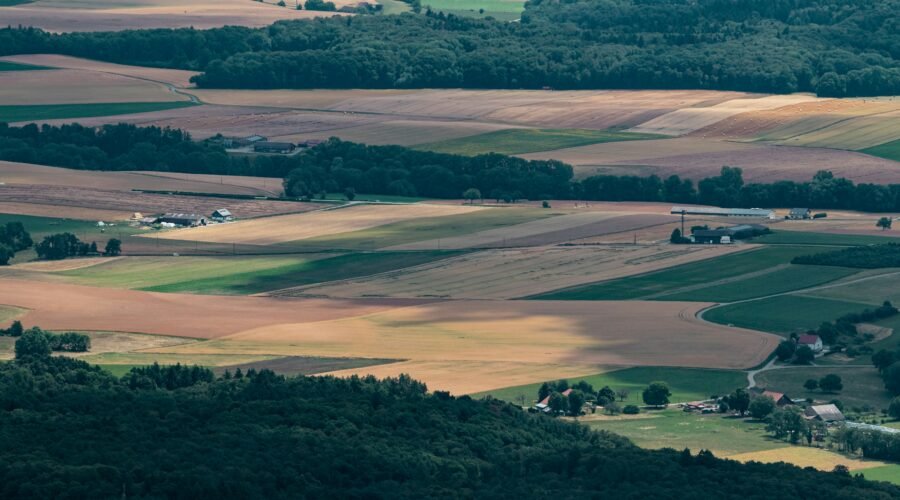
Jura’s wooded hills, pastures, river valleys, and quiet roads suit both hiking and cycling. The official Jura Bike route crosses forests and typical Jura landscapes and follows part of the Doubs near St-Ursanne. You can review official regional hiking and cycling options through Jura & Three-Lakes tourism.
Summer normally gives you the broadest choice of routes, but check trail conditions after storms and before committing to high or exposed sections.
Lakes and Rivers
The Doubs River is one of the most distinctive natural features of the Canton of Jura and is particularly appealing for walking, cycling, picnics, and scenic stops in warmer weather. Water activities are also available in the wider Jura & Three-Lakes region.
Lake Biel is a popular warm-weather destination, but it is outside the Canton of Jura. If you include it, think of it as an extension into the wider Jura & Three-Lakes tourism area rather than a canton-based attraction.
Cheese and Chocolate Experiences
Food-focused visits can fit easily into a summer itinerary. Tête de Moine AOP is closely tied to the Jura and Bernese Jura, and the official AOP production area includes parts of the Canton of Jura. The Saignelégier cheese dairy also offers opportunities to learn about production and taste the cheese.
Gruyère AOP can legally be produced in the Canton of Jura as well as several other Swiss cantons. In the wider Jura & Three-Lakes area, you can also visit chocolate attractions such as the Camille Bloch Visitor Center in Courtelary. These wider-region stops are useful on a road or rail itinerary but should not be confused with attractions physically inside the Canton of Jura.
Festivals and Markets
Warm months bring local markets, cultural events, and village celebrations. Dates change each year, so check the official Jura Tourism events calendar shortly before traveling rather than building your itinerary around an old festival date.
Crowds in Summer
July and August are sensible months to expect more competition for popular accommodation, restaurant tables, and well-known outdoor areas because they combine school holidays with the year’s easiest warm-weather conditions. Jura is generally less intense than Switzerland’s most famous Alpine destinations, but that does not mean every summer weekend will feel quiet.
If you want summer conditions with less pressure, June is often a better compromise, especially outside weekends and public holidays.
Costs in Summer
There is no reliable region-wide summer price that applies to every hotel, train journey, or attraction. Accommodation prices are dynamic and change with weekends, events, holidays, availability, and booking lead time.
For better value, compare several dates rather than assuming every July or August stay costs the same. Booking earlier is especially useful when your trip falls on a weekend or during a major local event.
If you’re comparing seasonal travel planning with a very different destination, you can also read Best Time to Visit Beytussebap, Sirnak: Weather, Crowds, and Costs.
Autumn: Foliage, Cooler Air, and a Quieter Pace
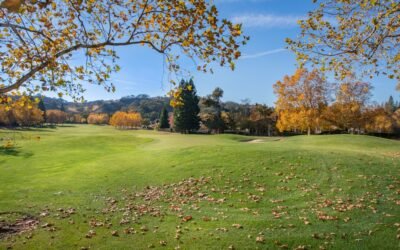
Autumn, from September through November, changes Jura quickly. September can still support long outdoor days, while October brings cooler air and colorful forests. By November, colder, wetter, and occasionally wintry conditions become increasingly possible.
Weather in Autumn
September often feels like an extension of late summer, especially at lower elevations. Temperatures then trend downward through October and November, with colder mornings, more frequent frost at elevation, and a growing possibility of early snow in higher areas.
The exact timing varies from year to year. If autumn color is your priority, keep some flexibility because foliage depends on elevation, temperature, wind, and recent weather rather than a fixed calendar date.
What to Do in Autumn
Autumn is one of Jura’s most versatile seasons, especially if you enjoy walking, photography, regional food, and quieter towns.
Fall Foliage Exploration
Jura’s deciduous woodland can produce excellent autumn color. Lower and higher areas do not always change at the same time, so a flexible route gives you a better chance of finding good foliage.
Trails can be quieter than in midsummer, but wet leaves, mud, and shorter daylight deserve more attention as the season advances.
Harvest Season Delights
Autumn markets can feature apples, pears, mushrooms, and other regional produce. Availability differs by locality and year, so treat specific harvest products as seasonal possibilities rather than guarantees.
Cozy Gastronomy
Cooler days suit Jura’s cheese dishes and other hearty regional food. Fondue and raclette are easy choices when temperatures fall, while local cheese dairies offer a more direct connection to the region’s food traditions.
Wine tourism is more strongly associated with neighboring parts of the wider Three-Lakes region than with the Canton of Jura itself. If wine tasting is a priority, plan those stops as an extension beyond the canton.
Peaceful Sightseeing
Places such as St-Ursanne, Porrentruy, and Delémont work well in autumn because sightseeing does not depend entirely on hot weather. Museums and indoor attractions also become useful backups on rainy days.
Crowds in Autumn
September can remain lively on pleasant weekends. Visitor pressure normally becomes less consistent as temperatures fall, especially later in October and November, although festivals or local events can still make individual dates busy.
Costs in Autumn
Autumn can offer good value, but avoid treating “shoulder season” as a guarantee of cheap rooms. Weekend events, limited inventory, and school-holiday periods can still raise rates.
May, September, and October are currently especially interesting for qualifying visitors because Jura Tourism promotes additional seasonal benefits alongside the JURA-PASS. Offers can change, so verify current terms before booking.
Winter: Snow Activities When Conditions Cooperate

Winter in Jura, broadly from December through February, can turn high plateaus and forests into excellent terrain for cross-country skiing, snowshoeing, and winter walking. It is also the season when elevation matters most: snow conditions in higher areas can be very different from those in lower valleys.
Weather in Winter
Cold temperatures, frost, snow, freezing rain, and icy surfaces are all possible. Rather than relying on one temperature range for the entire canton, check the forecast for the exact town or activity area you plan to visit.
Snow depth and duration vary from winter to winter. Jura Tourism publishes current information for winter activities and directs visitors to an official snow report, which is much more useful than assuming a particular month will always have ideal coverage.
Warning: Do not assume a marked summer hiking route is safe in winter. Snow, ice, short daylight, and changing weather can alter difficulty quickly. Check current route and snow conditions, carry suitable footwear and layers, and turn back if conditions exceed your experience.
What to Do in Winter
When enough snow is present, winter gives Jura a completely different character.
Cross-Country Skiing and Snowshoeing
The region is particularly well known for Nordic-style winter activities. Official Jura Tourism information lists cross-country skiing, snowshoeing, winter hiking, ski lifts, and other snow activities across the region. Check Jura Tourism’s winter information before traveling for snow.
Enchanting Scenery
Fresh snow can transform the wooded pastures and high plateaus, making winter especially rewarding for landscape photography and quiet walks. However, a winter booking should not depend on guaranteed snow unless the reservation can be changed if conditions disappoint.
Cozy Retreats
Winter also works for travelers who prefer short outdoor excursions followed by restaurants, wellness facilities, museums, or a quiet hotel stay. This makes the season more flexible even when snow conditions are poor.
Local Delicacies
Fondue, raclette, regional cheeses, cured meats, and other hearty dishes fit naturally into a cold-weather itinerary. A cheese-focused visit can also give you an indoor activity when the weather is unsuitable for long outdoor excursions.
Crowds in Winter
Winter should not simply be labeled “off-peak.” Quiet weekdays are possible, but Christmas, New Year, school holidays, and weekends with good snow can increase demand in winter-sports areas.
If tranquility matters more than skiing, look at non-holiday weekdays and remain flexible about your exact destination.
Costs in Winter
Winter prices are highly date-sensitive. Holiday weeks and popular snow weekends can command stronger rates, while less active periods may offer better value.
For a snow-focused holiday, compare accommodation cancellation policies as carefully as the room price. Flexibility can be more valuable than booking the absolute cheapest non-refundable rate when snow is uncertain.
Spring: Wildflowers, Thawing Trails, and Lower Demand

Spring, from March through May, is a transition season. Lower elevations can turn green while snow or very wet ground still affects higher paths. May is generally the easiest spring month for travelers who want a combination of walking, sightseeing, and mild conditions.
Weather in Spring
March can still feel wintry, especially on the high plateaus. April is changeable, with a mix of mild spells, colder days, rain, and occasional late snow at elevation. By May, longer days and greener landscapes usually make outdoor planning easier.
Spring is also a season when trail conditions deserve attention. Melting snow and rain can leave paths muddy even when the air temperature feels comfortable.
What to Do in Spring
Spring works best for travelers who are willing to adapt their plans to conditions.
Blooming Landscapes
Meadows and woodland gradually regain their color as temperatures rise. The exact timing of flowers varies by elevation and year, so late April and May generally give you a better chance of seeing a fully developed spring landscape than March.
Hiking and Walking During the Thaw
Lower routes can become enjoyable before higher paths are ready. If a trail climbs substantially, check current conditions rather than assuming that a clear valley automatically means a snow-free route above it.
Visiting Charming Villages
Spring is a good time to explore St-Ursanne, Porrentruy, Delémont, and smaller communities at an unhurried pace. Cafes, museums, historic streets, and short walks also provide easy alternatives when the weather changes.
Culinary Delights Emerge
Seasonal menus gradually become lighter as spring produce returns, while Jura’s cheeses and cured products remain available year-round. Food stops are useful additions to a spring itinerary because they are less weather-dependent than hiking.
Crowds in Spring
March and early April can feel very quiet, especially when winter conditions still limit outdoor recreation. May becomes more attractive as daylight increases and trails improve, but it can still feel noticeably calmer than the busiest midsummer weekends.
Costs in Spring
Spring can offer competitive accommodation prices, particularly outside holiday weekends. May is especially worth checking because it combines improving weather with current JURA-PASS-related seasonal benefits for qualifying stays.
If you like comparing how shoulder seasons work in different destinations, the site’s guide to the best time to visit Maine provides another weather, crowd, and cost comparison.
Jura Month by Month: Weather, Crowds, and Value
The table below is a planning guide rather than a promise of exact temperatures, visitor numbers, or prices. Conditions vary by elevation, snowfall, events, holidays, and the exact accommodation you choose.
| Month | Typical Conditions | Visitor Pressure | Best For |
| January | Cold; snow possible, especially at elevation | Variable | Snow sports when conditions are good |
| February | Wintry; snow-dependent | Moderate on snow/holiday dates | Cross-country skiing and snowshoeing |
| March | Winter-to-spring transition | Usually lighter | Quiet towns and flexible trips |
| April | Cool and changeable; muddy trails possible | Usually lighter | Sightseeing and lower-level walks |
| May | Milder, greener, longer days | Low to moderate | Best spring balance |
| June | Mild to warm with long daylight | Moderate | Hiking and cycling |
| July | Among the warmest conditions of the year | Higher | Maximum outdoor access |
| August | Warm; thunderstorms possible | Higher | Outdoor holidays and events |
| September | Often mild with cooler nights | Moderate | Excellent overall balance |
| October | Cooler with autumn color | Low to moderate | Photography and quiet walks |
| November | Cold, damp, and increasingly wintry | Usually low | Quiet sightseeing |
| December | Cold; snow possible | Variable; higher around holidays | Winter atmosphere and seasonal events |
Shoulder Seasons: The Sweet Spot for Balance
For many travelers, May, September, and early October offer Jura’s most attractive compromise between outdoor access and a quieter atmosphere. They avoid some of the limitations of early spring and late autumn while also avoiding the strongest summer demand.
Why Choose a Shoulder Season?
Shoulder months are useful when you care about scenery and outdoor activities but do not need the longest, warmest days of the year.
Fewer Crowds, More Flexibility
May, September, and October can make it easier to explore villages, restaurants, and trails without building every day around peak summer demand. Weekdays are especially useful if quiet surroundings matter to you.
Pleasant Weather for Activities
May brings greener landscapes and longer days, September often retains good walking weather, and October can reward you with autumn foliage. None of these months is weather-proof, so bring layers and keep a rainy-day alternative.
Better Value for Money
Value is one of the strongest reasons to consider these months, but compare actual rates instead of assuming “shoulder season” automatically means cheap.
Pro Tip: If you stay at least one night in qualifying accommodation, check whether you receive the current JURA-PASS. It currently includes free public transport within the covered network and discounts on various activities. Benefits and eligibility can change, so confirm the latest terms before booking.
Specifics of the Shoulder Months
- May: One of the strongest spring choices for greener scenery, longer daylight, and increasingly accessible walks. Rain and cool spells remain possible.
- September: A strong all-around month for walking, cycling, sightseeing, and pleasant outdoor days after the main summer-holiday period.
- October: Best suited to autumn color, photography, food-focused travel, and quieter sightseeing. Expect cooler conditions and shorter daylight as the month advances.
Making Your Choice: What Matters Most to You?
There is no single best month for every Jura trip. The right choice depends on whether you care most about hiking access, snow, photography, quiet towns, or saving money.
For the Outdoor Adventurer
If hiking, mountain biking, cycling, or long walking days are your priorities, June through September gives you the most straightforward planning window. May can also work well for lower routes, while October is attractive for cooler walks if trail conditions remain good.
For the Winter Sports Enthusiast
Plan between December and February, but choose your exact dates using current snow information rather than assuming January or February will automatically deliver ideal coverage. Cross-country skiing and snowshoeing are two of Jura’s signature winter activities.
For the Budget-Conscious Traveler
Start by comparing May, September, October, and quieter non-holiday winter dates. Then factor in JURA-PASS transport savings where your accommodation qualifies. A slightly higher room rate can still produce a lower total trip cost if transport or activities are included.
For the Peace-Seeker
May, October, November, and non-holiday winter weekdays are worth investigating if tranquility matters more than guaranteed warm weather. September can also feel relaxed once the main summer-holiday period has passed.
For the Nature Photographer
October is attractive for autumn color, May for spring landscapes, and winter for snow-covered plateaus when fresh snow arrives. Sunrise and sunset times change dramatically through the year, so check daylight when planning photography outings.
Consider the Doubs River and Local Festivals
The Doubs is worth including throughout much of the year, but walking, cycling, and riverside stops are easiest in mild weather. St-Ursanne is an especially useful base for combining the river with historic sightseeing.
Local festivals, markets, and cultural events can be highlights in any season, but they can also increase demand for accommodation. Check the official Jura Tourism calendar when your dates are flexible.
Frequently Asked Questions
What is the best time to visit Jura, Switzerland for favorable weather?
June through September is the easiest period for warm-weather sightseeing, hiking, and cycling. May can also be excellent, especially at lower elevations. Because Jura’s elevation varies considerably, check the forecast for your exact destination rather than relying on one regional temperature figure.
When is Jura busiest?
Warm summer weekends and school-holiday periods are sensible times to expect stronger demand, particularly in July and August. Winter-sports areas can also become busy during Christmas, New Year, school holidays, or weekends with excellent snow.
What is the quietest time to visit Jura?
March, parts of April, November, and non-holiday winter weekdays can be especially quiet. The trade-off is less predictable weather and, in some periods, reduced outdoor access or shorter opening hours.
When is the cheapest time to visit Jura?
There is no guaranteed cheapest month because hotel rates vary with weekends, holidays, events, and availability. May, September, October, and quiet non-holiday dates are good periods to compare. Qualifying overnight guests should also check JURA-PASS benefits when calculating the total cost.
What are the shoulder seasons in Jura?
Late spring and early autumn are the most useful shoulder periods. May, September, and early October stand out because they can combine good outdoor access with lighter demand than the busiest summer dates.
When is the best time for snow in Jura?
Winter snow activities are generally planned between December and February, but snowfall varies greatly by year and elevation. Check Jura Tourism’s current snow report before making a snow-dependent trip or paying for non-refundable activities.
Can I explore Jura without a car?
Yes. Rail and bus services connect many towns and villages, and qualifying overnight visitors can currently receive a JURA-PASS with free transport inside its covered network. A car can still be useful for remote trailheads or a wider regional itinerary.
Is Jura a good family destination?
Yes. The region offers walking, cycling, museums, cheese-related attractions, winter activities, and family-friendly sightseeing. Choose routes according to the children’s ability and check weather, snow, and trail conditions before outdoor excursions.
Sources
- MeteoSwiss — The Climate of Switzerland — climate normals, elevation effects, heat, precipitation, and seasonal weather context.
- Jura Tourism — Canton of Jura — official regional activities, destinations, and visitor information.
- Jura Tourism — JURA-PASS — current public-transport and visitor-benefit information.
- Jura Tourism — The Jura in Winter — winter activities, snow information, cross-country skiing, and snowshoeing.
- Jura & Three-Lakes — Jura Bike — official regional mountain-biking route information.
- Swiss PDO-PGI Association — Tête de Moine AOP — official production area and production-method information.