So, you’re thinking about a trip to Kayseri, huh? Great choice! It’s a fascinating city with a lot to offer. The big question is, when is the best time to go? Honestly, it depends on what you’re looking for. If you want mild weather perfect for exploring the historic sites and the stunning natural landscapes nearby, and you don’t mind a few more people around, then late spring (April-May) or early autumn (September-October) are your sweet spots. If saving a bit of cash and beating the crowds is your priority, and you can handle some chill or heat, then the shoulder seasons might be even better. Let’s break down the weather, the crowds, and what your wallet might look like throughout the year to help you pinpoint your perfect Kayseri escape.
Spring in Kayseri is a bit like waking up. The frost starts to melt, the air gets a little warmer, and nature begins to bloom. It’s a lovely time to visit if you’re keen on comfortable sightseeing without the intensity of summer heat.
1.1. Weather Vibes: Pleasant with a Chance of Spring Showers
The temperatures start to climb steadily from March onwards. You’re looking at highs that generally hover in the comfortable mid-to-high teens (Celsius) in April and May. Evenings can still be a bit cool, so packing layers is definitely the way to go. You might encounter a few rainy days, but they’re usually short-lived, offering a refreshing break. Snow is rare by this point, but not entirely unheard of in early spring, especially at higher elevations around Erciyes.
1.2. Crowd Levels: Starting to Pick Up, but Not Packed
As the weather improves, so does the number of visitors. You’ll find more people exploring the city and definitely more day-trippers heading to nearby Cappadocia. However, it’s a far cry from the peak summer rush. You’ll still be able to wander through the bazaar, visit the Çifte Minareli Medrese, and enjoy your coffee without feeling overly squeezed. Booking accommodation and popular tours a few weeks in advance is a good idea, especially if you’re traveling around public holidays.
1.3. Cost Considerations: Mid-Range and Manageable
Spring falls into the mid-range pricing category. Flights might start to tick up slightly from their winter lows, and hotel rates will reflect the increasing demand. However, you’re unlikely to see the premium pricing that comes with the absolute peak tourist season. It’s a good balance between getting decent weather and not having to dig too deep into your pockets. Keep an eye out for early booking discounts for flights and accommodation.
1.4. What to Pack for a Spring Trip: Layers are Your Best Friend
Think light sweaters, long-sleeved shirts, comfortable trousers, and a medium-weight jacket. A waterproof outer layer is essential in case of rain. Comfortable walking shoes are a must, as you’ll likely be doing a lot of exploring on foot. Don’t forget a scarf – they’re stylish and practical for cooler mornings and evenings.
2. Summer: Sun-Drenched Days and Warm Evenings
Summer in Kayseri brings the heat and long, sunny days. It’s the time when the region truly comes alive with outdoor activities and the buzz of peak tourist season.
2.1. Weather: Hot and Sunny, with Occasional Sultriness
July and August are the hottest months. Daytime temperatures can easily soar into the high 20s and even low 30s (Celsius). The sun is strong, so staying hydrated and seeking shade during the hottest parts of the day is crucial. Evenings usually remain warm, making for pleasant alfresco dining. While Kayseri itself is inland, humidity isn’t typically a major issue compared to coastal regions, but it can feel quite dry.
2.2. Crowd Dynamics: Peak Season Intensity
This is prime holiday time for many, both domestic and international tourists. Kayseri will be busier, especially with people using it as a jumping-off point for Cappadocia’s hot air balloon rides and fairy chimney tours. Expect more people at popular attractions, busier restaurants, and a general festive atmosphere. Booking well in advance for everything – flights, hotels, tours, and even popular restaurants – is not just recommended, it’s practically essential. Last-minute bookings can be expensive and may leave you with limited options.
2.3. Cost Snapshot: The Premium Period
As with most destinations, summer is the most expensive time to visit Kayseri. Flight prices will be at their highest, and hotels will command premium rates. If you’re on a tight budget, summer might mean compromising on comfort or duration. However, if your schedule only permits summer travel, focusing on off-peak days of the week for flights and looking for package deals can help mitigate some of the cost.
2.4. Summer Essentials: Sun Protection is Non-Negotiable
Pack light, breathable clothing made from natural fibers like cotton and linen. Sunscreen with a high SPF, a wide-brimmed hat, and sunglasses are absolute musts. Lightweight long sleeves can be useful for sun protection during the day. You’ll want very comfortable sandals or breathable trainers for walking. A reusable water bottle is also a smart addition to stay hydrated and reduce plastic waste.
3. Autumn: A Colorful Canvas and Cooler Breezes

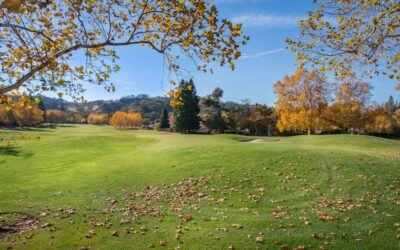
Autumn in Kayseri is a truly beautiful spectacle. The landscape transforms with vibrant fall colors, and the temperatures become more manageable, making it an ideal time for exploration.
3.1. Weather Patterns: Crisp Air and Cooling Temperatures
September and October offer a delightful transition. The intense summer heat gives way to pleasant, mild days where highs are typically in the low to mid-20s (Celsius) in early autumn, gradually dropping to the teens as the season progresses. The air is crisp and clear, perfect for outdoor activities. November starts to feel noticeably cooler, with a greater chance of rain and even some early frost, so it’s pushing the boundaries of comfortable autumn.
3.2. Tourist Flow: A Gradual Wind-Down
August’s peak crowd begins to recede in September, making it a fantastic month to visit. You’ll find a much more relaxed atmosphere, with fewer queues at attractions and more availability in hotels and restaurants. October sees a further drop in visitor numbers, though some people still flock to the region for the autumn foliage. By November, it’s definitely shoulder season, with significantly fewer tourists. This is great news if you prefer a more authentic and less crowded experience.
3.3. Budget-Friendly Fall: Good Value for Money
As the crowds thin out, so do the prices. September can still command slightly higher rates due to lingering good weather and demand, but by October, you’ll start to see more attractive deals on flights and accommodation. This is often considered the sweet spot for value-conscious travelers who still want excellent weather. November is firmly in the budget-friendly category, offering the lowest prices of the year outside of deep winter.
3.4. What to Bring for an Autumn Visit: Versatility is Key
Pack a mix of clothing. Think long-sleeved shirts, sweaters, and a warmer jacket for cooler evenings. Jeans or comfortable trousers are standard. You’ll also want a lighter jacket or a fleece for daytime. Waterproof footwear is a good idea as the chances of rain increase. A scarf remains a practical and stylish accessory.
4. Winter: A Quieter, Colder Experience with Snow Sports
Winter in Kayseri transforms the landscape into a starkly beautiful, often snow-covered wonderland. It’s a quieter time, perfect for those who enjoy a more tranquil atmosphere or are looking for winter sports.
4.1. Weather: Cold, with Plenty of Snow Potential
From December to February, Kayseri experiences distinctly cold weather. Daytime temperatures often hover around freezing, and can dip well below zero, especially at night. Snowfall is common, blanketing the city and the surrounding regions, including the popular Mount Erciyes ski resort. This makes for picturesque, albeit chilly, scenery. If you’re planning to visit Mount Erciyes for skiing or snowboarding, this is the prime time.
4.2. Crowd Numbers: A Noticeable Drop
This is the low season for general tourism in Kayseri itself. You’ll find very few international tourists outside of those specifically heading to Erciyes for ski season. The city offers a peaceful, authentic experience with fewer crowds at its historical sites. The main exception is during the Christmas and New Year period when there might be a slight uptick in domestic visitors.
4.3. Budget-Friendly Winter: The Cheapest Time to Travel
| Month | Weather | Crowds | Costs |
|---|---|---|---|
| January | Cold, snowy | Low | Low |
| April | Mild, occasional rain | Medium | Medium |
| July | Hot, dry | High | High |
| October | Cool, occasional rain | Medium | Medium |
If your main concern is cost, winter is your friend. Flights and accommodation reach their lowest prices of the year, outside of any specific holiday spikes. This is the time to snag the best deals. However, you need to weigh this against the colder weather and potential for snow impacting travel plans. The cost savings can be significant, making longer stays more affordable.
4.4. Winter Wardrobe: Be Prepared for the Freeze
Think serious warmth. Thermal base layers are essential, followed by fleece or wool mid-layers. A heavy, insulated, and waterproof winter coat is a must. Waterproof trousers are also highly recommended if you plan on spending much time outdoors in the snow. Warm, waterproof boots are non-negotiable. Don’t forget gloves, a warm hat that covers your ears, and a thick scarf or neck warmer. Hand warmers can be a lifesaver.
5. Shoulder Seasons: The Sweet Spot for Balance
Often, the “best” time to visit a place isn’t a single month, but rather the periods that fall between the peak and off-peak seasons. For Kayseri, the shoulder seasons offer a fantastic blend of good weather, manageable crowds, and sensible prices.
5.1. Late Spring (April-May) & Early Autumn (September-October): The Prime Candidates
These are the months that consistently deliver.
- In late spring, you get the joy of warming weather, flowers blooming, and significantly fewer tourists than in summer. It’s ideal for exploring the city’s architecture and enjoying outdoor cafes.
- Early autumn brings crisp, pleasant days, stunning fall colors if you venture slightly out of the city, and a relaxed atmosphere. The harvest season can also add a local flavor to your visit.
Both periods strike a wonderful balance.
5.2. Crowd Management: The Best of Both Worlds
During these shoulder months, you’ll experience the best of both worlds. You’ll encounter other travelers, but it won’t feel overwhelming. This means you can enjoy popular sites without feeling rushed and find seats in restaurants more easily. It’s a more relaxed pace than the peak summer months, allowing for a more immersive experience.
5.3. Value for Money: Smart Travel Decisions
Shoulder seasons are typically where you’ll find the best value. While not as cheap as the dead of winter, prices for flights and accommodation are considerably lower than in July and August. You can often find good deals by booking a few weeks in advance. This allows you to stretch your budget further, perhaps enabling a longer trip or more activities.
5.4. Activities and Experiences: Year-Round Appeal
Many of Kayseri’s main draws are accessible and enjoyable during these shoulder periods.
- Historical Sites: The city’s mosques, madrasas, and museums are perfect for exploring on a mild day.
- Mount Erciyes: While not ideal for skiing in these months, the lower slopes and surrounding areas can be great for hiking or enjoying the changing scenery.
- Cappadocia: Kayseri is a gateway to Cappadocia. The natural beauty is stunning in both spring and autumn, and balloon rides are generally less likely to be canceled due to weather than in winter.
By considering the trade-offs between weather, crowds, and cost, you can pinpoint the perfect time for your Kayseri adventure. Whether you’re chasing sunshine, seeking tranquility, or aiming for the best deals, there’s a season that will likely suit you best.
FAQs
1. What is the best time to visit Kayseri in terms of weather?
The best time to visit Kayseri in terms of weather is during the spring (April to June) and the fall (September to November). During these months, the weather is mild and pleasant, making it ideal for outdoor activities and sightseeing.
2. When is the peak tourist season in Kayseri?
The peak tourist season in Kayseri is during the summer months of July and August. During this time, the city experiences an influx of tourists, resulting in crowded attractions and higher accommodation costs.
3. What is the off-peak season in Kayseri?
The off-peak season in Kayseri is during the winter months of December to February. During this time, the city experiences colder temperatures and fewer tourists, making it a quieter time to visit. However, some attractions and activities may have limited availability during this time.
4. When can visitors expect lower accommodation costs in Kayseri?
Visitors can expect lower accommodation costs in Kayseri during the off-peak seasons of winter (December to February) and early spring (March). During these times, hotels and accommodations may offer discounted rates to attract visitors.
5. What are the average temperatures in Kayseri throughout the year?
The average temperatures in Kayseri vary throughout the year. In the summer months, temperatures can reach highs of around 30°C (86°F), while in the winter months, temperatures can drop to lows of around -5°C (23°F). It’s important for visitors to check the current weather forecast before planning their trip.