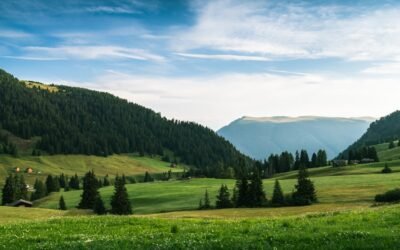
Planning a trip to Kırşehir, Turkey? The best time to visit Kırşehir depends on whether you prefer mild sightseeing weather, cultural festivals, summer sunshine, or a quiet winter escape. This Central Anatolian city has distinct seasons, so choosing the right month can make a big difference to your trip.
Here’s how the weather, rainfall, local events, crowds, and travel costs change throughout the year.
Quick Answer
The best time to visit Kırşehir is May to June or September to October. These months offer a good balance of comfortable temperatures and outdoor activities. May is green but relatively rainy, while September is warmer and drier. Choose September for cultural events, winter for a quieter visit, or July and August for long, sunny days.
Last checked: October 23, 2026. Climate figures, named events, attraction information, and 2027 holiday dates were checked against official sources.
Key Takeaways
- May: Pleasant daytime temperatures, green landscapes, and good conditions for sightseeing, although rainfall is relatively high.
- June: Warmer weather, long days, and a good balance between city visits and outdoor activities.
- September: Warm, relatively dry weather and opportunities to experience Kırşehir’s music and craft traditions.
- July and August: The hottest and driest months, with average daytime highs around 31°C.
- December to February: Cold weather, possible snow, quieter sightseeing, and potentially better accommodation deals outside holidays.
Best Time to Visit Kırşehir: Month-by-Month Weather
May, June, September, and October offer the most comfortable balance for most visitors. However, the temperature difference between these months is considerable. May is noticeably cooler than September, while October brings colder evenings.
The following figures come from the Turkish Meteorological Service’s Kırşehir climate statistics. They describe historical monthly averages, not guaranteed weather for your travel dates.
| Month | Average High / Low | Average Rainfall | Travel Conditions |
|---|---|---|---|
| January | 4.9°C / -3.8°C | 43.8 mm | Cold; possible snow and ice |
| February | 7.2°C / -3.0°C | 31.2 mm | Cold, quiet sightseeing |
| March | 12.2°C / 0.5°C | 37.9 mm | Early spring; cold mornings |
| April | 17.5°C / 4.7°C | 42.7 mm | Mild afternoons; changeable weather |
| May | 22.5°C / 9.2°C | 46.2 mm | Excellent for sightseeing; rainy spells possible |
| June | 26.9°C / 13.2°C | 37.5 mm | Warm, long days; good for outdoor plans |
| July | 30.7°C / 16.5°C | 8.9 mm | Very hot and dry |
| August | 30.9°C / 16.8°C | 11.8 mm | Hottest month on average |
| September | 26.7°C / 12.1°C | 14.9 mm | Warm, relatively dry; cultural events |
| October | 20.6°C / 7.2°C | 30.6 mm | Comfortable days; cool evenings |
| November | 13.0°C / 1.2°C | 35.0 mm | Chilly; suitable for indoor attractions |
| December | 6.9°C / -1.7°C | 44.9 mm | Cold; possible winter precipitation |
How to read the table: The temperature figures are averages of daily highs and lows, not the highest and lowest temperatures ever recorded. Rainfall is the average monthly total, including precipitation that may fall as snow in colder weather.
The most useful comparison is May versus September. May has cooler days but more rain. September is warmer and considerably drier, making it attractive for travelers who want plenty of time outdoors.
1. Spring in Kırşehir: Green Landscapes and Pleasant Sightseeing
Spring runs from March through May and is one of the most attractive seasons for exploring Kırşehir. Temperatures rise steadily, vegetation becomes greener, and the weather is generally more comfortable for walking than in midsummer.
Spring is especially suitable for historical sightseeing, local markets, countryside walks, and photography.
Early Spring (March–April)
March can still feel chilly, especially early in the morning and after sunset. By April, daytime temperatures become milder, although cold evenings and occasional rain remain common.
- Weather: March has an average daytime high of 12.2°C (54°F), rising to 17.5°C (64°F) in April. March nights can approach freezing, so pack warm layers and a rain-resistant jacket.
- Crowds: Outside public holidays, these months are generally a quieter alternative to summer travel and major local festival periods.
- Costs: Early spring can offer opportunities for lower accommodation prices, although actual rates depend on your dates and hotel. Flights and transport costs also depend on your starting location.
- What to Do: Explore the historic center, browse local markets, and enjoy walks when the weather is dry. March and April are also suitable for travelers who prefer a slow, relaxed itinerary.
Start with the Cacabey Astronomy Medrese, built in 1272 as a center for mathematics, science, and astronomy education. Today, the historic building is used as a mosque and remains one of the city’s best-known landmarks.
You can also explore the Ahi Evran area and its historic streets. These visits offer a look at Kırşehir’s Seljuk and Ottoman heritage without requiring a full day of outdoor activity.
Late Spring (May)
May is one of the strongest choices for a first visit to Kırşehir. The average daytime high reaches 22.5°C (73°F), making it comfortable for city walks and nearby excursions.
However, May is also relatively wet. Its average monthly rainfall is 46.2 mm, so sunny weather is not guaranteed.
- Weather: Pleasant afternoons, cooler evenings, and possible showers. The average low is 9.2°C (49°F).
- Crowds: Usually manageable outside public holidays, although domestic holiday travel can increase demand.
- Costs: Spring accommodation can offer good value compared with busy holiday dates. In 2027, mid-May may be more expensive because of Eid al-Adha travel.
- What to Do: Walk through historic neighborhoods, enjoy the green countryside, explore local markets, and take photographs of the city’s architecture.
If you enjoy nature, consider the countryside around Kırşehir, including the Hirfanlı Reservoir area or the landscapes near Seyfe Lake. Conditions vary with rainfall, so outdoor plans work best with some flexibility.
Another option is Kaman Kalehöyük Archaeology Museum, near Çağırkan in the Kaman district. It combines archaeological exhibitions with a distinctive landscaped setting and a Japanese-style garden.
Pro Tip: If you have flexible travel dates, compare May with early June. May is cooler and greener, while early June may offer warmer days and somewhat less frequent rainfall. May averages about 13 rainy days, compared with about nine in June.
2. Summer in Kırşehir: Long Sunny Days and Intense Heat
Summer runs from June through August. It brings the longest days, abundant sunshine, and the driest period of the year, but temperatures become less comfortable for extended afternoon sightseeing.
June offers the best balance for many summer visitors. July and August suit travelers who enjoy heat and plan their activities around it.
Early Summer (June)
June is warm without reaching the usual peak of summer heat. Its average daytime high is 26.9°C (80°F), with an average nighttime low of 13.2°C (56°F).
- Weather: Warm afternoons, generally comfortable evenings, and average rainfall of 37.5 mm.
- Crowds: Travel activity may increase as schools approach their summer break, but local event dates also affect visitor numbers.
- Costs: Prices may rise around holidays and school vacations. Booking early gives you more accommodation choices.
- What to Do: Explore historical landmarks, take countryside excursions, or enjoy longer evenings at local cafés.
June is particularly good if you want a mix of sightseeing and outdoor activities. The warmer weather makes it easier to combine a morning city walk with an afternoon trip outside the center.
Peak Summer Heat (July)
July is one of Kırşehir’s hottest and driest months. Average daytime highs reach 30.7°C (87°F), and heatwaves can push temperatures considerably higher.
- Weather: Strong sunshine and very little rain. Average monthly precipitation is only 8.9 mm.
- Crowds: Summer school holidays can increase domestic travel. However, Kırşehir’s busiest dates also depend on individual events and celebrations.
- Costs: Summer travel demand may increase some hotel and transport prices. There is no fixed citywide peak-season rate.
- What to Do: Visit outdoor attractions early in the day, use midday for museums or indoor historical sites, and enjoy cafés and public squares in the evening.
A useful indoor option is Kaman Kalehöyük Archaeology Museum. The official museum listing shows daily opening hours of 08:00–19:00, with the ticket office closing at 18:45. The museum is listed as open, and MüzeKart is accepted for eligible Turkish citizens.
Another summer choice is the city’s Terme thermal area, although bathing facilities may be less appealing during the hottest hours.
Peak Summer (August)
August is the hottest month on average, with a daytime high of 30.9°C (88°F). Rain remains uncommon, but cooler nights are still possible because Kırşehir has a continental climate.
- Weather: Hot and dry afternoons. The average nighttime low is 16.8°C (62°F), although individual nights can be warmer.
- Crowds: August overlaps with the main summer vacation period. Some accommodation and attractions may be busier, especially during special events.
- Costs: Summer accommodation and travel can be expensive on popular dates, but August is not confirmed as Kırşehir’s most expensive month every year.
- What to Do: Arrange outdoor walks for mornings or evenings, visit indoor attractions during midday, and look for locally scheduled music performances.
Summer is also a time to explore Kırşehir’s folk music traditions. The city has a strong musical heritage connected with the Abdal community and artists such as Neşet Ertaş.
Warning: July and August temperatures can exceed the monthly averages. Carry drinking water, protect yourself from direct sun, and avoid long exposed walks during the hottest part of the afternoon. This is especially important for children and people sensitive to heat.
3. Autumn: A Golden Glow and Cooler Breezes
Autumn runs from September through November and is another excellent period for visiting Kırşehir. September remains warm and relatively dry, while October brings milder afternoons and noticeably cooler nights.
Autumn can also be especially rewarding for visitors interested in Kırşehir’s local music, crafts, traditional markets, and cultural celebrations.
Early Autumn (September)
September is one of the best months for travelers who want warm weather without the strongest summer heat. Average daytime temperatures reach 26.7°C (80°F), while evenings cool to an average of 12.1°C (54°F).
It is also much drier than May, with average rainfall of 14.9 mm.
- Weather: Warm afternoons, cooler evenings, and relatively low rainfall.
- Crowds: General summer vacation travel starts easing, but major cultural events can make some September dates busy.
- Costs: Some accommodation prices may fall after summer, while festival dates can raise demand near event venues.
- What to Do: Explore the historic center, photograph traditional buildings, walk in surrounding hills, and experience local music and craft culture.
September Festivals and Ahilik Week
September is an important month in Kırşehir’s cultural calendar. One major celebration is Ahilik Week, which honors the city’s historic craft, trade, and artisan traditions.
Ahilik emphasizes honest trade, workmanship, mutual support, and community responsibility. It remains a key part of Kırşehir’s identity.
In 2026, the 39th Ahilik Week celebrations began on September 14, with events at Ahi Evran-ı Veli Mosque and Cacabey Square. The main celebrations ran during September 14–20.
Music is another reason to visit. Kırşehir became a UNESCO Creative City of Music in 2019, recognizing the importance of its musical traditions.
The city also held the 4th UNESCO Music Festival and Neşet Ertaş remembrance program on September 25–26, 2026. The program included performances at Cacabey Square and a remembrance event at the Ahi Evran complex.
These are confirmed 2026 dates, not an announced schedule for 2027. If cultural activities are your main reason to visit, September is a promising month, but do not assume future events will fall on exactly the same dates.
Late Autumn (October–November)
October is particularly good for visitors who dislike summer heat. It has an average daytime high of 20.6°C (69°F), making it comfortable for walking and historical sightseeing.
November is much colder, with average daytime highs around 13°C (55°F), so indoor activities become more attractive.
- Weather: October generally offers mild afternoons and chilly evenings. November brings shorter, colder days and a greater need for warm clothing.
- Crowds: These months can be quieter outside national holidays, weekends, and special events.
- Costs: Late autumn may offer accommodation savings compared with busy travel dates.
- What to Do: Visit mosques, museums, historic neighborhoods, and local markets. Early October can also be suitable for photography and countryside walks.
October 29 is Turkey’s Republic Day, a national holiday. Public celebrations and domestic travel can affect opening hours, transport, and accommodation availability.
If you’re interested in nature, consider the Seyfe Lake area near Mucur. Kırşehir’s official tourism information identifies Seyfe Lake as one of the province’s significant natural attractions.
However, lake conditions can change greatly with rainfall and drought. Recent water shortages have affected the area, so birdwatching conditions and lake scenery should not be assumed to be the same every year.
4. Winter: Cold but Quiet Charm
Winter runs from December through February and is the coldest season in Kırşehir. Snow and icy roads are possible, especially during cold spells, but average daytime temperatures are not always below freezing.
Winter suits travelers who enjoy quieter streets, local culture, indoor attractions, and the possibility of snow-covered landscapes.
Early Winter (December–January)
December is cold, but January is generally the coldest month. January’s average high is 4.9°C (41°F), and its average low is -3.8°C (25°F).
- Weather: Cold days, freezing nights, possible snow, frost, and icy conditions. Roads may be affected during winter storms.
- Crowds: Tourism is usually quieter than during summer vacations and major festival periods.
- Costs: Winter can be budget-friendly for accommodation, although holidays and heating-related costs can affect individual bookings.
- What to Do: Explore the city’s historic center when conditions allow, visit museums, enjoy local cafés, and experience everyday life away from larger tourist crowds.
Winter can also suit visitors who enjoy thermal bathing. Kırşehir is known for geothermal resources, including the Terme area in the city.
For a cultural itinerary, visit places associated with Ahi Evran and the city’s trade history. Ahi Evran’s complex contains an important historical tomb and remains closely tied to Kırşehir’s artisan heritage.
Late Winter (February)
February remains cold, with an average daytime high of 7.2°C (45°F) and an average low of -3°C (27°F). It can still snow, and morning frost is possible.
- Weather: Cold mornings and evenings, with some milder afternoons as the month progresses.
- Crowds: Generally quiet, which may appeal to visitors who prefer fewer people at major landmarks.
- Costs: Accommodation can remain relatively affordable outside special dates and local events.
- What to Do: Focus on museums, historic architecture, local food, cultural spaces, and short outdoor walks during favorable weather.
February is a reasonable choice if avoiding crowds matters more to you than warm weather. However, it is less suitable for long outdoor excursions.
Pro Tip: Keep a flexible indoor alternative for winter sightseeing. Kaman Kalehöyük Archaeology Museum is listed as open daily, while Mucur Underground City is currently marked closed on Turkey’s official museum portal.
5. Key Considerations for Choosing Your Travel Dates
Weather is only part of choosing when to visit Kırşehir. Your budget, travel style, interest in local festivals, and tolerance for busy holiday periods can be just as important.
The best month for you will depend on what you want to experience and how much flexibility you have.
Which Months Are Best for Different Travelers?
- Best overall for sightseeing: May, June, September, and October offer comfortable conditions compared with midsummer or winter.
- Best for warm, relatively dry weather: September combines warm days with much lower average rainfall than May.
- Best for green landscapes: April and May offer the strongest spring appeal, although showers are possible.
- Best for music and culture: September has hosted major Ahilik and Neşet Ertaş events, while additional concerts may be scheduled at other times.
- Best for avoiding summer heat: April, May, and October are comfortable choices for longer walks.
- Best for a quiet trip: November through February can offer a slower experience, provided you are prepared for cold weather.
Religious Holidays and Busy Travel Periods
Turkey’s religious holidays follow the Islamic calendar, so their dates change from year to year. Two important periods are Ramadan Bayramı (Eid al-Fitr) and Kurban Bayramı (Eid al-Adha).
These celebrations bring family visits, domestic travel, and some changes to normal business and transport schedules.
According to Turkey’s official 2027 public holiday calendar, the following dates are especially relevant for trip planning:
- March 8, 2027: Eid al-Fitr eve, a half-day public holiday.
- March 9–11, 2027: Eid al-Fitr (Ramadan Bayramı).
- April 23, 2027: National Sovereignty and Children’s Day.
- May 1, 2027: Labor and Solidarity Day.
- May 15, 2027: Eid al-Adha eve, a half-day public holiday.
- May 16–19, 2027: Eid al-Adha (Kurban Bayramı).
- May 19, 2027: Commemoration of Atatürk, Youth and Sports Day.
- October 29, 2027: Republic Day, with a half-day holiday on October 28.
May 2027 deserves particular attention because Eid al-Adha overlaps with another national holiday. Travelers seeking a quiet spring trip may prefer dates outside that period.
During Ramadan itself, daily routines may change, and some smaller restaurants may operate differently. However, you should not assume that all restaurants close for lunch or that public transport operates on a reduced schedule throughout Ramadan.
Historical Attractions and Seasonal Access
Kırşehir is attractive for its history as well as its weather. The city and surrounding districts have Seljuk monuments, religious sites, museums, underground settlements, and natural areas.
For most visitors, the Cacabey Astronomy Medrese and Ahi Evran area are useful starting points. You can explore the surrounding public streets and squares without buying a sightseeing ticket, although entry rules for individual buildings may differ.
The underground settlements around Mucur are another part of the region’s history. Mucur Underground City contains rock-cut rooms, passages, storage spaces, and ventilation shafts.
There is an important access restriction: the official Mucur Underground City museum page lists the site’s current status as closed. Although the same page contains historical information and general visiting hours, visitors should not assume entry is available.
For an indoor museum visit, Kaman Kalehöyük Archaeology Museum is a more dependable option based on its current official listing.
How Crowds and Accommodation Costs Change
Kırşehir does not follow exactly the same tourism patterns as Turkey’s major coastal resorts. Summer holidays can increase travel demand, but cultural festivals and religious celebrations also create busy periods.
July and August may bring higher accommodation demand because of summer vacations. September can also become busy during major celebrations such as Ahilik Week.
If your main goal is saving money, consider early spring, late autumn, or winter outside public holidays. These periods may offer better hotel value than heavily booked festival or holiday dates.
There are no reliable fixed citywide average accommodation costs for each season in the sources used here. The practical comparison is the price of the same hotel or room type on your preferred dates.
What Should You Pack for Each Season?
Kırşehir’s climate changes enough through the year that your packing list should match the season. Layers are particularly useful because daytime and nighttime temperatures can differ significantly.
- Spring: Comfortable walking shoes, light layers, a warmer evening jacket, and rain protection.
- Summer: Breathable clothing, sun protection, a hat, comfortable shoes, and a reusable water bottle.
- Autumn: Light daytime clothing for September, warmer layers for October, and a coat for November.
- Winter: A warm coat, insulated footwear, gloves, and clothing suitable for freezing nighttime temperatures.
For photography, spring offers greener surroundings, summer brings strong sunshine and longer days, and autumn provides softer light and changing seasonal colors. Winter can create striking scenes after snowfall.
Ultimately, Kırşehir offers something throughout the year. For a first visit focused on sightseeing, May or September is an excellent starting point. Choose May for cooler spring scenery or September for drier weather and the possibility of memorable cultural celebrations.
Frequently Asked Questions
1. What is the best time to visit Kırşehir, Turkey, for good weather?
The best time to visit Kırşehir for comfortable sightseeing is May to June or September to October. May averages 22.5°C for daytime highs, while October averages 20.6°C. June and September are warmer, making mornings and evenings especially pleasant for walking.
2. When is the peak tourist season in Kırşehir?
Summer holidays in July and August can bring more travelers to Kırşehir, but major cultural events can also make September busy. Ahilik Week and music festivals are particularly important. There is no verified monthly visitor ranking that establishes August as the busiest month every year.
3. When is the off-peak tourist season in Kırşehir?
Winter, from December through February, is generally a quieter time to visit Kırşehir. Cold temperatures and possible snow make outdoor sightseeing less appealing for some travelers. Early spring and late autumn can also provide a relaxed atmosphere outside holidays and local events.
4. How much does visiting Kırşehir cost during peak season?
Peak-season costs depend on accommodation type, transport, and festival dates rather than one fixed citywide average. Summer vacations and major celebrations can increase demand. Booking ahead may improve availability, but there is no verified average peak-season trip price that applies to every visitor.
5. How much can you save by visiting Kırşehir in the off-season?
Off-season travel may reduce accommodation costs, especially in winter and parts of early spring or late autumn. Exact savings depend on your hotel, travel dates, and transport route. There is no confirmed citywide off-season discount percentage, so individual accommodation comparisons are more useful.
6. Does it snow in Kırşehir during winter?
Yes, Kırşehir can experience snow and icy weather during winter. January has an average daytime high of 4.9°C and an average nighttime low of -3.8°C. Daytime temperatures are not always below freezing, but cold spells can make roads and outdoor sightseeing more difficult.
7. Which 2027 holidays could affect travel to Kırşehir?
The main 2027 religious holiday periods are Eid al-Fitr on March 9–11 and Eid al-Adha on May 16–19, according to Turkey’s official calendar. Both can increase domestic travel and affect business hours. May 19 is also a national holiday.
8. Can visitors enter Mucur Underground City?
Mucur Underground City is currently marked closed on Turkey’s official museum portal. Although its historical description discusses visitor areas, that does not confirm current public access. Kaman Kalehöyük Archaeology Museum is a useful alternative and is officially listed as open daily.
Sources
- Turkish Meteorological Service — Kırşehir Climate Statistics: Monthly average temperatures, rainfall, and rainy days.
- Kırşehir Provincial Culture and Tourism Directorate — Cacabey Astronomy Medrese: History, construction date, and cultural importance.
- Kırşehir Provincial Culture and Tourism Directorate — General Information: The region’s historical attractions, thermal resources, and Seyfe Lake.
- Turkish Ministry of Culture and Tourism — Mucur Underground City: Historical details and current closed status.
- Turkish Ministry of Culture and Tourism — Kaman Kalehöyük Archaeology Museum: Museum features, location, opening hours, and visitor information.
- UNESCO Creative Cities Network — Kırşehir: The city’s Creative City of Music designation and musical heritage.
- Kırşehir Municipality — Ahilik Week 2026: September 2026 Ahilik Week opening events and locations.
- Kırşehir Municipality — Neşet Ertaş Remembrance Programs: Confirmed September 25–26, 2026 music and remembrance events.
- Presidency of Religious Affairs — Turkey’s Official 2027 Public Holidays: Eid dates and national holidays relevant to travel planning.