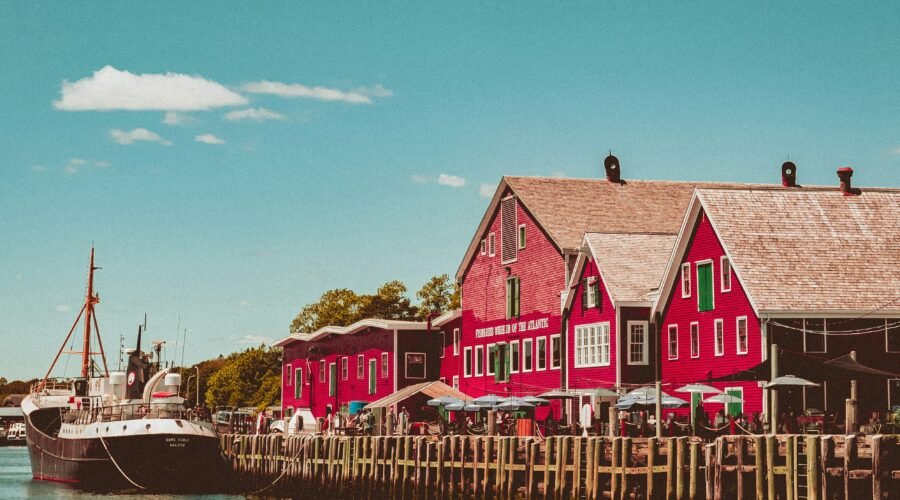
Deciding on the best time to visit Lunenburg, Nova Scotia, comes down to what you want from your trip. This colourful coastal town has something to offer throughout the year, but the weather, crowds, prices, and available activities change with the seasons. For a comfortable mix of sightseeing opportunities and manageable crowds, June and September are particularly appealing. July and August offer the liveliest waterfront atmosphere, while late fall and winter suit visitors who prefer a quieter experience.
Quick Answer
The best time to visit Lunenburg, Nova Scotia, is generally June through September. July and August offer the warmest weather and a lively waterfront, while June and September provide a good balance of sightseeing, seasonal attractions, and potentially lighter crowds. October is appealing for autumn scenery, but some attractions begin closing for the season.
Key Takeaways
- Warmest weather: July and August are generally the warmest months and offer plenty of opportunities for outdoor sightseeing.
- Balanced experience: June and September offer a useful combination of milder crowds, pleasant conditions, and seasonal activities.
- Autumn scenery: September and October bring changing colours, cooler temperatures, and shorter days.
- Budget travel: Late spring, autumn, and winter may offer accommodation savings, although prices vary by property and date.
- Important planning detail: Boat tours, museums, and seasonal businesses do not necessarily operate year-round. Always check their schedules before booking.
1. Summer: Warm Weather and a Lively Waterfront
Summer is when Lunenburg truly comes alive. Visitors fill the historic streets, fishing boats move through the harbour, and restaurants and shops enjoy the busiest part of the tourism season.
For travellers who want the widest choice of activities and a lively atmosphere, summer is an attractive time to visit. The trade-off is greater demand for accommodation, tours, and restaurant reservations.
Sunshine and Seaside Days
July and August are generally the warmest months in the Lunenburg area.
For regional context, Environment and Climate Change Canada’s 1991–2020 climate normals for nearby Bridgewater show average daily maximum temperatures of approximately 25°C in both months. Bridgewater is inland from Lunenburg, so the historic waterfront may feel cooler when ocean breezes or fog move in.
You can explore the colourful streets, stroll along the waterfront, enjoy a harbour cruise, or visit nearby coastal communities without needing heavy winter clothing.
Evenings can still feel cool, especially near the water. A light jacket or sweater is worth carrying throughout the summer.
For official regional climate information, consult Environment and Climate Change Canada’s Bridgewater climate normals.
Popular Waterfront Attractions and Events
Summer brings opportunities to experience Lunenburg’s maritime heritage through museums, harbour activities, and community events.
The Lunenburg Folk Harbour Festival is one of the town’s best-known annual events. It normally takes place in early August and features performances at indoor and outdoor venues.
The 2026 festival took place from August 6 to August 9. Future visitors should consult the official Folk Harbour website for the dates and programme of their intended travel year.
Another major attraction is Bluenose II, the replica of the famous Nova Scotian fishing and racing schooner.
The vessel has Lunenburg as its home port, but it also travels to other communities and events. Open-deck visits and public cruises depend on the ship’s schedule, weather, and operational requirements.
Check the official Bluenose II sailing schedule before planning a trip specifically to see or sail aboard the vessel.
The Fisheries Museum of the Atlantic is another worthwhile stop. Its waterfront exhibits explore the region’s fishing heritage and the people whose livelihoods have long depended on the sea.
The Flipside: Crowds and Costs
Peak-season popularity means more people in shops, restaurants, museums, and along the waterfront.
Accommodation can also be more expensive during busy summer dates, particularly around festivals and popular weekends. Actual prices depend on the property, booking conditions, and availability.
Booking accommodation early gives you a wider selection of hotels, inns, and vacation rentals.
Consider reserving popular dining experiences and sailing trips in advance, especially when your travel dates overlap with major events.
What to Pack for Summer
- Lightweight shirts and comfortable trousers or shorts.
- Comfortable walking shoes for Lunenburg’s hilly streets.
- Sunscreen, sunglasses, and a hat.
- A reusable water bottle.
- A light sweater or windbreaker for evenings.
- A waterproof outer layer for occasional showers or boat trips.
If you plan to take a boat tour, bring an extra layer even when the forecast looks warm. Conditions on the water can feel cooler than they do in town.
2. Late Spring: Blooming Landscapes and Fewer Visitors
Visiting Lunenburg in late spring offers a quieter introduction to the town. Nature is coming back to life, temperatures are gradually rising, and the main summer rush has not yet arrived.
It’s an appealing season for visitors who enjoy walking, photography, galleries, and historic attractions without the busiest summer crowds.
Mild Temperatures and Blooming Landscapes
May and June bring increasingly comfortable weather, although the two months can feel quite different.
May is generally cooler, and you may encounter damp weather, fog, or brisk coastal winds.
June usually offers warmer afternoons and longer daylight hours, making it more comfortable for extended walks around the historic town.
Nearby Bridgewater’s 1991–2020 climate normals show average daily highs of approximately 17°C in May and 22°C in June. These are regional reference figures, not exact waterfront temperatures.
Flowers begin to bloom, trees regain their leaves, and the combination of colourful buildings and fresh greenery creates appealing photography opportunities.
A Calmer Time Before the Summer Rush
One of the advantages of visiting in late spring is the chance to explore at a more relaxed pace.
You can wander through the historic streets, browse independent shops, and spend time appreciating the town’s preserved wooden architecture.
Old Town Lunenburg is a UNESCO World Heritage Site, recognized for its preserved colonial town plan and architectural heritage.
The town’s waterfront also reflects a working maritime community rather than simply a collection of visitor attractions.
Cost Advantages
Some accommodation providers offer more competitive rates before the busiest summer weeks.
However, savings are not guaranteed. Prices may rise during long weekends, events, and periods of strong demand.
Compare accommodation for your actual travel dates rather than assuming every spring booking will be cheaper than summer.
Check Which Attractions Have Opened
One important difference between May and June is the availability of seasonal attractions.
For example, the Fisheries Museum of the Atlantic opened its 2026 season on May 23, with a scheduled closing date of October 24.
Other museums, tours, restaurants, and seasonal businesses may follow different calendars.
Before booking a May trip, check the Fisheries Museum’s official visitor information and confirm the operating dates of other attractions you want to visit.
Potential for Variable Weather
Spring weather can change quickly along the coast.
You might enjoy a sunny afternoon followed by rain, mist, or a noticeable drop in temperature.
Fog can also move in from the Atlantic and temporarily obscure harbour views.
Ocean water remains cold during spring, so do not assume that a warm afternoon makes swimming conditions safe.
What to Pack for Late Spring
- T-shirts and long-sleeved shirts.
- A medium-weight sweater or fleece.
- A waterproof and windproof jacket.
- Comfortable walking shoes.
- An extra warm layer for boat trips.
- A hat or scarf for cooler mornings and evenings.
Layers are especially useful because you can adjust your clothing as temperatures and coastal conditions change throughout the day.
3. Early Fall: Autumn Colours and Crisp Coastal Air

As summer fades, Lunenburg moves into a quieter season with cooler air, changing foliage, and a more relaxed waterfront atmosphere.
September is particularly appealing for visitors who want to combine outdoor sightseeing with the chance to enjoy seasonal attractions. October offers a different experience, with cooler weather and autumn scenery becoming more prominent.
Autumn Colours and Comfortable Sightseeing
September often retains some of the warmth of summer, making it suitable for walking through town and exploring the waterfront.
October is noticeably cooler. Nearby Bridgewater’s climate normals show average daily maximum temperatures of approximately 21°C in September and 14°C in October.
Lunenburg’s coastal location means that wind, fog, and changing weather systems can make conditions feel different from those regional averages.
The surrounding landscape gradually takes on autumn colours, while evergreen trees provide a contrast to changing deciduous foliage.
For photography, the combination of colourful buildings, harbour views, and softer autumn light can be especially appealing.
A More Relaxed Pace
Visitor numbers often begin to ease after the main summer holiday period.
This can mean a less crowded waterfront, more room to explore historic streets, and a calmer atmosphere in shops and restaurants.
However, September weekends and special events can still attract plenty of visitors.
If avoiding crowds is a major priority, consider a weekday visit rather than assuming every autumn date will be quiet.
Value for Money
As summer demand declines, some accommodation providers may offer better availability or lower rates.
Early fall can therefore provide good value, particularly for visitors who have flexibility with their travel dates.
Compare several properties and check cancellation policies. A lower advertised nightly rate does not always mean a lower total booking cost.
Harvest Season Feasts
Fall is a good time to enjoy seasonal ingredients and regional seafood.
Depending on the restaurant and menu, you may find dishes featuring local seafood, root vegetables, apples, and other seasonal produce.
Restaurant menus and opening hours vary, especially as the tourism season winds down.
Check current menus and reserve ahead when you have a particular restaurant in mind.
Shorter Days and Changing Weather
Daylight gradually decreases throughout autumn, giving you less time for outdoor sightseeing as October progresses.
Rain, strong winds, and coastal storms can also affect travel plans.
Atlantic hurricane season officially runs from June 1 through November 30. This does not mean storms will affect Lunenburg during your visit, but it is a reason to check forecasts when planning autumn coastal activities.
For current forecasts and alerts, use Environment and Climate Change Canada.
What to Pack for Early Fall

Early fall is prime layering season.
- T-shirts and warmer long-sleeved clothing.
- A fleece jacket or sweater.
- A waterproof and windproof coat.
- Comfortable waterproof walking shoes.
- A hat and light gloves for cooler October mornings.
- An extra layer for waterfront walks and boat trips.
September visitors may need fewer warm layers than those travelling in late October, but a waterproof jacket is useful throughout the season.
4. Shoulder Seasons: The Quiet Charm
The shoulder seasons are the periods around the busiest summer travel months.
For Lunenburg, late spring and early fall generally offer the most useful balance between quieter sightseeing and access to seasonal activities.
Late October and November are more firmly part of the transition into the off-season, when businesses may begin reducing their hours or closing for winter.
Lunenburg Weather, Crowds, and Costs by Month
The following table provides a general planning comparison. Weather varies from year to year, and accommodation prices depend on actual travel dates and availability.
| Month | Weather | Crowds | Costs |
|---|---|---|---|
| May | Cool to mild; variable | Generally lighter | Potential shoulder-season savings |
| June | Milder and increasingly warm | Moderate to busy | Variable |
| July | Generally warm | High | Often higher demand |
| August | Generally warm | High | Often higher demand |
| September | Mild to cool; variable | Moderate | Potentially better value |
| October | Cooler; autumn conditions | Generally lighter | Variable; some seasonal closures |
| November | Cool, wet, and sometimes windy | Low | Possible off-season savings |
| December–February | Cold; rain, snow, and ice possible | Low | Often lower demand; limited availability |
Late Autumn: The Windswept Coast
Late October and November represent the transition into winter.
You may experience crisp sunshine, rain, strong winds, or the first wintry conditions of the season.
The waterfront becomes quieter, and the town’s historic buildings take on a different character without the bustle of summer visitors.
Late autumn can appeal to travellers who enjoy photography, coastal scenery, and a slower pace.
However, daylight is limited compared with summer, and many seasonal attractions begin closing.
Post-Holiday Quiet
Early December, before the busiest Christmas holiday dates, can also provide a quieter experience.
The town may have festive decorations and community activities, although these vary from year to year.
Snow is possible but not guaranteed. Visitors should also prepare for rain, ice, and windy conditions.
Check restaurant, accommodation, and attraction schedules before making a winter booking.
Cost Savings Continue
Some accommodation providers offer attractive rates during lower-demand months.
However, winter discounts are not universal, and fewer operating properties can sometimes limit your choices.
Compare total prices, parking arrangements, cancellation terms, and available amenities before booking.
Embrace the Local Vibe
Visiting outside the busiest tourism season gives you a chance to experience Lunenburg as a working community.
You may have more time to browse galleries, speak with shop owners, or enjoy a relaxed meal without summer crowds.
Remember that residents live and work here year-round. Respect private property, working waterfront areas, and local parking rules while exploring.
Weather Preparedness Is Crucial
Late fall and early winter call for flexible plans.
Coastal weather can affect driving conditions, outdoor activities, and boat operations.
Warning: Never approach exposed waterfront edges or attempt a boat trip during hazardous weather. Check official forecasts and follow local warnings when strong winds, heavy rain, snow, or coastal flooding are possible.
If the forecast deteriorates, move outdoor sightseeing to another day and consider indoor activities that are confirmed open.
What to Pack for Late Autumn and Early Winter
- Warm sweaters or fleece layers.
- Thermal clothing for colder days.
- An insulated, waterproof, and windproof coat.
- Waterproof footwear with good traction.
- Warm socks, gloves, and a hat.
- A scarf or neck gaiter for windy conditions.
If you are travelling by car, allow extra time during poor weather and check provincial road conditions before setting out.
5. Winter: A Quiet Coastal Retreat
Winter in Lunenburg offers a different experience from the busy summer months.
Snow-dusted streets, quiet waterfront views, and cosy indoor spaces can make the town appealing to visitors who enjoy slower travel.
However, winter is not the right season for anyone whose main priority is a full schedule of boat tours, outdoor events, and seasonal attractions.
Snow-Covered Charm and Cosy Interiors
December through February brings cold weather and the possibility of snow, rain, freezing precipitation, and icy conditions.
Temperatures vary throughout winter. For regional context, nearby Bridgewater’s 1991–2020 climate normals show average daily maximum temperatures of approximately 3°C in December, 0°C in January, and 1°C in February.
Individual days may be considerably colder or warmer, and coastal winds can make outdoor conditions feel more severe.
When snow covers the historic streets, Lunenburg’s colourful architecture can look especially striking.
On colder days, cafés, restaurants, and year-round shops provide welcome places to warm up, provided they are open during your visit.
A True Escape from the Crowds
Winter generally brings fewer leisure visitors than the summer months.
This can make it easier to enjoy peaceful walks and photograph the historic streets without the main tourist crowds.
It also gives you a different perspective on the town’s architecture and maritime heritage.
However, fewer visitors do not mean every attraction is accessible. Some buildings and businesses close seasonally.
Finding Winter Accommodation Deals
Lower tourism demand may create opportunities for accommodation savings.
Compare several hotels, inns, and rental properties rather than assuming winter always produces the lowest rates.
Before booking, confirm that the property is operating during your dates and that the facilities you need are available.
If you are driving, ask about parking and any arrangements for snow or ice removal.
Limited Daylight and Operating Hours
Winter days are short, with later sunrises and earlier sunsets.
Plan outdoor photography and waterfront walks around the available daylight.
Many seasonal attractions operate reduced schedules or close entirely during winter.
For example, the Fisheries Museum of the Atlantic’s published 2026 season ended on October 24.
Bluenose II also operates according to a seasonal sailing and maintenance schedule rather than offering year-round public harbour cruises.
Always verify opening hours directly with the attraction before travelling.
Focused on Local Life
Winter allows visitors to appreciate the quieter side of Lunenburg.
The town remains a living community, with residents, businesses, and maritime activity continuing beyond the main tourist season.
A leisurely meal, a walk through the historic streets, or a visit to an open gallery can provide a rewarding experience without a crowded itinerary.
Keep your plans flexible, particularly when weather conditions are changing.
What to Pack for Winter
- An insulated, waterproof, and windproof winter coat.
- Thermal base layers.
- Warm sweaters or fleece clothing.
- Thick socks.
- A warm hat that covers your ears.
- Insulated gloves or mittens.
- Waterproof winter boots with good traction.
- A scarf or neck gaiter.
Consider carrying an extra layer if you expect to spend a long time photographing the waterfront.
6. Making Your Choice: Match the Season to Your Priorities
Choosing when to visit Lunenburg is easier when you decide what matters most.
Are you looking for warm weather and a lively waterfront? Would you prefer quieter streets and better accommodation availability? Or is your main interest a particular museum, festival, or sailing experience?
For Sun Seekers and Festival Fans
If you want the warmest weather and a lively atmosphere, July and August are generally the most suitable months.
These months offer opportunities for waterfront sightseeing, festivals, outdoor dining, and boat excursions.
Book accommodation early when travelling during major events or busy weekends.
Remember that individual tours and sailing activities still depend on weather and operator schedules.
For a Balanced Experience: Weather, Crowds, and Value
For many visitors, June and September offer a particularly appealing balance.
- Late spring (May–June): Enjoy gradually warming temperatures, blooming landscapes, and a quieter atmosphere. Check attraction opening dates, especially in May.
- Early fall (September–October): Enjoy cooler air, autumn scenery, and the possibility of lighter crowds. September generally offers more dependable access to seasonal attractions than late October.
These periods allow you to enjoy much of Lunenburg’s character without necessarily experiencing the busiest summer conditions.
For Budget Travellers and Peace Seekers
If your main priorities are saving money and enjoying a quieter atmosphere, consider travelling outside the busiest summer weeks.
- Late autumn (late October–November): Quieter streets and possible accommodation savings, with cooler weather and reduced seasonal services.
- Winter (December–February): A peaceful atmosphere and potential off-season rates, but fewer open attractions and more demanding weather conditions.
Compare actual accommodation prices and confirm operating hours before committing to a low-season trip.
Consider Your Interests
Think about what you most want to do in Lunenburg.
If sailing is your priority, plan around the official vessel or tour schedule rather than the season alone.
If you want to photograph historic streets in softer autumn light, September or October may suit your interests.
If you enjoy quiet coastal scenery and cosy indoor experiences, winter offers a different perspective on the town.
Ultimately, Lunenburg has something special in every season, but matching the timing to your preferred activities will make your trip more rewarding.
How to Plan Your Visit
A little preparation can help you avoid common travel frustrations, especially outside the main summer season.
- Choose your main activities. Decide whether museums, sailing, festivals, photography, dining, or relaxed sightseeing matter most.
- Check operating schedules. Confirm seasonal opening dates before booking accommodation around a specific attraction.
- Compare accommodation. Look at total prices, location, parking, cancellation policies, and availability.
- Review the weather forecast. Coastal conditions can change quickly, so leave room to adjust outdoor plans.
- Allow time to explore. Avoid scheduling every activity back-to-back. Lunenburg is a place worth enjoying at a relaxed pace.
Getting to Lunenburg and Choosing Your Visit Length
Lunenburg is approximately a 90-minute drive from Halifax, depending on your starting point, route, and traffic conditions.
A car is useful for reaching the town and exploring nearby destinations such as Mahone Bay and Blue Rocks.
Once you arrive, much of the historic centre is walkable, although some streets are hilly.
A day trip can provide time to explore the waterfront, see the historic streets, and visit a major attraction.
An overnight stay gives you more flexibility for restaurants, photography, additional activities, and changing weather.
If you plan to visit several South Shore communities, consider allowing more than one day.
Pro Tip: If seeing Bluenose II is a major reason for your trip, check its official schedule before choosing your travel dates. The ship may be visiting another port, undergoing maintenance, or unable to offer cruises because of weather.
Frequently Asked Questions
1. What is the best time to visit Lunenburg, Nova Scotia, for favourable weather?
June through August generally offers the warmest period for outdoor sightseeing, with July and August typically being the warmest months. September can also provide comfortable conditions, although coastal weather remains variable throughout the year.
2. When is the peak tourist season in Lunenburg, Nova Scotia?
The busiest tourism period is generally summer, particularly July and August. Popular events and weekends can increase demand for accommodation, restaurants, and activities. Booking in advance is advisable when travelling during major events.
3. What is the off-peak season in Lunenburg, Nova Scotia?
Winter, particularly December through February, is generally the quietest tourism period. November and early spring can also be relatively quiet. Some seasonal attractions, tours, restaurants, and accommodation properties may have reduced availability.
4. When should I visit Lunenburg to avoid crowds?
May, June, September, and October can offer a quieter experience than the busiest summer weeks. November and winter are generally quieter still, although fewer attractions may be open. Weekday visits can also help you avoid some weekend crowds.
5. What is the most cost-effective time to visit Lunenburg?
Late spring, autumn, and winter may offer accommodation savings compared with busy summer dates. However, prices vary by property, event, and availability. Compare actual booking totals and check whether the attractions you want to visit will be operating.
6. Is September a good time to visit Lunenburg?
Yes. September can provide comfortable sightseeing weather, a less crowded atmosphere, and access to many seasonal attractions. Check official schedules for specific activities, and monitor the weather because Atlantic storm systems can affect coastal travel.
7. Can I see Bluenose II at any time of year?
No. Bluenose II follows a seasonal sailing, visiting-port, and maintenance schedule. The vessel is not continuously available for public visits in Lunenburg. Check its official schedule before planning your trip.
8. Is Lunenburg worth visiting in winter?
Winter can be rewarding if you enjoy quiet streets, coastal photography, and a slower travel experience. However, cold weather, shorter daylight hours, and seasonal closures make advance planning particularly important.
9. Is Lunenburg suitable for a day trip from Halifax?
Yes. Lunenburg is approximately a 90-minute drive from Halifax, making it suitable for a day trip. Staying overnight provides more time for museums, dining, photography, and nearby South Shore destinations.
Sources
- UNESCO World Heritage Centre — Old Town Lunenburg — Official information about the town’s heritage designation, historic layout, and preserved architecture.
- Tourism Nova Scotia — Lunenburg Visitor Guide — Seasonal travel guidance, attractions, and transportation information.
- Environment and Climate Change Canada — Bridgewater Climate Normals, 1991–2020 — Regional temperature context. Bridgewater is used as a nearby reference station rather than an exact measurement of Lunenburg’s waterfront climate.
- Bluenose II — Official Sailing Schedule — Ship locations, public visits, cruises, and seasonal availability.
- Fisheries Museum of the Atlantic — Visitor Information — Museum operating hours, admission information, and seasonal availability.
- Lunenburg Folk Harbour Society — Official information about the annual Folk Harbour Festival and related events.