The best time to visit Machu Picchu depends on whether you want clear mountain views, fewer crowds, or lower travel costs. Dry-season visits offer better hiking conditions, while rainy months bring green landscapes and misty scenery. However, your chosen month also affects which trails you can hike and how far ahead you should book.
Quick Answer
May and September are excellent months to visit Machu Picchu because they offer a useful balance of drier weather and manageable crowds. June through August provides generally reliable hiking weather but attracts more visitors. November through March suits budget travelers who can accept rain. The Inca Trail closes in February, although the citadel remains open.
Also compare: Belfast.
Key Takeaways
- May offers relatively dry conditions and green scenery after the rainy season. September provides another favorable window, although popular routes can still be busy.
- June, July, and August are popular for trekking and photography. June 24 also brings the Inti Raymi festival to Cusco.
- January through March are among the wettest months. February is unsuitable for the classic Inca Trail because of its annual maintenance closure.
- Entrance tickets use specific circuits, routes, dates, and entry times. A general ticket does not automatically include every viewpoint or mountain hike.
- Travel expenses may fall during the rainy season, but Machu Picchu’s official admission rates are not automatically discounted because of the weather.
Last checked: November 15, 2026. Published dates and figures were checked against official sources.
Dry Season vs. Wet Season: The Core Trade-Off at Machu Picchu
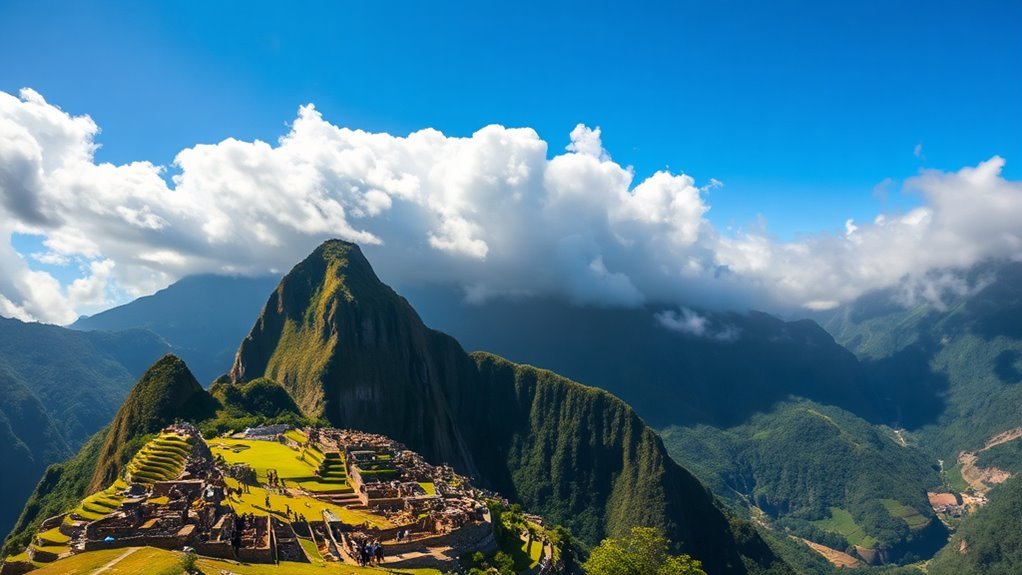
Machu Picchu has two broad weather periods: a drier season from May through October and a wetter season from November through April. The change is gradual, especially during April, October, and November.
During the dry season, you have a better chance of seeing the citadel and surrounding mountains without heavy rain. Hiking paths are usually less muddy, and mountain photography is easier to plan.
However, June through August attracts large numbers of international travelers. Popular entrance times, trains, and accommodations can sell out well in advance.
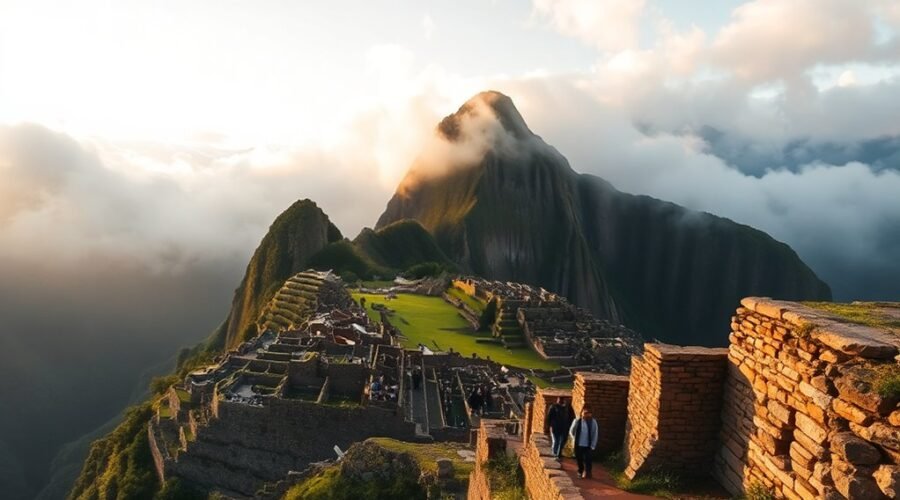
The wet season offers a different experience. Mist rolls through the ruins, surrounding vegetation becomes greener, and visitor numbers are generally lower.
Rainfall is not always limited to brief afternoon showers. Heavy or persistent rain can reduce visibility, delay transportation, and make walking paths slippery.
Neither season guarantees ideal conditions. Machu Picchu lies near Peru’s cloud forest, so clouds, sudden showers, and changing visibility are possible throughout the year.
Month-by-Month Weather Breakdown for Machu Picchu
May through September generally offers favorable conditions for visiting Machu Picchu. January through March brings the greatest rain risk, while April, October, and November are transitional months.
The following table combines seasonal travel patterns with historical climate readings from the Machupicchu meteorological station. The temperature and rainfall figures are approximate values drawn from the district’s published 2006–2009 records, not current forecasts or modern 30-year normals.
| Month | Historical Mean Temperature | Historical Rainfall | Typical Crowds | Travel Considerations |
|---|---|---|---|---|
| January | About 16°C | About 373 mm | Lower outside holidays | Very wet, green scenery, reduced visibility |
| February | About 16°C | About 260 mm | Low | Inca Trail closed for maintenance |
| March | About 16°C | About 355 mm | Low to moderate | Wet trails; Easter dates may increase demand |
| April | About 16°C | About 190 mm | Moderate; higher near Easter | Improving weather and lush scenery |
| May | About 16°C | About 60 mm | Moderate to high | Excellent balance of weather and scenery |
| June | About 15°C | About 37 mm | High | Dry weather; Inti Raymi on June 24 |
| July | About 15°C | About 45 mm | Very high | Good hiking weather; Peru’s Independence celebrations |
| August | About 16°C | About 50 mm | Very high | Generally clear weather and strong demand |
| September | About 16°C | About 45 mm | High | Good visibility; rain risk gradually increases |
| October | About 17°C | About 145 mm | Potentially high | Mixed weather; popular seasonal routes may remain available |
| November | About 17°C | About 195 mm | Lower after early November | Rain increases; attractive green scenery |
| December | About 17°C | About 245 mm | Variable; holiday increase | Wet conditions; Christmas and New Year travel |
These figures come from the Machupicchu district’s disaster risk reduction plan and its historical meteorological records. The report identifies approximately 16.3°C as the historical average monthly temperature, with January and June illustrating the large seasonal rainfall difference.
The historical readings describe average conditions, not the weather you will experience on a particular day. Temperatures also change with elevation, sun exposure, and time of day.
Dry Season Monthly Highlights
May through October is the main period for travelers who prioritize walking conditions and mountain views. However, May and September offer different advantages from July and August.
- May: The rainy season is ending. Green vegetation remains, and rainfall is usually much lower than earlier in the year. It is a strong choice for photography and hiking.
- June: Generally dry conditions make walking more comfortable. Cusco also celebrates Inti Raymi on June 24, which increases demand for accommodation and transportation.
- July: One of the busiest travel periods. Dry weather appeals to trekkers, while Peru’s Independence celebrations on July 28 and 29 can add to regional demand.
- August: Good conditions often continue, but popular routes and preferred entrance slots may remain heavily booked.
- September: A useful compromise between dry weather and slightly reduced peak-season pressure. It is still a popular month, so don’t expect empty ruins.
- October: Rainfall starts increasing. The month can remain busy, especially when travelers choose it to avoid northern summer holidays.
Nature lovers may see hummingbirds, orchids, and other cloud-forest wildlife during suitable conditions. The surrounding sanctuary also supports the spectacled bear, although sightings are uncommon and should never be expected.
Wet Season Monthly Patterns
November through April brings wetter weather and greener scenery. Conditions vary from occasional showers to periods of heavy rainfall, especially during the middle of the season.
- November: Rainfall becomes more frequent, while visitor demand often eases after the main travel season.
- December: Expect wetter trails and lush vegetation. Christmas and New Year can create temporary increases in hotel demand.
- January: Heavy rainfall increases the risk of poor visibility and transportation disruption.
- February: A wet month with fewer trekkers. The Inca Trail closes for scheduled maintenance, but normal visits to the citadel continue when conditions allow.
- March: Rain remains significant, though conditions gradually move toward the drier season.
- April: Rainfall decreases, and green slopes make this month attractive to travelers who want a balance between scenery and weather.
Birdwatching and botanical photography can be rewarding during the wet months. Moist conditions support the surrounding cloud-forest vegetation, but rain may interrupt outdoor activities.
Waterproof jackets, quick-drying clothes, protective bags, and shoes with dependable grip are especially useful. For longer treks, gaiters can help keep mud and water out of your footwear.
The Dry Season (May–October): Clear Skies, Peak Crowds
The dry season gives you the best general chance of enjoying Machu Picchu without prolonged rainfall. June through August usually has the strongest demand, so booking early matters as much as choosing the right month.
Remember that dry weather does not mean cloud-free mornings. Mist can still cover the citadel, even when the afternoon becomes sunny.
Peak Season Travel Tips
A successful peak-season visit starts with choosing the correct entrance route. Machu Picchu uses separate circuits, and each ticket grants access to a defined route rather than the entire archaeological site.
- Choose the experience first. Circuit 1 focuses on panoramic viewpoints, Circuit 2 covers classic archaeological areas, and Circuit 3 explores parts of the lower city and selected mountain routes.
- Reserve high-demand routes early. Huayna Picchu and Machu Picchu Mountain have limited places. Their admission is not included in an ordinary city circuit ticket.
- Stay near your departure point. Spending the previous night in Aguas Calientes can make an early entrance easier. Staying in Ollantaytambo can also be convenient for train connections.
- Pack for changing conditions. Bring sun protection, warm layers, water, and comfortable walking shoes. Cold mornings can turn into warmer afternoons.
- Enjoy local food outside the site. Aguas Calientes offers Peruvian dishes, while Cusco provides a wider range of traditional Andean cuisine, including quinoa-based soups, cuy, and chicha morada.
These preparations reduce the chance of a rushed trip, especially when train schedules and ticket entry windows must fit together.
Crowd Management Strategies
The easiest way to reduce crowd pressure is to choose a suitable entry time and a route that matches your priorities. Early morning and later afternoon visits can feel calmer, although neither guarantees an empty site.
| Timing Strategies | Benefit |
|---|---|
| Early morning entry | Potentially quieter viewpoints and softer light |
| Late afternoon visits | Possible reduction in congestion after midday |
| Alternative routes (Sun Gate) | Different viewpoints when the route is officially available |
| Guided tours (small groups) | Easier communication and a more personal experience |
Some travelers prefer Tuesday, Wednesday, or Thursday visits instead of weekends. However, there is no dependable guarantee that any particular weekday will be quiet.
Small guided groups can be more comfortable than large tours of 20 or more people. A group of around eight travelers may find it easier to stay together on narrow sections.
The Sun Gate, also called Intipunku, is not a substitute for the main entrance. Its visitor route is available only during designated periods and requires the correct admission.
The Wet Season (November–April): Rain, Fewer Tourists, Lower Prices
The wet season is best for travelers who value green landscapes, fewer visitors, and possible accommodation savings more than consistently clear weather. November, March, and April often provide more flexible options than the rainiest months.
Machu Picchu can look especially dramatic when low clouds move between the mountain peaks. However, mist can hide the famous panoramic view for part or all of your visit.
To prepare for wet-season travel:
- Protect your clothing and belongings. Use a waterproof jacket, quick-drying layers, and a rain cover for your bag.
- Choose flexible travel arrangements. When available, refundable accommodation and suitable travel insurance may reduce the financial impact of disruptions. Read the policy exclusions carefully.
- Allow time for transportation. Heavy rain can affect roads, railway operations, and walking routes. Avoid tight connections when possible.
- Plan indoor alternatives. Museums, local restaurants, and cultural activities in Cusco can provide options when outdoor conditions deteriorate.
Warning: Heavy rainfall can trigger landslides, flooding, and transportation interruptions in mountainous areas. Do not enter closed trails, cross flooded sections, or ignore instructions from park authorities. Keep extra time in your travel schedule during the wet season.
Rainy-season visits also create good opportunities for cultural experiences. With fewer tourists, you may find more flexibility when arranging private guides or exploring local dining options.
Responsible travel remains important throughout the year. Stay on approved routes, avoid disturbing wildlife, and carry waste out of protected areas.
When Is Machu Picchu Most Crowded?
Machu Picchu is generally busiest during the main dry-season travel period, especially July and August. However, visitor demand can remain high in September and October, so the shoulder season should not be treated as automatically quiet.
Major holidays, festivals, and the availability of specific circuits also affect demand. Your preferred entrance slot may sell out even when other routes still have tickets.
Peak Season Crowd Levels
Peru’s Ministry of Culture controls the number of daily visitors. Its published 2026 system generally allowed up to 4,500 visitors per day, increasing to 5,600 on designated higher-capacity dates.
According to the officially reported 2026 visitor-cap and circuit rules, the higher-capacity periods included January 1, April 2–5, June 19–November 2, and December 30–31.
For planning beyond 2026, the government has published specific visitor-cap dates for 2027.
| 2027 Dates | Maximum Daily Capacity |
|---|---|
| January 1–3 | 5,600 visitors |
| March 25–28 | 5,600 visitors |
| June 19–November 2 | 5,600 visitors |
| December 29–31 | 5,600 visitors |
| All other dates | 4,500 visitors |
These limits are established in the Ministry of Culture’s 2027 visitor-cap resolution, RM 408-2026-MC.
A capacity limit represents the maximum permitted number of visitors, not the actual number who enter. Tickets are also divided among circuits, routes, and entry times.
Daily Visitor Surge Times
Mid-morning through early afternoon often brings the most congestion at popular viewpoints. The exact pattern changes with train arrivals, available circuits, and weather.
| Time Window | Typical Crowd Pattern | Strategic Advantage |
|---|---|---|
| 6:00–8:00 AM | Often lighter initially | Early access and possible morning light |
| 9:00 AM–2:00 PM | Often busiest | Good daylight but more visitors |
| 2:30–5:30 PM | May become quieter | Afternoon light and possible reduced congestion |
These are general crowd patterns, not guaranteed entry or departure hours. Your ticket determines when you may enter and which route you may follow.
A late entry can work well for photography, but you must leave according to your permitted route and the site’s operating rules.
The Cheapest Months to Visit Machu Picchu
November through March is generally the most promising period for finding lower accommodation and tour-package prices. January and February can be particularly attractive for travelers who accept a higher risk of rain.
However, cheaper travel does not mean that every part of a Machu Picchu visit becomes cheaper.
- Hotels: Budget accommodation in Cusco and Aguas Calientes may offer lower rates when demand falls. Savings vary by property and booking date.
- Train tickets: Promotional fares may be available on selected services, but reductions are not guaranteed throughout the wet season.
- Entrance tickets: Official admission costs depend on the route and visitor category rather than ordinary seasonal hotel demand.
- Guided tours: Some operators may offer more flexible rates or smaller groups during quieter periods.
- Food and activities: Local restaurants and independently arranged cultural activities can help control expenses.
Christmas and New Year are exceptions to the usual low-season pattern. Holiday demand can increase hotel and transportation prices despite the rainy weather.
If budget is your main concern, November or March may offer a more comfortable balance than the wettest part of the season.
What Tickets, Tours, and Hotels Actually Cost by Season
Machu Picchu admission is priced in Peruvian soles, and the amount depends on your visitor category and chosen route. Trains, buses, guided tours, and accommodation usually make up much of the remaining trip budget.
For 2026, published information identifies a regular adult foreign-visitor entrance rate of S/152 for standard circuits, with an additional conservation charge of S/11 under the SERNANP fee rules.
| 2026 Published Charge | Amount | Description |
|---|---|---|
| Standard foreign adult entrance | S/152 | Regular archaeological entry |
| Foreign adult conservation charge | S/11 | Published 2026 sanctuary conservation fee |
| Combined standard foreign adult amount | S/163 | Based on both published charges |
Peru’s state news agency explains the 2026 conservation fee and standard admission rate. Mountain routes have separate prices and limited admission.
Ticket rates may differ for Peruvian citizens, foreign residents, Andean Community nationals, children, and eligible students. The final payment also depends on the selected admission product.
Hotel prices are more variable. Simple rooms in Aguas Calientes have been advertised around US$25–US$60 per night, while luxury accommodation can exceed US$1,000. These are broad examples, not verified current quotes or guaranteed seasonal rates.
Guided packages may cost several hundred dollars per person when transportation, entrance fees, meals, and professional guiding are included.
When comparing packages, confirm whether they include:
- Admission to the exact Machu Picchu circuit you want.
- Train transportation from the departure station to Machu Picchu Pueblo.
- Bus transportation between Aguas Calientes and the archaeological entrance.
- A licensed guide and the language of the tour.
- Meals, accommodation, taxes, and any required conservation charges.
Luxury train services and premium lodging can raise the total considerably. Basic accommodation and standard train services can make a trip more affordable without changing the main archaeological experience.
The Best Time to Hike the Inca Trail to Machu Picchu
May and September are excellent choices for hiking the Inca Trail because conditions are generally drier than during the rainy season. June through August also offers good trekking weather, but permit demand is often much higher.
The classic Inca Trail closes during February for maintenance and conservation. Peru’s protected-area authority confirmed the annual network closure for February 2026 in its official Inca Trail maintenance announcement.
This does not mean the entire archaeological site closes in February. Visitors can still travel to Machu Picchu Pueblo and use permitted citadel routes when the site and transportation are operating normally.
For hiking, consider these seasonal differences:
- May and September: Favorable trekking conditions and a useful balance between scenery and demand.
- June through August: Generally drier trails and good mountain visibility, combined with stronger competition for permits.
- October and November: Increasing rain risk, but opportunities for a quieter trekking experience.
- December and January: Mud, heavy showers, and possible trail disruptions make preparation more demanding.
- February: The Inca Trail network is closed for scheduled conservation work.
- March and April: Trekking conditions gradually improve as rainfall decreases, although muddy sections remain possible.
Traditional Inca Trail treks commonly begin near Piscacucho at kilometer 82, while shorter options use other authorized access points. These routes require permits and approved arrangements.
Warning: The Inca Trail includes strenuous climbing, uneven stone steps, and high-altitude sections. Wet conditions increase the risk of slips. Travelers with heart, lung, or other relevant medical conditions should discuss altitude exposure and trekking demands with a qualified healthcare professional before booking.
If the traditional trail is unavailable, alternative trekking routes may operate under different rules. Their availability depends on weather, local restrictions, and the operator.
Which Month Is Best for Your Travel Style?
May and September are strong overall choices, but the best month for you depends on what you want from your visit. Photography, hiking, cultural festivals, and budget travel each favor a slightly different period.
Use these recommendations to choose more precisely.
- Best for first-time visitors: May or September. You get a useful combination of favorable weather and manageable planning conditions.
- Best for generally dry weather: June through August. These months suit travelers who prioritize trekking and mountain visibility over quieter surroundings.
- Best for green landscapes: April or May. The hills often remain lush after the rainy season.
- Best for cultural festivals: June. Cusco celebrates Inti Raymi on June 24, with events centered on Qorikancha, Plaza de Armas, and Saqsaywaman.
- Best for budget opportunities: November through March. Lower demand can improve hotel and tour availability, excluding busy holiday periods.
- Best for dramatic misty photography: November through March. Clouds can create striking scenes but may also obscure the ruins.
- Best for Inca Trail trekking: May or September. Both offer favorable seasonal conditions without relying entirely on peak summer travel dates.
The official Inti Raymi festival information confirms June 24 as the main celebration date. The ceremonies take place in Cusco rather than inside Machu Picchu itself.
Public spaces around Cusco may provide free opportunities to experience festival activity, while designated seating for major performances can require paid admission.
Photography also depends on your chosen circuit. A ticket that provides a panoramic viewpoint is not necessarily the same as a ticket allowing a walk through the main archaeological structures.
Pro Tip: If you want both a classic panoramic photograph and an extended visit through the ruins, compare the available routes before paying. You may need separate tickets to experience viewpoints and areas that do not belong to the same circuit.
This distinction matters more than simply choosing the earliest available entrance.
How Far in Advance Should You Book Machu Picchu?
Book your Machu Picchu entrance and major transportation arrangements as soon as your travel dates are firm. High-demand circuits and Inca Trail permits can sell out months ahead, particularly during the dry season.
A practical planning timeline is:
- Inca Trail permits: Aim for five to six months ahead for high-demand dates. Some popular departures can sell out shortly after permits become available.
- Standard entrance tickets: Try to book one to three months ahead, allowing more time for July, August, major holidays, and limited-capacity routes.
- Train tickets: Reserve around two to three months ahead when possible, especially for popular services and preferred departure times.
- Accommodation: Book early if you want a particular hotel in Aguas Calientes or Cusco during festival periods.
These are planning recommendations rather than guaranteed booking windows. The government’s annual ticket-release schedule determines when each year’s inventory becomes available.
Buy entry through the official Machu Picchu ticket availability system. Choose your date, circuit, route, and entry time carefully before completing payment.
For travel to the citadel, most independent visitors take a PeruRail or Inca Rail service toward Machu Picchu Pueblo, also called Aguas Calientes. They then travel by shuttle bus or walk uphill to the archaeological entrance.
The train does not take you directly into the ruins. Train, bus, and entrance tickets are separate arrangements unless a tour package explicitly includes them.
Bring the identification document associated with your ticket. Ensure names and document numbers match your reservation.
Note: Machu Picchu’s official rules restrict several common travel items, including large backpacks, umbrellas, tripods, selfie sticks, and ordinary walking sticks. Visitors must also remain on their assigned routes. Review these restrictions while packing, especially if you plan to combine sightseeing with trekking.
Planning each part of the journey together helps prevent an expensive mismatch between your train arrival, entrance time, and return transportation.
Best Time To Visit Machu Picchu: Frequently Asked Questions
Can You Visit Machu Picchu With Mobility Issues or Disabilities?
Yes, but access can be difficult because Machu Picchu has steep steps, narrow paths, and uneven stone surfaces. Shuttle buses reduce the uphill journey from Aguas Calientes, but the archaeological circuits are not fully wheelchair accessible. Arrange specialized assistance and confirm the suitability of your chosen route before booking.
Is Machu Picchu Safe for Solo Female Travelers Year-Round?
Machu Picchu is a popular destination for solo female travelers, but no destination is risk-free. Use reputable transportation and accommodation, protect your belongings, and stay aware in crowded areas. Guided tours can provide extra support. Wet-season transportation disruptions are another factor to consider when planning independently.
What Languages Do Official Machu Picchu Guides Speak During Tours?
Spanish and English are commonly available for guided tours of Machu Picchu. Some operators also provide guides who speak French, German, Portuguese, or other languages. Availability varies by guide and travel date, so confirm your preferred language with the licensed tour operator before booking.
Are Drones Allowed Inside the Machu Picchu Archaeological Site?
No. Drone flights are prohibited under Machu Picchu’s visitor code of conduct. The rules also restrict tripods and other photography accessories. You can take ordinary personal photographs using permitted handheld equipment while respecting marked pathways, protected structures, and instructions from site staff.
The restrictions above are detailed in the official Machu Picchu code of conduct.
What Vaccinations or Health Precautions Are Needed Before Visiting Machu Picchu?
Yellow fever vaccination is not normally recommended for travel limited to Machu Picchu, Cusco, and the Inca Trail. However, other parts of Peru have different recommendations. Travelers should also prepare for altitude exposure, especially in Cusco, and discuss preventive medication such as acetazolamide with a healthcare professional when appropriate.
The CDC’s Peru travel health recommendations provide destination-specific vaccination advice. Gradual acclimatization, suitable hydration, and attention to symptoms are important for high-altitude travel.
Conclusion
For most visitors, May and September offer the best balance between weather and travel conditions at Machu Picchu. Choose June through August if dry-season trekking is your priority, or November through March if you prefer greener landscapes and possible budget savings.
Once you’ve chosen your month, select the correct circuit and secure your entrance tickets before arranging the rest of your journey. Good timing matters, but the right route and careful preparation make the experience truly worthwhile.
Sources
- Municipalidad Distrital de Machupicchu, Disaster Risk Reduction Plan: Historical Machupicchu station temperature and precipitation records.
- Agencia Andina, 2026 Machu Picchu Visitor Rules: Officially reported circuits, entry conditions, and visitor limits.
- EMUFEC, Inti Raymi: Festival date and main ceremonial locations.
- Ministerio de Cultura, RM 408-2026-MC: Published 2027 Machu Picchu visitor-cap dates and daily limits.
- Agencia Andina, Machu Picchu Conservation Fee: Published 2026 entrance and conservation charge information.
- SERNANP, Inca Trail Maintenance Announcement: February closure and conservation work.
- Ministerio de Cultura, Tu Boleto: Official Machu Picchu entrance ticket availability and booking.
- Machu Picchu Official Code of Conduct: Visitor restrictions, including drone and photography equipment rules.
- Centers for Disease Control and Prevention, Peru Traveler Health: Vaccination and travel health recommendations.