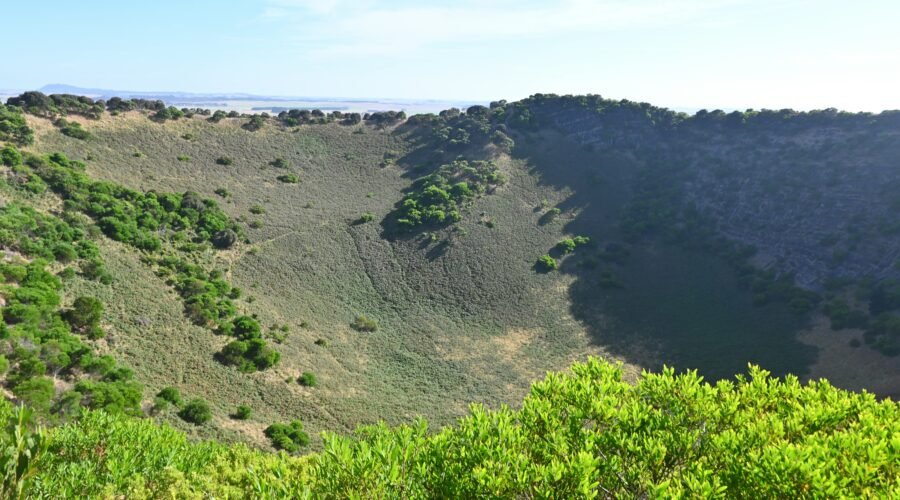
Planning a trip to Mount Gambier? For the best balance of comfortable weather, manageable crowds, and good sightseeing conditions, March to April and October to November are usually the strongest choices. Summer is drier and shows off Blue Lake/Warwar’s famous turquoise colour, while winter brings the quietest atmosphere but also Mount Gambier’s coolest and wettest weather.
Quick Answer
The best overall time to visit Mount Gambier is March-April or October-November, when daytime temperatures are generally mild and the city is outside the busiest summer-holiday period. Visit from November through February for the Blue Lake’s strongest turquoise colour, or choose winter if low crowds matter more than dry weather.
Key Takeaways
- Best overall balance: March-April and October-November.
- Best Blue Lake colour: The major turquoise colour change generally develops around November and lasts through summer before fading around late February or March.
- Driest period: Summer has the lowest average rainfall, although hot, windy, or high-fire-danger days can still affect outdoor plans.
- Quietest period: Winter usually brings fewer visitors, but it is also Mount Gambier’s wettest and coolest season.
- Watch event dates: Easter, school holidays, Generations in Jazz, the Mount Gambier Show, and other major events can temporarily push up visitor numbers and accommodation demand.
Mount Gambier Weather by Season
Mount Gambier in South Australia’s Limestone Coast has four distinct seasons. Long-term Bureau of Meteorology climate statistics for Mount Gambier Aero show a clear pattern: summers are relatively mild and dry by Australian standards, while winters are cool and much wetter.
Mount Gambier Aero averages about 100.5 mm of rain in July, compared with about 26.5 mm in January, making winter rainfall an important part of trip planning.
Summer: December-February
Summer is Mount Gambier’s warmest and driest season. Based on Bureau of Meteorology long-term averages, mean daytime highs are about 23-26°C, while mean overnight lows are around 10-12°C. Individual hot days can rise well above those averages, so check the short-range forecast before long walks or drives.
Summer is also the prime season for seeing Blue Lake/Warwar in its most striking turquoise phase. Official local material says the colour change develops around November and remains prominent through summer before returning toward its darker colour around late February or March.
Pros of Summer Visits
- Warm Weather: Good for walking, cycling, picnics, and exploring the crater-lake area.
- Long Daylight Hours: You have more usable daylight for sightseeing and regional drives.
- Blue Lake Colour: Summer is one of the strongest periods for seeing the famous turquoise water.
- Swimming Nearby: If swimming is part of your plans, the separate Little Blue Lake is a popular warm-weather swimming spot.
Cons of Summer Visits
- Higher Holiday Crowds: The Christmas and January school-holiday period can make major attractions, accommodation, and restaurants busier.
- Higher Accommodation Demand: Popular properties may have less availability, especially around holiday weekends.
- Fire Weather: Hot, dry, and windy conditions can raise bushfire danger. Check current SA Country Fire Service ratings and Total Fire Bans before regional drives, hikes, or outdoor cooking.
- Strong UV: Sun protection remains important even when the air temperature feels mild.
Warning: Blue Lake/Warwar and Little Blue Lake are different places. Do not treat Blue Lake/Warwar as a swimming lake. For swimming, use designated or locally approved locations such as Little Blue Lake and follow posted safety rules; cliff jumping at Little Blue Lake is not permitted.
Autumn: March-May
Autumn is one of the best all-round periods for Mount Gambier. Mean daytime highs ease from about 23°C in March to about 16°C in May, while nights become progressively cooler. Rainfall also rises as winter approaches, so May is noticeably wetter than March.
Pros of Autumn Visits
- Mild Temperatures: March and April are particularly comfortable for crater walks, gardens, cycling, and day trips.
- Less Summer-Holiday Pressure: Visitor numbers usually settle after the main January holiday period.
- Good Sightseeing Conditions: Cooler afternoons can make long outdoor days easier than during a hot summer spell.
- Food and Wine Trips: Autumn works well for combining Mount Gambier with the surrounding Limestone Coast and Coonawarra wine region.
Cons of Autumn Visits
- Increasing Rain: Conditions become progressively wetter from March into May.
- Shorter Days: Available daylight decreases as winter approaches.
- Event Spikes: Easter and Generations in Jazz can create short periods of very high accommodation demand.
Winter: June-August
Winter in Mount Gambier is cool and wet. Bureau of Meteorology averages show mean daytime highs of roughly 13-14°C and overnight lows around 5-6°C. June, July, and August are also the wettest months of the year on average, so waterproof outerwear is more useful than relying only on warm layers.
Pros of Winter Visits
- Low Visitor Pressure: Outside school holidays and special events, winter generally feels quieter than summer.
- Atmospheric Scenery: Mist, clouds, green landscapes, caves, and gardens can give the region a very different photographic mood.
- Better Availability: You may find a wider choice of rooms outside holiday periods, although live prices should always be checked before assuming winter is cheapest.
- Indoor and All-Weather Options: Cafes, cultural attractions, visitor centres, and cave experiences can balance rainy days.
Cons of Winter Visits
- Cool and Wet Weather: Long outdoor walks are more likely to be interrupted by showers.
- Shorter Daylight: Regional day trips require earlier starts.
- Reduced Seasonal Operations: Some tours and regional attractions may use different winter schedules, so confirm hours before driving out.
Spring: September-November
Spring warms gradually, with mean daytime highs rising from about 16°C in September to about 21°C in November. September can still be relatively wet, but average rainfall declines through October and November. Gardens and vegetation become more colourful as temperatures rise.
Pros of Spring Visits
- Pleasant Temperatures: October and November can be excellent for walking and outdoor sightseeing.
- Good Daylight: Days lengthen quickly toward summer.
- Gardens and Greenery: Spring is well suited to Umpherston Sinkhole/Balumbul, Cave Garden/Thugi, and the crater-lake walking areas.
- Blue Lake Transition: Around November, Blue Lake/Warwar begins its striking change toward vivid turquoise.
Cons of Spring Visits
- Changeable Weather: Cool winds, showers, and warm sunny periods can occur close together.
- School-Holiday Crowds: Late September and early October can be busier during South Australian school holidays.
- Event Traffic: The Mount Gambier Show can create a noticeable local crowd spike in October.
If you’re comparing how seasonal weather and crowd patterns affect other destinations, you can also read this guide to the best time to visit Kula, Manisa.
Crowds and Your Experience
Visitor numbers can change the feel of Mount Gambier even when the weather is excellent. The most useful strategy is to look beyond the season itself and check school holidays, public holidays, and major events before choosing your exact dates.
Peak Season Considerations
- Summer School Holidays: Mid-December through January is one of the most consistently busy family-travel periods.
- Easter: The long weekend can produce a short but significant accommodation and traffic spike.
- South Australian School Holidays: Family travel often increases during autumn, winter, and spring breaks. Check the current South Australian school term and holiday dates before booking.
- Major Events: Generations in Jazz and the Mount Gambier Show can make individual weekends much busier than the surrounding month.
Off-Peak Advantages
- More Relaxed Sightseeing: Lookouts, gardens, and walking areas can feel calmer outside holidays and events.
- Easier Parking: Parking pressure is generally lower away from major event weekends.
- Cleaner Photos: Fewer visitors make it easier to photograph popular viewpoints without large groups in the frame.
- More Accommodation Choice: Lower-demand dates can provide more room-category and property options.
Pro Tip: Before booking a supposedly quiet April, May, or October trip, check Mount Gambier’s event calendar. A single festival or show weekend can matter more to accommodation availability than the general season.
Costs: Making Your Budget Stretch

Mount Gambier can be reasonably budget-friendly because several major natural sights can be enjoyed without a general admission charge. Your largest variable expenses are more likely to be accommodation, transport, dining, and paid tours.
Accommodation
- Summer Holidays: Expect stronger demand, particularly from mid-December through January.
- Shoulder Periods: March-April and parts of spring can offer a useful balance of weather and availability.
- Winter: Availability is often good outside school holidays, but do not assume every hotel will be cheaper; compare live rates.
- Event Weekends: Generations in Jazz can create unusually high demand around late April or early May, while the Mount Gambier Show can affect October availability.
Flights and Fuel
- Flights: If you’re flying to Mount Gambier Airport or using Adelaide or Melbourne as part of a longer road trip, compare fares across several dates. Airfares are dynamic and can change independently of normal tourist seasons.
- Fuel: Fuel is not a fixed seasonal cost. Build driving distance into your budget if you plan to explore Coonawarra, caves, coastal towns, or other parts of the Limestone Coast.
Activities and Dining
- Free Attractions: Public viewpoints and walks around Blue Lake/Warwar can be enjoyed without a general admission fee, and Umpherston Sinkhole/Balumbul is currently listed as a free attraction.
- Paid Experiences: Cave tours, specialist tours, and some other regional experiences charge admission. Prices and operating hours can change, so check the operator before your trip.
- Dining: Menu prices do not necessarily fall in low season, but quieter periods may make reservations easier.
- Tours: Availability can be more limited on quieter dates even when the ticket price itself does not change.
Special Events and Considerations

Mount Gambier’s major events can be either a reason to visit or a reason to choose another weekend. Always confirm annual dates before booking because event schedules can shift from year to year.
Major Annual Events
- Generations in Jazz: This major music festival brings thousands of students, performers, and visitors to the region. The 2026 festival was held 1-3 May, and the next announced event is 30 April-2 May 2027. Book accommodation well ahead if your dates overlap.
- Mount Gambier Show: The official show organizer lists the 2026 Mount Gambier Show for 23-24 October. Expect extra traffic and local activity around the showgrounds.
- Mount Gambier Christmas Parade: This local family tradition is not necessarily a December event. For 2026, the official destination calendar lists it for 21 November.
Note: Event dates above reflect information available for 2026-2027 planning. Check the official Mount Gambier events calendar before paying for non-refundable accommodation.
Other Local Happenings
Markets, exhibitions, performances, sporting events, and community festivals can also affect a particular weekend. Smaller events may not change hotel prices across the whole city, but they can influence parking, restaurant demand, or road access near individual venues.
If you are comparing seasonal planning in another destination, this guide to the best time to visit Fatsa, Ordu also looks at weather, crowds, and costs.
Your Ideal Trip: Putting It All Together
| Month | Typical Mean High / Low | Mean Rainfall | Typical Crowd Pressure | Cost / Booking Pressure |
|---|---|---|---|---|
| January | 25.5°C / 11.4°C | 26.5 mm | High | High holiday demand |
| February | 25.3°C / 11.8°C | 26.2 mm | Medium | Medium |
| March | 23.3°C / 10.7°C | 34.8 mm | Medium | Medium |
| April | 19.6°C / 8.8°C | 53.8 mm | Medium; higher around Easter | Medium; event spikes possible |
| May | 16.2°C / 7.4°C | 72.0 mm | Usually low; very high around Generations in Jazz | Usually moderate/low; potentially high during festival |
| June | 13.9°C / 5.8°C | 85.8 mm | Low | Generally lower demand |
| July | 13.3°C / 5.2°C | 100.5 mm | Low to medium during school holidays | Low to medium |
| August | 14.2°C / 5.6°C | 95.5 mm | Low | Generally lower demand |
| September | 16.0°C / 6.4°C | 72.1 mm | Low to medium | Low to medium |
| October | 18.1°C / 7.2°C | 60.3 mm | Medium; event/holiday spikes | Medium; higher on busy weekends |
| November | 20.6°C / 8.5°C | 47.0 mm | Medium | Medium |
| December | 23.1°C / 10.0°C | 38.6 mm | High from school holidays | High holiday demand |
Weather figures above are long-term averages from the Bureau of Meteorology’s Mount Gambier Aero station. Crowd and cost descriptions are planning guides rather than fixed price forecasts and can change sharply around events and holidays.
Different travelers will value different parts of the year. Here’s how the seasons line up with common priorities.
The Budget-Conscious Traveler
Best Time: Winter outside school holidays, or quiet shoulder-season weekdays
Winter generally brings lower visitor pressure and good accommodation availability, although it is not guaranteed to produce the cheapest room or airfare on every date. Compare live prices before booking. Pack waterproof outerwear and plan a mix of indoor attractions, caves, cafes, gardens, and shorter walks.
The Outdoor Enthusiast
Best Time: March-April or October-November
These periods offer some of the most comfortable conditions for walking, cycling, crater viewpoints, gardens, and day trips. March is relatively dry, while October and November combine longer days with increasingly warm temperatures. Keep a light rain layer handy in every season.
The Family on Holiday
Best Time: March-April or October-November, if school dates allow
Shoulder-season temperatures suit outdoor family activities without requiring the hottest part of summer. If you must travel during school holidays, book accommodation early and start popular attractions earlier in the day.
The Photography Buff
Best Time: November-February for turquoise Blue Lake views; any season for different moods
- Spring: Greener landscapes, gardens, longer days, and the beginning of the Blue Lake colour transition.
- Summer: The strongest opportunity for vivid turquoise Blue Lake/Warwar colour and long evening light.
- Autumn: Softer light, cooler days, and changing vegetation around the wider region.
- Winter: Darker lake colour, mist, wet surfaces, dramatic clouds, and fewer people at many viewpoints.
The Food and Wine Lover
Best Time: Autumn, with flexibility around major events
Autumn pairs comfortable touring weather with a good opportunity to include the nearby Coonawarra wine region and Limestone Coast food stops. If your trip falls near Easter or Generations in Jazz, reserve accommodation and popular restaurants earlier than you normally would.
If you’re comparing this trip with a very different climate, you can also explore these top tips for visiting Hilo.
Practical Tips for Your Mount Gambier Visit
Regardless of the month you choose, a few practical steps can make the trip easier.
Book Ahead for Accommodation
Reserve early for summer school holidays, Easter, Generations in Jazz, the Mount Gambier Show, and other major event weekends. On ordinary off-peak weekdays, you may have much more flexibility.
Pack Layers and Rain Protection
Mount Gambier’s weather can change through the day. Bring layers even in the warmer months, and include a waterproof jacket or compact umbrella if you are visiting from late autumn through spring.
Check Local Weather Forecasts
Climate averages help you choose a month, but they cannot predict your actual travel week. Check the Bureau of Meteorology forecast shortly before departure, especially if you are planning long walks, cycling, or regional drives.
Bring Comfortable Shoes
You’ll probably spend plenty of time walking around crater viewpoints, gardens, sinkholes, and central Mount Gambier. Shoes with reliable grip are particularly useful after rain.
Consider a Rental Car
Many central attractions are easy to combine within Mount Gambier, but a car gives you much more flexibility for the wider Limestone Coast, including Coonawarra, regional caves, coastal towns, and natural attractions outside the city.
Don’t Forget Sun Protection
Do not judge UV exposure only by temperature or cloud cover. For extended outdoor sightseeing, use appropriate sun protection and check the day’s UV forecast.
Build a Wet-Weather Backup Plan
Rain is especially common in winter, so keep a few flexible activities available. Cave tours, visitor centres, galleries, cafes, and shorter garden visits can help you avoid losing an entire sightseeing day to poor weather.
Check Attraction Hours Before Regional Drives
Paid caves, guided experiences, visitor centres, and seasonal attractions may operate on different schedules throughout the year. Check the attraction’s official website before driving a long distance, particularly in winter or on public holidays.
Ultimately, there is no single perfect month for every Mount Gambier trip. Choose March-April or October-November for the strongest overall balance, summer for warmer and drier weather plus the Blue Lake’s turquoise colour, or winter for a quieter trip if you are comfortable with colder, wetter conditions. Whatever season you choose, check major event dates before locking in accommodation.
Frequently Asked Questions
What is the best time to visit Mount Gambier for good weather?
March-April and October-November offer a strong balance of mild daytime temperatures and comfortable outdoor conditions. Summer is warmer and considerably drier, but the Christmas and January holiday period is generally busier.
When is Blue Lake in Mount Gambier at its bluest?
Blue Lake/Warwar generally begins changing toward its vivid turquoise colour around November. The strongest colour is associated with the warmer months, before the lake starts returning toward its darker colour around late February or March.
Can you swim in Blue Lake at Mount Gambier?
No. Blue Lake/Warwar is associated with Mount Gambier’s drinking-water supply and should not be confused with Little Blue Lake. Little Blue Lake, outside the city, is promoted as a swimming location with designated access; visitors should follow all posted safety rules and must not jump from the cliffs.
When is Mount Gambier’s peak tourist season?
The summer school-holiday period from mid-December through January is one of the busiest periods. Easter, school breaks, Generations in Jazz, and major local events can also create short peaks at other times of year.
When is the quietest time to visit Mount Gambier?
Winter weekdays outside school holidays are generally among the quietest times. The trade-off is that June through August are also Mount Gambier’s coolest and wettest months.
Is winter a good time to visit Mount Gambier?
Yes, if you prefer fewer visitors and do not mind cool, wet weather. Winter works best when you pack waterproof clothing and mix outdoor sights with caves, cafes, cultural attractions, and other weather-resistant activities.
What is the rainiest month in Mount Gambier?
Based on Bureau of Meteorology long-term averages for Mount Gambier Aero, July has the highest mean monthly rainfall at about 100.5 mm, followed closely by August. Summer is substantially drier on average.
When should I book accommodation in Mount Gambier?
Book well ahead for Christmas and January holidays, Easter, Generations in Jazz, and major event weekends such as the Mount Gambier Show. On ordinary off-peak dates you can usually be more flexible, but live availability and prices should always be checked before making travel plans.
Sources
- Bureau of Meteorology — Mount Gambier Aero climate statistics — monthly mean temperatures, rainfall, rain days, and sunshine.
- City of Mount Gambier — Crater Lakes Park Trails Sign Plan — Blue Lake/Warwar seasonal colour change and Crater Lakes information.
- Visit Mount Gambier — Events — current local event listings and dates.
- South Australian Tourism Commission — Umpherston Sinkhole/Balumbul — attraction information and current free-entry status.
- South Australian Department for Education — State school term dates — current school terms and holiday periods.
- SA Country Fire Service — Fire Danger Ratings and Total Fire Bans — current fire-safety guidance for warmer-weather travel.