If you’re planning a trip to Cappadocia, choosing the best time to visit Nevşehir, Turkey, can make a big difference. The region changes dramatically between spring flowers, summer sunshine, golden autumn valleys, and snowy winter landscapes.
Weather is only part of the decision. Hot-air balloon conditions, tourist crowds, accommodation demand, and local holidays can all affect your trip.
Quick Answer
The best time to visit Nevşehir is generally April to May or September to October. These months offer comfortable sightseeing temperatures and attractive scenery. May and September are especially good for hiking. Hot-air balloons operate year-round when conditions permit. Summer is hotter, while winter offers quieter surroundings, possible snow, and greater weather-related disruption.
Last checked: October 23, 2026. Dates and figures were verified against official sources.
Key Takeaways
- May has pleasant temperatures but is also Nevşehir’s wettest month on average, so spring is not guaranteed to be dry.
- July and August have the driest weather, but afternoon temperatures can make long valley hikes uncomfortable.
- September and October combine good walking weather with popular tourism periods, so accommodation can still be expensive.
- Winter offers possible snow-covered fairy chimneys and fewer visitors, but balloon flights face greater weather uncertainty.
- For 2027 trips, the March and May religious holidays may increase domestic travel demand.
Best Time to Visit Nevşehir: Month-by-Month Weather
April, May, September, and October provide the most comfortable overall conditions for exploring Nevşehir and Cappadocia. June is another strong choice if you prefer warmer, drier weather.
The following temperatures come from the Turkish State Meteorological Service’s Nevşehir climate records. The figures represent monthly averages for 1991–2020, not forecasts for a particular year.
| Month | Average High / Low | Rainy Days | Travel Conditions |
|---|---|---|---|
| January | 4.1°C / -3.5°C | 8.8 | Cold; possible snow; quiet tourism period |
| February | 6.0°C / -2.6°C | 7.8 | Winter scenery and fewer visitors |
| March | 10.9°C / 1.0°C | 10.3 | Cool, changeable early spring |
| April | 16.3°C / 5.2°C | 11.3 | Good hiking weather; occasional rain |
| May | 21.2°C / 9.3°C | 13.4 | Comfortable temperatures; green valleys |
| June | 25.6°C / 12.3°C | 8.4 | Warm weather and longer dry periods |
| July | 29.3°C / 14.6°C | 2.4 | Hot, dry; busy holiday travel |
| August | 29.4°C / 14.5°C | 2.4 | Hot, dry; summer crowds and events |
| September | 25.3°C / 11.3°C | 3.8 | Warm, relatively dry; popular for sightseeing |
| October | 19.1°C / 7.4°C | 6.9 | Cooler walks and autumn scenery |
| November | 11.6°C / 2.1°C | 7.1 | Chilly; generally quieter |
| December | 6.2°C / -1.4°C | 9.3 | Cold; possible snow; winter travel |
Rainy days are monthly averages, not consecutive rainy days. Temperatures refer to Nevşehir’s official climate observations; individual valleys can feel warmer or colder. Actual weather varies from year to year.
Spring in Nevşehir: March, April, and May
Spring is one of the best seasons for exploring Cappadocia’s valleys, fairy chimneys, and rock-cut churches. Days gradually warm up, vegetation returns, and walking becomes more comfortable.
However, spring weather can change quickly. March is still cold, while April and May can bring rain despite their pleasant daytime temperatures.
March: Early Spring With Unpredictable Weather
March is a transition month. You might enjoy sunny afternoons, but frosty mornings and occasional snowfall remain possible.
The average daytime high is only 10.9°C (52°F), making March cooler than many visitors expect. Nights can approach freezing.
The valleys are gradually waking up after winter, although much of the landscape may still look brown.
March suits travelers who prefer quieter sightseeing and do not mind carrying warm clothing. Indoor attractions, especially underground cities, provide alternatives when the weather turns unpleasant.
April: Mild Weather and Spring Hiking
April is an excellent month to begin exploring Cappadocia on foot. Average daytime highs reach 16.3°C (61°F), while early mornings remain chilly.
The region gradually becomes greener, and wildflowers may appear along the valleys. You can enjoy walks through Rose Valley, Pigeon Valley, and the paths near Göreme without intense summer heat.
Rain is still a factor. April averages more than 11 days with measurable precipitation, so some natural trails may become muddy.
April is also a popular sightseeing month, particularly around public holidays and weekends. It should not be assumed to be crowd-free.
May: Green Valleys and Comfortable Temperatures
May is among the strongest choices for a first Cappadocia trip. With average highs around 21.2°C (70°F), the weather is usually comfortable for sightseeing, photography, and longer walks.
The valleys can look especially green, and seasonal wildflowers and poppies may add color to the surrounding countryside.
However, May is actually Nevşehir’s wettest month in the official climate averages, with approximately 57.4 mm of precipitation and 13.4 rainy days.
Because the weather is so appealing for outdoor travel, demand for cave hotels, balloon flights, and guided tours can also be strong.
Best for: First-time visitors, photographers, hikers, and travelers who want pleasant spring scenery.
Summer in Nevşehir: June, July, and August
Summer brings the warmest and driest weather of the year. Long daylight hours make it easy to combine sightseeing with evening activities.
However, midday heat can become uncomfortable in exposed valleys. Summer also attracts holiday travelers, and certain festival dates can increase local crowds.
June: Warm Days Before the Hottest Weather
June is a good option if you want summer sunshine without the strongest July and August heat. Average highs reach 25.6°C (78°F), and rainfall becomes less frequent.
Early June can retain some of the greenery from spring, although the landscape gradually becomes drier.
Long days provide time for visiting Göreme Open-Air Museum, exploring rock formations, and enjoying sunset viewpoints.
June is particularly suitable for visitors who prefer warmth but still want to spend several hours outside.
July: Hot, Dry, and Popular With Holiday Travelers
July is one of Nevşehir’s hottest months. The average daytime high is 29.3°C (85°F), but hotter afternoons can exceed 35°C (95°F).
Rain is uncommon, averaging only 2.4 rainy days during the month.
Tourist areas such as Göreme, Uçhisar, and the main balloon viewpoints can become crowded, especially during weekends and holiday periods.
For a more comfortable experience, explore exposed valleys early in the morning. Save museums, shaded cafés, and indoor attractions for the hottest afternoon hours.
July works well for travelers who enjoy dry summer conditions and do not mind busy tourist areas.
August: Summer Heat and Cultural Events
August is almost identical to July in average temperature, with daytime highs around 29.4°C (85°F).
The weather is typically hot and dry. Summer holidays can keep popular hotels, restaurants, and viewpoints busy.
August can also bring major cultural events to Nevşehir. The Nevşehir Culture Road Festival opened on August 1, 2026, and ran for nine days, featuring concerts, exhibitions, workshops, and other activities.
The dates of future editions should not be assumed to match the 2026 schedule.
If you’re visiting for sightseeing rather than a festival, avoid planning all your outdoor activities around midday.
Best for: Summer holidays, dry-weather sightseeing, cultural events, and travelers comfortable with heat.
Autumn in Nevşehir: September, October, and November
Autumn is another excellent season for visiting Cappadocia. The summer heat fades, walking becomes easier, and parts of the landscape turn golden.
September and October are particularly attractive for photography and outdoor sightseeing. However, these months are also popular with tourists, so they are not necessarily inexpensive or quiet.
September: Warm Weather Without Peak Summer Heat
September is one of the best months for a balanced Cappadocia trip. Average daytime highs reach 25.3°C (78°F), while evenings are noticeably cooler.
Rainfall remains relatively low, averaging only 3.8 rainy days.
The valleys gradually shift from their summer colors toward warmer autumn tones. This makes September attractive for landscape photography, sunrise viewpoints, and hiking.
Tourism demand can remain high throughout September, particularly at well-known cave hotels and popular balloon operators.
September is an especially good choice if you want warm afternoons without the strongest summer heat.
October: Cooler Walks and Golden Autumn Scenery
October offers excellent sightseeing temperatures, with average highs of 19.1°C (66°F). Cooler weather makes walks around Göreme, Uçhisar, and the nearby valleys more comfortable.
Some trees and vineyards develop autumn colors, while the surrounding rocky landscape takes on warm golden tones.
October is also an important month for outdoor events. The Salomon Cappadocia Ultra-Trail was scheduled for October 16–18, 2026, in the Ürgüp area.
Events like this can increase accommodation demand and activity around their host towns. Future event dates may differ.
October is an excellent choice for visitors who enjoy walking, photography, and cooler temperatures. Just remember that popular hotels can still book up quickly.
November: Cooler Weather and Fewer Visitors
November marks the transition toward winter. Average daytime highs fall to 11.6°C (53°F), and nighttime temperatures can approach freezing.
Most of the autumn greenery begins to disappear, leaving a quieter landscape of rock formations and bare valleys.
Visitor numbers generally fall compared with the popular spring and early autumn periods. This can make November attractive for travelers seeking a more relaxed experience.
Rain, wind, and colder mornings can affect balloon operations and outdoor sightseeing.
November is a reasonable option if you value quieter surroundings more than consistently warm weather.
Winter in Nevşehir: December, January, and February
)
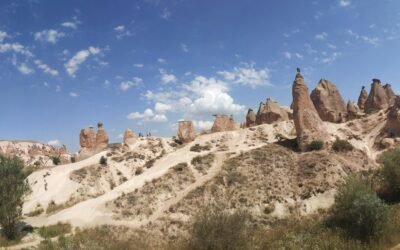
Winter provides a completely different Cappadocia experience. Snow can cover the fairy chimneys, creating dramatic scenery that looks unlike the warmer seasons.
Tourism is generally quieter, and some accommodation providers may offer lower rates. However, freezing mornings, icy paths, and weather-related flight cancellations require flexible plans.
December: Cold Weather and Possible Snow
December brings average daytime highs of just 6.2°C (43°F). Overnight temperatures commonly fall below freezing.
Snow is possible, although a snow-covered landscape is not guaranteed throughout the month.
Visitors who enjoy photography can find striking contrasts between pale rock formations and winter skies.
However, strong winds, poor visibility, and winter precipitation may interfere with balloon operations.
December suits travelers who enjoy cold-weather scenery and quieter sightseeing.
January: The Coldest Part of Winter
January is typically Nevşehir’s coldest month. Its average daytime high is only 4.1°C (39°F), and the average nighttime low is -3.5°C (26°F).
Freezing temperatures, snow, and ice are all possible.
The quieter tourism period can make January appealing to visitors who prefer peaceful surroundings and potentially lower accommodation costs.
However, outdoor activities require warm clothing and sturdy footwear. Natural trails may become slippery or difficult to use after snow or freezing rain.
Balloon flights are possible, but winter weather creates a greater risk of cancellations.
February: Quiet Winter Scenery Before Spring
February remains cold, with an average daytime high of 6°C (43°F) and an average nighttime low of -2.6°C (27°F).
Snow remains possible, and the surrounding valleys can still have a distinctly winter appearance.
Visitor numbers are usually lower than during the popular spring and autumn travel periods.
For travelers who enjoy quiet museums, cave hotels, and winter photography, February can be rewarding.
However, it is not the best choice if your trip depends entirely on a successful balloon flight.
Best for: Winter landscapes, peaceful sightseeing, and travelers comfortable with freezing weather.
When Is the Best Time for Hot-Air Balloon Rides in Cappadocia?
Hot-air balloon flights can operate throughout the year in Cappadocia, but no month guarantees a departure. Wind, visibility, precipitation, and other aviation conditions determine whether flights can safely proceed.
The best overall travel periods for combining a balloon ride with sightseeing are generally spring and autumn. Summer’s drier conditions can also be favorable, while winter brings greater uncertainty.
How Are Balloon Flights Approved?
The official Cappadocia Slot Service Center publishes weather-based flight suitability decisions.
Its system uses colored flight-status flags:
- Green: Meteorological conditions permit a flight, but the final decision remains with the pilot and operator.
- Yellow: Takeoff clearance is not granted under the current assessment.
- Red: Flights cannot proceed under the announced conditions.
Even a sunny morning does not guarantee a flight. Strong winds can ground balloons when the sky looks perfectly clear.
Low temperatures alone do not make ballooning impossible. Winter cancellations are more closely connected to unsuitable wind, visibility, and precipitation conditions.
How Should You Plan Around Cancellations?
If a balloon ride is a major reason for your trip, plan to stay for several mornings rather than just one.
Scheduling your balloon ride for the first available morning leaves more opportunities to reschedule if the weather is unsuitable.
It is also worth understanding the operator’s cancellation and refund terms before booking.
If flights are grounded, you can still visit museums, underground cities, viewpoints, and nearby towns.
When Is Nevşehir Most Crowded?
| Month | Weather | Crowds | Costs |
|---|---|---|---|
| January | Cold, possible snow | Generally low | Often lower |
| April | Mild, occasional rain | Moderate to high | Moderate to high |
| July | Hot, dry | High during holidays | Variable; often high |
| October | Cool, occasional rain | Moderate to high | Moderate to high |
Tourist numbers in Cappadocia depend on more than the temperature. School breaks, weekends, public holidays, and local festivals can create busy periods even outside summer.
Spring and autumn are especially popular among visitors who want comfortable weather for hiking and balloon sightseeing.
Peak Demand: Summer Holidays and Popular Spring and Autumn Dates
July and August are busy summer holiday months, but they are not the only peak periods. April, May, September, and October can also attract substantial numbers of visitors.
Göreme’s most famous viewpoints, cave hotels, and balloon departures tend to receive the greatest attention.
If you prefer a less crowded visit, consider spending part of your day in smaller surrounding towns such as Avanos or Mustafapaşa.
Shoulder Seasons: April, May, September, and October
These months offer some of the region’s most pleasant weather. However, the term “shoulder season” does not always mean low prices or empty attractions in Cappadocia.
Popular cave hotels and balloon operators may still experience strong demand.
April and October are useful choices if you prefer cooler walking conditions. May and September generally offer warmer afternoons.
Low Season: November Through March
November through March is generally quieter, particularly during colder winter weeks.
You may find more accommodation availability and fewer people at popular attractions.
However, winter weather can interfere with outdoor activities. Holidays and weekends may also create temporary increases in visitor numbers.
Public Holidays That Could Affect 2027 Travel
Türkiye’s public holidays are worth considering when choosing accommodation dates, especially around long weekends and major religious celebrations.
The following dates come from Türkiye’s official 2027 public holiday calendar:
- January 1, 2027: New Year’s Day.
- March 9–11, 2027: Ramazan Bayramı (Eid al-Fitr).
- April 23, 2027: National Sovereignty and Children’s Day.
- May 16–19, 2027: Kurban Bayramı (Eid al-Adha).
- July 15, 2027: Democracy and National Unity Day.
- August 30, 2027: Victory Day.
- October 29, 2027: Republic Day.
These are official holiday dates, not confirmed crowd forecasts. However, they may influence domestic travel and hotel availability.
The March and May religious holidays are especially relevant to travelers planning spring visits.
How Much Does It Cost to Visit Nevşehir?
Nevşehir can suit different travel budgets, but costs change with the season, hotel type, and activities you choose.
Accommodation and balloon rides are often important expenses. Museum tickets, transport, and meals should also be included in your budget.
Most Expensive Periods: Summer Holidays and High-Demand Dates
July and August can bring higher prices due to holiday demand. However, popular spring and autumn dates may be just as competitive for accommodation.
Cave hotels with terraces or highly sought-after views often have different pricing from ordinary guesthouses.
Balloon prices can also respond to availability and demand. They should not be treated as fixed throughout the year.
Moderate Costs: Spring and Autumn
April, May, September, and October can offer excellent value in terms of weather and sightseeing comfort.
However, these months are not automatically cheaper than summer.
If your dates are flexible, weekday stays and less popular parts of the month may offer better choices than busy holiday periods.
Budget-Friendly Opportunities: Winter
Winter can provide lower accommodation rates because overall tourist demand is generally reduced.
Some guesthouses and hotels may offer attractive rates during January and February.
However, balloon prices do not necessarily fall with hotel prices. Limited flying days and changing availability can affect the cost.
Official Museum and Attraction Admission Prices
The following admission figures were listed by the Turkish Ministry of Culture and Tourism’s museum fee schedule when checked on October 23, 2026.
These are listed foreign-visitor admission prices, not estimates for an entire trip.
| Attraction | Listed Foreign-Visitor Fee | Details |
|---|---|---|
| Göreme Open-Air Museum | €20 | Rock-cut churches and historic religious buildings |
| Derinkuyu Underground City | €13 | Multi-level underground settlement |
| Kaymaklı Underground City | €13 | Historic tunnels and underground rooms |
| Paşabağ and Zelve Archaeological Sites | €12 | Combined admission to the two sites |
| Dark Church, Göreme | €6 | Separate admission within Göreme Open-Air Museum |
| Gülşehir Açıksaray Archaeological Site | Free | No admission fee listed |
These official prices help explain why your activity choices matter as much as the travel season.
Many outdoor viewpoints and walking routes can also be enjoyed without booking a guided tour, although access or parking charges may apply at particular locations.
Which Attractions Are Worth Visiting in Each Season?
Cappadocia’s best-known attractions can be enjoyed throughout much of the year, but your preferred activities may determine the ideal season.
Outdoor valleys are usually more comfortable in spring and autumn. Underground cities and museums provide useful options during hot summer afternoons or cold winter days.
Göreme Open-Air Museum
Göreme Open-Air Museum is one of the region’s most important cultural attractions. It contains historic rock-cut churches, chapels, and monastery spaces.
According to the official Göreme archaeological site information, its published visiting hours at the time of checking were 8:00 a.m. to 5:45 p.m., with the ticket office closing at 5:15 p.m.
The site was listed as open every day, with separate evening museum access also advertised.
Spring and autumn make outdoor exploration more comfortable, although the museum is also worth visiting in summer and winter.
Derinkuyu and Kaymaklı Underground Cities
Derinkuyu and Kaymaklı are two of Cappadocia’s most famous underground settlements.
They contain passages, rooms, and spaces carved into the region’s soft volcanic rock.
These attractions can be particularly appealing during extreme outdoor temperatures.
However, some passages are low and narrow. Visitors who experience claustrophobia or have mobility limitations should consider the underground environment before entering.
Uçhisar Castle and the Cappadocia Valleys
Uçhisar Castle is a well-known viewpoint above the surrounding rocky landscape.
Rose Valley, Pigeon Valley, and Love Valley are also popular for sightseeing and photography.
Spring offers seasonal greenery, summer brings clear and dry conditions, autumn creates warmer landscape colors, and winter may add snow.
Each season changes the appearance of the same rock formations, which is one reason Cappadocia attracts visitors throughout the year.
Is Hattusa in Nevşehir?
Hattusa is an important Hittite archaeological site, but it is not located in Nevşehir or the main Cappadocia sightseeing area.
The Turkish Ministry of Culture and Tourism identifies Hattusa as the ancient Hittite capital in Boğazkale, Çorum Province.
It is better treated as a separate archaeological excursion rather than a nearby Cappadocia attraction.
Frequently Asked Questions
What is the best time to visit Nevşehir for good weather?
The best time to visit Nevşehir for comfortable sightseeing weather is April to May or September to October. May averages a daytime high of 21.2°C, while September averages 25.3°C. April and October are cooler, making them attractive for hiking and exploring the valleys.
When is the peak tourist season in Nevşehir?
Nevşehir experiences strong tourism demand during spring, autumn, and the summer holiday period. July and August attract summer travelers, while April, May, September, and October are popular for comfortable weather. Public holidays, major events, and weekends can make individual dates particularly busy.
When is the off-peak tourist season in Nevşehir?
The quieter tourist period in Nevşehir generally runs from November through March, especially during the colder winter weeks. You may encounter fewer visitors and potentially lower accommodation rates. However, snow, freezing weather, and unsuitable flying conditions can limit outdoor activities and balloon rides.
How much does it cost to visit Nevşehir?
A rough travel-budget estimate is $50–$70 per day for budget travelers and $80–$120 per day for mid-range travelers, excluding major extras. These estimates are not verified current averages. Accommodation, transportation, balloon flights, and paid attractions can significantly change the total cost.
What are the main attractions in Nevşehir and Cappadocia?
The main attractions include Göreme Open-Air Museum, Uçhisar Castle, the fairy chimneys, and the underground cities of Derinkuyu and Kaymaklı. Love Valley, Rose Valley, and Pigeon Valley are popular outdoor destinations. Hattusa is another major historic site in Türkiye, but it is located separately in Çorum Province.
Can you ride a hot-air balloon in Cappadocia during winter?
Yes, hot-air balloon flights can operate in Cappadocia during winter when aviation and weather conditions permit. Cold temperatures alone do not prevent flying. However, strong winds, low visibility, and winter precipitation can cause cancellations, so visitors should allow extra mornings for possible rescheduling.
How many days should you spend in Nevşehir and Cappadocia?
Three to four days is a practical starting point for exploring Cappadocia’s main attractions. This gives you time for Göreme, an underground city, scenic valleys, and a possible balloon ride. A longer stay is useful if ballooning is essential or you want more hiking opportunities.
Sources
- Turkish State Meteorological Service: Official Nevşehir monthly temperatures, precipitation, and climate averages.
- Cappadocia Slot Service Center: Official hot-air balloon flight-status decisions and weather suitability rules.
- Turkish Ministry of Culture and Tourism Museum Fees: Listed foreign-visitor admission prices for major Cappadocia attractions.
- Göreme Open-Air Museum: Official attraction information and published visiting hours.
- Türkiye 2027 Official Public Holiday Calendar: Public and religious holiday dates.
- Cappadocia Area Directorate: Official announcement concerning the August 2026 Nevşehir Culture Road Festival.
- Salomon Cappadocia Ultra-Trail: Official October 2026 event information.
- Turkish Ministry of Culture and Tourism: Hattusa: Official location and historical identity of the Hittite capital in Çorum.