The best time to visit Nicaragua depends on whether you want sunny beaches, bigger surf, lower prices, or quieter destinations. The country has two main seasons, but weather also changes between the Pacific coast, central highlands, and Caribbean islands. Understanding these differences will help you choose the right month for your trip.
Quick Answer
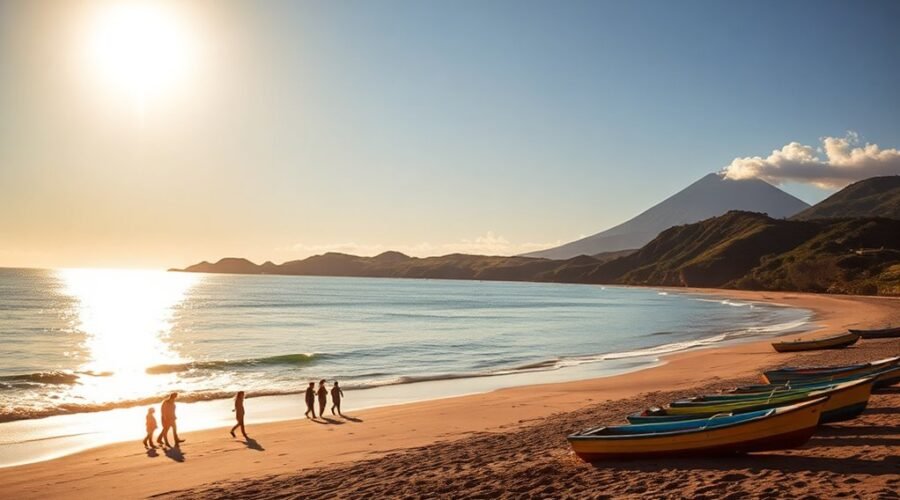
The best time to visit Nicaragua is December through February for sunny Pacific beaches, colonial cities, and volcano hikes. November offers greener scenery and fewer tourists as rainfall decreases. March and April are generally hotter, while May through October brings lower accommodation rates and stronger Pacific surf. The Caribbean coast follows a wetter weather pattern.
Last checked: November 11, 2026. Key dates and figures were checked against official sources and authoritative climate records.
Key Takeaways
- January and February offer reliable conditions for exploring Granada, León, Ometepe Island, and Nicaragua’s volcanoes.
- The Pacific rainy season generally lasts from May through October, with September and October bringing significant rainfall.
- Experienced surfers often prefer April through October, while beginners can find smaller waves during the drier months.
- Christmas, New Year, and Semana Santa can increase accommodation demand and prices, even outside the busiest international travel weeks.
- The Corn Islands and Caribbean coast remain humid and rainy for much of the year, so Pacific weather patterns do not apply everywhere.
Best Time to Visit Nicaragua: Dry Season or Rainy Season?
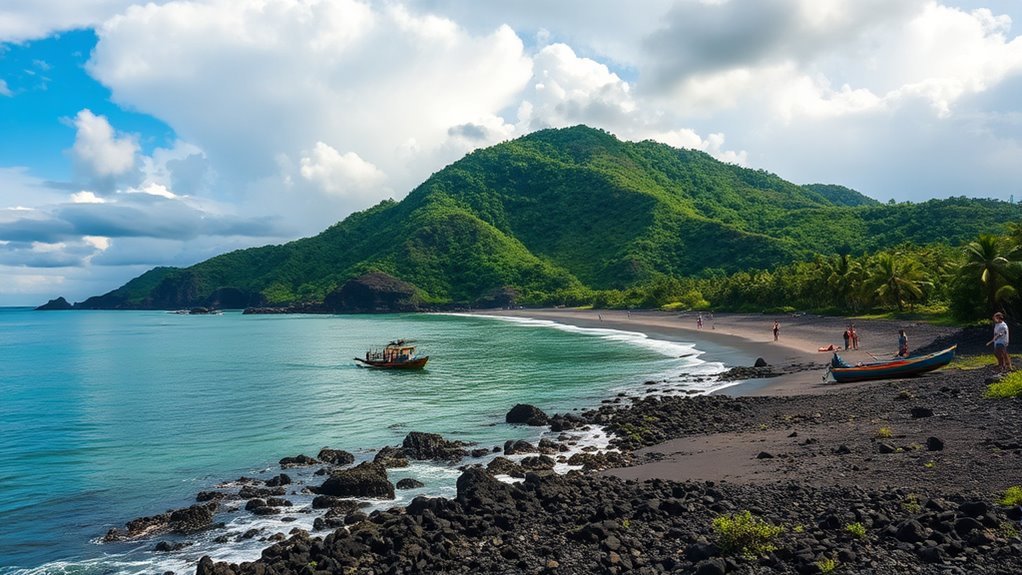
Nicaragua’s dry season runs approximately from November through April, while the rainy season covers May through October. These patterns are strongest around the Pacific coast and western cities. Your preferred activities should determine which season you choose.
During the dry season, you can usually expect more sunshine, easier road travel, and better visibility for outdoor activities. This is especially helpful when visiting Granada, León, San Juan del Sur, and Ometepe Island.
The trade-off is higher demand for accommodation and tours, especially around major holidays. March and April can also become extremely hot in lowland areas.
The rainy season brings greener hills, fuller waterfalls, and fewer international visitors. Accommodation prices often fall, making longer trips more affordable.
However, heavy rainfall can flood rural roads, interrupt ferry or boat travel, and make hiking trails slippery. Some remote tours may be suspended during severe weather.
Rain on the Pacific side often arrives in afternoon or evening showers, although longer periods of rainfall can occur. Plan demanding outdoor activities for the morning when conditions allow.
There is one important regional exception. According to Nicaragua’s official tourism climate information, the Caribbean coast is generally more humid than the Pacific, while northern and central mountain areas have cooler conditions.
If you want to visit the Corn Islands, the relatively drier months around March and April can be especially appealing. However, rain remains possible throughout the year.
What’s Nicaragua’s Weather Like Each Month?
Nicaragua stays warm throughout the year, but rainfall changes significantly from month to month. January through April are generally driest around Managua and the Pacific lowlands. Rain increases from May, with especially wet conditions commonly occurring around September and October.
The following table uses monthly temperature and precipitation normals for the Managua A.C. Sandino weather station, published through the Japan Meteorological Agency’s ClimatView database.
Temperatures are monthly means, not daytime highs. Rainfall figures are rounded to the nearest millimeter. These values describe Managua rather than the entire country.
| Month | Mean Temp. | Rainfall | Travel Conditions |
|---|---|---|---|
| January | 26.6°C / 80°F | 33 mm | Mostly dry; excellent for sightseeing and hiking. |
| February | 27.3°C / 81°F | 4 mm | Very dry; favorable for beaches and volcano trips. |
| March | 28.3°C / 83°F | 2 mm | Hot and very dry; Holy Week falls in March in 2027. |
| April | 29.5°C / 85°F | 42 mm | Very warm; strong sunshine and building Pacific surf. |
| May | 29.0°C / 84°F | 145 mm | Rains begin; greener scenery and fewer tourists. |
| June | 27.6°C / 82°F | 145 mm | Regular showers; good conditions for experienced surfers. |
| July | 27.3°C / 81°F | 140 mm | Green landscapes; occasional breaks in seasonal rainfall. |
| August | 27.6°C / 82°F | 142 mm | Rainy weather; Santo Domingo celebrations in Managua. |
| September | 27.2°C / 81°F | 185 mm | Heavy rain risk; quieter tourist destinations. |
| October | 26.9°C / 80°F | 278 mm | Very wet; greater chance of travel disruption. |
| November | 26.6°C / 80°F | 110 mm | Transition to drier weather; good shoulder-season value. |
| December | 26.6°C / 80°F | 7 mm | Mostly dry; festive celebrations and holiday crowds. |
January through March: This is one of the most reliable periods for dry-weather travel. Days are sunny, breezes are common, and outdoor activities face fewer rain-related interruptions.
April through May: Heat builds before the rainy season becomes established. Daytime highs in western lowlands can exceed the monthly mean temperatures shown above by several degrees.
June through August: Rain returns regularly, but you may still enjoy bright mornings. Some areas experience a temporary reduction in rainfall during July or August, often called the canícula.
September through October: Heavy rain makes remote travel less predictable. These months suit flexible travelers better than those with tightly scheduled outdoor itineraries.
November through December: Rainfall decreases along much of the Pacific coast. November combines green landscapes with improving weather, while December brings the return of dry-season tourism.
Actual conditions vary by location and year. Managua’s climate normals should not be used as a direct forecast for mountain destinations or the Caribbean islands.
When Is Peak Tourist Season in Nicaragua?
Nicaragua’s main tourist season runs from December through April, with especially busy periods around Christmas, New Year, and Semana Santa. International travelers favor these months because weather is generally more reliable for beaches and outdoor adventures.
Popular destinations such as Granada, León, Ometepe Island, and San Juan del Sur can become busier. Accommodation choices narrow during major holidays, and some properties charge higher seasonal rates.
Keep these peak travel periods in mind:
- Christmas and New Year: Late December through early January brings holiday demand for popular beach towns and city accommodations.
- January and February: Dry, sunny conditions attract visitors interested in volcano hikes, sightseeing, and beach holidays.
- Semana Santa: Holy Week brings domestic travel, religious celebrations, and increased demand for transport and accommodation.
- March and April: Generally dry conditions remain attractive, although lowland temperatures rise.
Semana Santa changes dates each year. In 2027, Holy Week begins March 21, Good Friday falls on March 26, and Easter Sunday is March 28, according to the 2027 Nicaragua Easter calendar.
This means travelers visiting in March 2027 should expect increased demand around the holiday, rather than assuming Easter crowds will arrive in April.
For fewer visitors without giving up dry-season conditions, consider late January or February outside major holidays. Early December can also work well before Christmas travel increases.
The Best Time to Visit Nicaragua on a Budget
The best time to visit Nicaragua on a budget is generally May through October, when fewer international tourists visit. You can often find cheaper rooms, more accommodation availability, and greater flexibility with your plans.
Some hostels and guesthouses may offer discounts of up to 40% compared with peak-season rates. However, the exact savings depend on the property, destination, and travel dates.
September and October are often among the quietest months. They can provide excellent value, but the increased rainfall makes them less suitable for travelers planning several remote excursions.
May and November offer a more balanced alternative. These shoulder months can combine lower accommodation demand with more manageable travel conditions, although rain remains possible.
Eating local food also helps you control costs. Look for market stalls and casual restaurants serving gallo pinto, vigorón, and seasonal tropical fruit. Some vendors may offer better deals when visitor numbers are low.
Walking around colonial plazas, exploring neighborhood markets, and spending time on public beaches can provide inexpensive activities. Guided volcano trips, protected-area entry, transport, and equipment rentals usually require separate payment.
Pro Tip: For a budget trip with several destinations, consider a flexible itinerary in November. You can enjoy the changing landscapes while leaving room to adjust travel days if heavy rain continues.
Avoid assuming every low-season bargain offers equal value. A cheaper remote hotel may become inconvenient if heavy rain interrupts the road or boat journey needed to reach it.
Best Time to Surf in Nicaragua
The best time to surf in Nicaragua depends on your experience. April through October generally brings larger, more consistent Pacific swells, while December through March often offers smaller waves that may suit beginners.
According to Nicaragua’s official surfing guide, Southern Hemisphere swells are common from April through October. This creates more demanding conditions along exposed Pacific breaks.
Several beaches attract surfers throughout the year:
- Playa Maderas: A popular surf beach near San Juan del Sur, offering waves for different experience levels depending on the swell.
- Popoyo: Known for powerful reef breaks that appeal to experienced surfers.
- Playa Colorado: Famous for powerful, hollow waves when swell conditions align.
- Playa Guasacate: A useful base for exploring nearby breaks around the Popoyo area.
April through June can be especially attractive because Southern Hemisphere swell begins to build while the wet season is still developing.
July and August can produce powerful surf, but conditions vary with incoming swell, wind direction, and the particular break. Popular surf spots may still attract plenty of riders despite the rainy season.
If you’re learning, choose a suitable beach and an experienced instructor rather than relying on the calendar alone. Offshore winds do not automatically make a powerful reef break safe for beginners.
For experienced surfers seeking larger waves and lower accommodation rates, the rainy season can be rewarding. However, stronger surf also brings greater risk from rip currents, reefs, and changing ocean conditions.
Best Time to Visit Granada and León
The best time to visit Granada and León is generally December through February. These months offer relatively dry conditions for walking through historic streets, visiting churches, and enjoying outdoor markets.
Granada is known for its colorful colonial buildings, central plaza, and location beside Lake Nicaragua. You can also visit nearby attractions such as Mombacho Volcano and the Isletas de Granada.
León offers historic architecture, revolutionary murals, churches, and access to Cerro Negro for volcano boarding. Its exposed streets can become particularly hot during March and April.
| Month Range | Conditions | Visitor Experience |
|---|---|---|
| Jan–Feb | Dry, sunny, breezy | Excellent for walking and sightseeing |
| Mar–Apr | Hot, mostly dry | Good sightseeing with stronger midday heat |
| May–Oct | Warm, rainy | Fewer tourists and possible afternoon disruptions |
| Nov–Dec | Transition to dry weather | Comfortable exploration as conditions improve |
November can be particularly attractive if you prefer quieter streets and greener surroundings. Rainfall is usually declining, but you may still encounter wet afternoons.
During the hottest months, schedule longer walks early in the morning or later in the afternoon. Spend midday visiting indoor attractions or relaxing in shaded courtyards.
Walking through public squares is generally free, while museums, guided city tours, and nearby nature attractions may charge admission.
For travelers who want both cultural sightseeing and volcano adventures, basing part of the trip in Granada and part in León can reduce repeated travel between attractions.
Best Time for Volcano Hikes and Outdoor Adventures
The best time for Nicaragua’s volcano hikes is generally November through April. Trails are usually less muddy, visibility tends to be better, and rain-related interruptions are less frequent.
Popular adventures include volcano boarding at Cerro Negro, hiking through Mombacho’s cloud forest, exploring Telica, and trekking around Concepción on Ometepe Island.
Masaya Volcano is another major attraction, although access can change because of volcanic activity. Never assume a trail or crater viewpoint is open solely because the weather is clear.
Optimal Hiking Season
January and February are especially attractive for volcano hikes because rainfall is limited and morning conditions are often favorable. March and April remain relatively dry, but stronger heat makes exposed routes more demanding.
| Month | Hiking Conditions |
|---|---|
| November–December | Improving weather; trails drying after the rainy season |
| January–February | Usually excellent visibility and low rainfall |
| March–April | Dry but hotter, especially on exposed slopes |
| May–October | Wet, slippery trails and more unpredictable conditions |
Cerro Negro, near León, is known for volcano boarding. The ascent typically takes around an hour, followed by a descent on a special board over loose volcanic material.
Mombacho offers a different experience, with cloud forest, wildlife, and crater trails. The official Mombacho visitor listing gives regular visiting hours of 7:00 a.m. to 4:00 p.m. and describes hiking routes that take approximately 1.5 to 3 hours.
Access to Mombacho’s upper area involves authorized four-wheel-drive transport or permitted walking routes. Ordinary vehicles cannot simply drive to the summit.
Concepción and Telica offer more demanding volcanic adventures. Choose these hikes according to your fitness, trail conditions, and the advice of experienced local guides.
Masaya is different because some viewpoints can be reached by road. The official Masaya Volcano visitor listing quotes daytime admission of C$180 for foreign visitors and nighttime admission of C$370. It lists visiting hours from 8:30 a.m. to 7:00 p.m., subject to operational changes and restrictions.
These published prices and hours do not guarantee that access to the active crater is available on a particular day.
Safety During Eruptions
Volcano safety depends on current activity, not just the season. Active volcanoes can release dangerous gases, produce ash, and experience sudden changes that lead authorities to close trails or viewpoints.
Nicaragua’s geological monitoring authority, INETER, tracks volcanic and seismic activity. Local authorities and park managers use monitoring information to make access decisions.
Before any volcano excursion, confirm the permitted route and current activity level with your guide or park authorities. Never enter a restricted zone, even if other visitors appear to be doing so.
Wear sturdy closed-toe footwear, carry water, and use suitable sun and eye protection. A face covering does not make dangerous volcanic gas safe to breathe.
Warning: Do not enter a volcano’s exclusion zone or attempt to continue a hike during increased volcanic activity. If authorities or your guide order an evacuation, leave immediately. Respirators used by trained monitoring teams are not a substitute for avoiding hazardous gas exposure.
These precautions matter especially around active sites such as Masaya and Telica. Conditions can change quickly, and responsible decisions may mean postponing an excursion.
When to See Sea Turtles, Festivals, and Nicaragua’s Wildlife
Nicaragua offers memorable wildlife encounters and cultural celebrations throughout the year. Sea turtle nesting is a major attraction during the rainy season, while August and December bring important religious festivals.
The timing depends on whether you want nesting turtles, rainforest wildlife, or traditional celebrations.
Sea turtles at La Flor: Olive ridley turtles arrive along Nicaragua’s Pacific coast to nest. At La Flor Wildlife Refuge, near San Juan del Sur, large synchronized nesting events called arribadas occur between July and January.
The official La Flor Wildlife Refuge listing describes guided night walks, turtle watching, and conservation activities. It lists admission at C$200 for foreign visitors and C$100 for Nicaraguan nationals.
These are published entrance rates, and organized tours may cost extra. Nesting events are natural and cannot be guaranteed for a particular night.
Follow your guide’s instructions, avoid disturbing nesting turtles, and never handle eggs or hatchlings without authorization.
Rainforest wildlife: Indio Maíz Biological Reserve in southeastern Nicaragua protects extensive tropical forest habitat. Wildlife includes birds, reptiles, amphibians, and other rainforest species.
The original account describes stronger wildlife migration activity during the dry season. Although seasonal bird movements occur, the exact timing of increased migration within the reserve needs local confirmation.
For easier hiking access and potentially better observation conditions, the drier months can be useful. However, this remains a humid rainforest region, and sightings always depend on conditions and luck.
Santo Domingo de Guzmán: Managua celebrates its traditional patron saint festival from August 1 through August 10. Processions, costumes, music, and community gatherings are central parts of the celebration.
La Purísima and La Gritería: These December celebrations honor the Virgin Mary. The festivities include neighborhood gatherings, prayers, singing, and the sharing of traditional food and gifts.
According to Nicaragua’s official cultural traditions calendar, Managua’s La Purísima novena begins November 28 and concludes with La Gritería on December 7.
These celebrations are living community traditions rather than performances organized solely for tourists. Visitors should follow local customs and remain respectful during religious activities.
For wildlife-focused travel, the nesting season provides a strong reason to visit during wetter months. For festivals combined with more reliable Pacific weather, December is especially attractive.
Does Safety in Nicaragua Change by Season?
Nicaragua’s weather-related travel risks change with the seasons, but broader safety concerns remain throughout the year. Flooding and tropical storms are more likely to disrupt travel during rainy months, while crime and political risks are not limited to a particular season.
Travelers should consider both environmental hazards and their government’s current travel advice before making plans.
Seasonal Safety Considerations
The rainy season can make rural travel more difficult. Flooding may isolate communities, damage roads, and interrupt transport to remote nature reserves or coastal destinations.
Hurricane season normally runs from June through November. Tropical storms can affect Nicaragua even when they do not make a direct landfall.
During the dry season, long periods of heat and strong sunshine create different risks, particularly for travelers attempting demanding hikes.
Large festivals can also create opportunities for petty theft. Keep valuables secure, avoid displaying large amounts of cash, and remain aware of your surroundings in crowded places.
The UK government’s Nicaragua safety guidance warns about crime, dangerous road conditions, tropical storms, and volcanic activity. It also recommends avoiding night driving and using authorized taxis.
Travel insurance covering medical care and emergency evacuation is worth considering, particularly if you plan to visit isolated regions.
Peak Season Security Levels
Higher tourist numbers do not automatically make Nicaragua safer. Popular destinations may have more activity during peak season, but this does not remove risks associated with crime, wrongful detention, or changing local conditions.
As of November 11, 2026, the U.S. Department of State’s Nicaragua advisory is Level 3: Reconsider Travel. The advisory cites crime, health concerns, wrongful detention, and arbitrary enforcement of local laws.
Warning: Do not assume Nicaragua is a low-risk destination simply because you travel during the dry season. Government travel advisories can affect insurance coverage, entry decisions, and personal safety. Consider the current advice issued for your nationality before booking.
Busy markets, bus stations, and tourist areas can attract opportunistic theft. Avoid poorly lit areas after dark, use reputable transport providers, and do not participate in political demonstrations.
Choose accommodation with reliable security arrangements and keep your travel documents protected. If you encounter a serious problem, contact your country’s consular representatives where available.
Note: Travel advice and local conditions can change independently of the weather. Travelers with medical concerns, mobility limitations, or plans for remote adventures should discuss their needs with a qualified professional before departure.
Preparation, suitable travel insurance, and awareness of current conditions matter more than choosing a supposedly safer month.
How Far Ahead Should You Book Your Nicaragua Trip?
Book your Nicaragua trip earlier if you plan to travel during December, January, or Semana Santa. During quieter months, accommodation and transport availability may allow more flexibility.
The following booking windows are practical planning suggestions rather than fixed requirements:
- Six to nine months ahead: Begin comparing international flights for Christmas, New Year, and Semana Santa. Booking early provides more time to consider routes and fare options.
- Three to six months ahead: Reserve accommodation in popular destinations such as Granada, León, San Juan del Sur, and Ometepe Island, especially for holiday dates.
- One to three months ahead: Arrange guided volcano hikes, surf lessons, and other activities where group sizes or available guides may be limited.
- Two to four weeks ahead: Confirm shuttle arrangements, intercity transportation, and ferry plans for destinations such as Ometepe Island.
During shoulder months such as May and November, you may be able to book many services four to six weeks ahead. Some accommodations and tours also accept shorter-notice reservations during quieter periods.
However, flight prices do not always become cheaper simply because you book earlier. Compare the full cost, including baggage, transfers, and cancellation conditions.
Ometepe Island is reached by water transport, including ferries from San Jorge. Allow enough time for connections rather than scheduling a tight onward departure immediately after an island excursion.
If your plans include remote destinations, build some flexibility into your itinerary. Weather delays can affect transport even when accommodation remains available.
For a first visit focused on Granada, León, and Pacific beaches, December through February provides a useful starting point for planning. If you prefer lower prices and can adjust your schedule, May or November may offer better value.
Frequently Asked Questions
What Vaccinations or Health Precautions Should I Take Before Visiting Nicaragua?
Vaccination recommendations depend on your health and itinerary. The CDC recommends hepatitis A vaccination for unvaccinated travelers and advises considering typhoid vaccination for certain trips. Yellow fever vaccination is not recommended for Nicaragua itself, but proof may be required when arriving from a country with yellow fever transmission risk. Ask a travel clinician about mosquito protection and other precautions.
Do I Need a Visa to Enter Nicaragua, and How Do I Get One?
Visa requirements depend on your nationality. Nicaragua’s official immigration guidance lists a passport validity requirement of six months and a pre-arrival immigration form, with submission advised at least seven days ahead. Eligible visitors may receive up to 90 days within the CA-4 travel area. A tourist card generally costs US$10 for visitors who are not exempt. Contact the relevant Nicaraguan consulate if your passport requires a visa.
What Currency Is Used in Nicaragua, and Can I Use Credit Cards?
The Nicaraguan córdoba (NIO, C$) is the official currency. U.S. dollars are widely accepted at many tourist businesses, and credit cards work at numerous hotels and larger-city establishments. Carry small amounts of local cash for markets, buses, taxis, and rural towns. Banks and established exchange services are generally better options than carrying large amounts of cash.
Is It Easy to Get Around Nicaragua Using Public Transportation?
Public buses connect Nicaragua’s main cities and many smaller towns at affordable fares. The original article estimates that buses cover 95% of the country, although this figure remains unverified. Services can be crowded and slower than private shuttles. Use authorized taxis, avoid unnecessary night travel, and allow extra time when traveling to remote destinations.
What Should I Pack for a Trip to Nicaragua?
Pack lightweight clothing, comfortable walking shoes, sunscreen, insect repellent, and a reusable water bottle. For rainy-season travel, add a compact waterproof jacket and quick-drying clothes. Sturdy footwear is useful for volcano hikes. Carry essential medicines and copies of important documents. Avoid bringing drones or restricted electronic equipment without checking Nicaragua’s import rules.
When Is the Best Time to Visit the Corn Islands?
March and April are generally favorable months for visiting Nicaragua’s Corn Islands because rainfall is often lower than during much of the year. However, the Caribbean climate remains humid and rain can occur in any month. Diving, snorkeling, and boat trips also depend on sea conditions, so calm weather matters as much as the calendar.
Does It Rain All Day During Nicaragua’s Rainy Season?
No, it does not usually rain all day on the Pacific side during every rainy-season day. Many showers arrive in the afternoon or evening, leaving opportunities for outdoor activities earlier. However, persistent rain and severe storms are possible, particularly during wetter months. The Caribbean coast receives more frequent rainfall and follows a different seasonal pattern.
Conclusion
For most first-time visitors, December through February offers the best balance of sunshine, sightseeing, and outdoor adventure in Nicaragua’s Pacific region. November is a useful alternative for greener landscapes and fewer crowds, while the rainy months appeal to budget travelers and experienced surfers.
Choose your travel dates around the activities that matter most, account for regional weather differences, and review current travel advice before committing to your itinerary.
Sources
- Japan Meteorological Agency, ClimatView: Monthly temperature and precipitation normals for Managua A.C. Sandino.
- Visit Nicaragua, General Information: Seasonal climate patterns, regional differences, and currency.
- Visit Nicaragua, Surfing: Pacific surf conditions and the April–October swell season.
- Visit Nicaragua, Mombacho Volcano: Visitor hours, hiking information, and access arrangements.
- Visit Nicaragua, Masaya Volcano: Published admission rates, visiting hours, and volcano information.
- Visit Nicaragua, La Flor Wildlife Refuge: Turtle nesting period, admission prices, and visitor activities.
- Nicaragua Ministry of Education, Cultural Traditions of Managua: Santo Domingo and La Purísima festival dates.
- Time and Date, Good Friday in Nicaragua: Easter and Holy Week dates for 2027.
- U.S. Department of State, Nicaragua Travel Advisory: Current advisory level and national safety concerns.
- UK Foreign, Commonwealth & Development Office, Nicaragua Safety and Security: Transport, crime, volcano, and hurricane risks.
- Visit Nicaragua, Immigration Requirements: Passport validity, entry procedures, tourist card, and vaccination certificate requirements.
- U.S. Centers for Disease Control and Prevention, Nicaragua Traveler View: Travel vaccinations and health precautions.