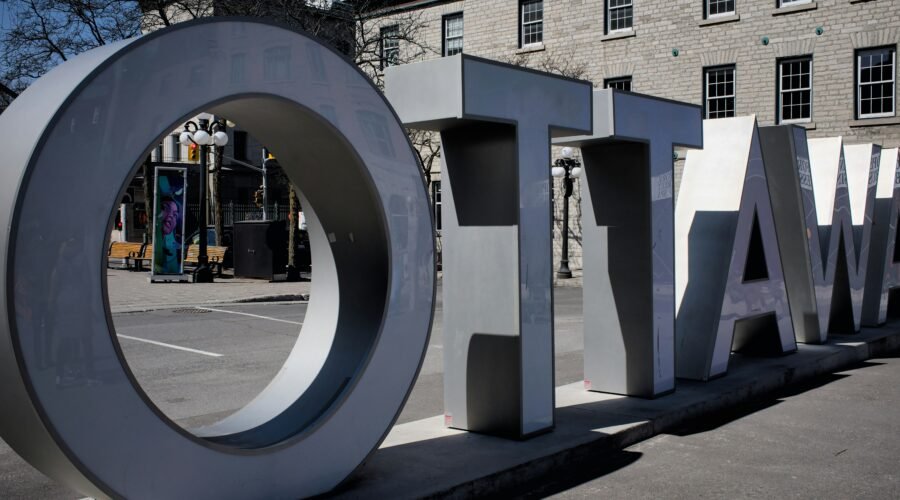
Planning a trip to Ottawa? The best time to visit Canada’s capital depends on what you want to experience. Late spring brings tulips and comfortable sightseeing weather, summer offers outdoor festivals, and autumn fills the surrounding parks with colourful leaves. Winter is colder, but it brings holiday events, skating opportunities, and Winterlude.
For many first-time visitors, late May to early June and September to early October offer an appealing balance of weather and outdoor activities. However, specific events can make some weekends much busier than others.
Quick Answer
The best time to visit Ottawa is generally late May to early June or September to early October for comfortable sightseeing weather. Visit in May for tulips, July and August for summer festivals, and late September through October for fall colours. Choose late January or February for Winterlude and possible Rideau Canal skating, weather permitting.
Key Takeaways
- Best overall sightseeing conditions: Late May, early June, and September are appealing for outdoor exploration.
- Best for flowers: May is the main tulip-viewing season.
- Best for festivals: June through August offers a busy outdoor event calendar.
- Best for fall colours: Late September and October are popular, especially around Gatineau Park.
- Best for winter experiences: Late January and February, particularly around Winterlude.
- Best approach for saving money: Compare specific travel dates and avoid major event weekends when your schedule allows.
Ottawa Weather and the Best Months to Visit
Ottawa has four distinct seasons. Summer can be hot and humid, while winter brings freezing temperatures and snow. Spring and autumn offer milder conditions, although temperatures can change quickly.
The following figures are approximate average daily highs and lows from Environment and Climate Change Canada’s 1991–2020 climate normals for Ottawa. They are historical averages, not forecasts for your travel dates.
| Month | Average High / Low |
| January | -5°C / -14°C |
| February | -3°C / -13°C |
| March | 3°C / -7°C |
| April | 11°C / 1°C |
| May | 19°C / 8°C |
| June | 24°C / 13°C |
| July | 27°C / 16°C |
| August | 26°C / 15°C |
| September | 21°C / 10°C |
| October | 13°C / 4°C |
| November | 6°C / -2°C |
| December | -2°C / -9°C |
These averages help with planning, but individual days can be much warmer or colder. Check the local forecast shortly before departure and pack for conditions outside the average range.
1. Spring (Late April to June): Tulips and Pleasant Sightseeing
Spring in Ottawa brings longer days, blooming gardens, and the return of outdoor activity after winter. It is a popular time to visit, especially if you want to explore the city on foot without midsummer heat.
1.1 Weather: Mild Days and Cool Evenings
Late April can still feel chilly, particularly in the morning and evening. By May, daytime temperatures become more comfortable, with average highs near 19°C (66°F). June is warmer, with average highs around 24°C (75°F).
Spring showers are common, so bring a light waterproof jacket, comfortable walking shoes, and an umbrella. A sweater is useful for cooler evenings.
1.2 Crowds: Before the Main Summer Rush
Spring can be a comfortable time to explore Ottawa’s museums, historic neighbourhoods, and waterfront pathways.
However, do not assume that every spring weekend will be quiet. Festival dates and long weekends can bring substantial visitor traffic.
Canadian Tulip Festival in May
The Canadian Tulip Festival is one of Ottawa’s signature spring events. Commissioners Park, near Dow’s Lake, is a major viewing location.
The 2026 festival took place from May 8 to May 18. The festival’s official information describes more than 300,000 tulips at Commissioners Park, with additional floral displays across the capital region.
Festival dates and peak blooming periods can change from year to year. Check the official Canadian Tulip Festival website before booking a future spring trip.
Pro Tip: If tulips are your main reason for visiting, allow some flexibility in your schedule. Blooming conditions depend on spring weather, and Commissioners Park can be particularly busy during festival weekends.
1.3 Costs: Compare Festival and Non-Festival Dates
Spring can offer useful booking opportunities, but lower prices are not guaranteed.
Hotel demand may rise during the Tulip Festival and popular weekends. Compare several nearby dates rather than assuming that the entire season has the same rates.
1.4 What to Do in Spring
- Canadian Tulip Festival: Walk through Commissioners Park and enjoy the seasonal floral displays.
- Outdoor activities: Explore Gatineau Park, walk along the Rideau Canal, or cycle on the Capital Pathway network.
- Parliament Hill: Enjoy the historic grounds and views of Ottawa’s parliamentary buildings.
- Museums and galleries: Visit the National Gallery of Canada, Canadian Museum of History, or Canadian War Museum on rainy days.
- Restaurant patios: Enjoy outdoor dining as businesses reopen their seasonal seating areas.
Spring is particularly appealing for travellers who enjoy photography, gardens, walking, and a mix of indoor and outdoor attractions.
2. Summer (June to August): Festivals and Outdoor Adventures
Summer is one of Ottawa’s liveliest travel periods. The weather is warm, outdoor attractions are active, and the city hosts a wide range of festivals and public celebrations.
If you enjoy busy streets, patios, outdoor performances, and long sightseeing days, summer offers plenty to do.
2.1 Weather: Warm and Sometimes Humid
June brings average daytime highs around 24°C (75°F). July and August average approximately 27°C (81°F) and 26°C (79°F), respectively.
Hotter days can reach or exceed 30°C (86°F), and humidity can make outdoor sightseeing less comfortable.
Pack lightweight clothing, sunscreen, a hat, and a refillable water bottle. Summer thunderstorms are possible, so a compact rain jacket can also be useful.
2.2 Crowds: A Busy Travel Period
Expect more activity around Parliament Hill, the Rideau Canal, ByWard Market, and major cultural attractions.
Festival weekends and public holidays can create additional demand for accommodation, restaurants, and transportation.
Canada Day on July 1
Canada Day is a major annual celebration in Ottawa, bringing visitors together for public events and performances.
If you plan to visit on July 1, book accommodation early and check the official event locations, transportation arrangements, and road closures before travelling.
Some celebrations take place at different locations across the capital rather than following the same layout every year.
2.3 Costs: Plan Around Major Events
Summer accommodation can be expensive during popular travel periods, but there is no single rate that applies to the entire season.
Compare weekday and weekend stays, check nearby neighbourhoods, and reserve popular attractions in advance when required.
Staying outside the immediate downtown core may provide additional choices, although you should include transportation costs when comparing options.
2.4 What to Do in Summer
- Canada Day celebrations: Attend official events and enjoy the festive atmosphere.
- Summer festivals: Explore music, arts, food, and community events throughout the season.
- Rideau Canal: Enjoy a canal-side walk, a sightseeing cruise, or paddling activities where available.
- ByWard Market: Browse shops, restaurants, produce vendors, and outdoor patios.
- Parliament Hill: Explore the grounds and learn about Canadian history.
- Museums: Visit the city’s major national museums, especially during hot or rainy weather.
Important Parliament Tour Information
Ottawa’s Centre Block, including the historic parliamentary interiors, remains closed during its long-term rehabilitation.
Visitors can instead explore available parliamentary experiences, including guided tours of the House of Commons at West Block and the Senate of Canada Building.
Parliament: The Immersive Experience provides another way to discover the history and architecture of Centre Block while the building is closed.
Free tours are subject to availability and security requirements. Check the official Parliament visitor website for current options and reservations.
The Changing of the Guard is another Ottawa tradition. Its schedule and location should be confirmed through official announcements rather than assumed for every day of a summer visit.
3. Fall (September to October): Colourful Scenery and Cooler Weather
Autumn transforms Ottawa and the surrounding region with red, orange, and golden leaves. The cooler air makes walking and outdoor exploration comfortable, especially in September.
For travellers who enjoy nature, photography, and scenic drives, fall is a particularly attractive time to visit.
3.1 Weather: Mild September, Cooler October
September has average daytime highs near 21°C (70°F), with cooler evenings.
By October, average highs fall to around 13°C (55°F). Morning temperatures can approach freezing later in the season.
Pack layers, a warm sweater, and a wind-resistant jacket. Comfortable walking shoes are essential if you plan to explore parks or hiking trails.
3.2 Crowds: Quieter Downtown, Busy Foliage Destinations
Some downtown attractions can feel less crowded after the main summer holiday period.
However, fall is not uniformly quiet. Gatineau Park attracts substantial visitor traffic during peak foliage, particularly on weekends.
Popular locations and parking areas can reach capacity. Road access may also be restricted during certain periods.
Check the National Capital Commission’s Fall Rhapsody information for colour updates, access conditions, and practical planning advice.
3.3 Costs: Good Opportunities, but No Guaranteed Discounts
Some travellers may find better accommodation options after summer holidays, but rates depend on actual dates and local demand.
Popular foliage weekends can attract visitors from nearby cities, so compare prices early if Gatineau Park is central to your plans.
3.4 What to Do in Fall
- Gatineau Park: Explore marked trails, scenic viewpoints, and colourful woodland landscapes.
- Apple picking and pumpkin patches: Visit seasonal farms around the National Capital Region.
- Walking tours: Explore historic neighbourhoods such as The Glebe and Sandy Hill.
- Rideau Canal pathways: Enjoy a scenic walk or bike ride beneath changing leaves.
- Museums and galleries: Balance outdoor sightseeing with indoor cultural attractions.
- Seasonal dining: Look for local produce and autumn menus at restaurants and markets.
When Should You Visit for Fall Colours?
Late September through October is a useful planning window, although peak colour varies by location, tree species, and weather.
Higher-elevation areas in Gatineau Park can change at a different pace from downtown Ottawa.
The NCC publishes colour updates during the fall season, making it easier to choose where to go.
Pro Tip: Visit Gatineau Park on a weekday when possible. The NCC also operates a seasonal shuttle to selected park destinations. Check the official shuttle schedule before planning your route.
4. Early Winter (November to December): Holiday Atmosphere
Early winter brings a different side of Ottawa. November is a transition month, while December introduces colder weather, festive lighting, seasonal shopping, and holiday events.
This period can suit travellers who enjoy Christmas markets, museums, cafés, and winter city scenery.
4.1 Weather: From Chilly to Freezing
November has average daytime highs around 6°C (43°F), although colder conditions are possible.
December has average highs near -2°C (28°F) and lows around -9°C (16°F). Snow, ice, freezing rain, and changing road conditions can affect outdoor plans.
Bring an insulated coat, gloves, a warm hat, and waterproof winter footwear.
4.2 Crowds: Moderate Overall, Busier Around Holiday Events
Outdoor sightseeing areas may feel quieter than they do in summer, but holiday markets and seasonal events can attract substantial local crowds.
December weekends can be busy around popular shopping and entertainment areas.
4.3 Costs: Variable Through the Holiday Season
November may provide more date flexibility for some travellers. Accommodation and transportation demand can increase around major holiday periods.
Compare the full cost of your stay, including transportation, parking, and attraction admission.
4.4 What to Do in Early Winter
- Christmas markets: Explore seasonal shopping and food events.
- Holiday lights: Enjoy decorated streets and officially scheduled winter lighting displays.
- Holiday shopping: Visit ByWard Market, Sparks Street, and other shopping districts.
- Museums and galleries: Spend colder days exploring Ottawa’s cultural attractions.
- Early outdoor skating: Use designated rinks when they are officially open.
Ottawa Christmas Market
The Ottawa Christmas Market is held at Lansdowne in The Glebe neighbourhood on scheduled dates during the holiday season.
It features seasonal vendors, food, entertainment, and festive decorations. Admission to the market is free, although purchases and some activities may involve additional costs.
Check the official event listing for current dates and details.
Winter Lights and Seasonal Displays
Ottawa offers seasonal lighting and winter events around the capital, but individual programs and projection shows can change between years.
Do not plan a visit around a specific Parliament Hill light show without confirming that it is scheduled for your travel dates.
5. Mid-Late Winter (January to March): Winterlude and Snowy Adventures
For travellers who enjoy snow, skating, and winter festivals, Ottawa offers experiences that are very different from a summer visit.
January and February are typically the coldest part of the year. March begins the transition toward spring, although snow and freezing conditions can remain.
5.1 Weather: Cold Days and Freezing Nights
January has average daytime highs near -5°C (23°F) and lows around -14°C (7°F).
February remains cold, with average highs around -3°C (27°F) and lows around -13°C (9°F).
March is milder on average, but freezing nights and winter storms are still possible.
Cold spells can produce temperatures well below these averages, and wind can make conditions feel considerably colder.
Wear an insulated winter coat, thermal layers, warm socks, gloves or mittens, a hat, and waterproof boots with good traction.
5.2 Crowds: Quieter Periods Between Major Events
January and March may feel quieter at some attractions, but conditions depend on the specific dates.
Winterlude brings additional visitors to Ottawa and Gatineau. Popular festival sites can be especially busy during weekends and scheduled performances.
Winterlude
Winterlude is Ottawa-Gatineau’s signature winter celebration, featuring seasonal outdoor activities and cultural programming.
The 2026 festival ran from January 30 to February 16, with official sites including Confederation Park in Ottawa and Jacques-Cartier Park in Gatineau.
Festival activities can include ice sculptures, snow play areas, entertainment, and family-friendly events.
Check the official Winterlude website for the latest announced program and dates.
5.3 Costs: Compare Dates Around Winterlude
Winter travel can provide useful accommodation choices, but lower prices are not guaranteed.
Winterlude, holidays, conferences, and other events may affect availability and demand.
Compare several travel dates and consider whether staying outside downtown would reduce your total trip cost.
5.4 What to Do in Mid-Late Winter
- Rideau Canal Skateway: Skate on the canal when the NCC officially opens the relevant sections.
- Winterlude: Enjoy the festival’s scheduled ice sculptures, winter activities, and cultural events.
- Cross-country skiing: Explore designated winter trails in Gatineau Park when conditions permit.
- Snowshoeing: Discover winter landscapes on suitable marked routes.
- Cafés and restaurants: Warm up with hot drinks and hearty meals.
- Museums and galleries: Explore indoor attractions during particularly cold or snowy days.
Can You Skate on the Rideau Canal Every Winter?
No. The Rideau Canal Skateway is a naturally frozen skating surface, and its operating season depends on suitable ice conditions.
The NCC determines when sections can safely open and may temporarily close them when weather affects the ice.
Check the official Rideau Canal Skateway ice conditions before heading out.
Warning: Never enter the Rideau Canal ice before the NCC officially opens the skating area. Stay within designated sections and follow posted safety instructions. Natural ice can contain cracks, uneven surfaces, and unstable areas even during the operating season.
How to Choose the Best Time for Your Ottawa Trip
The ideal travel period depends on your interests, schedule, and tolerance for different weather conditions.
- First-time sightseeing: Consider late May, early June, or September.
- Photography and gardens: Plan around the May tulip season.
- Festivals and outdoor dining: Consider June through August.
- Nature and fall foliage: Look at late September through October.
- Christmas markets and festive activities: Explore late November and December event dates.
- Snow and winter festivals: Consider late January and February.
- A flexible budget: Compare several dates outside major holidays and festival weekends.
How Many Days Should You Spend in Ottawa?
Two to three days gives many first-time visitors enough time to explore downtown Ottawa, Parliament Hill, the Rideau Canal, ByWard Market, and one or two museums.
Allow an additional day if you want to explore Gatineau Park, attend multiple festival events, or travel at a more relaxed pace.
Winter visitors should keep some flexibility in their schedules because weather may affect outdoor attractions.
Practical Booking Tips
- Compare hotel prices for the exact dates you want to travel.
- Check festival calendars before booking accommodation.
- Reserve Parliament tours through official channels when reservations are available.
- Allow extra travel time during major events and public holidays.
- Check weather forecasts before choosing outdoor activities.
- Confirm operating hours for museums, boat tours, skating facilities, and seasonal attractions.
- For Gatineau Park, review trail conditions, road access, and shuttle schedules.
For more general travel-planning ideas, browse Lele Tours. You can also learn more about the website through its About Us page.
Ultimately, Ottawa offers something worthwhile in every season. Choose summer for warm weather and festivals, spring for flowers and comfortable walking conditions, autumn for colourful scenery, or winter for snow and seasonal celebrations. Match your travel dates to the activities you care about most, and check official schedules before finalizing your trip.
Frequently Asked Questions
1. What is the best time to visit Ottawa, Ontario, for favourable weather?
Late May to early June and September offer comfortable conditions for many outdoor activities. July and August are warmer, but they can also be hot and humid. Rain is possible throughout the warmer months, so check the forecast before travelling.
2. When is the peak tourist season in Ottawa?
Summer, particularly July and August, is a busy travel period. Canada Day and major festivals can bring additional crowds. The Canadian Tulip Festival in May and peak fall foliage weekends can also attract substantial numbers of visitors.
3. What is the off-peak season in Ottawa?
Some periods in January, March, and November may be quieter for general sightseeing. However, Winterlude, holidays, conferences, and other events can create local increases in visitor demand.
4. When can visitors find lower accommodation costs in Ottawa?
Prices depend on the specific dates, booking window, and local demand. Compare several weekdays and weekends, and consider avoiding major festival and holiday periods if your schedule is flexible. Attraction admission prices do not necessarily fall during quieter seasons.
5. What are Ottawa’s major annual events and festivals?
Major events include the Canadian Tulip Festival in May, Canada Day celebrations on July 1, summer music and cultural festivals, and Winterlude in late January or February. Ottawa also hosts seasonal holiday events. Check official calendars because individual schedules and locations can change.
6. When is the best time to see fall colours in Ottawa?
Late September through October is a useful planning window. Peak colour varies with weather and location. Gatineau Park is especially popular, so check the NCC’s fall colour updates and consider visiting on a weekday.
7. When is the best time to visit Ottawa for the Tulip Festival?
May is the main tulip-viewing month. Festival dates and peak blooms vary from year to year. Commissioners Park near Dow’s Lake is a major viewing area, and the official festival website provides current schedules.
8. Is the Rideau Canal Skateway guaranteed to be open during Winterlude?
No. The Skateway opens only when ice conditions are suitable. Weather can delay opening or cause temporary closures. Always check the NCC’s official ice-condition updates before visiting.
Sources
- Environment and Climate Change Canada — Ottawa Climate Normals — Monthly temperature averages based on the 1991–2020 normal period.
- Canadian Tulip Festival — Official festival information, event dates, and tulip-viewing locations.
- Parliament of Canada — Visitor Information — Available tours, reservations, and visitor experiences.
- National Capital Commission — Fall Rhapsody — Fall colours, Gatineau Park access, and seasonal visitor guidance.
- Canadian Heritage — Winterlude — Official winter festival information and programming.
- National Capital Commission — Rideau Canal Skateway Ice Conditions — Official skating availability, conditions, and safety information.