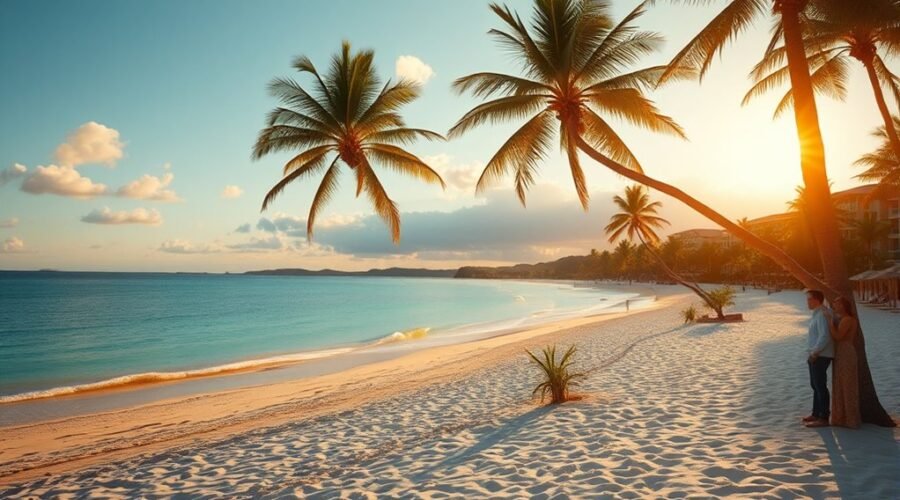
If you visit Palm Cove in late April, you’ll enjoy blue skies, calm seas and fewer tourists than in December. You’ll want that milder weather for snorkeling, reef trips and rainforest walks, and the shoulder months often mean lower rates and easier bookings. There’s still a catch about marine stingers and peak-season prices to watch for, so keep going to pick the exact weeks that balance cost, comfort and activities.
Compare our seasonal guides to Queensland, Australia and Southern Great Barrier Reef, Queensland when choosing other stops in Queensland.
Key Takeaways
- May–October (dry season) offers calmer seas, lower humidity, and best snorkeling visibility.
- February–April is wet season with heavier rain, higher cyclone risk, but lowest accommodation rates.
- Shoulder months (April, May, September, October) balance good weather, fewer crowds, and better deals.
- Book 3–6 months ahead for peak summer/holidays; 6–8 weeks suffices for shoulder-season travel.
- Travel in weekdays and early-week arrivals for smaller crowds and better midweek resort or tour discounts.
Best Months for Palm Cove : Quick Verdict
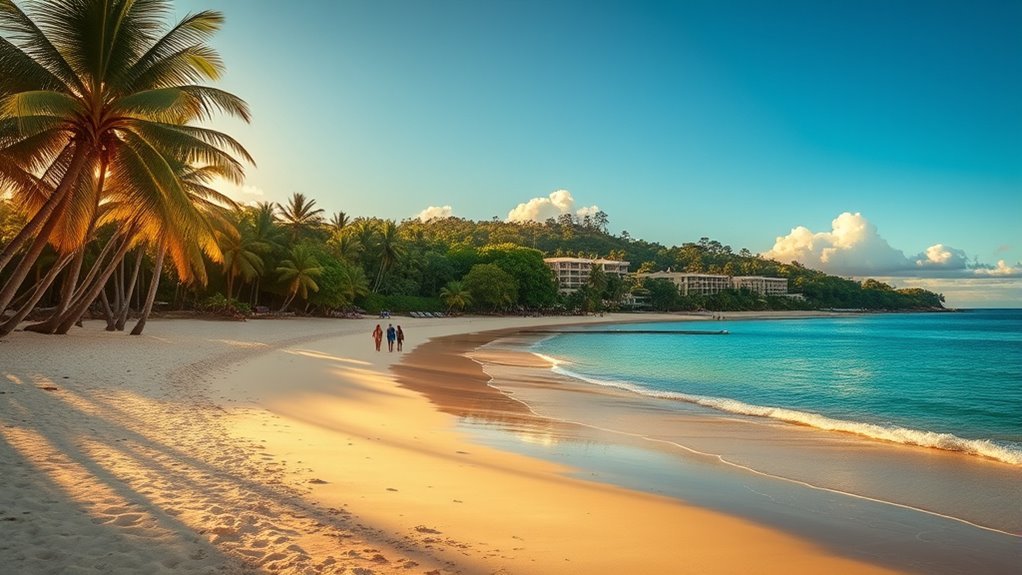
Wondering when to go? You’ll find the sweet spot between May and October, when dry-season sun, lower humidity, and calmer seas invite exploration without the summer crush.
Travel between May and October for dry sun, gentler seas, and fewer crowds—perfect exploration weather.
Aim for June–August if you want clearer skies, fewer storms, and peak opportunities for local cultural festivals that celebrate coastal life and Indigenous culture.
October can feel liberating too — warmer water returns, crowds are lighter than December–February, and rates stay friendlier.
If wildlife migrations matter, time visits around the cooler months when sea turtles and migratory birds are more active along the shore and in nearby reserves.
Avoid the wet season (November–March) if you’re trying to dodge heavy rains, higher humidity, and occasional tropical cyclones that push up prices and limit outdoor plans.
Month-by-Month Weather and Sea Conditions
You’ll get a clear month-by-month picture of sea temperatures so you can pick the warmest swims.
I’ll also outline rainfall and storm risk so you know which months bring showers or rough weather.
Finally, we’ll cover water clarity and typical swells to help you plan snorkeling, swimming, or calm beach days.
Monthly Sea Temperatures
Because the Coral Sea stays warm year-round, you’ll find sea temperatures in Palm Cove that rarely feel chilly—perfect for swimming, snorkeling, and diving almost any month.
Expect lows around 24°C in July and highs near 29–30°C in February–March, so you can freely plan early-morning swims or late-afternoon dips.
Those warmer months bring lush marine biodiversity into shallow reefs, making encounters with colorful corals, reef fish, and turtles more likely.
Cooler winter water is still inviting and clearer, ideal for photographers and freedivers craving clarity.
Note how tidal patterns subtly affect currents and visibility; pick slack tide for calm conditions and better snorkeling.
Rainfall And Storm Risk
Although the wet season brings its highest rainfall between December and March, Palm Cove’s weather swings are predictable enough that you can plan around them; heavy afternoon downpours and increased humidity are common then, along with a higher risk of tropical storms and cyclones that can temporarily close beaches and reef tours. You’ll want to check local storm frequency records and floodplain mapping before booking, especially if you’re aiming for freedom to explore without unexpected closures. Travel in the shoulder months reduces risk while still offering lush landscapes. Pack a light rain jacket, flexible plans, and travel insurance. Below is a quick seasonal snapshot to help you choose timing with confidence.
| Season | Risk level |
|---|---|
| Dec–Mar | High |
| Apr–Nov | Low |
Water Clarity And Swells
When planning snorkel or reef trips, consider how seasonal currents and swell patterns change visibility and sea conditions month by month.
You’ll find calmer seas and best water clarity in the austral winter and early spring, when reduced runoff and gentler swells let marine biodiversity flourish near the fringing reef.
Summer brings bigger swells, murkier water after tropical rains, and stronger drift currents.
- May–August: clear water, lower swells, ideal for snorkeling
- September–November: improving clarity, moderate swells, great wildlife sightings
- December–February: heavy rains, reduced visibility, avoid after storms
- March–April: transitional month, variable clarity, check tide charts
Always monitor local forecasts and operators for real-time sea state and safety guidance
Palm Cove Crowd Calendar and Peak Booking Windows
If you’re planning a trip to Palm Cove, checking the crowd calendar will help you pick windows that balance good weather with manageable crowds.
You’ll see peak periods around school breaks and local access festival holidays, when families and day-trippers converge and beachfront cafes buzz.
Aim for shoulder seasons—late autumn and early spring—for gentler crowds and open availability without sacrificing sunshine.
Watch wildlife migration patterns too: turtle nesting and bird movements can draw guided tours, so plan if you want quiet nights or wildlife encounters.
Book accommodations and preferred restaurants at least 6–8 weeks ahead for shoulder dates, and 3–6 months for summer and major holiday blocks.
If you crave freedom, choose weekday stays and early-week arrivals to dodge the weekend swell.
Use a flexible booking window and set price alerts so you can claim the exact stretch of calm you want, freeing yourself from crowded routines while still enjoying Palm Cove’s best.
Palm Cove Cost Calendar: Cheapest Months for Flights, Tours and Resorts
If you want to stretch your travel budget, knowing the cheapest flight months can shave a lot off your trip to Palm Cove.
You’ll also find lower resort rates during the wet‑season low season and better deals on tours when operators drop prices to attract bookings.
Let’s map out those months so you can pick dates that match both your wallet and your weather preferences.
Cheapest Flight Months
Planning your trip to Palm Cove? You can find the cheapest flight months by targeting shoulder seasons and watching for flash flight deals—perfect if you crave liberation and budget travel freedom. Aim for quieter months when airlines drop fares and you’ll keep costs low without sacrificing experience.
- February–March: low demand after holidays, frequent sale fares
- May–June: cooler, drier, many carriers offer mid-year discounts
- September: post-winter lull, steady chances for bargains
- October–November: before peak summer, occasional promotional fares
- Use fare alerts and flexible dates to catch last-minute deals
Book midweek, fly with connections, and remain flexible. That strategy opens affordable access to Palm Cove and empowers spontaneous exploration.
Low-Season Resort Rates
Wondering when you can score the best resort rates in Palm Cove? You’ll find the sweetest savings during the wet season—typically February to April—when resorts drop room rates to entice free spirits seeking quiet beaches and hammock time.
Book midweek and lean on resort loyalty programs to stack perks: room upgrades, late checkout, or credit you can apply toward spa time.
Resorts also roll out dining discounts and bundled packages that make indulging feel like a small act of rebellion against high-season prices.
You can negotiate directly for flexible cancellation or add-ons; smaller boutique properties are especially open to deals.
Travel then if you want lower costs, fewer people, and the freedom to craft your own relaxed rhythm.
Discounted Tour Periods
Because tour operators lower prices when bookings dip, you’ll find the best discounts for Palm Cove excursions during the wet season (roughly February–April) and shoulder months like May and November.
You can plan boldly: flexible dates and a liberated spirit unleash quieter beaches and cheaper trips.
Look for early package promotions and ask about group discounts to maximize savings without sacrificing experience.
- Book snorkel and reef tours in low-season for reduced fares and smaller crowds.
- Combine transfers, tours, and stays in packaged deals to shave costs.
- Join small-group departures to access discounted pricing and community vibes.
- Watch operator newsletters for flash sales and early package promotions.
- Negotiate add-ons—meals or extras often come free during slow months.
Travel smart, seize freedom, pay less.
Choose Dates by Activity: Snorkeling, Rainforest Walks or Beach Days
If you want the clearest water for snorkeling, the calmest trails for rainforest walks, or long sunlit beach days, pick your dates to match the activity—each has its best window in Palm Cove.
For Snorkeling season aim for the drier months when visibility’s at its peak and boat trips run smoothly; morning departures often show you reefs alive and glassy sea surfaces.
Rainforest trail timing favors cooler, less humid months when tracks are firm, waterfalls still flow but mud’s reduced, and you can stroll without sweating out your freedom.
If your soul seeks wide, warm beaches, schedule during the sunniest shoulder season when crowds thin and tidal pools glow; you’ll claim space and stretch out.
Mix activities across days—snorkel in a calm morning, hike in a late afternoon cooled by shade, then linger on the sand at sunset.
Choose dates that let you move at your own pace and savor Palm Cove on your terms.
Timing Tips: Packing, Cancellations, Stinger Season and Event Dates
When you plan your trip, factor in what to pack, cancellation windows, stinger season and local events so you’re not caught off guard. You’ll want lightweight clothes, reef-safe sunscreen and a compact first-aid kit, but also check flexible booking terms so unexpected weather or Event cancellations don’t cost you freedom.
Stinger safety matters from November to May; pack a full-length wetsuit or rash vest and know where vinegar stations are on the beach.
Stinger season runs November to May — bring a full-length wetsuit or rash vest and locate beach vinegar stations.
- Bring sun protection, a light wet suit, and reef-safe sunscreen
- Confirm cancellation policies and travel insurance coverage
- Note stinger season dates and local stinger-response resources
- Scan the calendar for festivals to join or avoid crowd spikes
- Carry digital copies of reservations and emergency contacts
You’ll feel liberated when you travel prepared: confident about medical risks, able to pivot around Event cancellations, and free to chase surf, rainforest paths or quiet beach mornings without anxiety.
Frequently Asked Questions
Are There Family-Friendly Hotels With Kids’ Clubs in Palm Cove?
Yes — you’ll find family-friendly hotels with kids’ clubs and spacious family suites in Palm Cove; they offer supervised activities, pools, and beach access so you can relax while kids explore, learn, and enjoy carefree, liberating fun.
Can I Day-Trip From Palm Cove to the Daintree Rainforest?
Jump in and seize the day—you can day-trip from Palm Cove to the Daintree using a Rainforest shuttle or Guided trekking tour; you’ll wander ancient canopy, breathe freer, and return same-day, energized and deeply inspired.
Are There Accessible Beaches and Facilities for Wheelchair Users?
Yes — you’ll find accessible beaches with wheelchair ramps and beach access mats; local cafes, toilets and promenades are wheelchair-friendly, so you can freely enjoy palms, sand and sea with independence and comfort.
What Local Food Markets or Festivals Happen Annually?
Like a lantern-lit parade where you tasted mango salsa, you’ll find a seasonal market each Saturday and a vibrant Festival calendar year-round; you’ll roam Night Markets and the Reef Festival, savoring freedom through food, music, and local craft.
Is Public Transport Available From Cairns Airport to Palm Cove?
Yes — you can catch public transport from Cairns Airport to Palm Cove: buses and shuttles run regularly. Check transport options and ticket pricing online; you’ll choose the affordable route that frees your travel plans.
Conclusion
Choose calm, clear months—April, May, September and October—for sunny skies, serene seas and softer prices. You’ll skip summer squalls, see fewer strangers and savor snorkeling, sand and rainforest strolls. Book 6–8 weeks ahead to secure sweet savings, pack sun and stinger gear, and plan flexible transfers. Palm Cove’s peaceful palette of pale beaches, pristine pools and protected palms promises perfect, pocket‑friendly playtime when you time travel to the temperate shoulder season.