The best time to visit Senegal depends on whether you want cooler weather, wildlife, beaches, or fewer tourists. This West African country has a long dry season and a shorter rainy season, but conditions vary greatly between Dakar, the inland plains, and southern Casamance. Choosing the right month can make your trip more comfortable and help you spend your money wisely.
Quick Answer
The best time to visit Senegal is November through February for comfortable sightseeing, dry weather, and birdwatching. March through May works well for beach holidays, although inland areas become hotter. June through October brings rain, greener landscapes, and fewer resort visitors. August and September are generally the wettest months in Dakar.
Last checked: November 11, 2026. Key dates and figures were verified against the cited sources.
Key Takeaways
- January and February offer some of Dakar’s coolest daytime temperatures, averaging about 25°C (77°F).
- November through April is especially rewarding for migratory birds at Djoudj National Bird Sanctuary.
- March through May is dry but can become extremely hot inland, with temperatures sometimes exceeding 40°C (104°F).
- The Saint-Louis Fanal celebration takes place in December, while the city’s jazz festival is generally held in May.
- Rainy-season accommodation is not automatically cheaper. Prices depend on the destination, property, and local events.
Senegal’s Two Seasons: What You’re Actually Dealing With
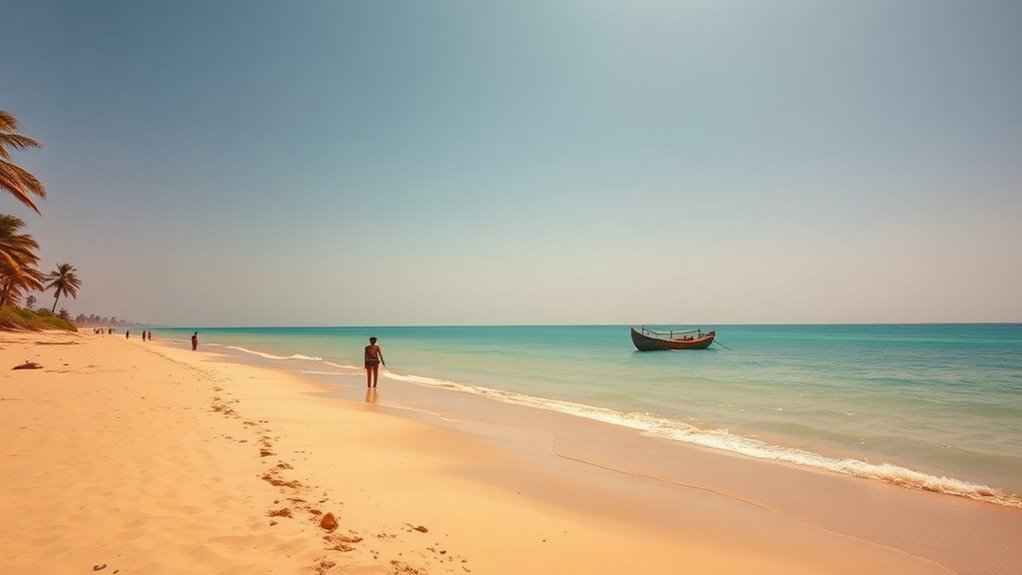
Senegal has two main climate seasons: a dry season from November through May and a rainy season from June through October. These are broad national patterns. Rainfall starts earlier and lasts longer in the south than in the north.
According to the Senegalese Embassy’s climate guidance, coastal trade winds keep temperatures relatively mild. Inland regions experience stronger heat and the harmattan, a dry wind that carries Saharan dust.
Dry Season: November to May
The dry season is generally the easiest time for exploring Dakar, Saint-Louis, Gorée Island, and Senegal’s national parks. Rain is uncommon, humidity is lower, and many rural routes are easier to use.
November through May generally offers clearer skies and easier travel, although heat and dust can still affect your plans.
November through February is the most comfortable period for many visitors. From March onward, inland temperatures rise sharply, even while Dakar remains cooler because of the Atlantic Ocean.
The dry season also brings migratory birds, outdoor cultural events, fishing activity, and lively markets. You can enjoy local dishes such as thieboudienne, Senegal’s well-known fish and rice dish, throughout the year.
Rainy Season: June to October
Senegal’s rainy season, called hivernage, brings warmer nights, higher humidity, and heavy showers. Rainfall is usually strongest between July and September, although the timing varies by region.
Casamance in southern Senegal receives much more rain than the northern coast. Its rice fields, forests, and waterways become especially green during this period.
Rain does not necessarily fall all day. You may enjoy sunny mornings followed by afternoon storms, but flooding can disrupt road travel.
This season suits travelers who enjoy photography, green landscapes, quieter resorts, and a flexible itinerary.
The Best Time to Visit Senegal Overall
November through February is the best overall period for a first trip to Senegal. The weather is generally dry, temperatures are more comfortable, and you can combine cities, beaches, cultural attractions, and nature reserves.
In Dakar, average daytime highs range from approximately 25°C to 30°C (77°F to 86°F) during these four months. December through February is especially pleasant for walking around the capital and visiting nearby attractions.
However, the ideal dates depend on your itinerary:
- Dakar and Gorée Island: November through March offers comfortable conditions for sightseeing.
- Saly and the Petite Côte: November through May is generally dry, with warmer beach conditions later in the season.
- Saint-Louis: November through February offers pleasant sightseeing weather, while May brings jazz events.
- Niokolo-Koba National Park: January through April usually offers favorable wildlife-viewing conditions.
- Casamance and Cap Skirring: November through May is better for avoiding heavy rain, although local conditions vary.
December and January are attractive for holidaymakers, but accommodation demand can increase around Christmas and New Year.
For a balance of weather, sightseeing, and availability, November or February can be especially appealing. March is another good option if you plan to stay near the coast.
Month-by-Month Weather Breakdown for Senegal
Senegal’s weather changes noticeably throughout the year. Dakar stays relatively mild because of ocean breezes, while inland towns can become much hotter.
The following figures come from the World Meteorological Organization’s Dakar climate averages. They represent historical averages for 1981–2010, not a forecast for a specific year or temperatures across the whole country.
| Month | Average High | Average Rainfall | Travel Conditions |
|---|---|---|---|
| January | 24.9°C / 77°F | 1.8 mm | Cool and dry; excellent for sightseeing and birds. |
| February | 24.8°C / 77°F | 0.5 mm | Very dry; comfortable for outdoor activities. |
| March | 25.1°C / 77°F | 0 mm | Dry on the coast; increasing heat inland. |
| April | 24.7°C / 76°F | 0 mm | Good coastal weather; intense inland heat. |
| May | 25.9°C / 79°F | 0.1 mm | Mostly dry in Dakar; jazz festival season. |
| June | 28.5°C / 83°F | 10.3 mm | Warmer and more humid; southern rains increase. |
| July | 29.9°C / 86°F | 54.9 mm | Humid with increasingly frequent showers. |
| August | 30.2°C / 86°F | 155.9 mm | Wettest month in Dakar’s historical averages. |
| September | 30.6°C / 87°F | 131.3 mm | Frequent rain and green landscapes. |
| October | 30.9°C / 88°F | 23.8 mm | Rain decreases; still warm and humid. |
| November | 29.7°C / 85°F | 0.2 mm | Dry season returns; excellent for mixed itineraries. |
| December | 27.2°C / 81°F | 0.1 mm | Comfortable weather; holiday and festival activity. |
January–March: Expect dry conditions and cooler nights. Harmattan dust can reduce visibility and irritate your eyes or throat. Pack a light layer and consider a well-fitting dust mask if you are sensitive to airborne particles.
April–May: Inland heat becomes a bigger concern. Around Tambacounda and Matam, temperatures can exceed 40°C (104°F). Plan demanding outdoor activities for cooler hours.
June–July: Rain begins spreading northward. Humidity rises, particularly in southern Senegal, but there can still be long sunny periods.
August–September: These are usually the wettest months around Dakar. Carry waterproof bags for electronics and allow extra time for road journeys.
October–November: Rainfall retreats, the countryside remains green, and dry-season travel conditions gradually return.
December: Cooler weather and little rain make city visits and coastal trips attractive. Holiday demand can affect accommodation availability.
When Senegal Gets Busy: And How to Beat the Crowds
Senegal’s busiest leisure-travel period generally falls between November and February, especially around Christmas and New Year. However, festivals, religious celebrations, and international events can create busy periods outside the usual tourist season.
Dakar, Saly, the Petite Côte, and popular attractions near the capital often see increased demand when European holidaymakers and returning Senegalese families travel.
Tourist numbers also differ by destination. A quiet beach town does not mean Dakar’s hotels or transport services will be equally quiet.
Peak Season Crowd Patterns
December and January can bring increased demand at coastal resorts, restaurants, and popular attractions. Holiday gatherings also affect transport and hotel availability.
Major events create additional pressure. The Dakar 2026 Youth Olympic Games run from October 31 through November 13, 2026, with activities in Dakar, Diamniadio, and Saly.
Another significant event is the Dak’Art Biennale, scheduled for November 19 through December 19, 2026. The contemporary African art event includes exhibitions and cultural activities in Dakar and other locations.
These events show why November is not always a quiet shoulder month.
For Christmas, New Year, or major festival trips, reserving popular accommodation two to three months ahead can give you more choice. Smaller guesthouses and boutique hotels may fill earlier than expected.
Attractions such as Gorée Island can also become busy on weekends and holidays. Visiting on a weekday or arriving early can make the experience more relaxed.
Smart Timing Travel Tips
The best way to avoid crowds is to match your destination with its seasonal demand, rather than relying on a single national peak-season calendar.
| Travel Period | Crowd Level | Cost Range |
|---|---|---|
| November–February | Moderate to high, especially during major events and holidays | Often higher at popular resorts |
| March–May | Low to moderate, with festival-related peaks | Variable; possible shoulder-season deals |
| June–September | Generally lower at many leisure resorts | Variable; not always cheapest |
| October | Usually moderate, depending on events | Variable by destination |
For a more relaxed experience, consider Saint-Louis outside festival dates, smaller villages along the Petite Côte, or guided trips into the Sine-Saloum Delta.
Religious celebrations, including Korité, Tabaski, and the Grand Magal of Touba, can also affect transport and accommodation. Their dates follow the Islamic lunar calendar or religious observance and can change from year to year.
Rather than assuming flights are cheaper on Tuesdays or Wednesdays, compare fares across several departure dates. The actual travel date, route, and demand matter more than a fixed booking-day rule.
What Senegal Actually Costs Depending on When You Go
Your travel costs in Senegal depend on your destination, accommodation type, and travel dates. Popular resort hotels can charge more during busy holiday periods, but the rainy season does not guarantee cheaper prices everywhere.
Dakar has business travel and domestic demand throughout the year. Coastal resorts may follow a different pricing pattern.
Peak Season Price Spikes
Holiday demand can raise accommodation prices in Saly, Cap Skirring, and popular parts of Dakar. Smaller hotels may offer fewer discounted rooms when occupancy is high.
However, advertised seasonal savings should be treated carefully. There is no reliable nationwide rule showing that every hotel becomes 40–70% more expensive in peak season.
For a concrete benchmark, AirROI’s Dakar rental-market data, updated November 5, 2026, reports an average booked nightly rate of approximately 42,962 CFA francs across the preceding 12 months.
That figure covers short-term rental listings, not all hotels. It also does not mean you will find the same rate for your chosen dates.
The data shows why you should distinguish between hotel prices, vacation rentals, and regional resort pricing when planning your budget.
Off-Season Budget Savings
From June through October, some leisure-focused hotels and guesthouses offer discounts to attract visitors. You may find good deals in destinations where tourism slows during heavy rain.
But savings vary. Dakar’s short-term rental market can remain active during the wetter months, and some properties charge more in summer than in December.
To control expenses:
- Compare the total accommodation price, including taxes and fees, across different months.
- Consider guesthouses or apartments outside the busiest resort areas.
- Choose a central location if it reduces repeated taxi journeys.
- Allow money for guided tours, domestic transport, park fees, and unexpected delays.
- Use local restaurants and markets to experience Senegalese cuisine without relying entirely on resort dining.
Many beaches and public market areas can be explored without an admission charge, although transport, activities, and private facilities may cost extra.
For a specific paid attraction, the Maison des Esclaves on Gorée Island publishes an entry price of 1,500 CFA francs for nonresidents and 500 CFA francs for Senegal residents. The ferry journey is a separate expense.
These smaller costs matter when comparing itineraries, especially if you plan several excursions.
Best Time to Visit Senegal for Wildlife and Safari
The dry season from November through May is generally best for wildlife viewing in Senegal. Vegetation becomes thinner, some animals gather near remaining water sources, and park tracks are often easier to use.
However, Senegal’s wildlife experiences differ from the large, open-plains safaris associated with parts of East Africa. Birdwatching is a particular highlight, while sightings of large predators are much less predictable.
Niokolo-Koba National Park: January to April
Niokolo-Koba National Park in southeastern Senegal is an important protected area for West African wildlife.
The UNESCO World Heritage description of Niokolo-Koba identifies lions, leopards, chimpanzees, Derby elands, elephants, and many bird species among the animals found in its ecosystems.
The park covers approximately 913,000 hectares of savanna, gallery forest, wetlands, and other habitats.
January through April usually offers favorable conditions for guided wildlife drives because vegetation is less dense and tracks are drier.
Still, large animals may be difficult to spot. The presence of a species in the park does not guarantee a sighting during your visit.
During the rainy season, flooded tracks and difficult access can limit excursions. Confirm the operating arrangements for your specific route before committing to a safari.
Djoudj National Bird Sanctuary: November to April
Djoudj National Bird Sanctuary, near Saint-Louis in northern Senegal, is one of the country’s leading birdwatching destinations.
According to UNESCO’s description of Djoudj, this 16,000-hectare wetland supports around 1.5 million migratory birds.
Species include white pelicans, flamingos, African spoonbills, herons, and cormorants.
The main migratory birdwatching period generally runs from November through April. January and February are particularly attractive for visitors who want comfortable weather and strong bird activity.
Bring binoculars, sun protection, and a camera with a zoom lens if you enjoy wildlife photography.
For a trip focused on both Niokolo-Koba and Djoudj, January through March is a practical compromise between dry-season access and birdwatching opportunities.
Best Time to Visit Senegal for Beaches and Festivals
Senegal’s beaches are most comfortable for many visitors during the dry season, while major cultural festivals take place at different times of the year. Your ideal dates depend on whether you prefer swimming, surfing, music, art, or local celebrations.
Best Months for Senegal’s Beaches
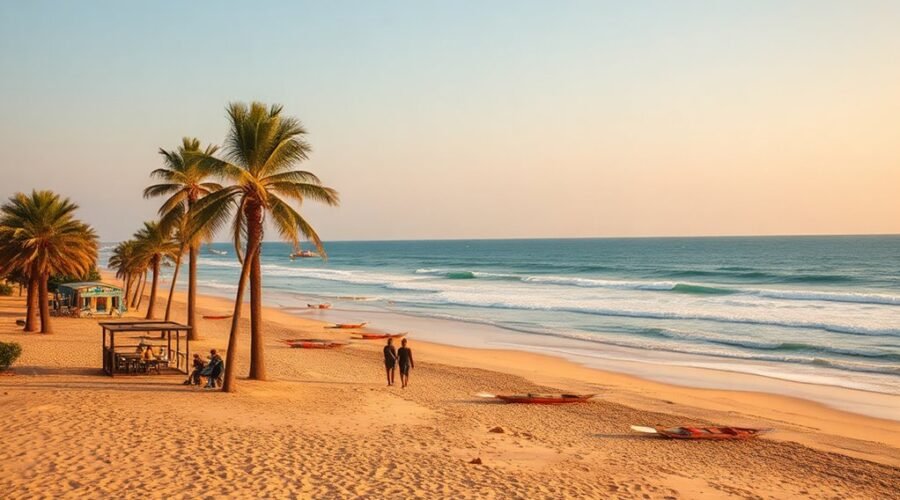
November through May generally offers the most dependable dry weather for visiting Saly, Cap Skirring, and other Atlantic coastal destinations.
However, sunshine does not always mean warm swimming water. Senegal’s Atlantic coast experiences seasonal changes in sea temperature, and the water around Dakar can feel cool in winter.
The Senegalese Embassy reports sea temperatures ranging from around 20°C (68°F) in February to 28°C (82°F) in October.
For beach walks, coastal sightseeing, and relaxing in the sun, December through February is attractive. If warmer conditions matter more, consider March through May or the transition months, while accounting for rain risk later in the year.
Sea conditions vary by beach. Follow local swimming warnings and avoid entering rough water without suitable supervision.
Best Months for Senegal’s Festivals
Senegal’s cultural calendar offers memorable experiences beyond the main tourist season.
- Saint-Louis Jazz Festival: Usually held in May, this international festival brings musicians and visitors to historic Saint-Louis. A local Saint-Louis events calendar lists May 4–8, 2027, for the next edition, although organizer confirmation remains outstanding.
- Saint-Louis Fanal Festival: This traditional celebration takes place in December, usually toward the end of the month. Illuminated lantern structures, music, costumes, and processions celebrate the city’s cultural history.
- Dak’Art Biennale: The 2026 edition runs from November 19 to December 19, with contemporary African art exhibitions and related events in Dakar and other regions.
- Traditional wrestling: Senegalese wrestling, often called laamb, attracts passionate audiences. Event schedules vary, so visitors should plan around confirmed matches rather than assuming a fixed annual date.
The Saint-Louis local events calendar also lists the Métissons music festival in late November, documentary film events around late April or early May, and traditional pirogue races between August and September.
For a festival-centered trip, Saint-Louis and Dakar offer different experiences. Saint-Louis is especially appealing for jazz, riverfront traditions, and Fanal celebrations, while Dakar hosts major visual arts and performance events.
Festival accommodations can fill quickly even when the surrounding month is normally considered quieter.
Visiting Senegal in the Rainy Season: Is It Worth It?
Yes, visiting Senegal during the rainy season can be worthwhile if you enjoy green landscapes and have a flexible schedule. June through October brings fewer visitors to some tourist resorts, but also higher humidity, more mosquitoes, and a greater chance of travel delays.
From July through September, rainfall transforms dry countryside into green fields and wetlands. Casamance becomes especially lush, while farming communities prepare fields and harvests according to local rainfall patterns.
Senegal’s rainy season offers green scenery and quieter experiences, but it rewards travelers who can adapt to changing weather.
Rainy-season travel is particularly suitable for photographers, travelers interested in rural landscapes, and visitors who do not need a tightly scheduled itinerary.
There are trade-offs. Roads can flood, unpaved tracks become muddy, and some nature excursions may be harder to arrange.
Keep outdoor plans flexible and avoid scheduling critical onward connections immediately after long rural journeys.
If you prefer predictable sightseeing weather, the dry season remains the better choice. If you enjoy seeing the countryside at its greenest and can tolerate rain, the wet season has its own appeal.
What to Prepare Before Traveling to Senegal
Choosing the right month is only one part of planning a safe and comfortable trip. Entry rules, health precautions, local payment methods, and regional security conditions deserve attention before departure.
Vaccinations and Malaria Prevention
Senegal’s March 2026 vaccination guidance states that presenting a vaccination booklet is not generally mandatory for entry. It recommends several vaccines for travelers arriving from countries without relevant epidemics or endemic disease.
Travel health recommendations can still differ by nationality, transit route, and personal medical history.
The UK TravelHealthPro Senegal guidance recommends hepatitis A vaccination for previously unvaccinated travelers and advises yellow fever vaccination for many travelers. Typhoid protection may also be appropriate.
Warning: Malaria is a significant health risk in Senegal throughout the year, including during the dry season. Consult a travel health professional about suitable preventive medication before departure. Use mosquito repellent, protective clothing, and appropriate sleeping protection. Vaccination certificate rules may also depend on your travel route.
Arrange travel health advice several weeks before departure when possible. Travelers with medical conditions, pregnant travelers, and families with young children may require more tailored precautions.
Visas and Entry Requirements
Senegal’s tourist visa rules depend on your nationality. Some passport holders can visit for short stays without a visa, while others need one before traveling.
The Senegalese Ministry of Foreign Affairs visa guidance lists visa-exempt nationalities, including citizens of the United States, United Kingdom, Canada, and several European countries, for stays under three months.
Travelers from countries not covered by these exemptions generally need a visa. The ministry also specifies a minimum passport validity of six months.
Confirm the rules applicable to your passport before purchasing nonrefundable flights.
Money and Regional Safety
Senegal uses the West African CFA franc, abbreviated XOF. Credit cards work at many larger hotels and some restaurants, but cash remains useful for taxis, markets, and smaller businesses.
ATMs are available in Dakar and other major cities. Mobile money is also widely used for local payments.
Carry a reasonable amount of cash rather than displaying large sums, and use secure ATMs when possible.
Senegal is a popular travel destination, but safety conditions vary. Petty theft can occur in crowded areas, especially around transport terminals and major attractions.
Note: Some parts of Casamance and border regions have additional security risks, including landmines and occasional armed activity. The Government of Canada’s Senegal travel advisory recommends using main roads and traveling during daylight in affected areas. Follow current official advice for your intended route.
Frequently Asked Questions
What Vaccinations Do I Need Before Traveling to Senegal?
Recommended vaccines commonly include hepatitis A and yellow fever, while typhoid is advised for many travelers. Senegal’s March 2026 notice says a vaccination booklet is not generally mandatory for entry, but requirements can depend on where you arrive from. Discuss malaria prevention with a travel clinic.
Do I Need a Visa to Enter Senegal as a Tourist?
Visa rules depend on your passport. Senegal’s foreign ministry lists several nationalities, including U.S. and UK passport holders, as visa-exempt for visits under three months, but others must apply before travel. Your passport generally needs at least six months of validity.
Is Senegal Safe for Solo Female Travelers Year-Round?
Senegal can be manageable for solo female travelers, but no destination is risk-free. Use trusted transport, keep valuables discreet, and avoid isolated areas at night. In Casamance, stay on main roads and follow current regional security advice.
What Languages Are Spoken in Senegal Besides French?
Wolof is widely spoken, alongside Pulaar, Serer, Mandinka and other Senegalese languages. French is the official language and is often useful for travel services and paperwork. Learning a few Wolof greetings can make everyday exchanges easier.
Can I Use My Credit Card Easily in Senegal?
Credit cards work at many large hotels and some restaurants, especially in Dakar, but smaller businesses often prefer cash. Carry West African CFA francs for markets, taxis, and rural travel, and use ATMs in secure locations. Mobile money is also common locally.
Conclusion
For most travelers, November through February offers the best combination of comfortable weather, sightseeing opportunities, and wildlife experiences in Senegal.
Choose March through May for dry coastal travel and selected festivals, or consider June through October if green landscapes and a flexible schedule appeal to you more than predictable weather.
Once you have chosen your preferred season, match your travel dates to the destinations and events you want to experience. That simple planning decision can make your Senegal trip more rewarding.
Sources
- Embassy of Senegal: Weather and Climate: Dry and rainy seasons, regional climate differences, and coastal temperatures.
- World Meteorological Organization: Dakar Climate: Historical monthly temperature and rainfall averages for 1981–2010.
- International Olympic Committee: Dakar 2026: Youth Olympic Games dates and host locations.
- Dak’Art Biennale Official Website: Confirmed November 19–December 19, 2026 event dates.
- AirROI: Dakar Rental Market Data: 2026 short-term rental rates and seasonal pricing patterns.
- Maison des Esclaves: Visitor Information: Admission prices and visitor arrangements.
- UNESCO: Niokolo-Koba National Park: Park area, ecosystems, and wildlife species.
- UNESCO: Djoudj National Bird Sanctuary: Wetland size, migratory birds, and key species.
- Saint-Louis Local Events Calendar: Jazz festival listing and seasonal cultural events.
- Senegalese Ministry of Foreign Affairs: Visa Requirements: Visa exemptions and passport validity requirements.
- Senegalese Ministry of Foreign Affairs: Vaccination Notice: March 2026 guidance on vaccination certificates for entry.
- UK TravelHealthPro: Senegal: Vaccination recommendations and malaria prevention guidance.
- Government of Canada: Senegal Travel Advice: Regional security, money, transport, and general travel precautions.