Choosing the best time to visit Sicily depends on what matters most to you: warm sea temperatures, comfortable sightseeing weather, lighter crowds, or lower travel costs. Sicily has a long travel season, but conditions differ between the coast, inland towns, and higher elevations. For many travelers, May, June, September, and October offer the most useful balance.
Quick Answer
The best time to visit Sicily for most travelers is May, June, September, or early October. These months combine warm weather with better conditions for sightseeing and beaches than midsummer. July and August suit heat-loving beach travelers, while November through March can offer quieter trips and often lower accommodation demand.
Key Takeaways
- Best overall balance: May, June, September, and early October.
- Best for beaches: June through September, although Sicily’s official tourism guidance describes May through October as the broader sea season.
- Best for sightseeing: April, May, September, and October, when walking conditions are usually more comfortable than in peak summer.
- Lowest crowd pressure: Generally November through March outside Christmas, New Year, Easter-related periods, and major local events.
- Important: Sicily has strong regional climate differences, so weather in Palermo, Catania, inland areas, and Mount Etna can be very different on the same day.
Spring: Mild Weather and Excellent Sightseeing
Spring is one of Sicily’s most flexible travel periods. Wildflowers appear across the countryside, daylight increases, and temperatures become steadily more comfortable for archaeological sites, historic centers, hiking, and road trips.
Note: There is no single Sicily-wide monthly temperature. Palermo, Catania, Agrigento, inland towns, and mountain areas have different climate patterns. The figures below use coastal-city climate normals as useful reference points rather than guarantees for the whole island.
March: Quiet Sightseeing and Changeable Weather
March is a shoulder-season month with a mix of mild sunny periods, cooler evenings, and a meaningful chance of rain. Long-term World Meteorological Organization data show an average March daytime high of about 16.4°C in Palermo and about 18.0°C in Catania. Inland and elevated areas can feel substantially cooler.
- Weather: Pack layers and a light waterproof jacket. March is better for touring than for a dependable beach holiday.
- Crowds: Usually lighter than late spring and summer, especially at major archaeological sites on ordinary weekdays.
- Costs: Flights and accommodation can be good value compared with high summer, but rates still depend on events, weekends, departure city, and booking timing.
- Best for: Archaeology, cities, scenic drives, photography, and travelers who prefer quieter attractions.
April: One of the Best Months for Sightseeing
April brings longer days, greener landscapes, and increasingly reliable conditions for exploring cities and archaeological areas. Representative average daytime highs are about 18.7°C in Palermo and 20.6°C in Catania.
- Weather: Usually comfortable for walking, although showers and cool evenings remain possible.
- Crowds: Moderate overall, with an important exception around Easter and Holy Week. Sicily has major Easter processions and religious events that can increase demand in specific towns.
- Costs: Often below midsummer rates, but Easter-period accommodation can rise quickly in popular destinations.
- Best for: Palermo, Syracuse, Agrigento, Noto, Ragusa, hiking, and cultural travel.
Pro Tip: If your April trip overlaps Easter, reserve accommodation and intercity transport earlier than you would for an ordinary spring week. Holy Week is a major cultural period in several Sicilian towns.
May: Warm Days and the Start of the Broader Sea Season
May is one of the strongest all-round months. Average daytime highs reach about 23.3°C in Palermo and 25.2°C in Catania, while rainfall normally becomes less frequent than in early spring.
- Weather: Warm enough for outdoor dining, long sightseeing days, and increasingly beach-friendly afternoons.
- Swimming: Sicily’s official tourism authority describes May through October as the island’s broad bathing season, although early-May water can still feel cool to some swimmers.
- Crowds: Noticeably busier than March, especially on weekends and in Taormina, Palermo, Cefalù, Syracuse, Noto, and major archaeological areas.
- Costs: Demand rises with the better weather, so advance booking becomes more useful.
- Best for: Travelers who want sightseeing plus some beach time without July-August heat.
If you’re planning a trip to Sicily, Italy, understanding the best time to visit is crucial for maximizing your experience. For those interested in exploring another beautiful destination, you might find it helpful to read about the optimal times to visit Flagstaff, Arizona, which also discusses weather, crowds, and costs. You can check out this related article for more insights: Best Time to Visit Flagstaff, AZ: Weather, Crowds, and Costs.
Summer: Sun, Sea, Heat, and High Demand
Summer is Sicily’s classic beach season. Days are long, rainfall is generally limited, seaside towns are lively, and the Mediterranean is warm. The tradeoff is stronger heat, heavier demand, and higher prices in many popular destinations.
June: Summer Weather Without the Full August Intensity
June delivers dependable beach conditions while usually avoiding the most intense combination of heat and crowds seen later in summer. Long-term average daytime highs are about 27.2°C in Palermo and 30.0°C in Catania.
- Weather: Warm to hot and generally dry. Sun protection and regular hydration become important.
- Sea: Usually comfortable for swimming, boating, snorkeling, and beach days.
- Crowds: Moderate to high in famous coastal areas, with weekends busier than weekdays.
- Costs: Summer demand is established by June, particularly in resort areas, but it can still be easier to find options than during the busiest August weeks.
- Best for: Travelers wanting a beach-focused trip with sightseeing early or late in the day.
July & August: Peak Heat and Peak Holiday Demand
July and August are the hottest and most intense part of the main summer season. Long-term average daytime highs are close to 30°C in Palermo and around 33°C in Catania, while individual heat spells can be significantly hotter.
- Weather: Hot, sunny conditions dominate. Plan outdoor archaeological sites for early morning or late afternoon when possible.
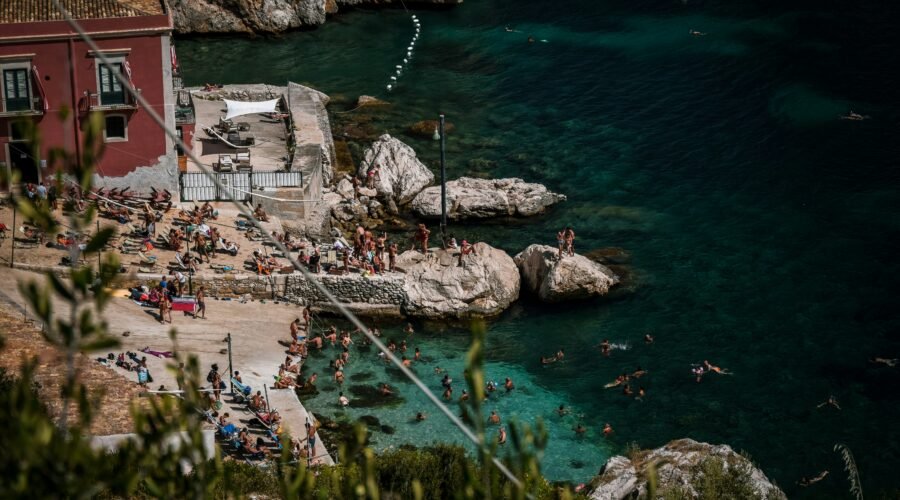
- Sea: This is the warmest and most reliable period for swimming and water activities.
- Crowds: High at famous beaches, islands, resort towns, and headline attractions. August is particularly busy because it overlaps the principal Italian holiday period.
- Costs: Accommodation, flights, ferries, and rental cars often face their strongest demand. Booking well ahead can improve choice, but there is no universal rule guaranteeing a particular price.
- Best for: Travelers whose priority is beaches, warm water, nightlife, and summer festivals rather than cool sightseeing conditions.
Warning: Sicily can experience very hot summer periods. Carry water, use sun protection, avoid strenuous midday activity during extreme heat, and check local weather or civil-protection warnings before exposed hikes.
Autumn: Warm Sea, Easier Sightseeing, and Harvest Events

Autumn begins with summer-like conditions and gradually becomes cooler and wetter. September is especially attractive because the sea retains summer warmth while daytime sightseeing becomes more manageable.
September: One of the Best All-Round Months
September remains genuinely warm. Average daytime highs are about 27.5°C in Palermo and 29.8°C in Catania, and the sea retains much of its summer heat.
- Weather: Excellent for beaches while generally easier for sightseeing than the hottest summer weeks.
- Crowds: Still significant early in the month, then generally easing as September progresses.
- Costs: Rates may soften after peak August demand, but popular destinations can remain expensive while weather is still highly desirable.
- Best for: Travelers seeking perhaps the strongest combination of beaches, culture, and manageable heat.
October: Mild Sightseeing Weather with More Rain Risk
October is another strong culture-and-road-trip month. Average daytime highs are about 23.5°C in Palermo and 24.9°C in Catania, but rainfall becomes more frequent than in summer.
- Weather: Usually mild enough for long walking days, with a greater need for flexible rain plans.
- Swimming: Early October can still work well for swimmers, although the sea and evenings cool as the month progresses.
- Crowds: Generally lower than in summer, though Sicily’s growing shoulder-season tourism means famous destinations should not be assumed to be empty.
- Costs: Often more moderate than midsummer, especially once beach demand fades.
- Best for: Food, wine, sightseeing, hiking, road trips, and travelers who value a slower pace.
November: Quiet Travel with Cooler and Wetter Conditions
November is firmly outside Sicily’s main beach season. Average daytime highs remain relatively mild at about 19.0°C in Palermo and 20.1°C in Catania, but rainfall is more common and daylight is shorter.
- Weather: Mild by northern-European standards but changeable, with cool evenings and a greater chance of wet days.
- Crowds: Usually much lighter than summer, especially at archaeological sites and in resort areas.
- Costs: Accommodation demand is often lower outside events and holiday periods, which can create good-value stays.
- Best for: Food, museums, archaeology, city breaks, and travelers who do not need beach weather.
Winter: Quiet Cities, Culture, and Cooler Weather

Winter offers a very different Sicily. Beaches are no longer the focus, but historic centers, museums, archaeological areas, food, and local life can be enjoyed with less tourism pressure.
December & January: Cool, Wetter, and Generally Quiet
Coastal Sicily remains relatively mild compared with much of Europe. Palermo’s average daytime highs are about 15.8°C in December and 14.7°C in January; Catania averages about 16.5°C and 15.5°C. Nights are much cooler, and mountain conditions are entirely different.
- Weather: Expect a mixture of sunny spells, rain, cool evenings, and shorter daylight hours. Snow is possible at elevation around Mount Etna.
- Crowds: Generally low outside Christmas and New Year periods.
- Costs: Many properties have lower off-season demand, although holiday dates and city events can produce exceptions.
- Availability: Some seasonal beach businesses and smaller tourism services may operate reduced schedules, so check individual opening hours.
- Best for: Culture, food, archaeology, cities, photography, and quiet travel.
February: Low-Season Travel with Major Cultural Events
February remains a winter month, with Palermo averaging a daytime high around 14.5°C and Catania around 16.1°C. It can still be wet and cool, but the month’s cultural calendar gives travelers some strong reasons to visit.
- Weather: Cool to mild on the coast, with colder conditions inland and at altitude.
- Crowds: Generally low outside major events.
- Costs: Often favorable compared with peak summer, but event weekends can be exceptions.
- Events: Catania’s Feast of Sant’Agata centers on February 3–5 and draws very large numbers of worshippers and visitors.
- Best for: Cultural travelers, local traditions, and city breaks rather than beach holidays.
If you’re planning a trip to Sicily, Italy, understanding the best time to visit can greatly enhance your experience. Factors such as weather, crowds, and costs play a significant role in your travel plans. For those interested in exploring similar travel insights, you might find the article on the best times to visit Annapolis, MD particularly useful, as it offers valuable information on how to navigate seasonal changes and local events.
The Crowd Factor: When Sicily Is Busiest
Visitor levels vary by destination, event, day of the week, and whether you are visiting a beach resort, major city, island, archaeological site, or inland village. The categories below are useful planning trends rather than guarantees.
| Month | Typical Weather | Crowd Trend | Typical Demand / Cost Trend |
|---|---|---|---|
| January | Cool, wetter | Low | Lower |
| February | Cool, changeable | Low; event spikes | Lower |
| March | Mild, changeable | Low | Lower to moderate |
| April | Mild | Moderate; Easter spikes | Moderate |
| May | Warm | Moderate | Moderate |
| June | Warm to hot | Moderate to high | Moderate to high |
| July | Hot, dry | High | High |
| August | Hot | Very high in resorts | High |
| September | Warm | Moderate to high, easing later | Moderate to high |
| October | Mild, wetter | Moderate to low | Moderate |
| November | Mild to cool, wetter | Low | Lower |
| December | Cool, wetter | Low outside holidays | Lower outside holidays |
Summer: The Busiest Period
- July and August: Expect the strongest tourism pressure at famous beaches, islands, major resort towns, and headline cultural attractions.
- Late June and early September: These periods still feel summery but can be somewhat easier than the busiest August weeks.
- Best strategy: Visit major sights at opening time, reserve popular activities, and avoid assuming that parking or same-day accommodation will be readily available in resort areas.
Spring & Autumn: The Best Balance for Many Travelers
- April, May, September, and October: These months generally combine usable weather with less extreme tourism pressure than peak summer.
- March and November: Better choices for travelers prioritizing quiet sightseeing over swimming.
- Event exception: Easter, major festivals, and local celebrations can make an otherwise quiet month temporarily busy.
Winter: Lower Overall Tourism Pressure
- November through February: Many attractions and cities are much quieter than in summer.
- Holiday exceptions: Christmas, New Year, Saint Agatha in Catania, Carnival events, and other local festivals can produce concentrated demand.
- Tradeoff: You gain quieter sightseeing but lose dependable beach weather and may encounter reduced seasonal opening hours.
Cost Considerations: How Season Affects Your Budget
Travel dates influence accommodation availability, airfare, rental-car demand, and sometimes ferry or activity availability. However, there is no single Sicily-wide price calendar. Exact costs depend on your origin, destination, hotel category, events, school holidays, and how far ahead you book.
Peak Summer Demand: July & August
- Flights: Strong holiday demand can push fares higher, particularly for convenient nonstop routes and weekend travel.
- Accommodation: Popular coastal towns, islands, and resort areas may have limited choice if you book late.
- Car Rentals: Inventory can tighten during busy holiday weeks.
- Activities: Popular boat trips, beach clubs, and guided excursions can sell out.
Shoulder Season: April, May, June, September & October
- Flights: Often a better balance of schedule choice and demand than the busiest August dates.
- Accommodation: Good value is often possible, but May, June, and September can still command strong rates in places such as Taormina, Cefalù, and the islands.
- Car Rentals: Availability is generally easier than at peak summer demand.
- Overall value: These months often deliver more comfortable sightseeing conditions without giving up the full range of tourism services.
Lower Season: November to March
- Flights: Bargains can occur, but prices still depend heavily on route and holiday dates.
- Accommodation: Many destinations have weaker demand than in summer, potentially improving value.
- Car Rentals: Demand is generally lower outside events and holidays.
- Tradeoff: Beach-oriented businesses may close or reduce hours, and winter weather is less predictable.
Pro Tip: Treat “low,” “moderate,” and “high” cost seasons as planning trends, not guaranteed prices. Compare live airfare, hotel, ferry, and rental-car rates before locking in your dates.
Activities and Events: Match Your Trip to the Season
Weather alone should not decide your travel dates. The best month changes depending on whether you want swimming, archaeology, hiking, food festivals, religious traditions, or a quieter city break.
Beach & Water Activities
- Broad sea season: Sicily’s official tourism site describes May through October as the broad period for enjoying the sea.
- Most reliable warm-water period: June through September.
- May and October: Often workable, especially for travelers comfortable with cooler water and variable weather.
- Winter: Better for coastal walks and scenery than conventional swimming holidays.
For most travelers, Sicily’s strongest beach-and-sightseeing compromise comes before or after the July-August peak rather than at the height of summer.
Sightseeing & Historical Exploration
- Best overall: April, May, September, and October.
- Quiet alternative: March, November, and winter can be rewarding if you accept cooler or wetter conditions.
- Summer strategy: Start archaeological sites early, take a midday break, and return to outdoor sightseeing later in the day.
Hiking & Outdoor Adventures
- Best general conditions: Spring and autumn are usually more comfortable than midsummer for sustained walking.
- Summer: Heat can make exposed routes difficult or unsafe during the hottest part of the day.
- Winter: Mountain conditions can be cold, snowy, windy, or otherwise unsuitable even when coastal cities feel mild.
Warning: Mount Etna is an active volcano. Conditions, alert levels, high-altitude access, and excursion restrictions can change with little notice. Before an Etna trip, check the Italian Civil Protection Etna page, local weather, and current access rules. Do not assume a route is available simply because the season is normally suitable.
Food & Wine Festivals
- Autumn: A strong period for harvest-related food, wine, olive, chestnut, and local-product events.
- Summer: Town festivals and food-focused sagre are also common.
- Planning: Festival dates and programs change annually, so verify the current calendar before booking a trip around a specific event.
Cultural Events & Festivals
- Feast of Sant’Agata: Catania’s core celebrations take place from February 3 to 5 and attract very large crowds.
- Almond Blossom Festival: Agrigento’s Mandorlo in Fiore is a spring festival; dates vary by year. The 2026 edition ran in March rather than February.
- Infiorata di Noto: The famous flower display is held in May; Sicily’s official tourism authority describes the main event as taking place on the third Sunday in May.
- Easter and Holy Week: Important processions and religious events take place across Sicily, including Trapani, Caltanissetta, Enna, and other towns.
- Summer: Outdoor concerts, opera, local feste, and cultural programs add energy to the high season.
- Christmas and Carnival: Winter also has markets, nativity traditions, parades, and local celebrations.
Making Your Final Decision: Which Month Is Best for You?
The best time to visit Sicily becomes much easier to choose once you decide what you want the trip to emphasize.
- For the Ultimate Beach Holiday: Choose July or August for the warmest, most dependable swimming conditions if you are comfortable with heat, high demand, and busy resorts. June and September are excellent alternatives.
- For Sightseeing and Culture without Peak Heat: April, May, September, and October are the strongest choices for long walking days, archaeology, historic towns, and outdoor dining.
- For Budget-Conscious Travel and Lower Crowds: Look first at November through March outside Christmas, New Year, Easter-related dates, and major festivals. Prices are not guaranteed to be lowest, but overall tourism demand is usually weaker.
- For a Balanced First Visit: May and September are especially easy to recommend. June works well if beaches matter more, while October is excellent if culture, food, and road trips matter more than guaranteed swimming.
- For Hiking: Favor spring and autumn, but always check local mountain weather and volcanic access conditions before Etna excursions.
Sicily can be rewarding in every season, but each period comes with a different tradeoff. Choose summer for maximum beach time, spring and early autumn for the broadest mix of activities, and winter for culture and a quieter pace. Matching the month to your priorities will matter more than chasing one supposedly perfect date.
Sources
- Visit Sicily — Sicily’s climate and sea season — supports the Mediterranean climate overview and May–October bathing-season guidance.
- World Meteorological Organization — Palermo climate information — supports representative western/coastal monthly temperature and rainfall data.
- World Meteorological Organization — Catania climate information — supports representative eastern Sicily monthly temperature and rainfall data.
- Sicilian Region Tourism Observatory — provides official tourism-flow data and seasonal visitor context.
- Italian Civil Protection — Mount Etna — provides current volcanic alert and risk information.
- Visit Sicily — Infiorata and seasonal events — supports current event-season guidance.
Frequently Asked Questions
What is the best month to visit Sicily?
September is one of the best all-round choices because the weather and sea remain warm while peak August pressure begins to ease. May is another excellent option for sightseeing, road trips, and increasingly beach-friendly weather.
When is the peak tourist season in Sicily?
July and August are the principal peak months, especially in coastal resorts, islands, beach towns, and famous destinations. August can be particularly busy because it overlaps Italy’s main summer-holiday period.
What is the quietest time to visit Sicily?
November through February generally brings much lower tourism pressure than summer outside Christmas, New Year, major festivals, and special events. March can also be pleasantly quiet before the main spring travel season builds.
When can visitors usually find lower travel costs in Sicily?
Lower-demand months from November through March often provide better-value accommodation and rental-car availability than peak summer. However, there is no guaranteed cheapest month because fares and room rates change with holidays, events, route demand, and booking timing.
When is the best time to swim in Sicily?
June through September provides the most reliable combination of hot weather and warm sea temperatures. Sicily’s official tourism authority describes May through October as the broader sea season, so late spring and early autumn can also work for swimmers comfortable with cooler water.
Is October a good time to visit Sicily?
Yes. October is excellent for sightseeing, road trips, food, wine, and hiking because temperatures are usually mild and crowds are lower than in summer. The tradeoff is a higher chance of rain and less dependable swimming weather, especially later in the month.
What are some major seasonal festivals in Sicily?
Major examples include the Feast of Sant’Agata in Catania in February, Holy Week and Easter processions in spring, Agrigento’s Almond Blossom Festival in spring, Noto’s Infiorata in May, and numerous summer and autumn town and food festivals. Always confirm exact dates for the year you plan to travel.