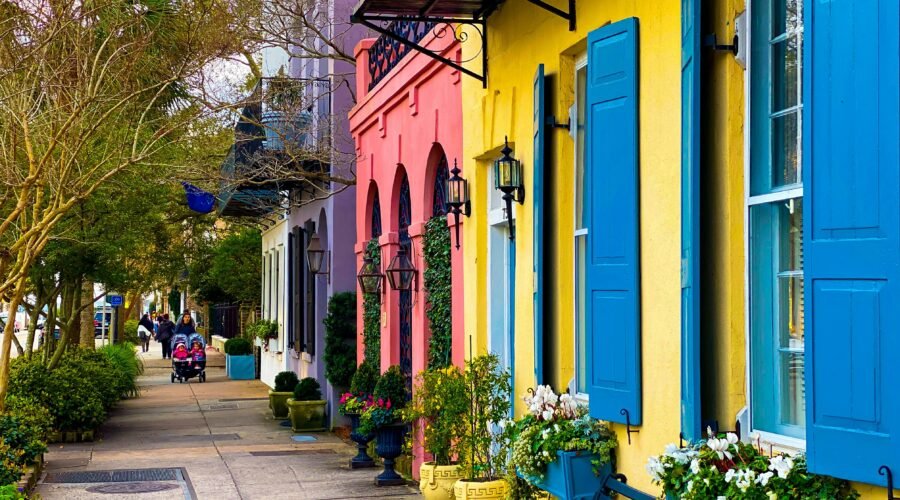
The best time to visit South Carolina is generally April to May or late September to October. These periods offer a good balance of pleasant weather, outdoor activities, and manageable crowds. Whether you’re planning a Charleston getaway, a Myrtle Beach vacation, or a hiking trip in the Upstate, choosing the right season can make a big difference.
Quick Answer
April, May, and October are among the best months to visit South Carolina for comfortable weather and outdoor activities. Choose June through August for a traditional beach vacation, late October through early November for fall foliage, or winter for a quieter getaway. September offers warm beach weather but remains within active hurricane season.
Key Takeaways
- Best overall: April, May, and October offer pleasant conditions for sightseeing, golf, and outdoor recreation.
- Best for beaches: June through August offers warmer ocean water and a lively vacation atmosphere.
- Best for fall foliage: Mid-October through early November, especially in the Upstate.
- Best for quieter travel: January, February, and parts of November and December.
- Best for potential accommodation savings: Winter and selected shoulder-season weekdays, depending on your destination.
- Important weather consideration: Atlantic hurricane season runs from June 1 through November 30.
Best Time to Visit South Carolina by Season
Each season has something different to offer. Before choosing your dates, compare the typical weather, crowds, and activities.
| Season | What to Expect | Best For |
| Spring March–May |
Mild to warm weather, blooming gardens, and occasional showers. Popular festival weekends can be busy. | Charleston, gardens, hiking, golf, and sightseeing. |
| Summer June–August |
Hot, humid weather, warm ocean water, afternoon thunderstorms, and busy coastal destinations. | Swimming, family vacations, boating, and beach activities. |
| Fall September–November |
Warm early fall, cooler late-season weather, developing foliage, and continued tropical-storm risk. | Golf, scenic drives, hiking, festivals, and sightseeing. |
| Winter December–February |
Cooler weather, fewer visitors outside holiday periods, and occasional freezing conditions inland. | Budget-conscious trips, museums, coastal golf, and quiet getaways. |
These are seasonal patterns, not guaranteed conditions. South Carolina’s mountains, inland cities, and coastal communities can experience noticeably different weather on the same day.
1. Spring: April and May
Ah, spring in South Carolina. It’s a lovely time to visit. Flowers are blooming, outdoor dining is inviting, and the intense heat of summer has not fully arrived.
For many travelers, April and May provide the most comfortable balance of weather and activities.
Weather That’s Just Right
April generally brings mild to warm afternoons and cooler evenings. By May, temperatures climb, especially in the Midlands and coastal areas.
Charleston, Myrtle Beach, and Hilton Head can feel quite warm by late spring, while higher elevations in the Upstate may remain cooler.
Humidity usually becomes more noticeable as summer approaches. Spring showers and occasional thunderstorms are also possible.
Pack lightweight clothing, comfortable walking shoes, and a light jacket for cooler evenings. A compact rain jacket can come in handy.
Moderate Crowds and a Great Atmosphere
Spring offers a lively atmosphere without the full summer beach rush.
However, popular destinations are not necessarily quiet. Charleston’s spring festivals, Easter travel, and holiday weekends can attract substantial crowds.
For more relaxed sightseeing, consider visiting popular attractions early in the morning or planning your trip around weekdays.
Smarter Spring Spending
Spring can offer good value, particularly if you avoid major festivals and peak weekends.
Accommodation rates vary widely by destination. A beach hotel may offer attractive rates before the summer rush, while a Charleston property can become expensive during a popular event.
Compare several dates rather than assuming every spring week will be cheaper than summer.
Events and Activities
Spring is a fantastic time for garden tours, farmers’ markets, golfing, fishing, and outdoor festivals.
Charleston’s Spoleto Festival USA typically takes place in late May and early June. Its 2026 season ran from May 22 through June 7.
You can check the official Spoleto Festival USA information page for festival details and future schedules.
Spring is also an excellent time to explore historic Charleston, walk through Greenville, or visit South Carolina’s state parks before the hottest weather arrives.
What About March?
March is worth considering if you prefer cooler weather and enjoy gardens, historic neighborhoods, and outdoor dining.
Early spring can still feel chilly, particularly in the mornings and in the mountains. Ocean swimming is usually less appealing than it is later in the year.
Charleston’s food and cultural events can also attract visitors during March, so check local calendars before booking.
Pro Tip: If Charleston is your main destination, compare hotel rates across several spring weekends. Festival dates can make a significant difference in availability and cost.
2. Fall: Late September and October
If you missed spring, fall is another wonderful time to explore South Carolina.
The summer heat gradually eases, outdoor activities become more comfortable, and the Upstate begins its colorful transition into autumn.
October is particularly appealing for travelers who enjoy sightseeing, golf, and scenic drives.
Comfortable Post-Summer Temperatures
September can still feel like summer, especially along the coast. Warm temperatures and humidity may continue well into the month.
By October, afternoons generally become more comfortable, although individual warm spells are still possible.
This makes fall appealing for walking tours, cycling, kayaking, and exploring historic districts.
Keep a light jacket handy for cooler evenings, particularly if you’re visiting Greenville, the foothills, or higher mountain areas.
Important: Hurricane Season Is Still Active
Fall weather can be beautiful, but travelers should not overlook tropical-storm risk.
According to the National Hurricane Center’s tropical cyclone climatology, Atlantic hurricane season runs from June 1 through November 30. Its climatological peak occurs around September 10, with much of the activity concentrated from mid-August through mid-October.
That means late September is not automatically a low-risk travel period.
Warning: If you’re visiting the South Carolina coast during hurricane season, monitor official forecasts, understand your accommodation’s cancellation policy, and follow local evacuation instructions if a storm threatens the area. Dangerous surf can occur even when a storm remains offshore.
Waning Crowds and Open Spaces
After Labor Day, many families return to their regular routines, and some coastal destinations become quieter.
Weekdays can be especially pleasant for beach walks, sightseeing, and restaurant visits.
However, fall festivals, football weekends, and popular golf periods can still bring significant crowds.
The atmosphere is often more relaxed than during the busiest summer beach weeks, but it pays to check local events before making reservations.
Value-Packed Fall Travel
Fall can offer attractive accommodation rates in some coastal destinations, especially outside major events and holidays.
Myrtle Beach and Hilton Head may have different seasonal pricing patterns, so compare specific dates rather than relying on statewide assumptions.
Golf packages and midweek hotel stays are also worth comparing.
For coastal trips during hurricane season, consider flexible reservations when available.
Enjoying the Outdoors and Fall Festivities
Fall is a wonderful season for hiking, cycling, kayaking, golfing, and scenic driving.
The Upstate is especially appealing when the leaves begin to change.
According to South Carolina State Parks, peak fall foliage generally occurs between mid-October and early November, although exact timing depends on weather conditions.
Table Rock State Park and other parks along the Cherokee Foothills Scenic Highway are popular places to experience the changing colors.
Autumn also brings community festivals, pumpkin patches, oyster roasts, and other seasonal celebrations.
Is November Worth Visiting?
Absolutely. November is often overlooked, but it can be a pleasant month for city exploration and outdoor activities.
Early November may still offer colorful foliage in parts of the state, while cooler temperatures can make longer walks and hikes more comfortable.
The coast can remain relatively mild, although ocean swimming becomes less appealing for many visitors.
Pack layers and check the forecast, especially if your itinerary includes the mountains.
3. Summer: June, July, and August
Summer is prime vacation time for families drawn to South Carolina’s beautiful coastline.
It’s also the season with the biggest trade-offs: heat, humidity, crowds, and potentially higher accommodation costs.
Hot, Humid, and Sunny
South Carolina summers are hot and humid. Afternoon temperatures commonly reach the upper 80s and 90s Fahrenheit in many locations, with humidity making conditions feel even hotter.
Coastal breezes can provide some relief, but inland destinations such as Columbia may feel especially hot.
Afternoon thunderstorms are common, so don’t assume a sunny morning guarantees a dry afternoon.
Plan long outdoor activities for early morning or later in the day. Drink water regularly, take breaks in shaded or air-conditioned places, and pay attention to heat advisories.
Peak Crowds and Bustling Beaches
Summer is a busy season for popular coastal destinations, particularly during school vacations and holiday weekends.
Myrtle Beach, Hilton Head, Isle of Palms, and Folly Beach can attract large numbers of visitors.
Expect heavier traffic, busy beach access points, and longer waits at popular restaurants.
Book accommodation early if your dates are fixed, and reserve popular activities when advance booking is available.
Higher Summer Travel Costs
Summer accommodation rates can be higher in popular beach destinations because of vacation demand.
However, prices vary by location, property type, and travel dates.
Compare weekday and weekend stays, check the total cost of vacation rentals, and look at parking and resort fees before booking.
If you’re traveling with family, a rental with kitchen facilities may help reduce dining expenses.
Water-Based Fun
Despite the heat, summer is a great time to enjoy South Carolina’s beaches and water-based activities.
Swimming, surfing, paddleboarding, boating, and water parks are popular choices.
Many family-friendly attractions also operate on extended seasonal schedules.
Pack sunscreen, drinking water, hats, and lightweight clothing. Check attraction hours and local beach rules before visiting.
Beach Safety and Rip Currents
Warm weather does not always mean safe ocean conditions.
Rip currents can carry swimmers away from shore, and dangerous surf may occur even when the beach looks sunny.
The National Weather Service’s Carolinas rip-current guidance recommends swimming near lifeguards, checking local surf forecasts, and following beach warnings.
- Choose a lifeguarded swimming area whenever possible.
- Never swim alone.
- Follow posted beach flags and lifeguard instructions.
- Avoid entering the ocean during dangerous surf conditions.
- If caught in a rip current, do not fight it by swimming directly toward shore. Swim parallel to the shoreline when possible, or float and signal for help.
Note: Tropical storms can create hazardous waves and rip currents far from the storm itself. Always check the local beach forecast before swimming.
4. Winter: December, January, and February
Winter in South Carolina offers a different kind of getaway.
The coast is often relatively mild, while inland areas and the mountains experience cooler weather. It’s a good season for travelers who prefer sightseeing, museums, quiet beaches, and a slower pace.
Mild Coastal Weather and Chilly Inland Conditions
Along the coast, winter afternoons often reach the 50s or low 60s Fahrenheit, although colder days are possible.
Inland destinations can experience freezing nights, while mountain areas may see snow or icy conditions during colder weather.
Winter is generally too cool for comfortable ocean swimming for many visitors, but beach walks can be enjoyable with the right clothing.
Pack layers, comfortable shoes, and a warmer jacket if you’re traveling inland or planning early-morning activities.
Minimal Crowds and Peaceful Retreats
Winter can be one of the quieter periods for tourism, especially outside Christmas, New Year’s, and other busy weekends.
Historic sites, museums, and coastal communities may feel less crowded than during peak vacation periods.
It’s a lovely time to enjoy Charleston’s architecture, explore Greenville, or take a peaceful beach walk.
Some seasonal attractions and businesses may operate shorter hours, so check their schedules before traveling.
Budget-Friendly Winter Options
Winter can offer good accommodation value, particularly in beach destinations during quieter weeks.
However, holiday travel and special events can raise prices.
Compare rates before and after major holidays, and check whether your chosen accommodation offers the amenities you want during winter.
For example, a heated indoor pool may be more useful to a family than direct beach access during a cold January trip.
Holiday Cheer and Golf Season
Winter is still a good season for golf, particularly along the coast when weather conditions cooperate.
Charleston and Greenville also offer holiday decorations, seasonal events, shopping, and dining experiences.
Museums, galleries, historic districts, and local restaurants make excellent alternatives when the weather turns cold or rainy.
When choosing accommodations, consider whether you want a walkable downtown location, an oceanfront hotel, or a quieter rental near outdoor attractions.
Your ideal base depends on the activities you plan to enjoy, not simply the lowest nightly rate.
5. Tailoring Your Trip: Beyond the Seasons
While seasonal weather provides a useful starting point, your ideal travel dates also depend on what you want to do.
For Beach Lovers and Water Sports Enthusiasts
June through August is the main season for swimming, surfing, and traditional beach vacations.
Ocean water is generally warmer during summer and into early fall than it is in spring.
Late May and September can also provide enjoyable beach weather, although water temperature, surf conditions, and lifeguard schedules vary by location.
If swimming is your priority, check local beach conditions rather than choosing dates based on air temperature alone.
For History Buffs and City Explorers
April, May, and October are excellent choices for walking tours, historic districts, museums, and outdoor landmarks.
Charleston is especially appealing during milder weather, when you can explore its streets without the full intensity of summer heat.
Winter is another good option for city exploration if you don’t mind wearing an extra layer.
For Golfers
Spring and fall usually offer appealing golfing conditions, with more comfortable temperatures than the hottest summer afternoons.
Winter golf can also be enjoyable along the coast, although frost, cold weather, and shorter daylight hours may affect playing conditions.
Compare golf packages, tee-time availability, and accommodation costs before selecting your dates.
For Hikers and Nature Lovers
Spring and fall are particularly enjoyable for hiking and outdoor exploration.
Spring brings new growth and flowering plants, while fall offers cooler weather and developing foliage.
Table Rock State Park, Caesars Head State Park, and other Upstate destinations are especially appealing during autumn.
Summer hikes are still possible, but start early and prepare for heat, humidity, insects, and thunderstorms.
Winter hiking can provide clear views through the trees, although mountain trails may become icy during cold weather.
For Foodies and Festival Goers
South Carolina has a rich food scene, and many culinary festivals and community events take place during spring and fall.
Charleston is known for its restaurants and food events, while smaller communities offer farmers’ markets, seasonal festivals, and regional specialties.
Lowcountry boils, seafood, barbecue, and oyster roasts are all worth exploring.
Check event calendars before planning your trip because popular festivals can increase demand for nearby accommodation.
For Families Traveling With Children
Summer works well for families who want a traditional beach holiday, water parks, and outdoor attractions.
However, spring and early fall may be more comfortable for families with younger children who struggle with intense heat.
Consider accommodation with a kitchen, easy parking, and access to indoor activities in case the weather changes.
When planning a beach vacation, confirm lifeguard coverage, swimming conditions, and seasonal attraction schedules.
Which Part of South Carolina Are You Visiting?
South Carolina has several distinct regions, and the ideal travel season can vary depending on your destination.
Charleston, Myrtle Beach, and the Coast
The coast is a popular choice for beach vacations, historic sightseeing, dining, and water sports.
April, May, and October are appealing for outdoor exploration, while summer is better suited to travelers who prioritize swimming and beach activities.
September can offer warm water and pleasant beach days, but tropical-storm risk remains an important consideration.
Columbia and the Midlands
Columbia and the surrounding Midlands can become very hot during summer.
Spring and fall generally provide more comfortable conditions for walking, outdoor attractions, and community events.
October is also an appealing time to experience the South Carolina State Fair and other seasonal activities.
Greenville and the Upstate
Greenville, Table Rock, and the surrounding mountain region offer hiking, waterfalls, scenic drives, and outdoor recreation.
Spring is excellent for fresh greenery and mild hiking conditions.
Fall attracts visitors for changing leaves and cooler temperatures, with foliage often developing from mid-October into early November.
Mountain weather can change quickly, so check conditions before setting out on longer hikes.
How to Choose Your Travel Dates and Save Money
Once you’ve chosen a season, a little planning can help you avoid unnecessary expenses and travel disruptions.
- Compare multiple dates: Prices can change significantly between weekdays, weekends, and festival periods.
- Check the local event calendar: A major festival, concert, or sporting event can affect hotel availability.
- Consider your destination: Coastal vacation patterns are different from those in Charleston, Columbia, and Greenville.
- Review cancellation policies: Flexible reservations are especially useful during hurricane season.
- Look beyond the nightly rate: Include taxes, resort fees, parking, and transportation in your budget.
- Check attraction schedules: Some beach businesses and seasonal attractions reduce operating hours outside summer.
- Watch the forecast: Check local weather and coastal hazard information shortly before departure.
Pro Tip: For a flexible spring or fall trip, compare a Sunday-through-Thursday stay with a weekend stay. The price difference can be meaningful in popular destinations, especially when a major event is scheduled.
Ultimately, South Carolina offers something year-round. If you’re looking for a balance of comfortable weather, enjoyable outdoor activities, and manageable crowds, April, May, and October are excellent starting points. Choose summer for warm-water beach fun, or winter for a quieter escape. Happy travels!
Frequently Asked Questions
What is the best time to visit South Carolina for ideal weather?
April, May, and October are generally among the most comfortable months for sightseeing and outdoor activities. March and November can also be pleasant, although temperatures vary by region and year. Travelers planning coastal trips during September or October should remain aware of hurricane-season weather.
When is the peak tourist season in South Carolina?
June through August is a major tourist season for South Carolina’s coastal destinations, especially during school vacations and holiday weekends. Charleston and other cities can also experience busy periods during spring festivals, fall events, and popular holiday weekends.
What is the off-peak season in South Carolina?
Winter, particularly January and February outside major holidays, is often a quieter travel period in many South Carolina destinations. Some coastal hotels and vacation rentals may offer attractive rates, although seasonal attractions may have reduced operating hours.
When is the best time to visit South Carolina to avoid high costs?
January, February, and selected spring or fall weekdays can offer good accommodation value. However, prices vary by destination, property, festivals, and holidays. Compare several dates and include parking, taxes, and other fees when calculating your travel budget.
What are some popular events and festivals in South Carolina throughout the year?
Popular events include Charleston Wine + Food in March, the South Carolina Strawberry Festival in early May, Spoleto Festival USA in late May and early June, and the South Carolina State Fair in October. In 2026, the Strawberry Festival took place May 1–2, Spoleto ran May 22–June 7, and the State Fair is scheduled for October 15–25. Check official organizer websites for future schedules.
When is hurricane season in South Carolina?
Atlantic hurricane season officially runs from June 1 through November 30. Activity typically peaks around September 10, with much of the activity occurring between mid-August and mid-October. Travelers visiting the coast during this period should monitor official forecasts, review cancellation policies, and follow local safety instructions.
When is the best time to see fall foliage in South Carolina?
Fall foliage generally peaks between mid-October and early November, especially in the Upstate and mountain areas. Table Rock State Park and the Cherokee Foothills Scenic Highway are popular places to see changing leaves. Exact timing varies with weather conditions.
Sources
- National Hurricane Center — Tropical Cyclone Climatology — Official hurricane-season dates and historical activity patterns.
- National Weather Service — Carolinas Rip Current Awareness — Beach hazards, swimming precautions, and rip-current safety.
- South Carolina State Parks — Looking Forward to Fall — Seasonal foliage timing and recommended viewing areas.
- Spoleto Festival USA — Official Festival Information — Festival background and verified 2026 dates.
- South Carolina Strawberry Festival — Official Website — Verified 2026 festival dates and location.
- South Carolina State Fair — Official Calendar — Verified October 2026 event dates.